Malta Kayaking: Routes, Rentals and Guided Tours
Malta kayaking explained: guided routes from the Grand Harbour and Three Cities to Comino, Marsaskala hire rates, and beginner against advanced water.
On this page
Malta kayaking works best as a half day on sheltered water rather than a full day on the open sea. The beginner-friendly option is the Grand Harbour and Three Cities paddle, where the bay keeps the wind and swell out, while the island-hopping crossing to Kemmuna runs 15 km or more and is aimed at advanced paddlers. This guide covers the operator's main routes, the hire rates listed for Marsaskala, how a guided day is chosen and what to expect on the water.
Two practical points shape your booking. Guided groups do not commit to a fixed coastline: the final location is chosen on the day according to weather, sea conditions and paddling experience, so treat any named bay as a possibility rather than a promise. Simple hire exists alongside the tours, with a kayak hire in Marsaskala by Sensi Watersports Malta listed among the kayaking options as a one-hour rental from 8 EUR, with a minimum age of 16 and free cancellation.
Sheltered bays versus open coast
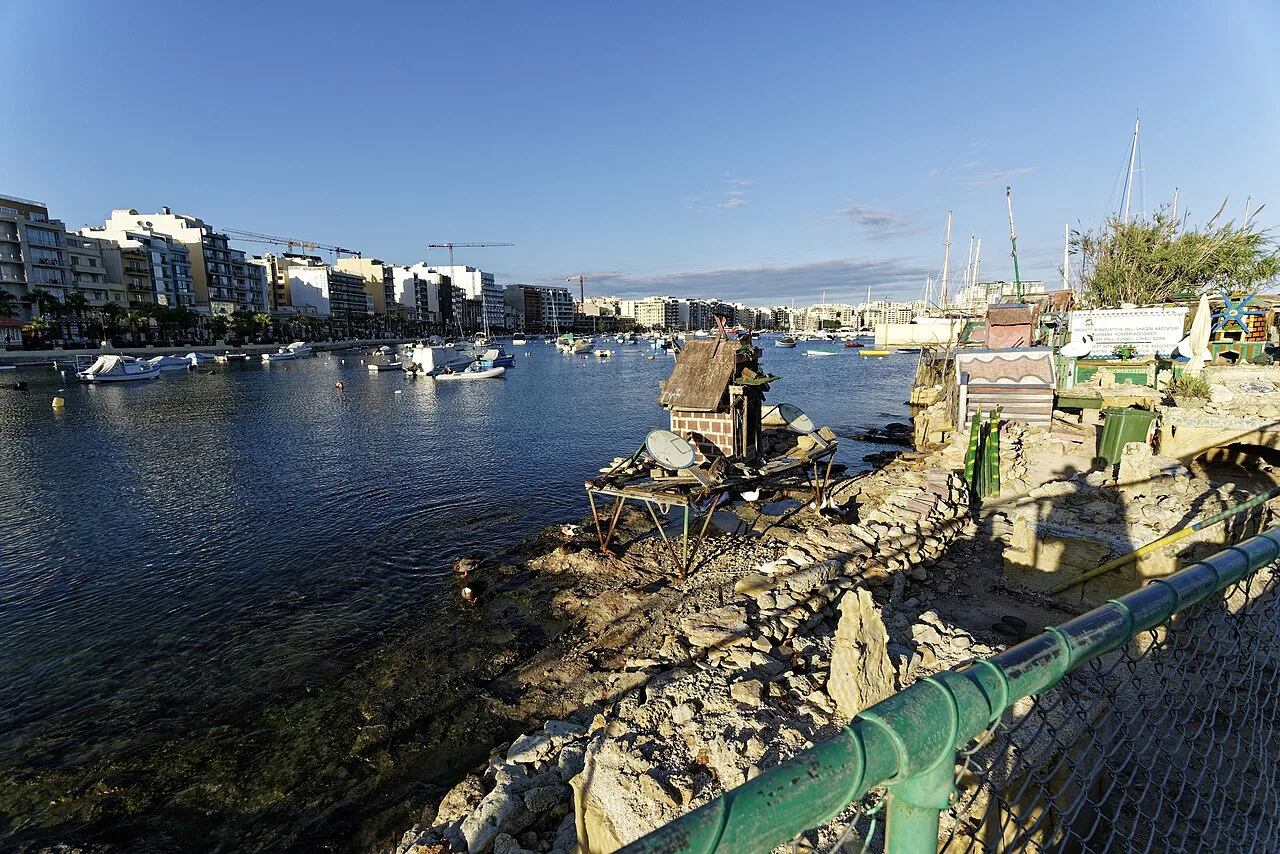
The sheltered paddling is inside harbours and bays where the water stays manageable. Get Out and Kayak Malta describes its Grand Harbour and Three Cities tour as taking place in a sheltered bay that lets paddlers of all levels have fun free from the winds and swells of the open sea. That makes it the sensible first kayak outing if you have never paddled before or are travelling with mixed ability.
Mistra Bay is the other sheltered fallback, because the operator describes the relatively sheltered bay as offering protection from the high winds that are often around. If the sea allows, the route continues towards Selmun or beyond; if not, the group explores around St Paul's Islands instead.
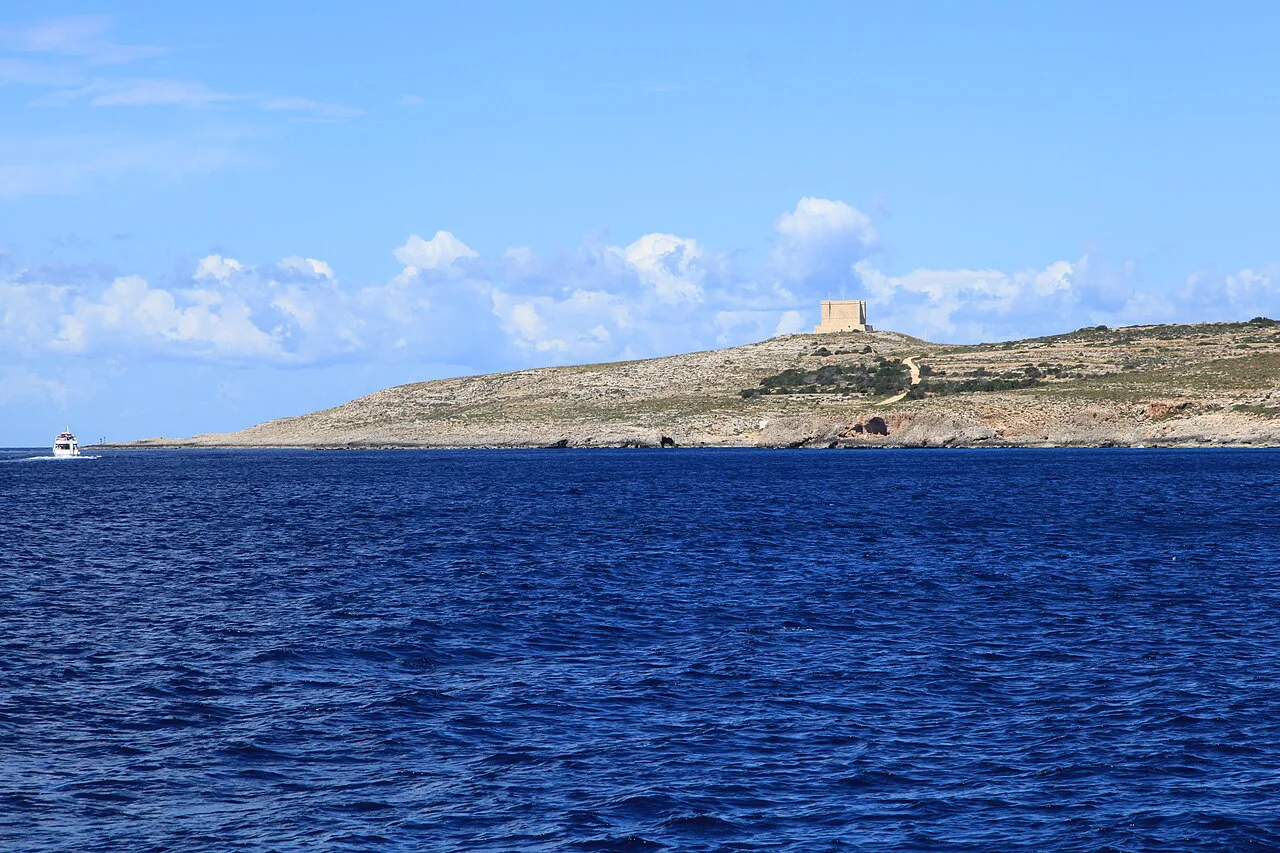
Open-coast paddling is a different proposition. The same operator places the island-hopping route at 15 km or more and grades it for more advanced paddlers, starting from Malta or Gozo and crossing to Kemmuna. Choose this only if you already paddle regularly and are comfortable covering distance in exposed water.
The main guided routes
The operator's own route list runs from the harbour outwards. The Grand Harbour and Three Cities tour starts from the sheltered bay, and advanced paddlers can leave from Manoel Island to reach the featured viewpoint. Next comes Mistra Bay towards Selmun and St Paul's Islands, then San Tumas towards Il-Ħofriet and St Peter's Pool, with the Munxar Arch, white cliffs, caves and a sea tunnel along the way.
The Coral Lagoon and Slugs Bay route has several possible departure points, including Ramla, Armier, Little Armier, Għadira and Mistra Bay, depending on ability, and the operator can shorten or lengthen the route for a group. Island hopping is the long one. Because each route can shift with conditions, ask which coastline is likely for your date when you book rather than assuming the photograph on the booking page is the plan.
Half-day hire in Marsaskala: what the price buys
The clearest hire listing is kayak hire in Marsaskala with Sensi Watersports Malta, offered as a one-hour rental from 8 EUR with free cancellation. The same listing gives a minimum age of 16, so this is not a family rental for younger children. Other pickup points appear in the search filters, including Marsaxlokk and Birżebbuġa, but the published price is attached to the Marsaskala hire.
The listed Marsaskala hire is a one-hour session, enough to learn the stroke and explore a short stretch of coast close to the launch point, not to reach another island. If you want caves, arches and a guided commentary, book a guided half day instead and treat the rental as a taster. Check what the hire includes, such as a lifejacket and dry bag, before you pay.
Beginner routes and advanced routes
Beginners should look at the Grand Harbour and Three Cities tour, which the operator ties to sheltered water and mixed abilities, and at Mistra Bay when the wind is up. According to a general Malta kayaking guide, many tour operators offer introductory lessons and family-friendly tours, and the advice for new paddlers is to start on calm water and build up gradually rather than jumping straight to exposed coastline.
Advanced paddlers have the 15 km-plus island-hopping crossing and the cave and open-water challenges on the more exposed sections of coast. The jump between the two is large, so be honest about your usual distance and whether you can handle a capsize and re-entry in swell. If you are unsure, the harbour tour is the better use of a morning.
Guided tour or hire it yourself
A guided tour buys you local knowledge of the coastline, a route chosen for the day's conditions, and safety cover, which matters on stretches with caves and sea tunnels. The trade-off is that you do not control where you go: the final location is set by weather, sea conditions and paddling experience. Read the tour description carefully to see whether snorkelling, swimming stops and equipment are included.
Self-hire suits confident paddlers who want a short, cheap session close to the launch point. You get the freedom to stop when you like but no guide and no guaranteed route. For a first time on Maltese water, the guided half day is the easier decision; for a repeat visitor wanting an hour of paddling, hire wins on cost.
Single or tandem, sit-in or sit-on-top
Choose the boat before you choose the route. Single kayaks give manoeuvrability for one paddler, while tandem kayaks let a couple or family share the effort, which helps if one of you is stronger. Sit-in kayaks keep splashes off and suit cooler months, while sit-on-top kayaks are easier to climb back onto after a capsize and are the friendlier option in warm weather.
If you are hiring rather than touring, confirm which type the operator has before you arrive, because the price does not tell you. A sit-on-top is the safer default for a beginner in summer, and a tandem is the easier choice if one of you has paddled before and the other has not.
Safety basics on the water
Wear the lifejacket and take a whistle and a kayak leash, and check the forecast before you launch. Strong winds and rough seas are the reason to postpone, and conditions on an exposed coast can change quickly. On a guided trip the operator makes that call; on hire, it is yours, so do not paddle out if the water looks beyond your ability.
Sun is the other hazard. Paddle early or late rather than through the middle of the day, carry water and cover your shoulders and head. Tell someone where you are launching and when you expect to be back if you are going out unguided.
What you see from the water
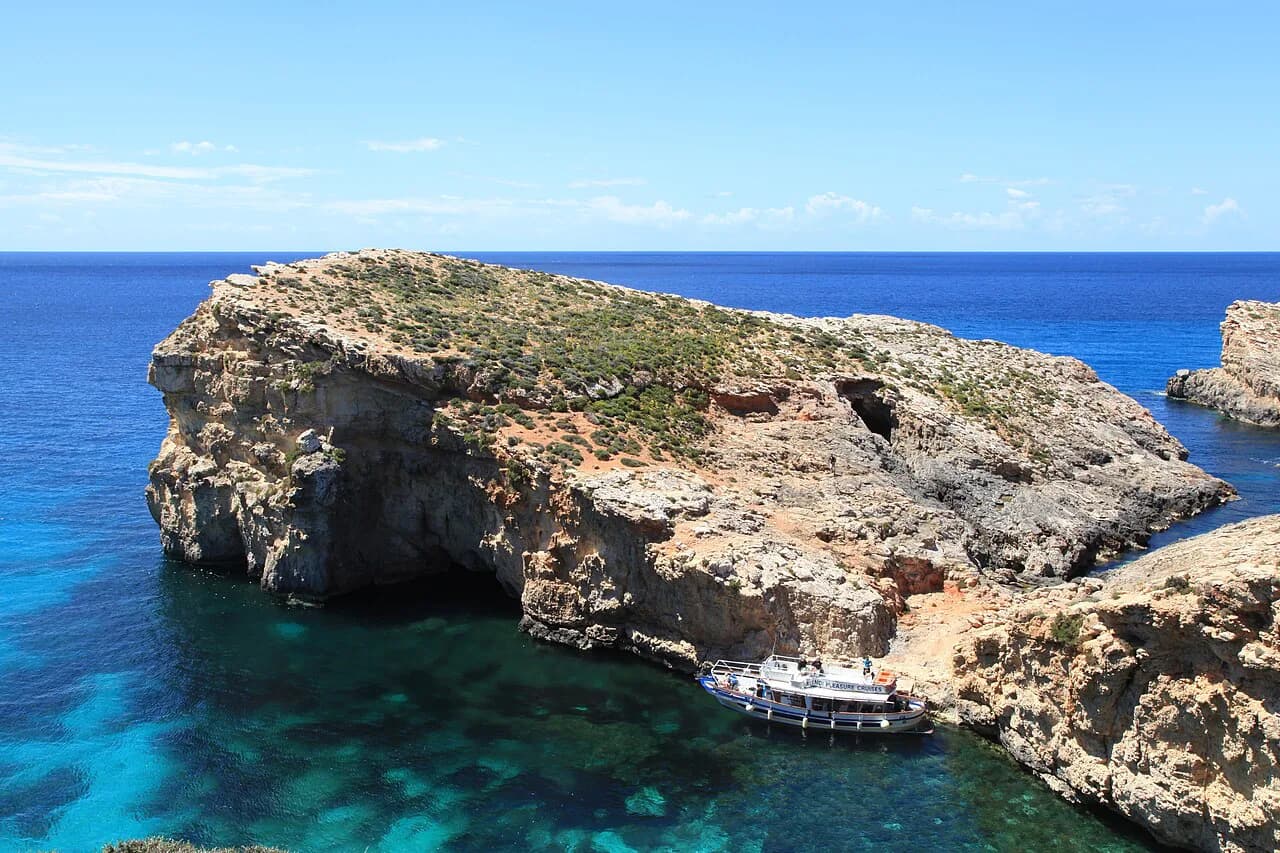
The coast delivers what the land cannot show you: sea caves, natural arches, cliffs and coves that are hard to reach on foot. On the San Tumas stretch paddlers pass the Munxar Arch, white cliffs, caves and a sea tunnel, and swimming at St Peter's Pool from a kayak is one of the rewards of that route. Around Comino and Gozo there are sea caves and stretches described as calm enough for beginners and experienced paddlers alike.
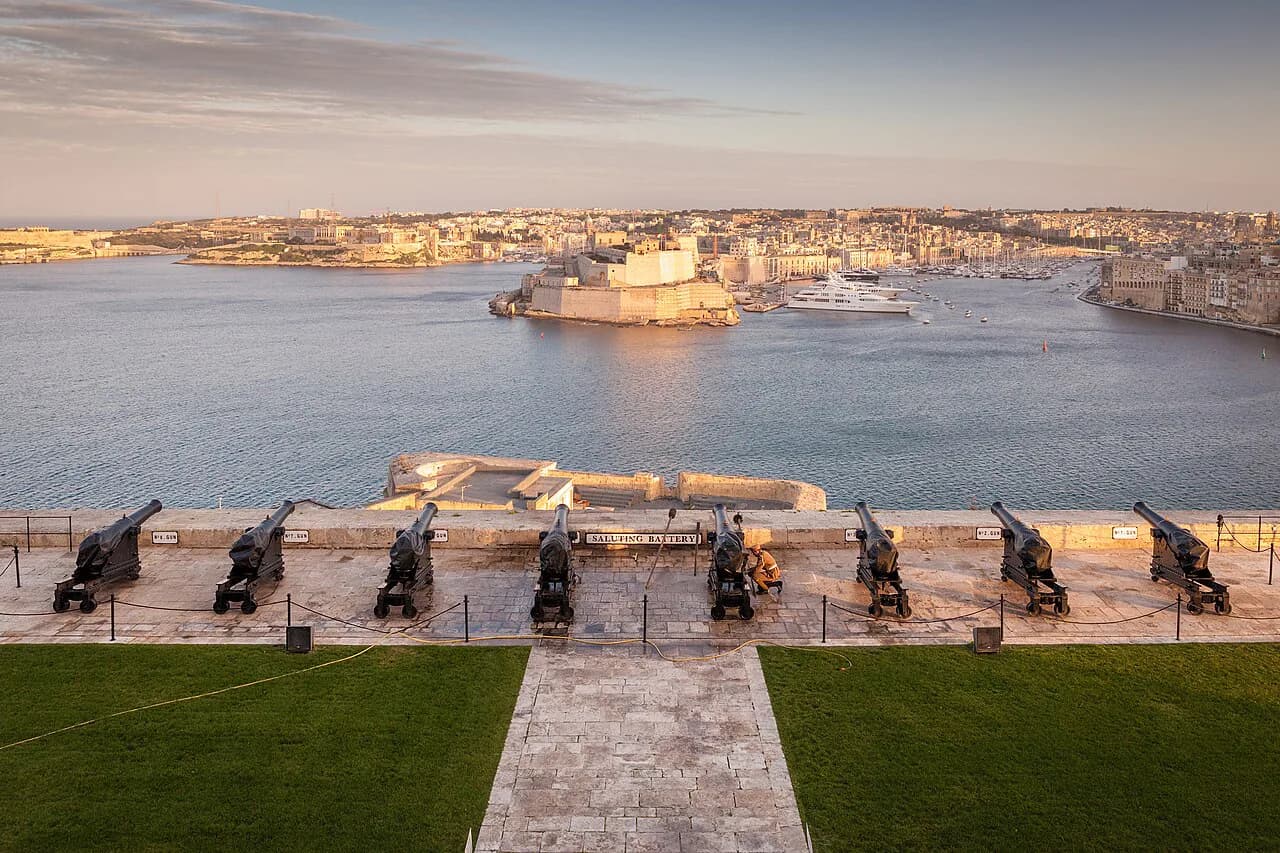
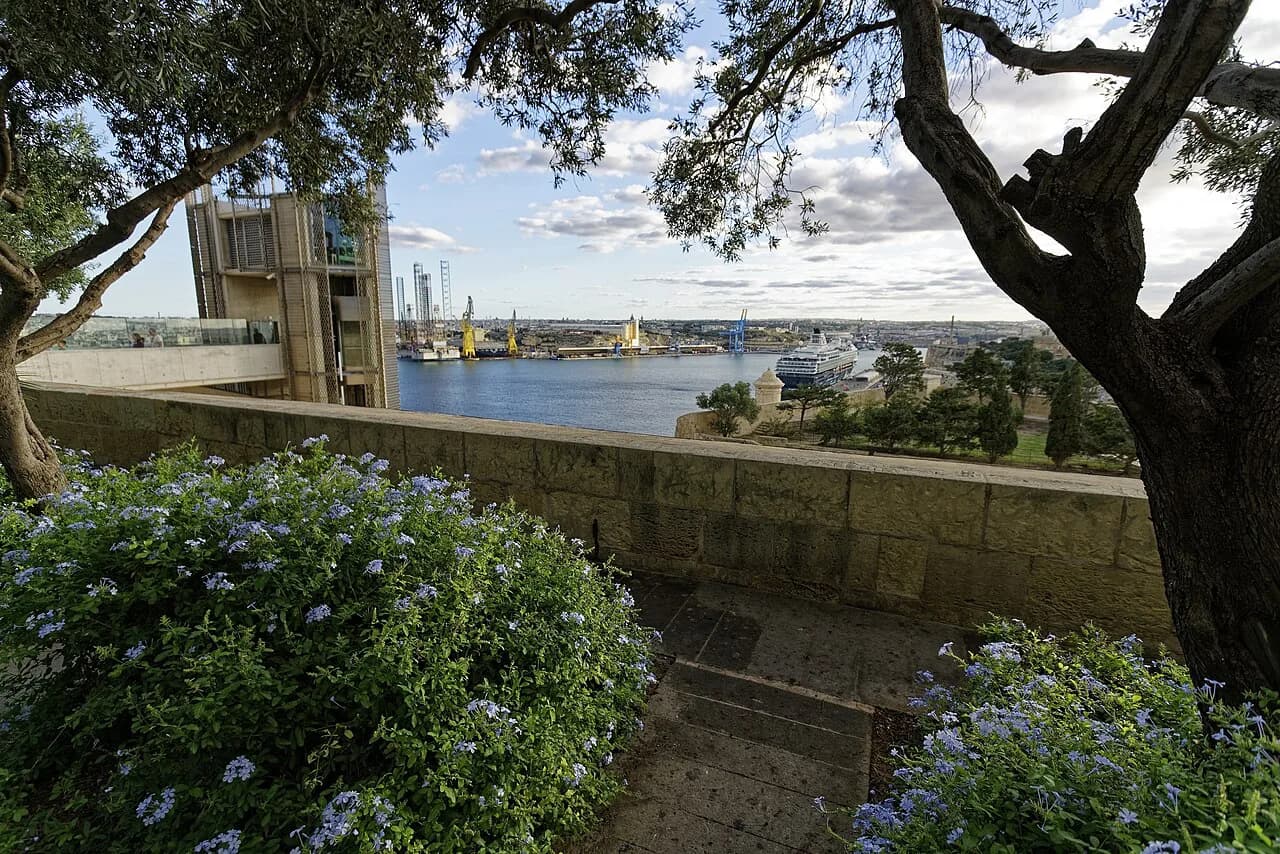
The harbour route swaps cliffs for fortifications, giving you a water-level view of the Grand Harbour and the Three Cities that you cannot get from the bastions. If you also plan time ashore, the harbour forts and churches fit naturally with the things to do in Malta beyond the water, and the wider places to visit in Malta list covers the towns on either side of the harbour.
If you want the Blue Lagoon without a paddle, that is a boat trip rather than a kayak outing, and the Malta boat trips options cover it. For a calmer paddle, look at the quieter stretches of the north coast around Mellieħa instead.
When to go and how conditions shape the day
Sea state, not the calendar, decides your route. The operator picks the final location according to weather, sea conditions and paddling experience, so the same booking can mean a sheltered harbour paddle or a coast with more exposure. Build flexibility into your plans and keep a second date free if kayaking is a priority.
Book the harbour or Mistra Bay option if your dates fall in a windier spell, and leave the island crossing for a settled day with a guided group. Ask what start times the operator runs when you enquire, and remember that the final route is decided on the day, so plan a second date if kayaking is a priority.
Which kayak day should you book?
Book the Grand Harbour and Three Cities tour if you are new to paddling or want a sheltered half day with fortifications in view. Choose the Mistra Bay route if the wind is up and you want the operator's sheltered fallback waters. Reserve the 15 km-plus island crossing for advanced paddlers with distance behind them.
For a short, cheap session, hire a kayak for an hour in Marsaskala from 8 EUR, remembering the minimum age of 16. Either way, confirm the launch point, boat type and what is included before you pay, and treat the named coastline as likely rather than fixed.
Explore more Malta guides
Frequently Asked Questions
Does kayaking in Malta happen on rivers?
Kayaking in Malta happens on the sea, in sheltered harbours and bays such as the Grand Harbour and Mistra Bay, and along the open coast towards Kemmuna.
How tough is kayaking in Malta?
It ranges from easy to demanding. Harbour and bay paddles suit all levels, while the island-hopping crossing runs 15 km or more and is graded for advanced paddlers by the operator.
Where can kayaking take place in Malta?
Launch points the operator lists include the Grand Harbour, Manoel Island, Mistra Bay, San Tumas, Ramla, Armier, Little Armier, Għadira and Marsaskala. The final choice depends on weather, sea conditions and experience.
Sources
Notes for your Malta trip
Optional updates when we add or correct a Malta or Gozo guide.
You might also like

Continue reading
More guides you'll find useful