Malta Souvenirs: What to Buy and What to Check
A practical guide to Malta souvenirs, from silver filigree and handmade tiles to local wine, spices and rabbit seasoning, and what to check before you buy.
On this page
Buy silver filigree, handmade tiles and ceramics, local wine, rabbit seasoning and crafts from small independent shops, and buy them in Valletta and St Paul's Bay rather than from the first souvenir rack you pass. This guide covers what is worth packing, which streets and shops to head for, and how to tell genuine handmade work from mass-produced copies. It sticks to souvenirs and gifts; the rest of your trip planning sits in our guide to things to do in Malta.
One rule shapes everything below: check the label and the seal before you pay. Maltese artisans make delicate silver jewellery and hand-thrown ceramics, but souvenir racks are also full of imported lookalikes, and Italian brands sold in Maltese supermarkets are Italian, not Maltese. A few minutes of inspection separates a gift that lasts from a fridge magnet you regret.
What to buy in Malta: the short answer
Prioritise silver filigree jewellery, handmade tiles and ceramics, local wine and beer, Maltese spices such as rabbit seasoning, and clothing or crafts from small independent shops. These are the things travellers report actually bringing home and using, rather than the key-rings and tea towels that fill the racks near big attractions. Shopping is a genuine part of a Malta trip rather than an afterthought, which is why it pays to plan a couple of stops into your days.
Build the list around where you are already going. Valletta's Republic Street handles jewellery and design-led gifts, St Paul's Bay's Tourist Street clusters shoes, clothing and crafts, and ordinary supermarkets in Mosta and elsewhere cover wine, beer and spices at everyday prices. That way you are not crossing the island for a single purchase.
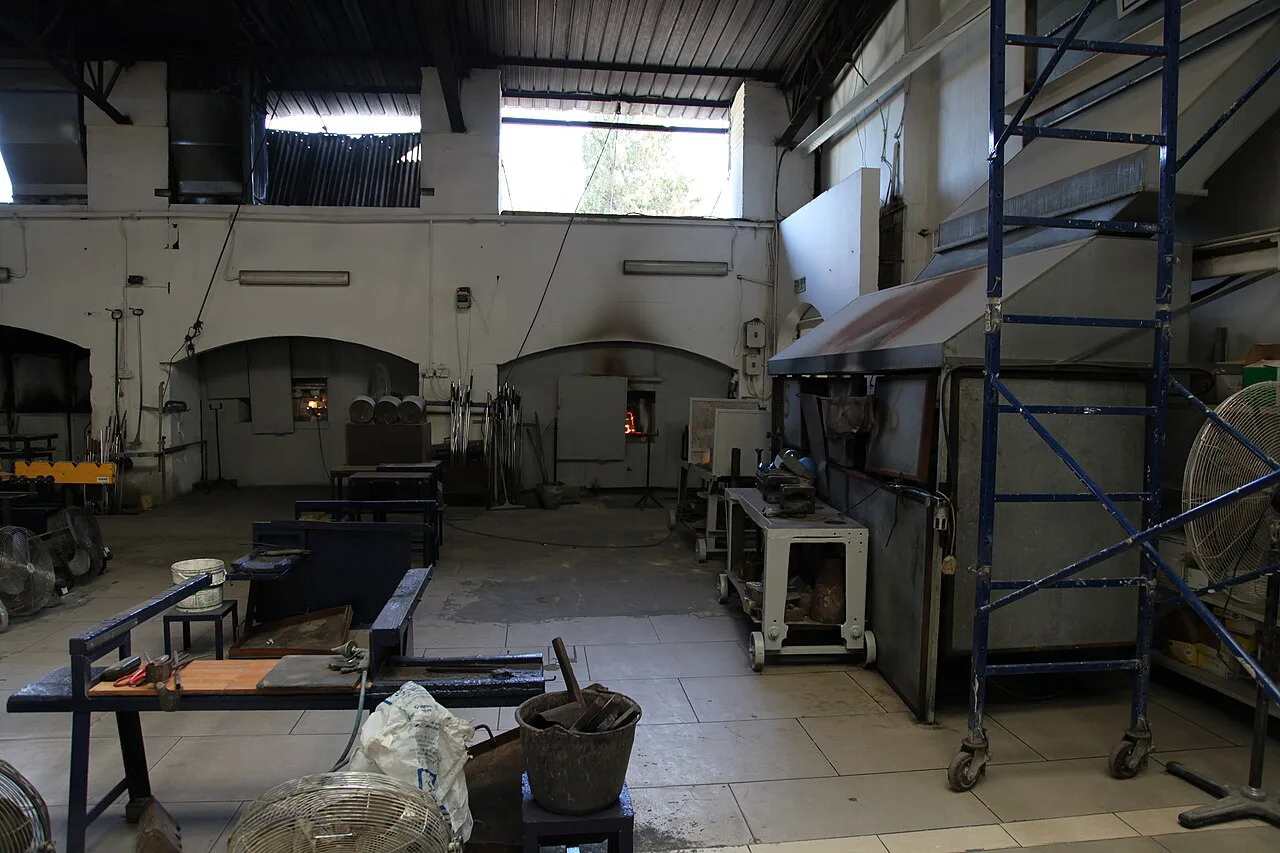
Silver filigree and handmade jewellery from Valletta
Silver filigree is the souvenir to seek out in Valletta: fine, delicate metalwork made by Maltese artisans and sold as rings, pendants and small gifts. The Artisans Centre at 288 Republic Street in Valletta sells filigree rings alongside other handmade metalwork, and it is the kind of shop where you can ask who made a piece before you commit. Republic Street is the capital's main spine, so this fits naturally into a day that also takes in St John's Co-Cathedral.
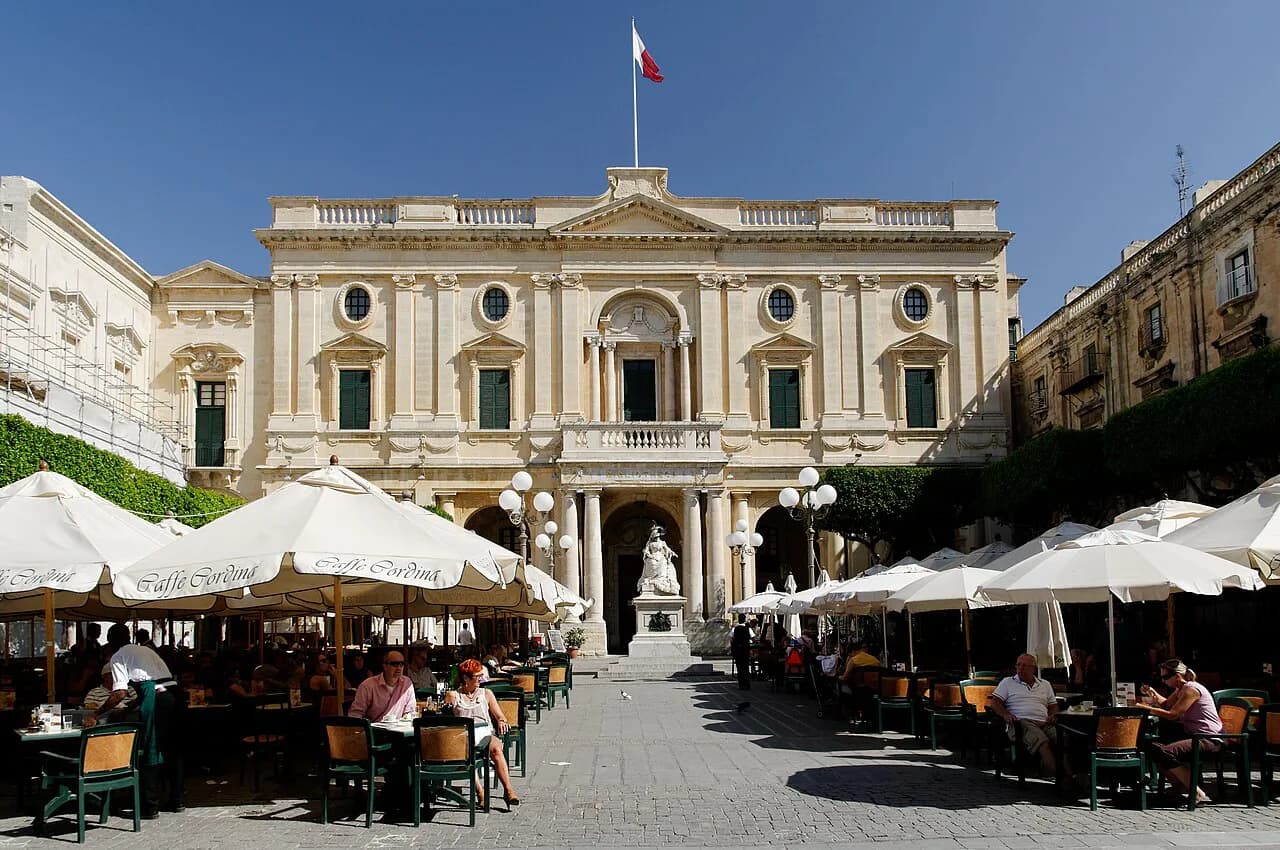
If the cathedral crowds are too much, the quieter gift shops near it are worth a look. Souvenirs That Don't Suck, a short walk from the cathedral, is described by visitors as a calm, classy alternative to the tacky key-ring and tea-towel stalls. For a broader sense of how Valletta fits into a longer itinerary, see our breakdown of the best places to visit in Malta, grouped by area.
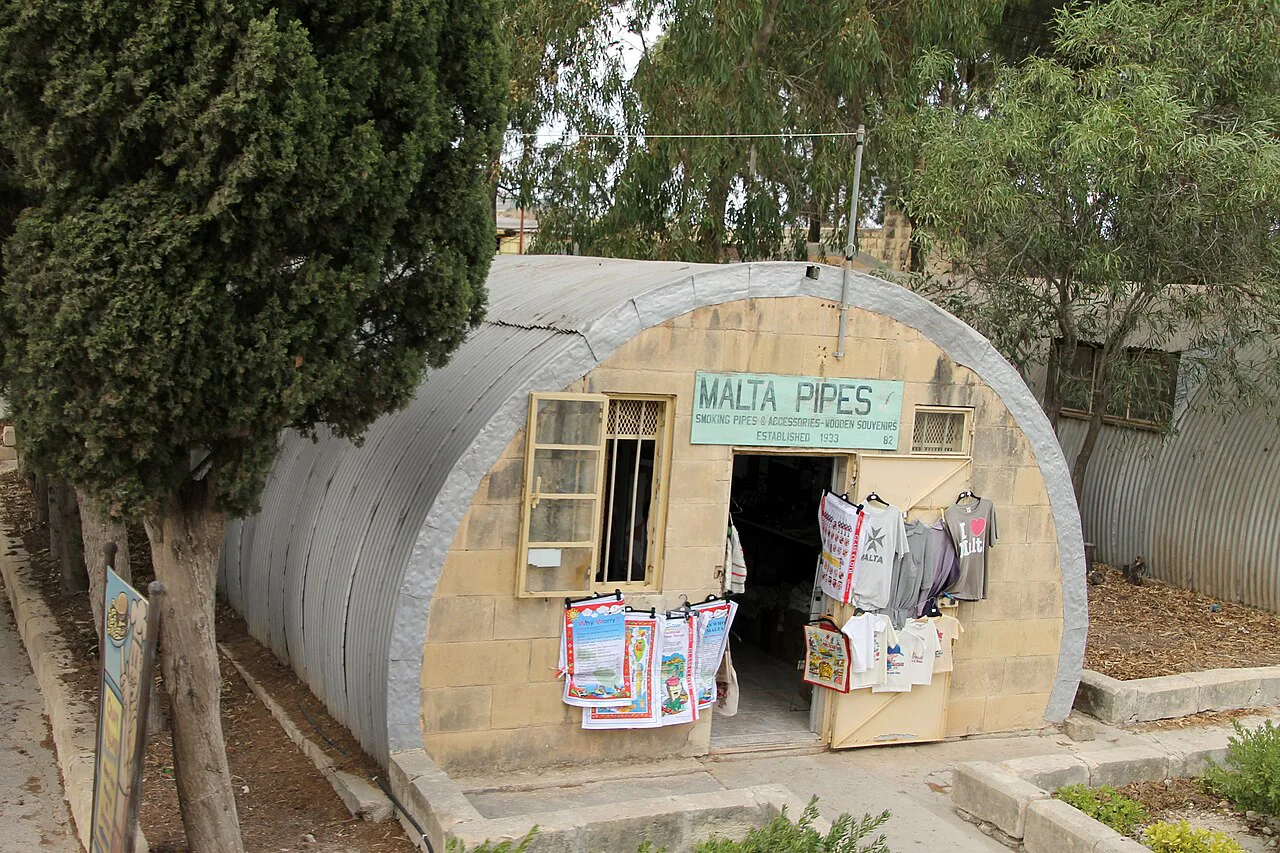
Handmade tiles and ceramics, and how to spot mass-produced copies
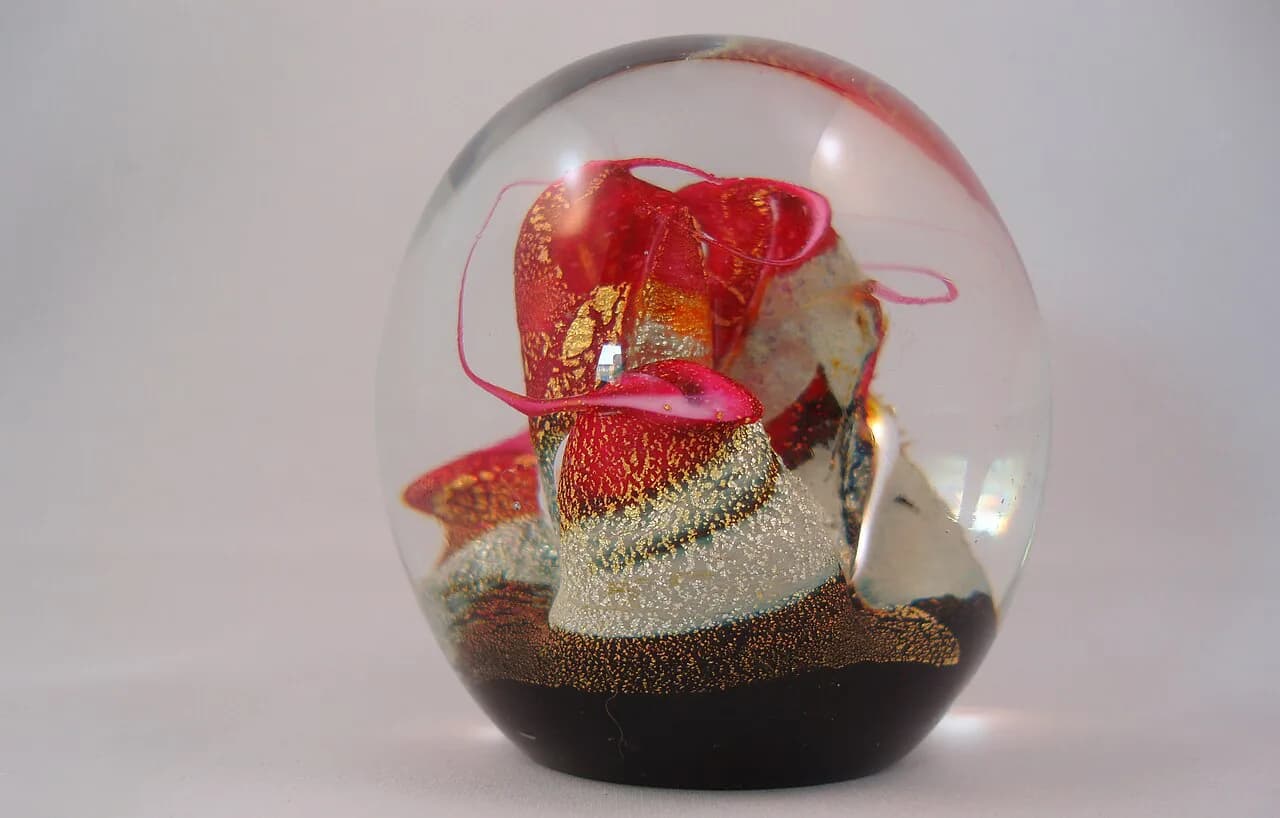
Handmade tiles and ceramics are among the most popular Maltese purchases, but the market is mixed. Look for a seal indicating the piece is genuinely handmade, and check the base and the finish: artisan work varies slightly from piece to piece, while mass-produced souvenirs repeat identically. A traveller who bought tiles expecting handwork found afterwards that they were factory copies, so ask directly rather than assuming.
Weight and packing matter as much as authenticity. Ceramics are heavy and fragile, so buy them late in the trip, ask for extra wrapping, and carry them in hand luggage if you can. If you would rather not risk it, note the shop's name and order similar pieces after you get home.
Local wine, beer and liqueurs worth packing
Maltese wine is good value and easy to find in ordinary grocery stores, which makes it one of the simplest souvenirs to buy. One shopper paid 2.69 euros for a bottle of San Paolo white and 4.54 euros for a Citadella Rosé in a grocery store near their accommodation; treat those as an illustration of supermarket pricing rather than a current quote, and check the shelf label yourself. Local beers and ales sit alongside the wine, including a wild berry ale that one visitor found unusually easy to drink.
Speciality Maltese liqueurs made from local produce, including a cactus liquor, come in small packs that work well as gifts. Bottles are heavy and liquids are restricted in cabin baggage, so plan to put them in checked luggage and wrap them well. If you are flying with only hand luggage, buy them at the airport instead.
Spices and food items from Maltese supermarkets
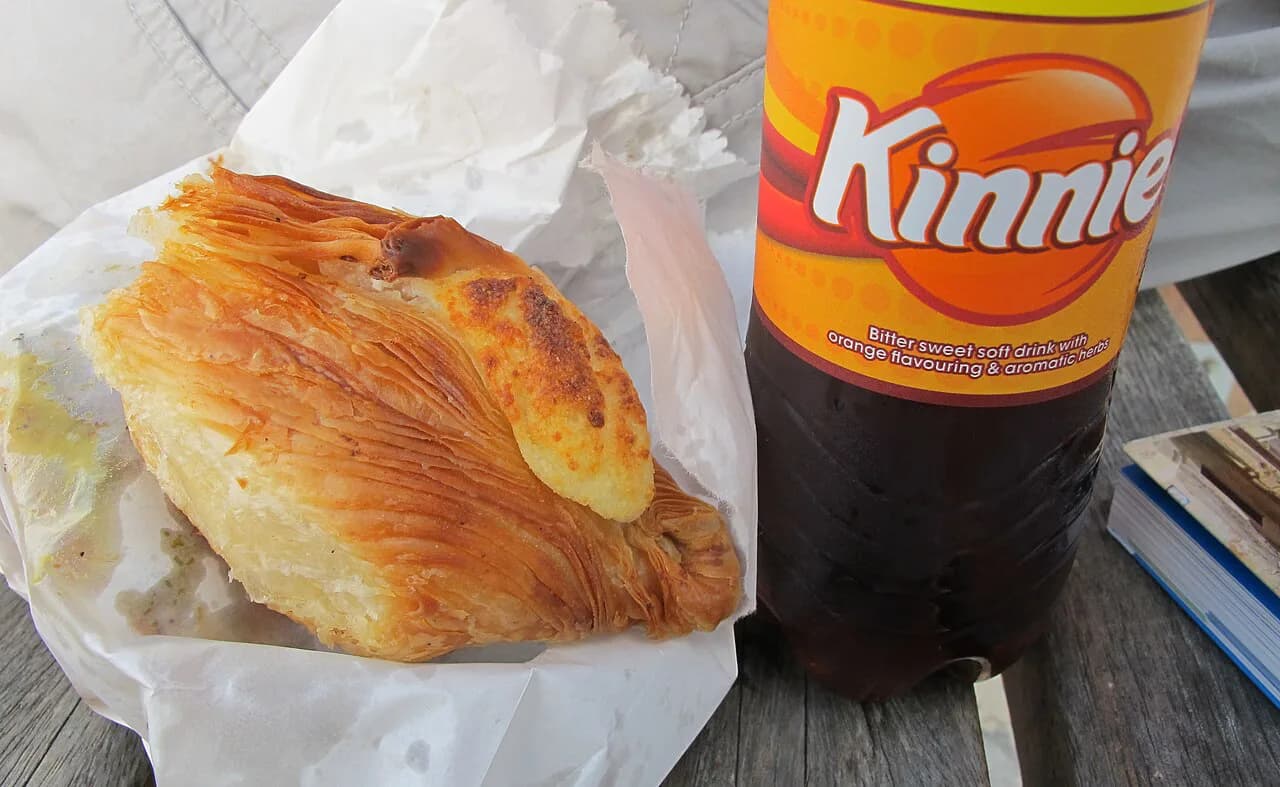
Supermarkets are the best-value source of edible souvenirs, and rabbit seasoning is the standout local buy: rabbit dishes are popular in Malta, so the seasoning is both practical and unmistakably from here. One shopper bought most of their spices at the Pama Supermarket on Triq Valletta in Mosta, which shows how ordinary grocery stops fit into a souvenir run. Check the label for the Maltese name and an ingredients list in English before choosing.
Food gifts travel better than ceramics: they are light, sealed and unlikely to break. Leave space in your bag, keep liquids within airline limits, and check customs rules for meat-based or dairy products before you fly home. If you miss something, a Malta-based online shop such as Malta Products ships Maltese groceries, crafts and drinks worldwide, so you can order after you get back.
Italian skincare and leather shoes
Malta's proximity to Italy means Italian products are everywhere, including the skincare brand Tesori D'Oriente, which is sold in many supermarkets; one shopper bought body washes and hand creams at the Pama Supermarket in Mosta. Buy these as good-value Italian imports, not as Maltese souvenirs, and say so if the gift is meant to represent the island. The same applies to leather sandals from European chains such as Parfois, which has a branch at Malta Airport.
For leather shoes with more local character, Alberto Shoes on Tourist Street in St Paul's Bay is worth a browse, with one family reporting a pair bought there lasting almost a decade. Stock changes, so go with an open mind rather than a specific model in mind.
Clothing and crafts from small shops in St Paul's Bay
Tourist Street in St Paul's Bay packs clothing, crafts and shoe shops into one short stretch, which makes it an efficient stop if you are staying in the north of the island. Lidsan Craftworks sells handmade items from Kenya and regularly brings in new stock, so it rewards a second visit a few days later. Seka, at 300 Tourist Street, is a clothing shop where a traveller bought a sweater dress and found the staff friendly and helpful.
Small shops depend on turnover, so what you see on Monday may be gone by Friday. If something catches your eye and you are in St Paul's Bay for several days, ask when new stock arrives and plan a return. If you want to see how the area fits with the rest of the island, our Malta map shows how the northern towns connect to Valletta and the harbour.
Typical souvenirs and where to find them
Beyond the handmade pieces, the usual souvenirs are magnets, tea towels and small printed items, and there is no shame in buying them — they are cheap, light and easy to pack. The busiest concentrations are on Tourist Street in St Paul's Bay and in the streets around Valletta's main sights, where racks of small gifts cater to passing visitors. Buy these last, once the breakable and valuable pieces are safely packed.
If you would rather choose from home, online marketplaces carry Malta-themed small gifts such as magnets, which helps when a suitcase is already full or a gift was forgotten; look for listings that state where and how a piece was made if you want artisan work rather than a mass-produced design. Compare delivery times before ordering, because made-to-order pieces take longer than off-the-shelf ones. For a fuller picture of what the islands offer beyond the shops, see our guide to places to visit in Malta.
What to check before you buy
Four checks cover most purchases. First, look for a handmade seal on ceramics and tiles. Second, ask who made a piece of jewellery. Third, read food and drink labels to confirm the product is Maltese. Fourth, confirm whether an Italian brand is being sold as an Italian import rather than a local speciality. Together they prevent most of the disappointments travellers describe.
Then think about the journey home: weight limits, liquid rules and breakables. Ask for receipts in case of a problem, request extra wrapping for ceramics, and keep small valuables in your hand luggage. Prices and stock change, so check the shelf label or ask staff rather than relying on any figure you read online.
Which Malta souvenir should you buy first?
Start with the piece you will actually use: a filigree ring from Republic Street, a handmade tile you have inspected for the seal, or a bottle of local wine from a grocery store. Add crafts from Tourist Street in St Paul's Bay if you are in the north, and food gifts from a supermarket to fill the gaps.
Buy breakables late, pack liquids in checked luggage, and order online from a Malta-based shop if something is forgotten. Check current prices in store, since what other shoppers paid is a rough guide only.
Explore more Malta guides
Frequently Asked Questions
What are good gift ideas from Malta?
Silver filigree jewellery, handmade tiles and ceramics with an artisan seal, local wine and beer, rabbit seasoning and other Maltese spices, and crafts or clothing from small shops. Italian skincare and European chain shoes are widely sold but are not Maltese products, so label them honestly if the gift is meant to represent the island.
Where should I shop for souvenirs in Malta?
Use Republic Street in Valletta for jewellery and small design-led gifts, Tourist Street in St Paul's Bay for clothing, crafts and shoe shops, and ordinary supermarkets for wine, beer and spices. The streets around Valletta's main sights have the densest concentration of typical small souvenirs.
Sources
Notes for your Malta trip
Optional updates when we add or correct a Malta or Gozo guide.
You might also like
Continue reading
More guides you'll find useful