Best Places to Visit in Malta: Towns, Villages and Sites by Area
The places in Malta worth your time, grouped by area: Valletta and the harbour, Mdina and Rabat, the north, the south and Gozo, with what each is like.
On this page
The places worth your time in Malta group neatly into six areas: Valletta and the Grand Harbour, Mdina and Rabat in the centre, the temple sites, the northern resorts and villages, the southern fishing coast, and Gozo and Comino across the water. Grouping your days this way cuts travel time and lets you see each area at a sensible pace, so this guide takes each area in turn and says what is there, how long to allow and how to reach it. Keep the Malta Map open as you plan the order.
Two practical points shape every day. Malta's public transport is reliable and reaches the main towns and points of interest, but the remotest locations need a car, and driving is on the left. Current routes and timetables are published by the island's public transport operator.
Valletta: St John's Co-Cathedral, Fort St Elmo and the Upper Barrakka Gardens
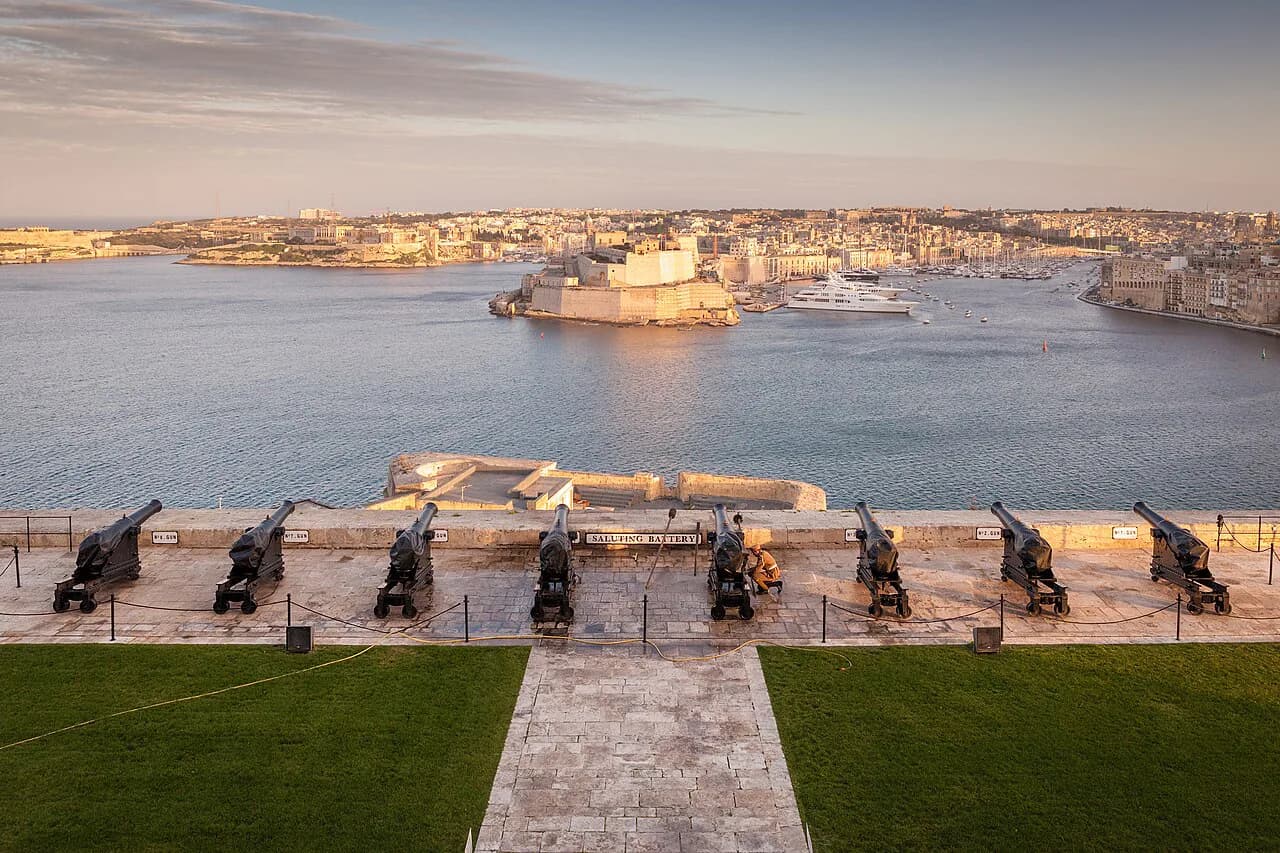
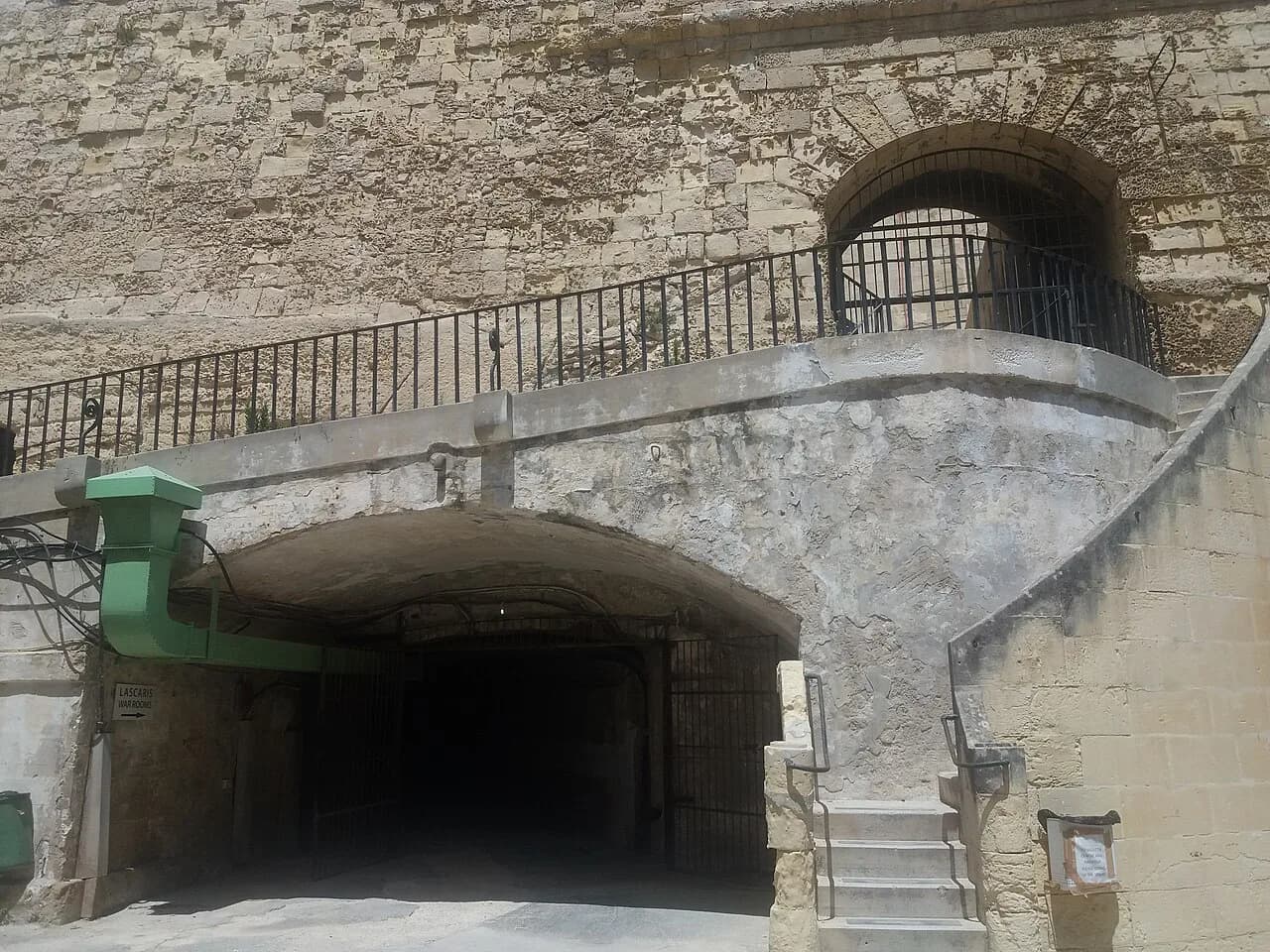
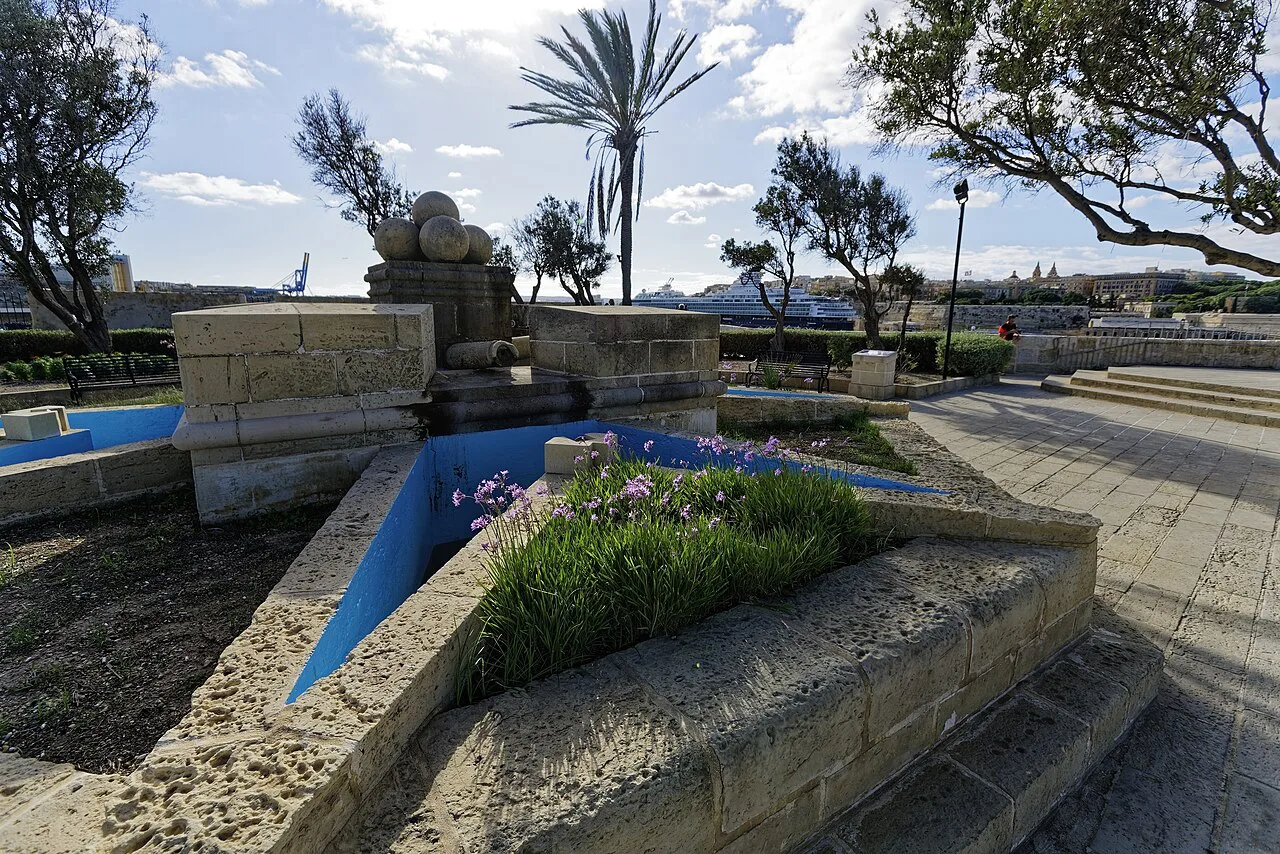
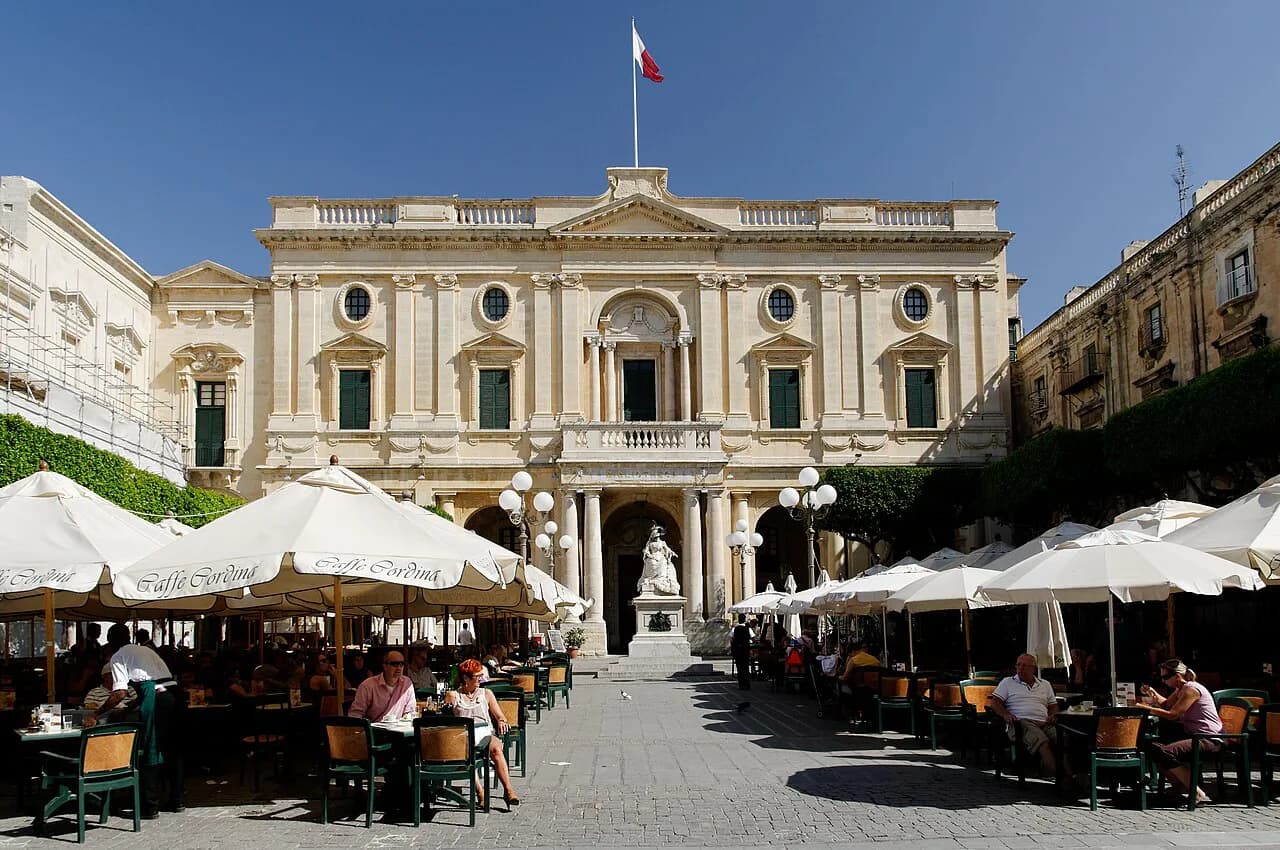
Valletta is a compact walled city on a peninsula, and the whole city is a UNESCO World Heritage Site. The core sights sit within easy walking distance of each other: St John's Co-Cathedral, Fort St Elmo, the Upper Barrakka Gardens and the Lascaris War Rooms. Give Valletta a full day if you want the cathedral and one museum properly, or half a day for a fast walk through the streets and the gardens.
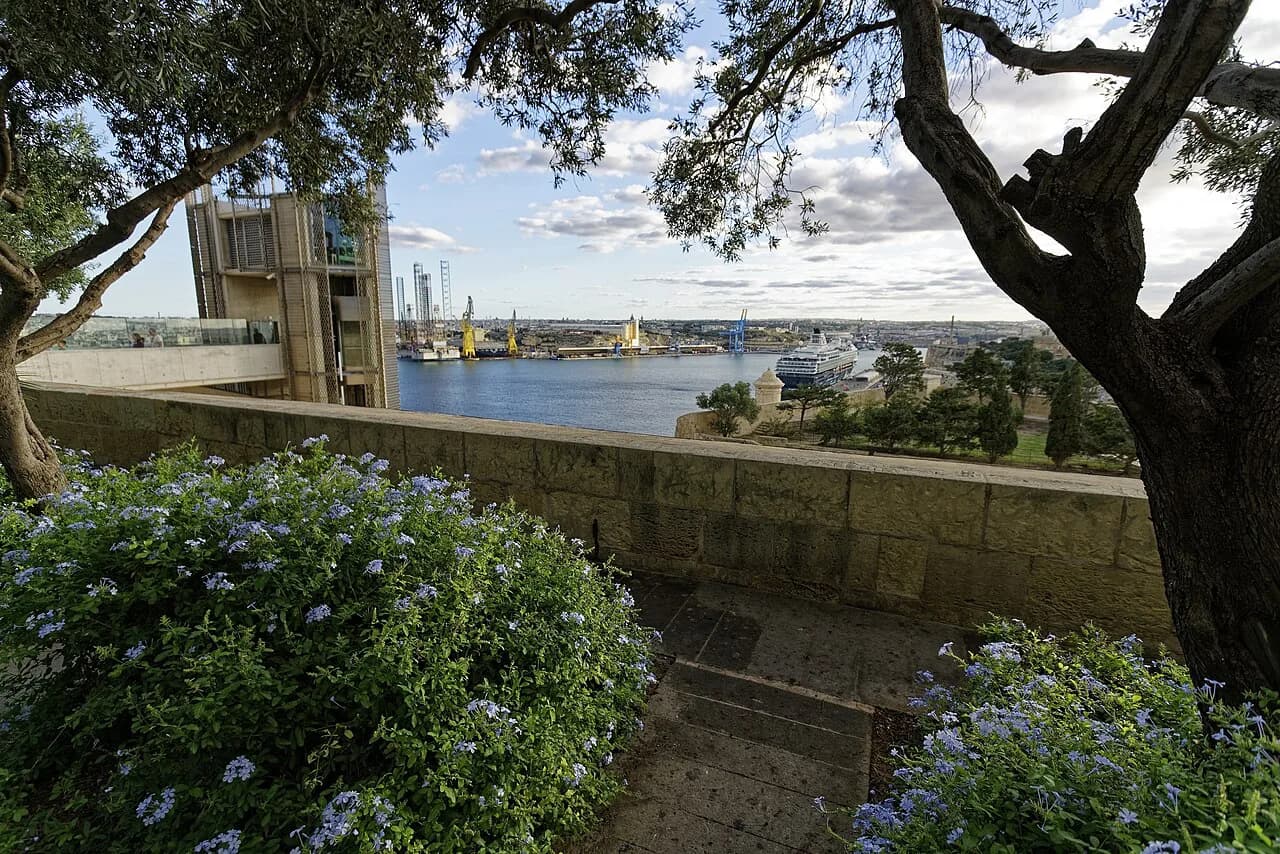
Fort St Elmo guards the seaward tip, while the Upper Barrakka Gardens sit above the harbour and look across to the Three Cities. The Lascaris War Rooms are underground, so they work well as a heat-of-the-day stop between outdoor sights. City maps and guides for Valletta and other localities are available from the Malta Tourism Authority before you arrive.
Valletta is at its busiest when cruise ships are in, and the narrow streets around the cathedral and Republic Street fill quickly. Start early at Fort St Elmo and the cathedral, then take the gardens and the war rooms once the day-trippers arrive.
The Three Cities: Vittoriosa (Birgu), Senglea (L-Isla) and Cospicua (Bormla)
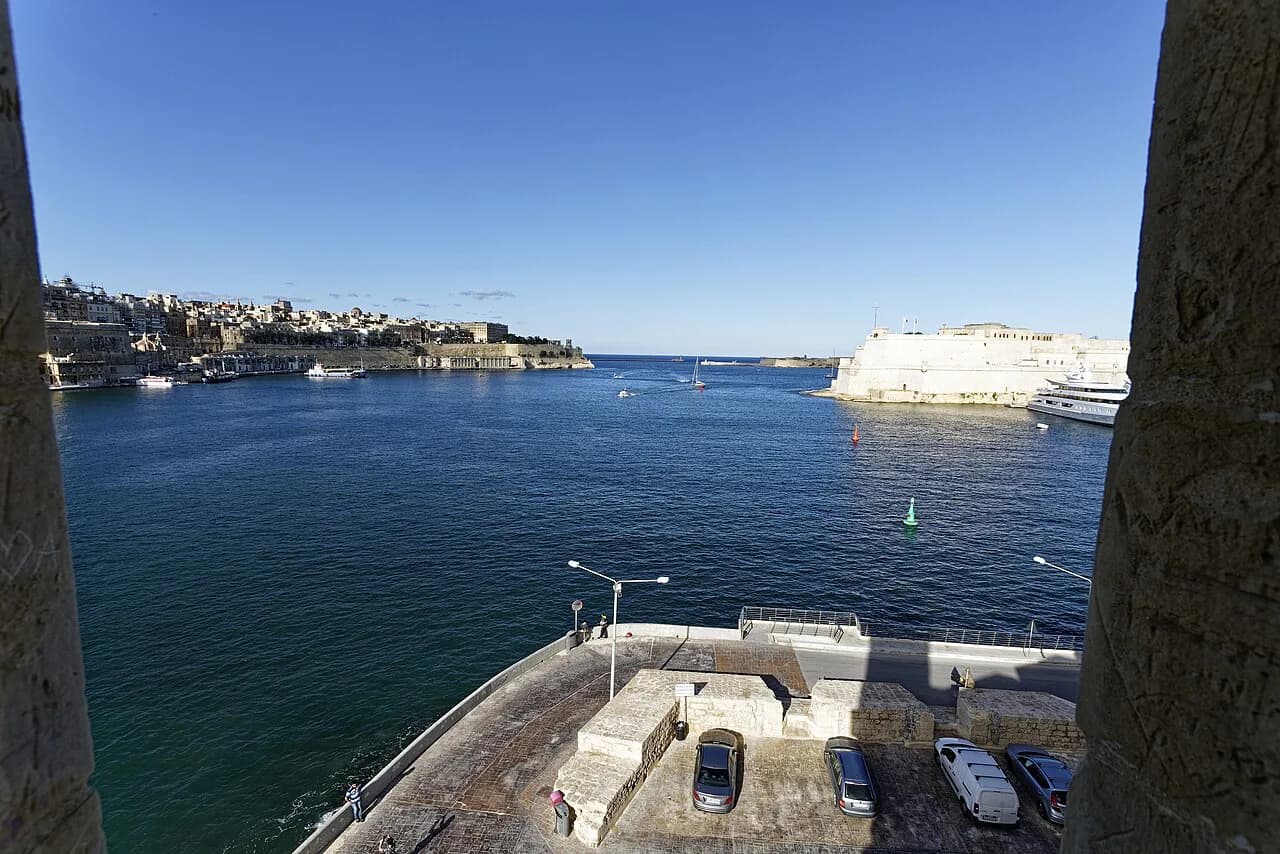
The Three Cities sit on two peninsulas across the water from Valletta. Vittoriosa, formerly Birgu, holds most of the highlights, but Senglea (L-Isla) rewards the short walk to the Gardjola Gardens for views back across the harbour to Valletta. Half a day covers Vittoriosa and Senglea comfortably.
Getting there is part of the appeal. Buses run from Valletta, but the better approach is the ferry or a dgħajsa, the traditional Maltese boat, from Valletta Waterfront. The crossing is short and puts you straight into the old streets rather than on a ring road.
Because most visitors stay on the Valletta side of the harbour, the Three Cities are quieter than the capital, particularly in the late afternoon. Pair them with a Valletta morning and cross by boat for the second half of the day.
Mdina and Rabat: the walled city and the Ħal Saflieni Hypogeum
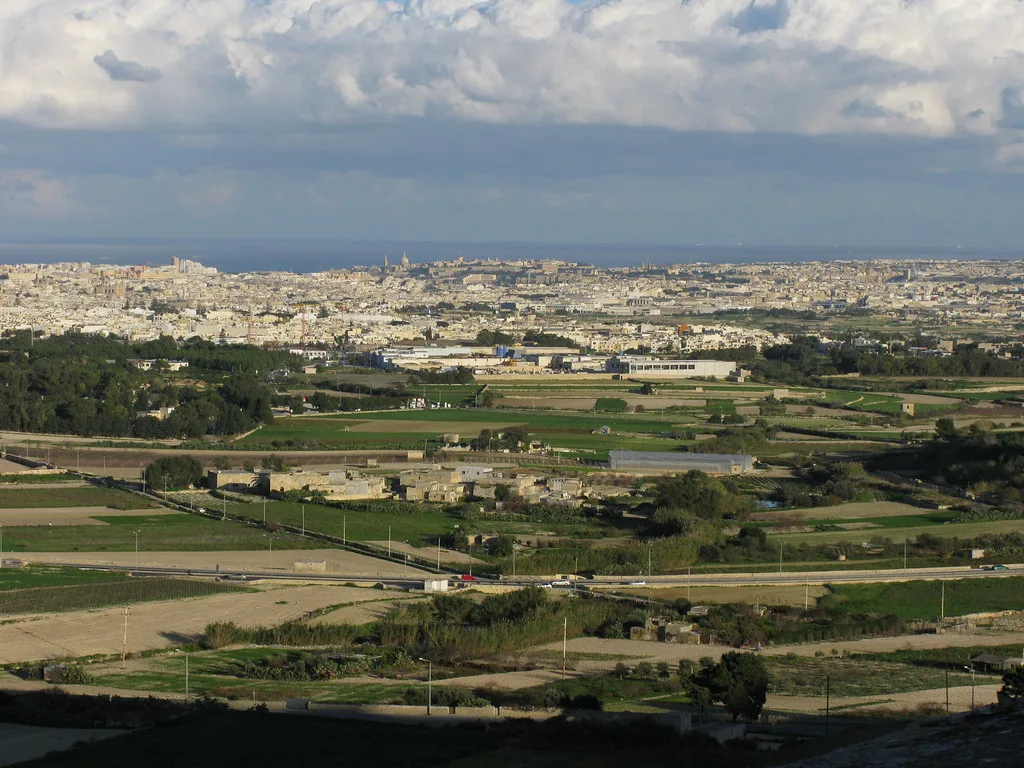
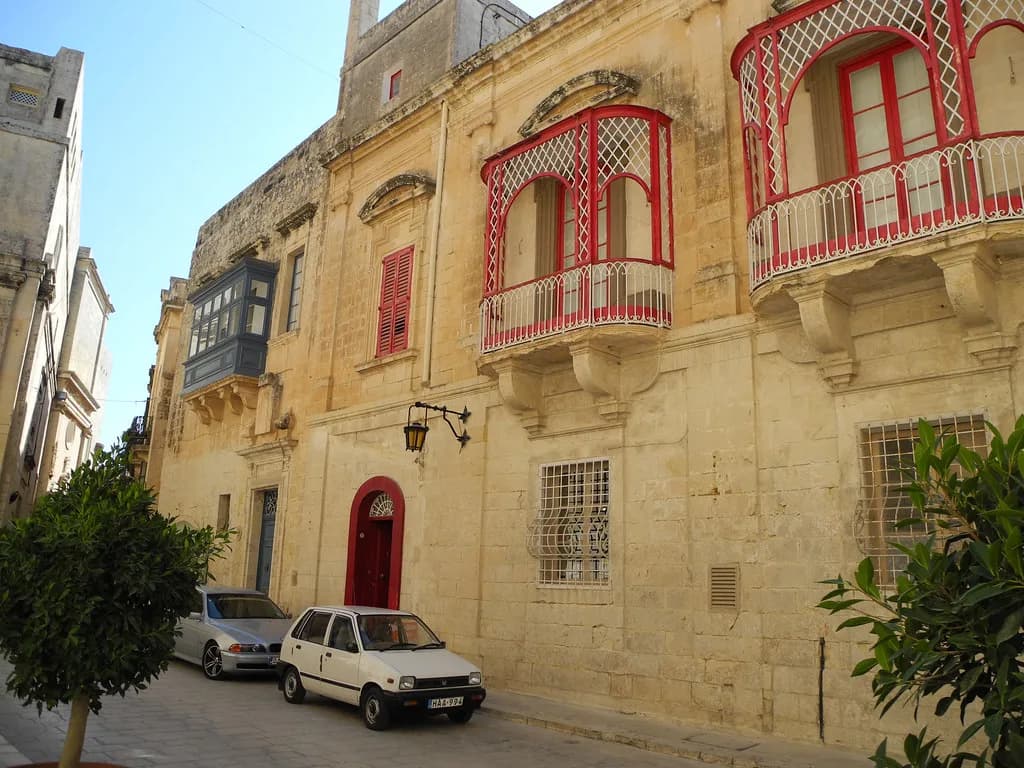
Mdina is a walled city of narrow lanes and Baroque buildings on a hill in the centre of the island, and it is small enough to walk end to end in an hour or so, though the atmosphere rewards a slower pace. Rabat sits immediately outside the walls and makes a natural extension to the same trip. Allow a half day for the pair, or a full day if you add the Hypogeum.
The Ħal Saflieni Hypogeum is the constraint on any Mdina day. It is an underground site with tightly limited entry, and tickets can go weeks ahead, so fix your date before you build the rest of the itinerary around it. If the Hypogeum is full, the Tarxien Temples are nearby and make a straightforward substitute.
The temples: Ħaġar Qim and Mnajdra, Tarxien and Ġgantija
Malta's temple sites spread across all three islands, so pick by area rather than trying to see them all. Ħaġar Qim and Mnajdra share an archaeological park on the south coast, Tarxien sits close to Valletta and the Hypogeum, and Ġgantija is on Gozo. Each needs roughly an hour on site; the south-coast pair takes longer because of the walk between the two temples.
The temple sites are exposed, with little shade between the structures, so midday heat is the real trade-off. Go early or late, carry water, and treat the visitor centre as the place to cool down between the two halves of the park.
The north: Mellieħa, St Paul's Bay and the Mosta Rotunda
The north of Malta is a mix of resort towns and older villages. Mellieħa sits above a bay with the Sanctuary of Our Lady of Mellieħa and the chapel of the Immaculate Conception, while St Paul's Bay and Buġibba form a long built-up strip along the coast. The Mosta Rotunda, inland on the road south, is an easy stop on the way back towards Valletta.
The north works best with a car, because the villages and viewpoints are spread out and bus routes concentrate on the main towns. If you are relying on buses, base the day on Mellieħa and St Paul's Bay and skip the outlying stops.
The south: Marsaxlokk, the Blue Grotto and Għar Lapsi
The south coast is the fishing side of the island. Marsaxlokk is the main village, with a waterfront lined by the traditional luzzu boats, and it is the obvious lunch stop. The Blue Grotto and Għar Lapsi sit along the cliffs to the west, so the three combine into a single southern day.
Boat trips run out to the Blue Grotto from the clifftop slipway, and the sea conditions decide whether they go. Treat the boat as a bonus rather than the point of the day and you will not be disappointed if the water is up.
The south is quietest on weekdays. At the weekend the waterfront at Marsaxlokk fills with visitors, and parking along the harbour road becomes slow, so arrive early if you are driving.
Gozo: Victoria (Rabat), the Citadel (Ċittadella) and the villages
Gozo is a short ferry crossing from the north of Malta but feels considerably slower. Victoria, also called Rabat, is the island's capital, with the Citadel (Ċittadella) on its hill at the centre. From there the villages spread out: Xagħra for Ġgantija, Għarb in the west, and the south coast cliffs at Ta' Ċenċ.
One day on Gozo covers Victoria and either Ġgantija or the coast, but not both at a relaxed pace. Staying overnight is the better choice if the island is a priority, because it removes the return crossing from your day.
Comino and the Blue Lagoon as a day trip
Comino is the smallest of the three islands and has no hotels, which makes it a day trip by default. The Blue Lagoon, the stretch of clear water between Comino and the islet of Cominotto, is the draw, and organised boat trips run from both Malta and Gozo.
The island is small enough to walk around in a few hours, and the views from the paths are the reason to go beyond the lagoon itself. Pick a boat with a fixed return time so you are not tied to a single departure.
How to get between them: car, bus, ferry and boat
A car gives you the remoter sites and the flexibility to move between areas on your own schedule, and it is the practical choice if you want to string together the south coast or the northern villages. Buses are reliable and reach the main towns, but they will not take you to every temple or cliff. For an overview of the island before you decide, start with Things to Do in Malta.
For the harbour, the boat is quicker and better than the road: the ferry and the dgħajsa link Valletta Waterfront with the Three Cities. For Gozo, the ferry from the north of Malta is the standard route, and in summer the queue for the crossing is the thing that eats into your day. Comino is reached by organised boat rather than scheduled ferry.
How long to give each place and how to group them into days
A workable split is one day for Valletta, half a day for the Three Cities by boat, one day for Mdina, Rabat and the Hypogeum, one day for the south coast, one day for the north, and one day for Gozo with Comino as a separate boat day. That is six days before you add the temples, which fit best into the Mdina or south-coast days.
If you have less time, cut the north first: it is the area most easily skipped without losing the island's character. Keep Valletta, Mdina and one boat day, and you have seen the parts that define a first trip.
The trade-offs: heat, ferry queues and cruise-day crowds
Three constraints will shape your days more than anything else. The temple sites are exposed and punishing at midday, the Gozo ferry queue builds in summer, and Valletta's streets fill when cruise ships are in port. Plan the temples for the morning, cross to Gozo early or stay overnight, and keep Valletta for a day when the ships are elsewhere.
Spring is the most comfortable season for walking between sites, with the summer heat and crowds at their worst in the peak months. If you are visiting in summer, build the day around early starts and indoor stops in the middle.
Which area should you book first?
Book the Hypogeum date first, then build the rest of the trip around it: Valletta and the Three Cities on one side, Mdina and Rabat on the other, and Gozo as a full day with an early ferry. Leave the north and Comino as the flexible days if time is tight.
Frequently Asked Questions
What is the currency used in Malta?
Malta uses the euro. Prices in shops, cafés and at ticket desks are quoted in euros, so there is no need to change money if you are arriving from another eurozone country.
Is Malta a walkable city?
Valletta, Mdina and Victoria on Gozo are all compact enough to cover on foot, and walking is the best way to see the gates, squares and churches inside the walls. Between towns and to the temple sites and cliffs, you need a bus or a car.
What kind of food is popular in Malta?
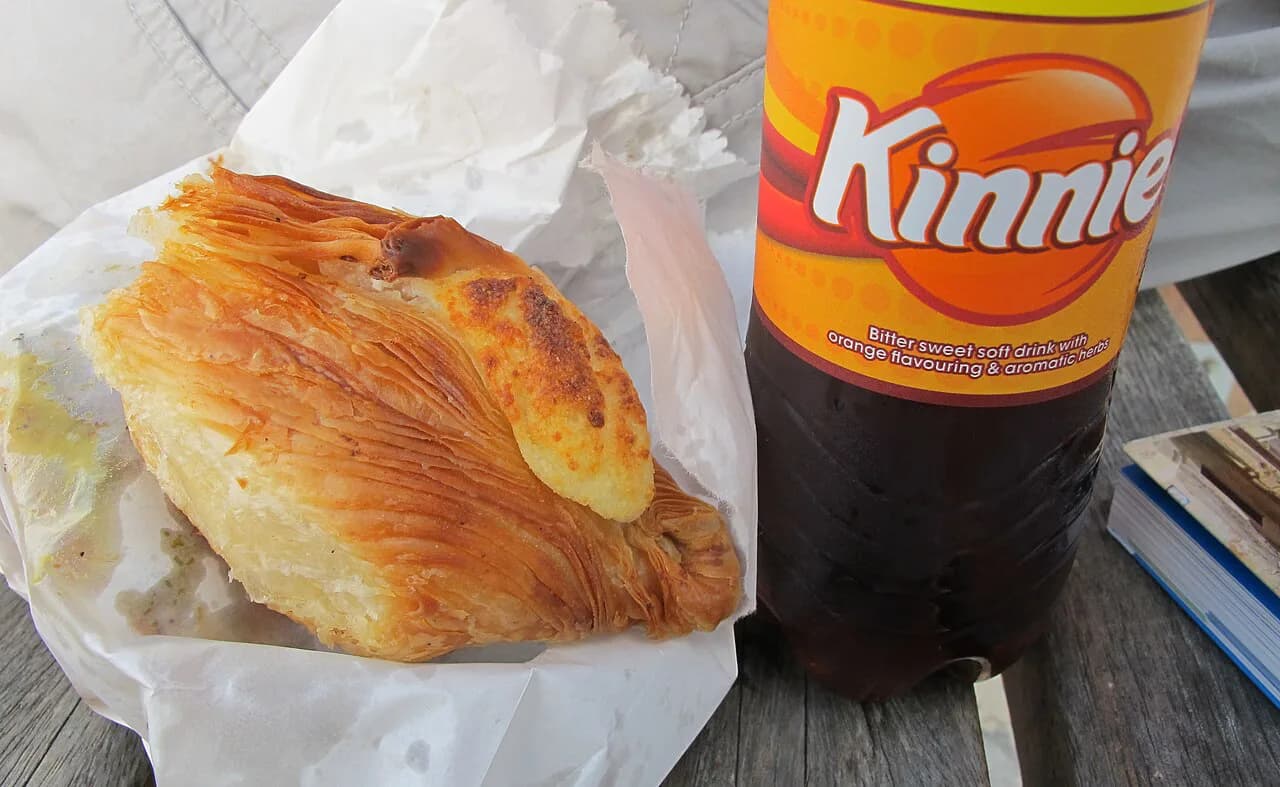
Pastizzi, the flaky pastry filled with ricotta or peas, is the usual quick stop, and the fishing villages such as Marsaxlokk are where the seafood is.
Sources
Notes for your Malta trip
Optional updates when we add or correct a Malta or Gozo guide.
You might also like
Continue reading
More guides you'll find useful