South Malta: What to See, How Long It Takes and How to Get There
South Malta takes in Marsaxlokk's harbour, the Blue Grotto at Wied iż-Żurrieq, the Tarxien Temples and Birgu, and works best as one carefully ordered day.
On this page
South Malta is worth a full day, and the prehistoric sites at Tarxien and Ħal Saflieni sit close enough together to anchor the middle of it. Group Marsaxlokk, Wied iż-Żurrieq and Birgu by how they sit on the map so you never cross the island twice. This guide covers what each place offers, how the sights combine, and what to drop if you only have half a day.
The south stretches from the fishing harbour at Marsaxlokk through Birżebbuġa and the cave at Għar Dalam, west to the boats at Wied iż-Żurrieq and the Blue Grotto, and north into Tarxien and the Three Cities. Distances are short but buses are slow, so a car buys you time and a bus route costs you stops. Pair this with the wider list of places to visit in Malta if you are still deciding how to split your stay.
What the south of Malta covers
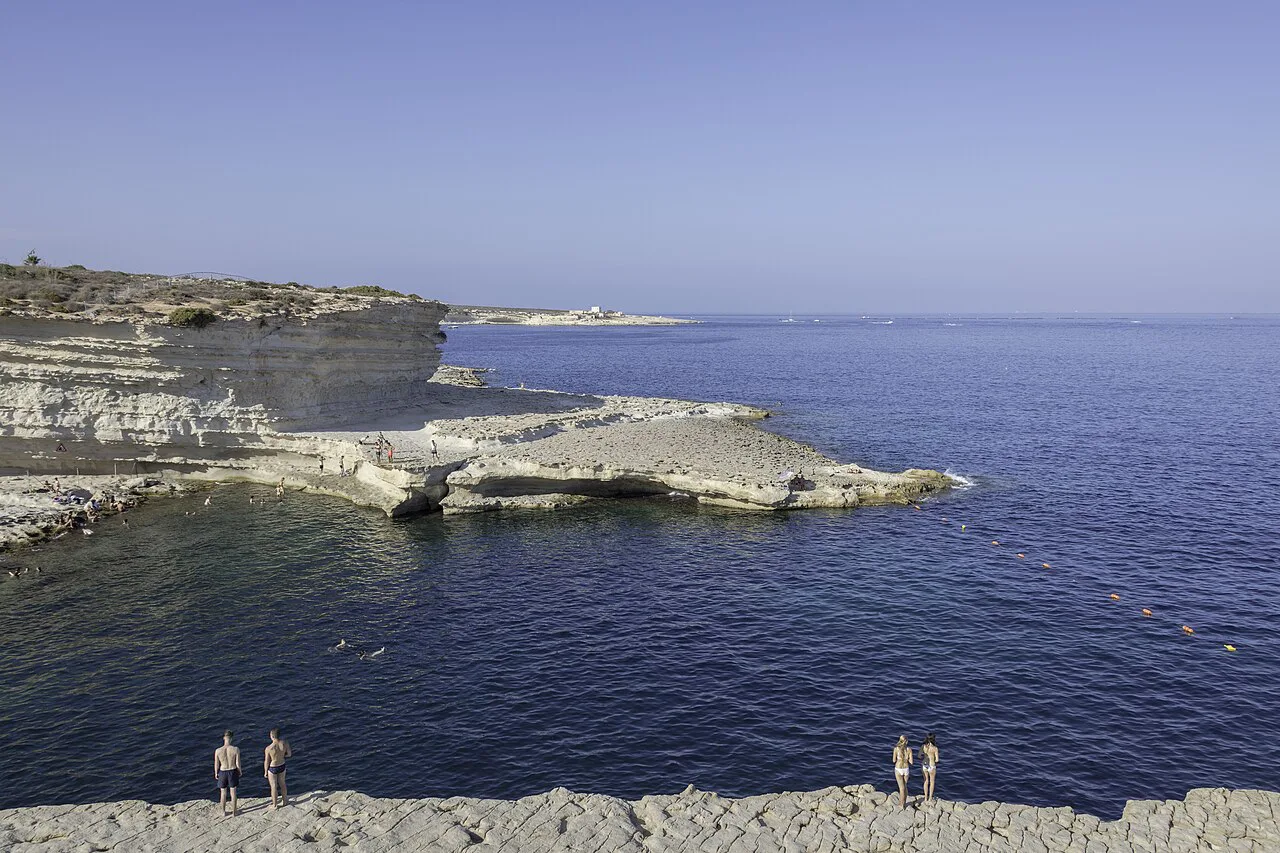
The south-east holds Marsaxlokk with its luzzus and Sunday market, Birżebbuġa with Pretty Bay, and the cave at Għar Dalam on the edge of town. The south-west corner gives you Wied iż-Żurrieq, where small fishing boats run to the Blue Grotto and neighbouring caves. Inland sit the Tarxien Temples and the Hypogeum at Ħal Saflieni, while the Grand Harbour side holds Birgu (Vittoriosa), Senglea (L-Isla) and Cospicua (Bormla) together as the Three Cities.
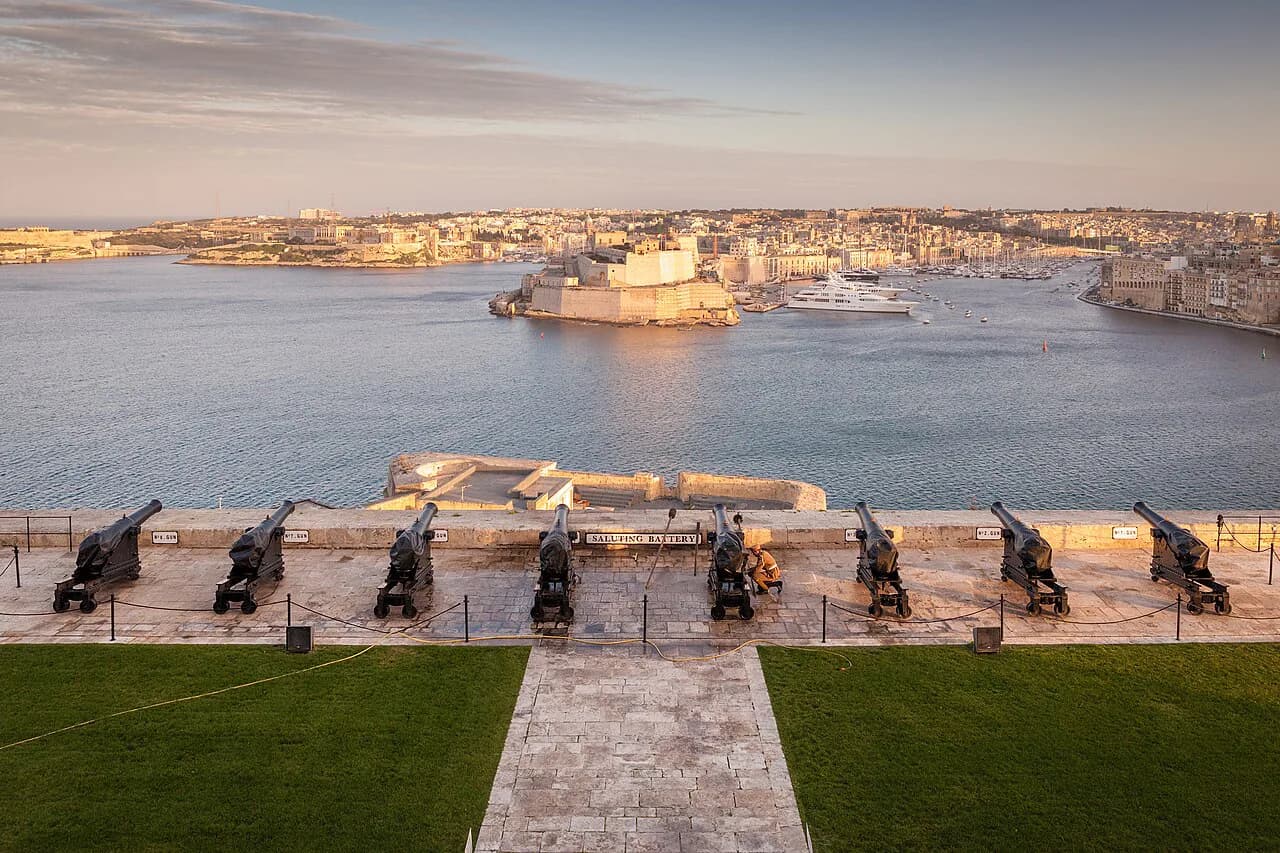
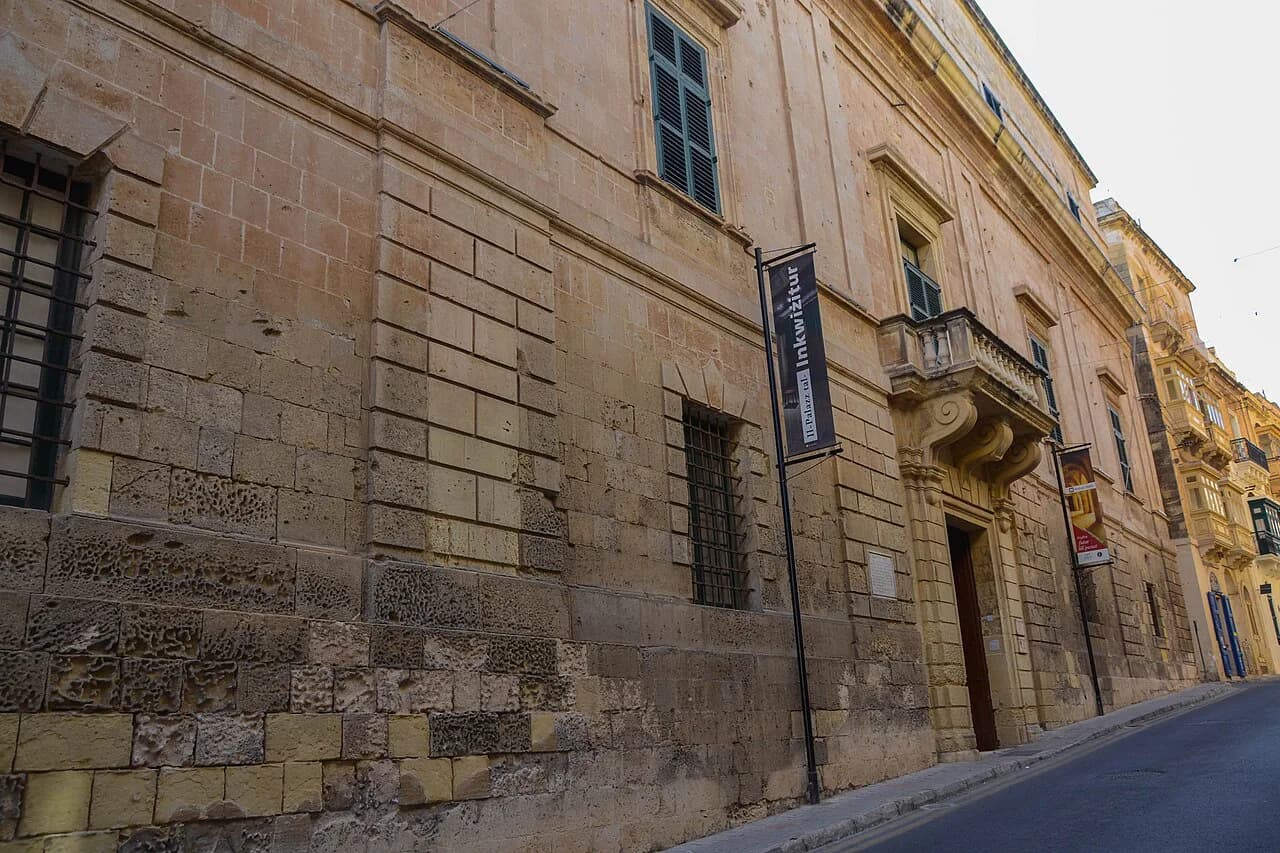
Treat the south as two arcs either side of a central prehistoric core. The harbour villages and the Blue Grotto sit far enough apart that you pick one arc per half-day, and the temples fit between them. Fort St Angelo anchors the whole eastern end: Vittoriosa's compact streets wind around it, with restaurants along the seafront and a yacht marina beside them, and the auberges, the Inquisitor's Palace and the Maritime Museum all sit within the same small city.
How to plan a day: which sights group together
Build the day around one fixed point, then fill the gaps with places that sit close together. A workable order runs Marsaxlokk in the morning, the Blue Grotto boats before the light changes, and Birgu in the late afternoon when the waterfront is at its best. Keep the temples for the early morning and move the harbour villages later.
With half a day, choose one pair rather than three stops. Marsaxlokk plus the Blue Grotto makes a natural coastal run; Tarxien plus Birgu works if you want temples and city streets. Cut Birżebbuġa first, because Pretty Bay is a local beach town rather than a sight in its own right. The full spread of options sits in the Best Places to Visit in Malta, Grouped by Area guide.
Marsaxlokk: harbour, luzzus and the Sunday market
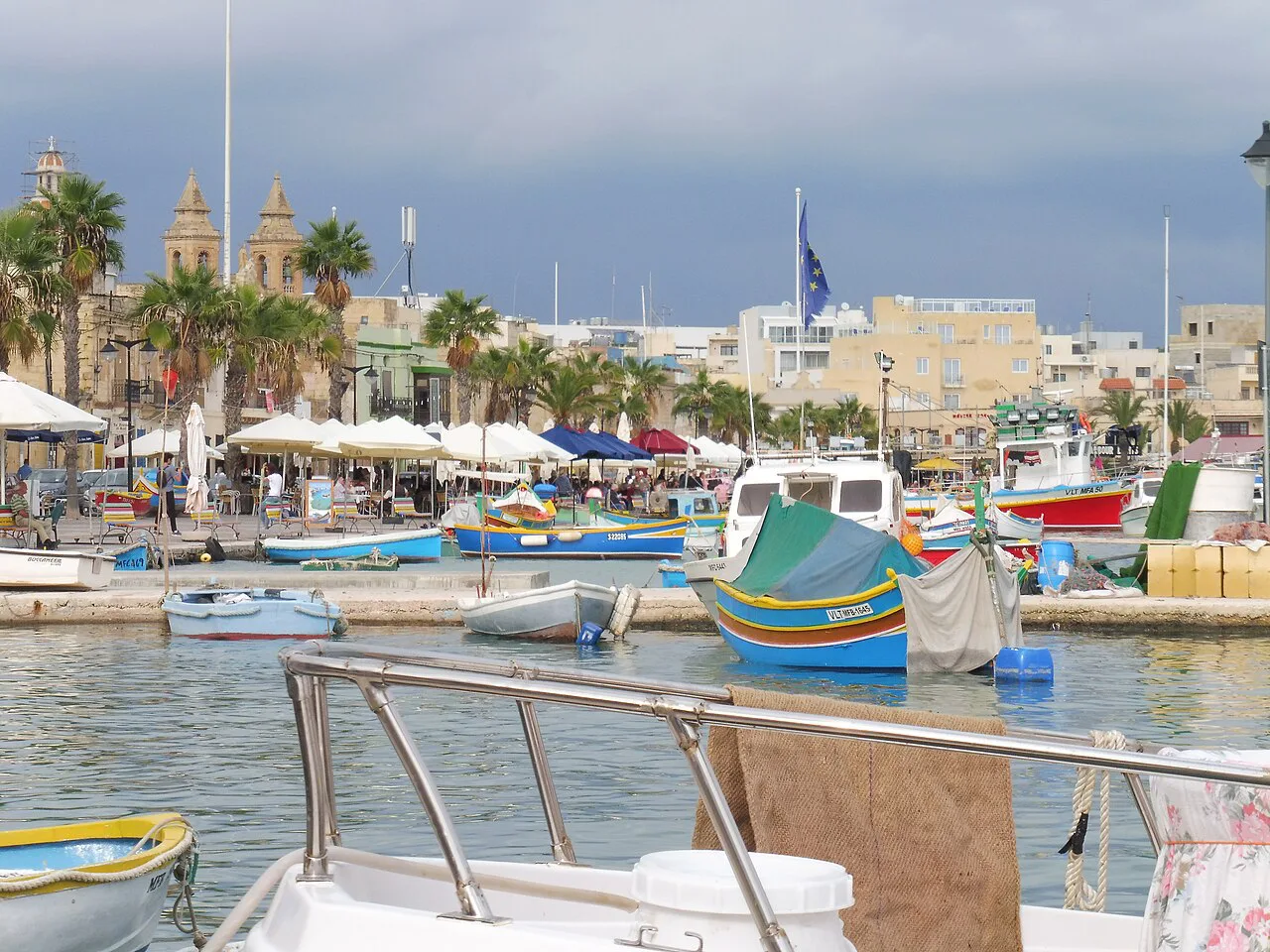
Marsaxlokk is a working fishing village in the south-eastern corner of Malta, known for its painted, eye-marked boats called luzzus and for a Sunday market that began as a fish market. The market now spreads beyond the catch to honey, fruit jams, wine, vegetables, souvenirs and clothes, with hundreds of locals and visitors turning up on market day. That is the trade-off: the atmosphere is at its best on a Sunday, and so are the crowds.
Arrive early on a Sunday if you want photographs of the harbour before it fills, and accept that the waterfront restaurants will be busy at lunch. On other days the village is quieter and the boats still line the quay, which suits anyone who wants the harbour without the market crush. If markets are the point of your trip, compare a few before you commit a morning.
The Blue Grotto from Wied iż-Żurrieq
At Wied iż-Żurrieq, small fishing boats run out to the Blue Grotto itself, an enormous arch covering the entrance to a deep cave system, plus other caves such as Honeymoon Cave, Reflection Cave and Cat's Cave depending on the weather. The water is clear enough that the sea floor appears only metres below the surface. Timing matters more than most stops: the light shines directly into the grotto before mid-morning, when the water takes on its vivid Blue.
Aim to be at the inlet early and hold the plan loosely, since the boatmen choose their route by sea conditions and trips can be curtailed in a swell. The ground around the inlet is open and shadeless, so bring water and a hat if you are waiting. If boat trips are central to your holiday, look at other options around the islands as well.
Tarxien Temples: four linked temples
The Tarxien Temples are thought to date from between 3,600 and 2,500 BC, and the site holds four linked temples built with stone blocks reaching up to three metres by one metre by one metre. A farmer found the site in 1915. Among the finds was a large reclining female figure, considered a fertility goddess, whose original is now in the National Museum of Archaeology in Valletta.
The temples sit in an urban area rather than open countryside, so the visit is a compact walk between carved chambers rather than a landscape experience. That makes Tarxien a good short stop between Marsaxlokk and Birgu. Anyone tempted by the wider prehistoric picture should look at the Ħaġar Qim and Mnajdra temples on the south-west coast and the cave at Għar Dalam.
Ħal Saflieni Hypogeum: the prehistoric neighbour of Tarxien
The Hypogeum at Ħal Saflieni is a separate, below-ground visit from the open Tarxien Temples, sited in the same part of the south. Access is controlled and slots are limited, so confirm what the site requires and book ahead before you set out, then treat any confirmed slot as the spine of the plan. If you cannot get the time you want, swap in Tarxien and build the day around the coast instead.
The Hypogeum sits within easy reach of the Tarxien Temples, so the two pair naturally before you head to the coast. Do not try to squeeze both into a morning with a Blue Grotto boat trip and Birgu; the driving looks short on paper and eats an hour in practice. Travel light and check what the site allows before you set out.
Birgu (Vittoriosa): Fort St Angelo and the waterfront
Birgu, also called Vittoriosa, is the most visited of the Three Cities, with restaurants and eateries along the seafront and a modern yacht marina where large yachts moor. Its main attraction is Fort St Angelo and the fortifications beside it, but the small city rewards a slow walk: narrow winding streets, traditional houses with pot plants on their frontage, and the auberges that housed the different langues of the Knights of St John.
Two further stops sit within the same streets: the Inquisitor's Palace and the Maritime Museum, both part of the density that makes Birgu worth several hours rather than one. The waterfront is the practical place to eat in the south, with the seafront restaurants and the marina on hand.
Senglea (L-Isla) and Cospicua (Bormla)
Senglea, known in Maltese as L-Isla, and Cospicua, or Bormla, sit beside Birgu and belong in the same visit rather than a separate trip. Walk or take a short hop between them to see one coherent block of churches, streets and fortifications.
The Three Cities reward anyone interested in how defensive towns are laid out, and the compact scale makes an afternoon enough for a first pass. Choose two of the three if time is tight, with Birgu the one not to cut. Visitors staying in St Julian's or Sliema should allow for traffic on the approach into the harbour area.
Birżebbuġa and Għar Dalam
Birżebbuġa, on the south coast, is known for Pretty Bay, a sandy stretch that locals and visitors use in summer even with the Freeport visible on the horizon. It is a beach town rather than a sight, so treat it as a pause rather than a destination. The reason to come this far south is the cave at Għar Dalam, close by and easy to add to the same stop.
Għar Dalam preserves the remains of dwarf elephants and hippos in its lower layers, which makes it a different kind of visit from the megalithic temples. The cave is a short detour from Birżebbuġa. Keep expectations modest on the beach side: Pretty Bay is a town beach with the Freeport visible on the horizon, not a remote cove.
Getting around the south
A car gives you the most control if you are fitting Marsaxlokk and the Blue Grotto into one day, and it removes the risk of waiting for a slow bus on a hot afternoon. Buses reach the main villages but add time between stops, which matters most when you are crossing from the south-east to the south-west.
If you want a fixed route with commentary rather than planning connections, a hop on hop off service covers the main stops without you driving. The trade-off is that you follow someone else's schedule, so check timings against your own plans.
Midday heat at temples and the open grotto
The temple sites and the ground around Wied iż-Żurrieq offer very little shade, so the middle of the day is the wrong time to be standing in them. Put the temples early, the grotto before mid-morning for the light, and keep the shaded streets of Birgu or a museum for the hottest hours. A hat, water and a slower pace will do more for your day than a tighter itinerary.
Anyone who wilts in heat should also think about the walk between the Hypogeum and Tarxien, which is short but exposed. Save the harbour and waterfront for the afternoon, when the sun is lower and the restaurants are open. For a gentler late slot, plan an evening by the water and look at where to watch the sunset.
Where to eat in the south
Marsaxlokk and the Birgu waterfront are the two practical places to eat, and both are busiest at lunch on market day and weekends. In Marsaxlokk the restaurants line the harbour where the market meets the main square, with tables looking onto the boats. In Birgu the seafront and marina put you within reach of restaurants without a detour.
Expect tourist pricing at the harbourside tables on market day and check the menu before you sit down. For a cheaper, quieter meal, eat before or after the market rush, or head back towards the Three Cities where the crowd thins out. If you want variety across a longer stay, look at the rest of the things to do in Malta, where the food stops spread beyond the south.
What to leave out if the south is your only day trip
If one day is all you have beyond Valletta, pick a single route: Marsaxlokk, the Blue Grotto and Birgu in that order. Leave out Birżebbuġa, Għar Dalam, Senglea and Cospicua, which reward a second visit more than they fit a first one. Trying to cover the whole south in a day means spending it in a car.
The alternative is to split it: prehistoric temples and the Hypogeum on one day, the harbour villages and the Three Cities on another. That also gives you room for a boat trip without rushing back. Anyone planning a wider loop around the island should cross-check the rest of the places to visit before committing the day.
Which order should you book in?
Fix the Hypogeum or the temples first, then build the coastal and Three Cities stops around them. If neither is available, build the day around Marsaxlokk in the morning and Birgu in the afternoon, with the Blue Grotto boats early. Either way, group places by side of the island rather than ticking off the biggest names.
The south rewards patience more than speed: fewer stops, earlier starts and an afternoon on the waterfront will give you a better day than a packed list. Decide what single sight matters most, protect the time for it, and let the rest of the route flex.
Explore more Malta guides
Sources
Notes for your Malta trip
Optional updates when we add or correct a Malta or Gozo guide.
You might also like
Continue reading
More guides you'll find useful