Shopping in Malta: Where to Go and What to Buy
Work out where to shop in Malta, from Valletta's Republic Street to Sliema's malls and village markets, and which local crafts and foods are worth buying.
On this page
Shopping in Malta works best when you shop the Maltese day rather than your own: most shops trade Monday to Saturday in a morning stretch and again from late afternoon, and many close on Sunday, so a midday detour can leave you looking at shutters. Base each shopping session on Valletta for high-street brands and side-street boutiques, or on Sliema if you want air-conditioned malls in one walkable cluster. This guide covers where to go by area, which markets run when, and what is genuinely worth buying, from silver filigree to supermarket wine.
Treat shopping as one strand of a day rather than the whole day. Valletta's grid is compact enough to combine with a church or museum, and the Sliema seafront walk links the malls to the ferries without a bus. If you are still choosing which towns deserve your time, the guide to the best places to visit in Malta groups them by area.
What shopping in Malta is actually like
Plan around split hours. Shops generally open Monday to Saturday from 9am to 1pm and again from 4pm to 7pm, with exceptions, and many close on Sunday. That means a 2pm browse in a village centre often fails, while late afternoon is the reliable window. Check a shop's own listing before making a special trip, since tourist-area outlets sometimes stay open longer.
The offering splits into three types: malls with international high-street brands, pedestrianised city streets with the same names plus local boutiques, and open-air markets selling clothing, household goods and food. Malta has no mega-malls, so expect a manageable scale rather than a full-day retail complex. Most towns have a market of some kind, which makes a village stop worthwhile even outside the main shopping districts.
Budget shoppers should look at food and drink rather than souvenirs. Supermarket wine, local spices and Italian skincare cost far less than gift-shop equivalents and travel better. Sales run at points through the year, with discounts after Christmas and a main sale season in January and March.
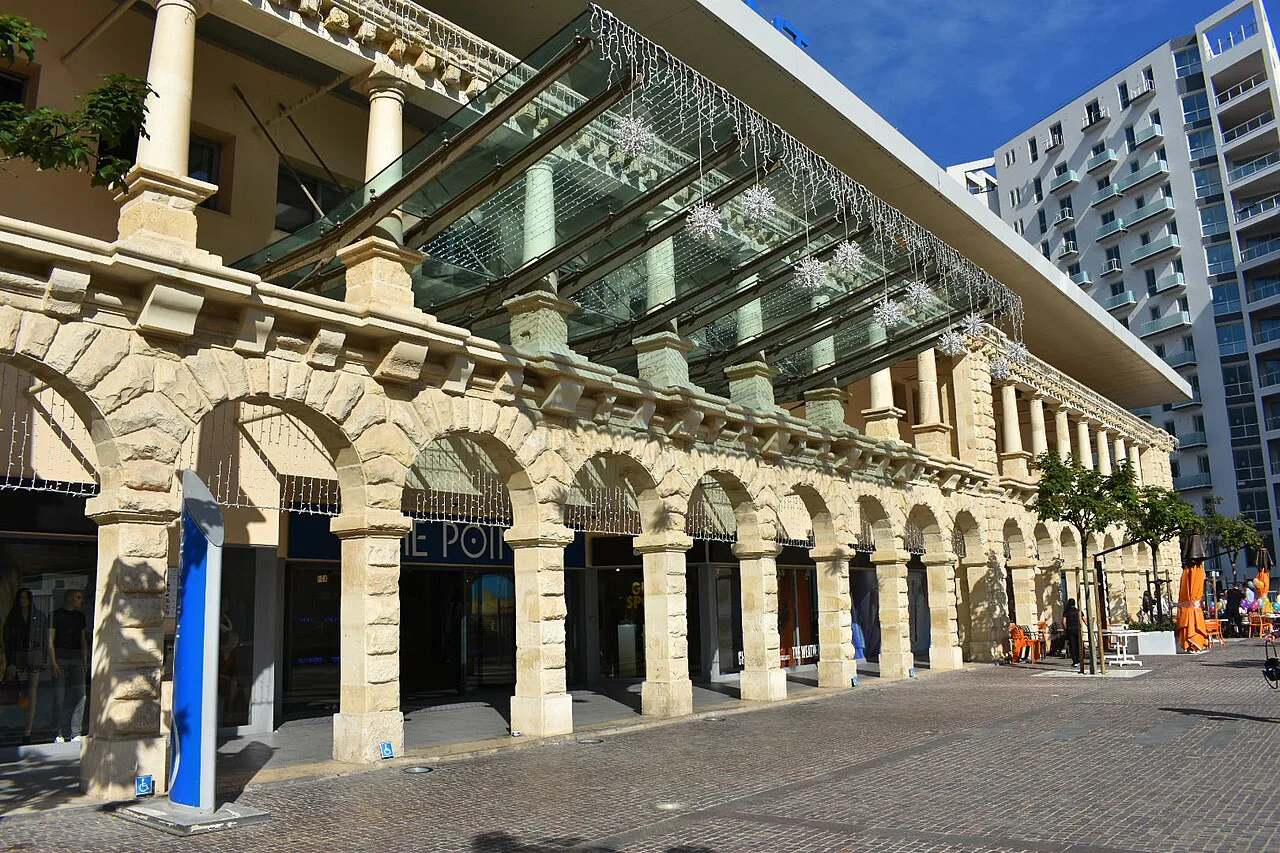
Valletta: Republic Street, Merchants Street and the side streets
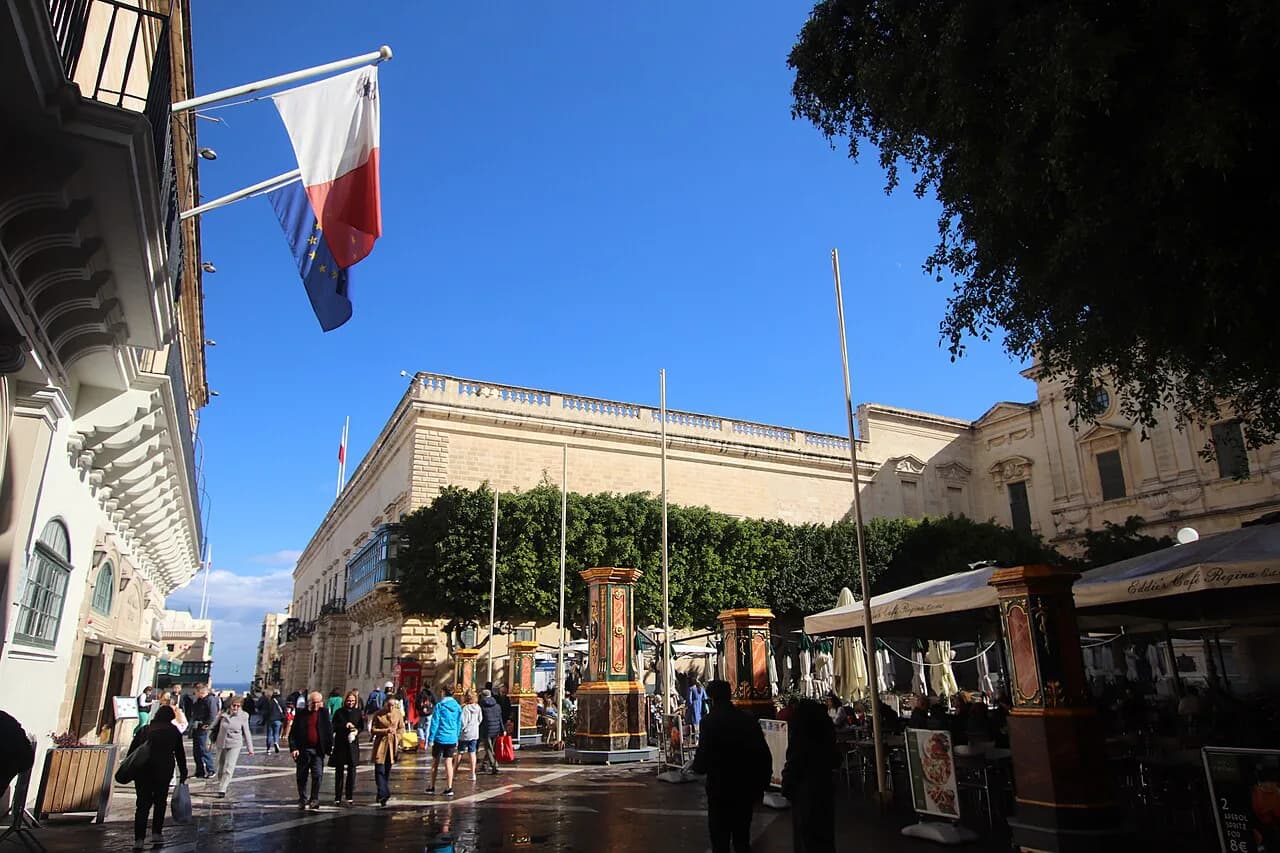
Valletta is the strongest single stop for browsing. Republic Street is a pedestrianised spine of high-street brands, and Merchants Street, also pedestrianised, carries its own names. Walk both if you want mainstream clothing and accessories in one sweep.
For souvenirs and smaller local shops, turn off the main streets into South Street and St Lucy's Street, where traditional boutiques suit bargain-hunting. This is where you find the kind of souvenir that is not a fridge magnet. Give the side streets at least as much time as the main drag.
Two small complexes, the Embassy Shopping Complex and the Savoy Shopping Mall, add high-street names and trend-led items under one roof if the heat or rain turns. Pair a shopping morning with a look at St John's Co-Cathedral nearby and you have a full Valletta day without a bus.
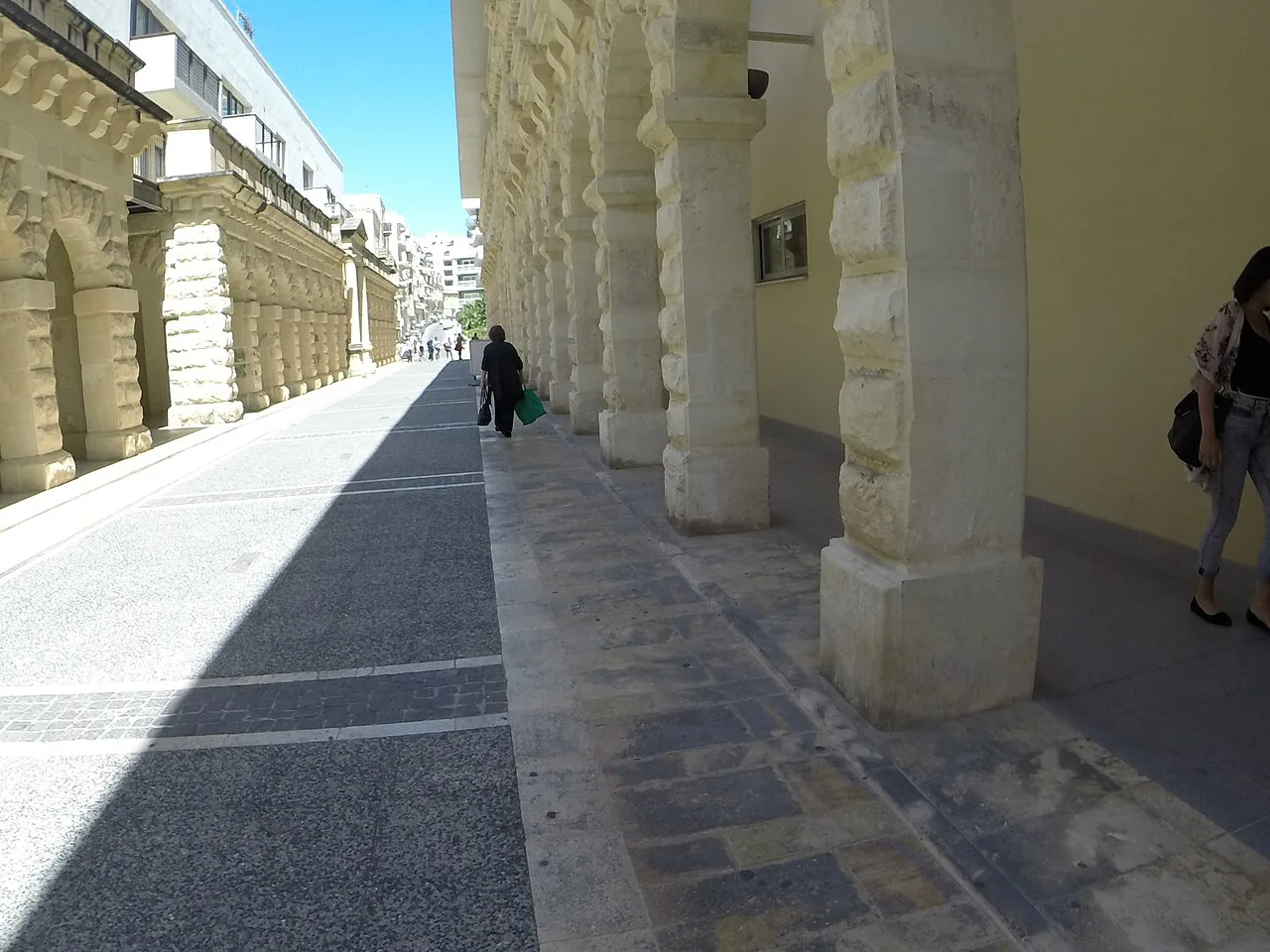
Il-Monti market in Valletta
Il-Monti is Valletta's main open-air market, running daily from 8am to noon, and it sells clothing, books, DVDs and household items at bargain prices. Go early: by noon the stalls are packing up, and the market competes with the same morning window as the shops. Bring cash and expect to rummage rather than browse.
If markets are the point of your trip, plan the week around them rather than fitting one in. The Marsaxlokk market runs on Sunday mornings, which is also when many ordinary shops shut, making it a sensible Sunday substitute. The wider round-up of Malta markets sets out which villages hold one and when.
Sliema: The Point at Tigné Point versus Bisazza Street and The Ferries
Sliema has two shopping zones that are close but distinct, and picking one saves you a trudge. The Point, at Tigné Point, is a modern mall with international brands, electronics stores and cafés, and its rooftop terrace looks across to Valletta. Underground parking makes it the easy option if you have a car.
The second zone is the street shopping around Bisazza Street and The Ferries, where most major international high-street brands have stores. The sensible route is to start at The Point and walk along the seafront to the street shops, rather than shuttling between them. That walk also puts you on the promenade towards St Julian's.
The larger malls, The Point and The Plaza, sit in Sliema and both carry designer and high-street clothing alongside books, accessories and homeware. In summer the air-conditioning is the real attraction. Do not expect a sprawling mall district: it is a compact, walkable pair of stops.
St Julian's, Mosta and Kalkara: the out-of-centre malls
Bay Street Shopping Complex at St George's Bay in St Julian's mixes fashion with a cinema, laser tag and a children's play area, so it suits a group with different priorities. Mercury Towers, also in St Julian's, adds a public Plaza, high-end shops and dining in a design-led building. Both are worth a detour if you want shopping with something else attached.
PAMA Shopping Village in Mosta combines a hypermarket with fashion and homeware stores, which makes it the practical stop for groceries and household goods rather than gifts. The Shoreline at SmartCity in Kalkara is a waterfront complex with fashion, entertainment and dining, useful if you are already in the south-east. Neither is a substitute for Valletta's side streets if you want local crafts.
Gozo: Arkadia Mall and the Duke Shopping Centre in Victoria
A Gozo day does not have to be a shopping dead loss. In the centre of Victoria, the island's capital, Arkadia Mall and the Duke Shopping Centre give you a concentration of shops that locals use for everyday buying. Both sit within the town, so you can combine them with the Citadel and the streets around it.
Expect a functional rather than destination experience: this is where you pick up clothing, pharmacy items and supermarket stock, not where you hunt for artisan ceramics. If your Gozo day is built around the Citadel and views, Victoria works as the shopping and lunch stop in the middle. Getting there from the ferry terminal is a short bus or drive.
What to buy: filigree, ceramics, glass and lace
Silver filigree is the standout local craft: delicate, handmade work sold by artisans, including at the Artisans Center at 288 Republic Street in Valletta, which also carries other handmade metal pieces. Buy from a craft shop rather than a general souvenir stall if you want the real thing. It packs flat, which matters if you are travelling with hand luggage only.
Handmade tiles and ceramics are popular, but mass-produced souvenirs imitate them closely. Look for a seal or label confirming the piece is genuinely handmade, and ask the seller directly. Maltese glass, weaving, pottery and handmade lace are the other craft categories worth seeking out, and the Ta' Qali Crafts Village on the outskirts of Rabat lets you watch craftspeople working on site.
Be sceptical of very cheap 'local' pieces: much of the low-cost stock is imported handicraft. The trade-off is price against provenance, and the honest middle ground is buying fewer, better pieces from shops that can tell you who made them. Cash can occasionally earn a small extra discount in small shops, though it is not guaranteed.
Food and drink to bring home
Wine is the best-value edible souvenir. Local bottles bought from a grocery store rather than a gift shop cost a fraction of souvenir pricing; one shopper paid 2.69 euros for a San Paolo white and 4.54 euros for a Citadella Rosé in 2024. Treat those as an indication of grocery pricing, not as today's shelf prices.
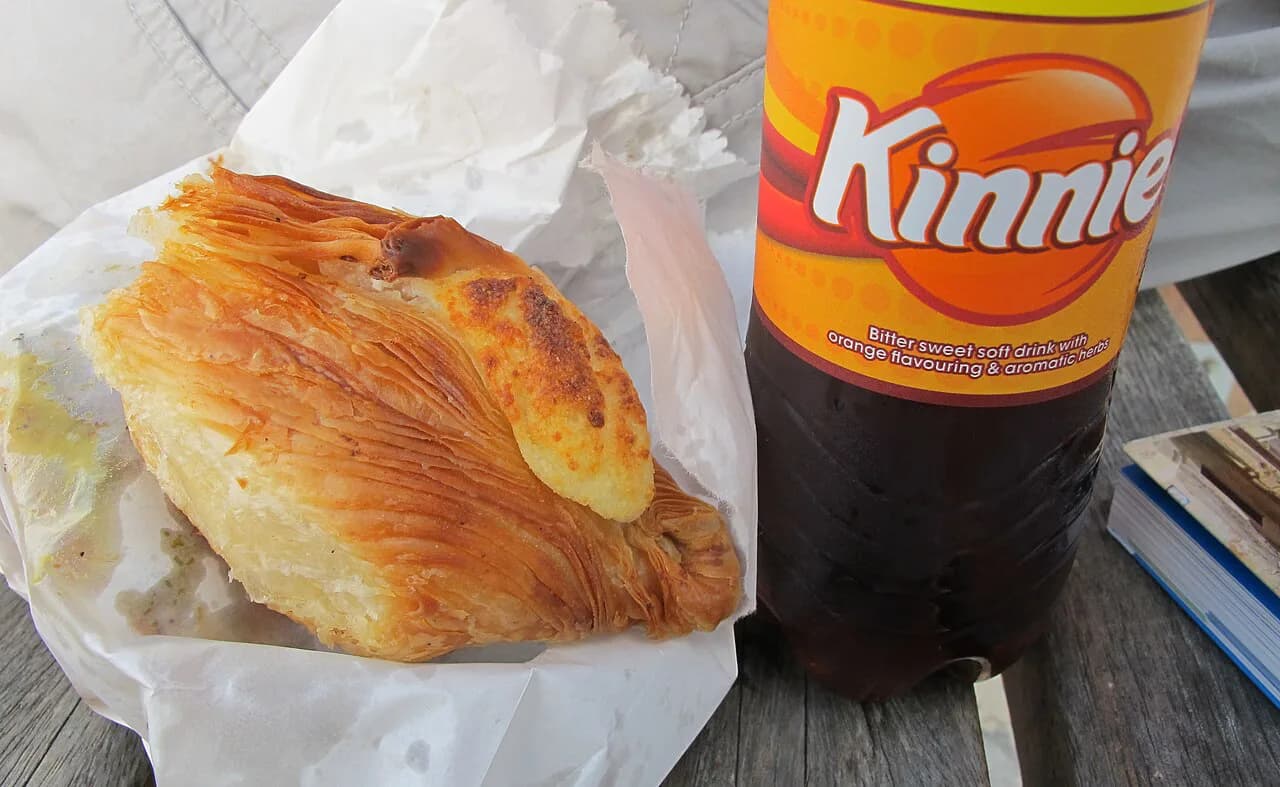
Rabbit seasoning is a practical, lightweight buy given how common rabbit dishes are, and local supermarkets stock it alongside Italian brands such as Tesori D'Oriente skincare that are cheaper here than at home. Cactus liqueur comes in small souvenir packs that suit gifts. Buy food at the end of the trip so it survives the journey.
Markets and crafts: Marsaxlokk, Ta' Qali and the farmers' market
Ta' Qali is two separate stops with different days, and confusing them wastes a trip. The crafts village sells traditional work made on site and is the place for glassware and gifts. The farmers' market runs on Saturdays and Tuesday afternoons, so check which day you are there before setting out.
For fish and food, Marsaxlokk's Sunday morning market is the one to build a day around, and it pairs naturally with a southern lunch. Village markets elsewhere are smaller but give a truer slice of ordinary Maltese life. Grocer's vans selling fresh fruit and vegetables are another low-key option if you are self-catering.
Airport duty free and last-minute buys
Malta International Airport has a duty-free selection of perfume, cosmetics, alcohol and tobacco, plus a collect-on-return service for passengers coming back to Malta. It is a reasonable fallback for a forgotten gift, not a reason to arrive early. For anything craft-related, buy in Valletta or at Ta' Qali instead.
If you want a broader set of stops in one place, the directory of shopping categories covers everything from jewellers to shoe shops and toy shops across Malta and Gozo. Use it to check that a specific shop still exists before you travel to it, since shop names and locations change.
Which shopping day should you actually plan?
Pick one anchor per day and build around it. For a first visit, spend a morning on Valletta's Republic Street and Merchants Street, then work the side streets for boutiques and finish at Il-Monti before noon. If you want malls and air-conditioning, choose Sliema and do The Point followed by the seafront walk to Bisazza Street and The Ferries.
Only plan a dedicated shopping trip for Gozo or the out-of-centre malls if you have spare days, since Valletta and Sliema cover most needs. Buy crafts from makers, budget for supermarket wine and spices, and confirm opening hours on the day. The Malta map helps you judge travel distances between the zones before you commit.
Explore more Malta guides
Frequently Asked Questions
Does Malta have a Zara?
Zara appears among the international brands listed in Sliema around Bisazza Street and The Ferries, and Zara Home is listed at PAMA Shopping Village in Mosta. Brand line-ups change, so check the individual store's own listing before travelling to a specific branch.
What is the cheapest thing to buy in Malta?
Food and drink bought in supermarkets rather than gift shops is the best-value category: local wine, rabbit seasoning and Italian skincare all cost less than souvenir equivalents. Market stalls such as Il-Monti also sell clothing and household items at bargain prices.
Are shops open on Sundays in Malta?
Many shops close on Sunday, though some outlets in busy tourist areas stay open. The reliable Sunday options are markets, notably Marsaxlokk in the morning, so plan Sunday around a market rather than a mall.
Sources
Notes for your Malta trip
Optional updates when we add or correct a Malta or Gozo guide.
You might also like
Continue reading
More guides you'll find useful