The Malta Islands: Malta, Gozo and Comino Explained
Malta, Gozo and Comino are the main Maltese islands, with smaller uninhabited islets around them. Here is what each one offers and how they connect.
On this page
Malta, Gozo and Comino are the three inhabited islands at the heart of the Maltese archipelago, and a single trip can reasonably cover all three. Malta is the main island and the base most visitors use, with the harbour capital Valletta and the walled city of Mdina as its anchors; Gozo is slower and greener, centred on Victoria; Comino sits between them and is small enough to see in a day. This guide explains what each island is actually like, which towns to plan around, and how the ferry and boat links work, so you can decide how to split your time.
Which islands make up the Maltese archipelago
Beyond the three inhabited islands, the archipelago includes a number of smaller islets, among them Filfla, Manoel Island, Cominotto and the islands of Saint Paul. Manoel Island sits in the harbour between Gżira and Valletta and is the one most visitable, while the others are more commonly seen from a boat or the coast. For planning, the practical point is that they are not places to build a stay around.
The group sits south of Sicily, between Europe and North Africa. The BBC country profile places Malta in that in-between position, and it is the reason the harbours, food and architecture read as a mix. For planning, the practical point is simple: you fly into Malta and work outward, because the other islands are reached by water.
Malta: the main island, Valletta and Mdina
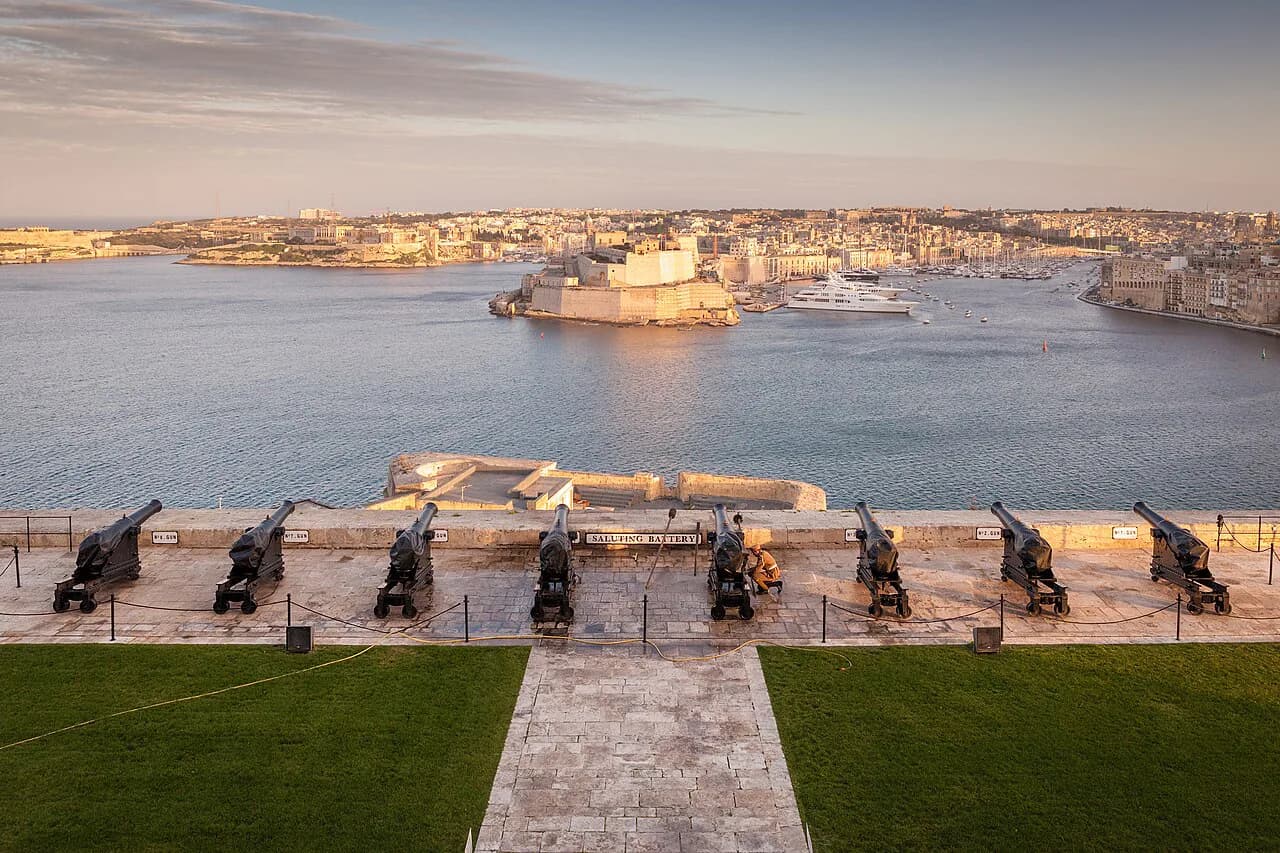
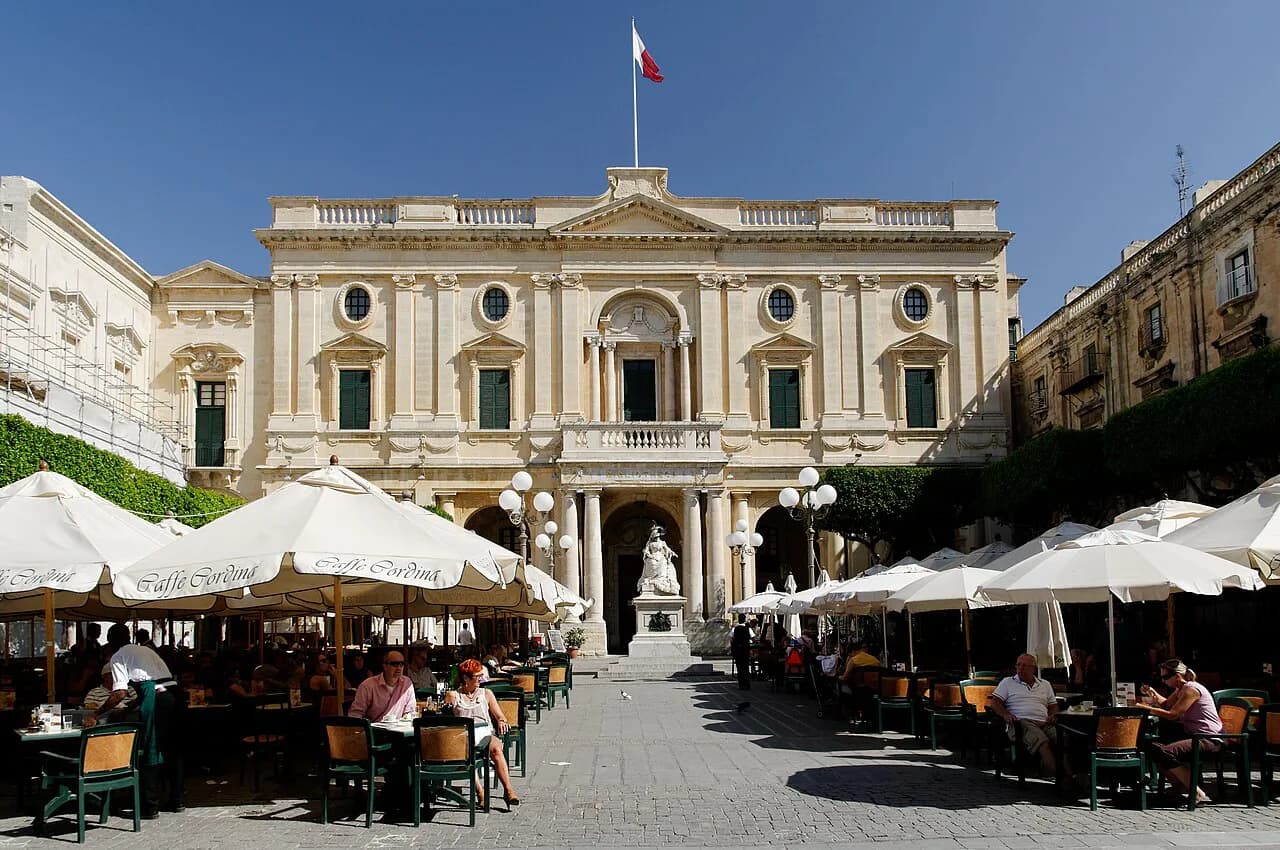
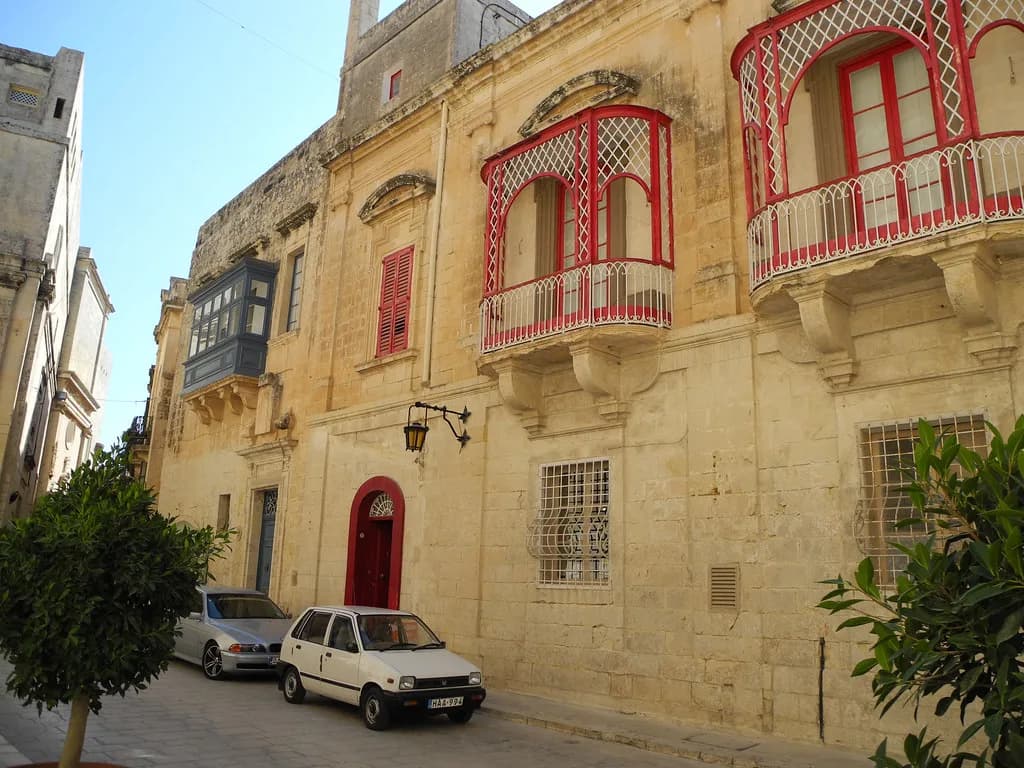
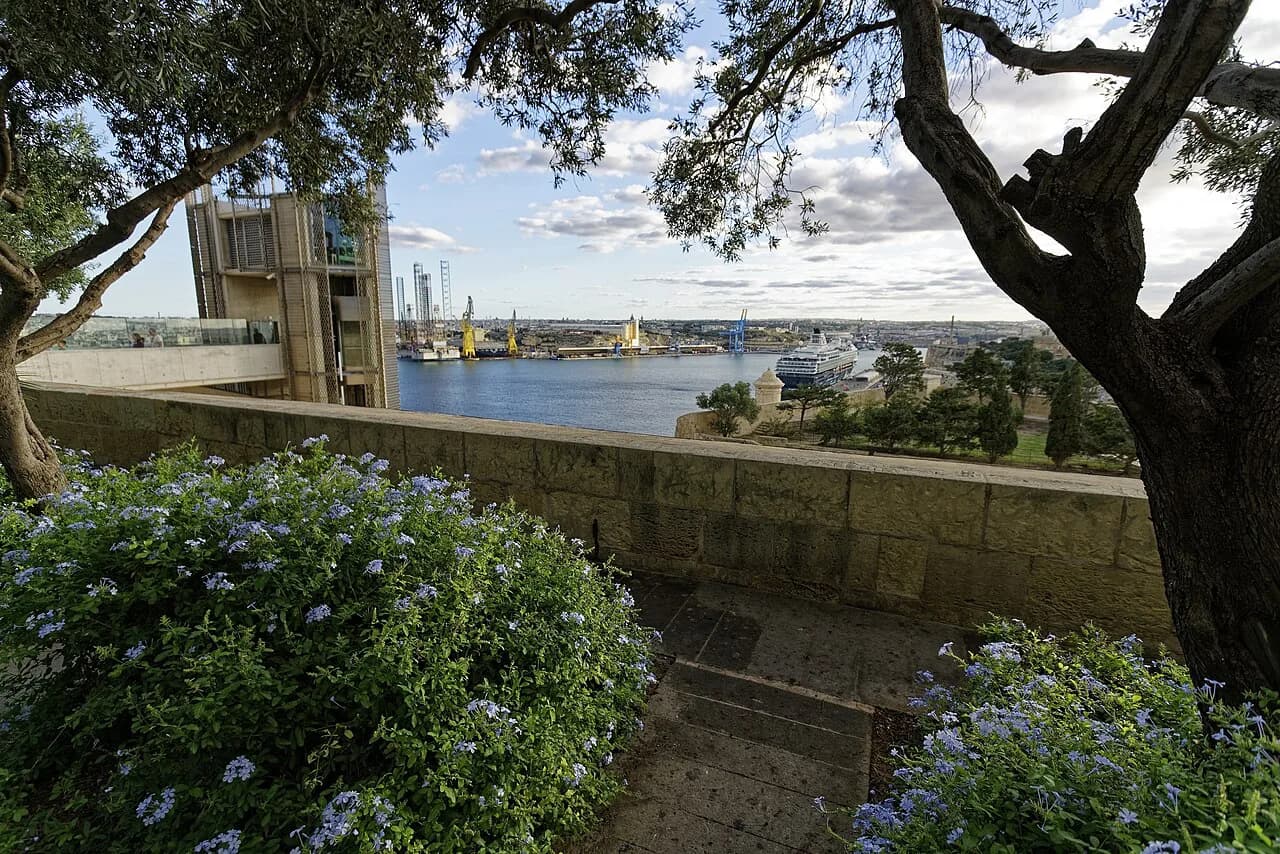
Malta is where almost every trip starts and where most of the sightseeing sits. Valletta, the harbour capital, is the dense baroque city to explore on foot, while Mdina is the walled city inland that rewards a half-day of slow walking. If you want a single page to build the sightseeing list from, our guide to the things to do in Malta covers the headline stops and how long each one takes, and works as a starting point before you commit days to one area.
The main island's towns run along the coast, each with a different character. Valletta is the harbour capital, Mdina the walled city inland. St Julian's and Sliema on the east side are busy seafront places, while Mellieħa to the north is the quieter, sandier end. Buġibba and Qawra make up the St Paul's Bay strip. Which town you pick on Malta is the main planning decision, because it shapes how much of your day goes to travelling rather than seeing.
The island is compact, which is what makes day-planning easy: GoToBeach describes it as roughly the size of the Isle of Wight, with nothing more than about 45 minutes from the airport. Read that as a rough planning figure rather than a guarantee, because traffic around the harbour towns and summer queues change the reality. The upside is that you can base in one place and still reach Valletta, Mdina and the north without moving hotels.
For a first sense of how Valletta, Mdina and the coast fit together, our grouping of the best places to visit in Malta by area helps you avoid zig-zagging across the island. Pair it with a Malta map when you plan the order of days, because the distances look small but the buses and one-way streets do not always cooperate.
Gozo: the quieter second island and Victoria
Gozo is the second inhabited island and the one that slows the trip down. Victoria, also called Rabat by many visitors, is its capital and the natural centre for a day on the island, with the Citadel (Ċittadella) on the hill above the town. Plan Gozo as a full day at minimum if you are crossing from Malta, and longer if you want the villages of Xagħra or Għarb rather than a quick loop.
The trade-off is straightforward. Malta gives you more museums, more restaurants and more transport options; Gozo gives you space and a pace that suits travellers who would rather see two villages properly than five sights quickly. If your trip is short, Gozo is the island to drop when you are squeezed, not the one to cram into a half-day.
Comino: the small island between Malta and Gozo
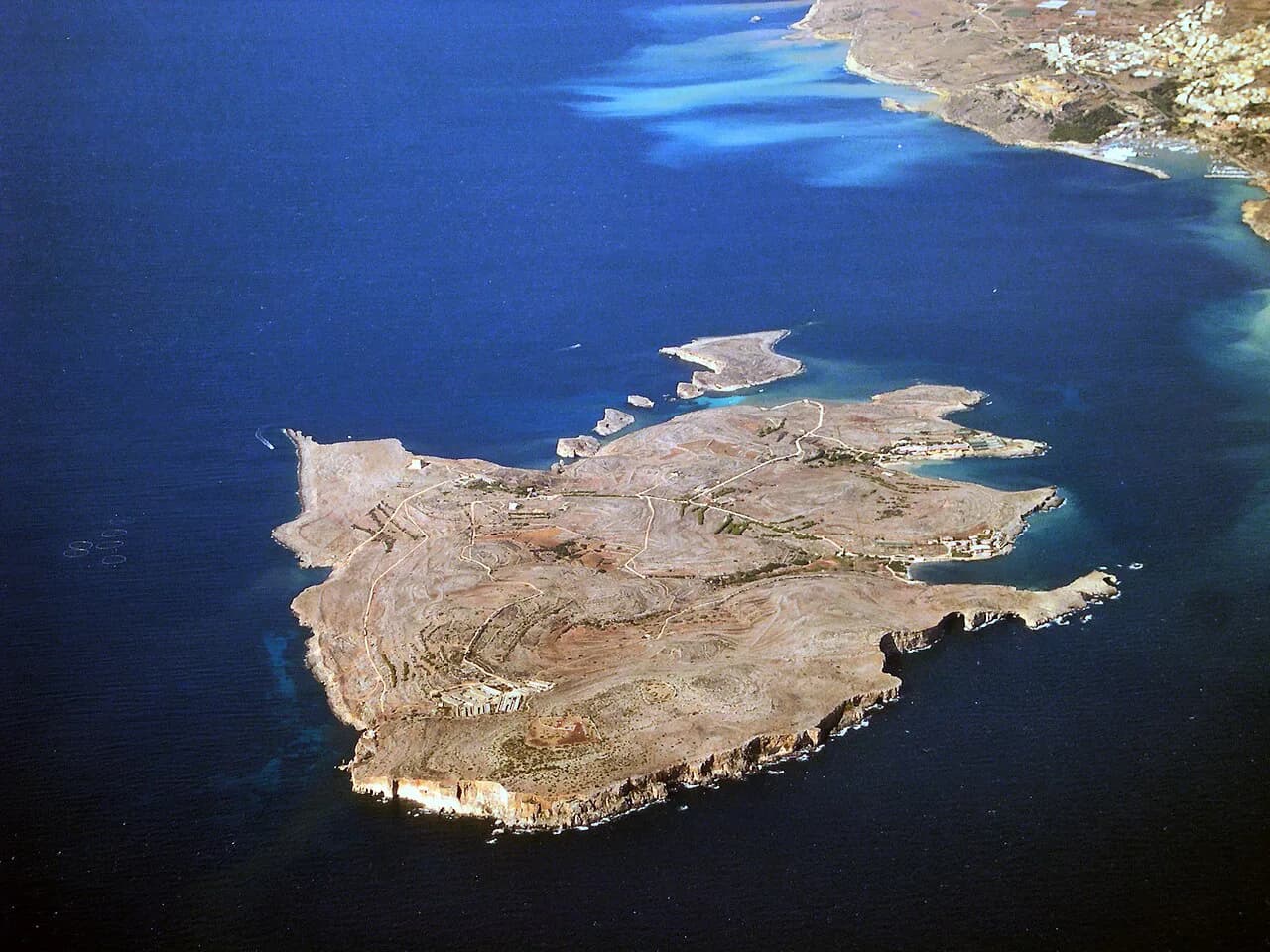
Comino lies between Malta and Gozo and is small enough to treat as a day out rather than a base. Most visitors arrive by boat, often from the St Paul's Bay area, where trips to Comino leave from the promenade in Buġibba and Qawra. Because the crossing is by boat, the weather decides your day, so keep Comino flexible in the plan rather than fixed to a particular date.
If Comino and the boat crossings are a priority, it is worth reading up on Malta boat trips before you book, since the operators, departure points and what is included vary more than the brochures suggest. Check the operator's own details for departure times and what the ticket covers, because they change with the season.
The uninhabited islets, including Filfla, Cominotto and St Paul's Islands
The small islets are best understood as scenery rather than destinations. Filfla sits off the south coast, Cominotto beside Comino, and the islands of Saint Paul off the north-east coast near St Paul's Bay. A boat trip that passes them is the realistic way to see them.
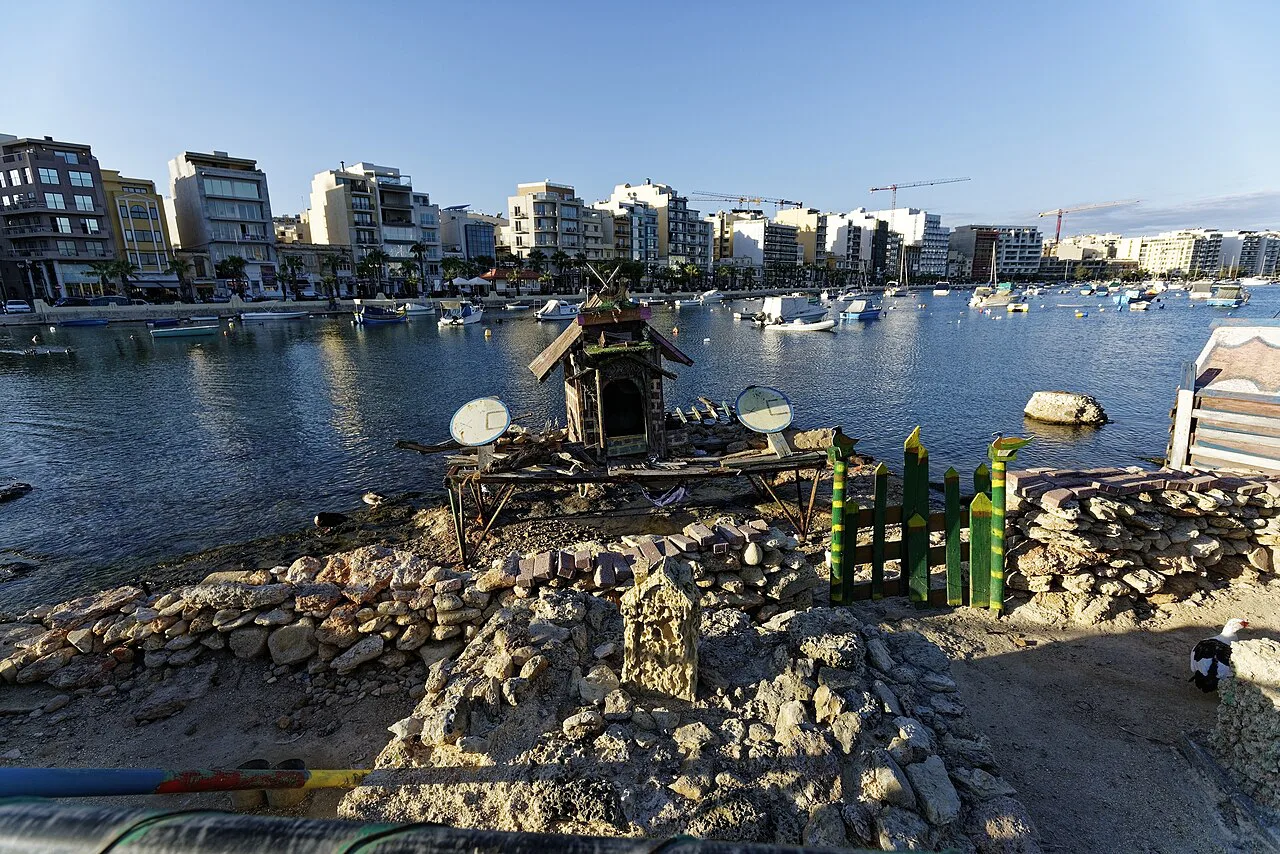
Manoel Island is in the harbour between Gżira and Valletta, which makes it a natural part of a harbour day rather than an island excursion.
How the islands connect: ferries and boats
The links between the islands are the key planning decision, not an afterthought. Malta to Gozo is normally done by ferry, with the crossing forming part of the day rather than a quick hop, and summer queues are the known friction point. Comino is reached by boat, often on a trip that includes a stop rather than a scheduled service, so book with the operator and confirm the return leg before you go.
For a wider view of how the harbour and the road network fit together, use our Malta map before you commit to a base, so you can weigh the ferry, bus and driving options against your plans.
If you would rather not plan transport at all, a hop on hop off Malta route can cover the main sights on the main island in a day, though it will not get you to Gozo or Comino. Use it for orientation early in the trip and then travel independently once you know what you want to return to.
Which island suits which kind of trip
Choose Malta if this is your first visit, if you want the museums, churches and harbour city in easy reach, or if you have only a few days. Choose Gozo if you have already seen Valletta and want a slower day with villages and the Citadel, and accept the ferry time as part of it. Choose Comino as a day out when the weather is settled and you want time on the water rather than another city street.
A sensible shape for a week is three or four nights based on Malta, one full day for Gozo and one for a boat day that takes in Comino. That leaves room for Valletta, Mdina and a half-day in the harbour towns without rushing. If your time is tighter, drop Comino first, since the crossing depends on conditions.
Practical points: language, currency and getting around without a car
Buses and ferries cover the main routes between Malta's towns, and the harbour towns and villages are walkable once you arrive. The caveat is that bus journeys to the further villages take longer than the map suggests, so build slack into the day.
The currency is the euro, and English is widely used alongside Maltese, so language is not a barrier for planning. Prices for tickets, ferries and meals are best checked with the operator or venue, as they change with the season and are not fixed from year to year.
Which Maltese island should you base on?
Base on Malta unless you have a specific reason not to. It gives you the widest choice of towns and the easiest access to Valletta, Mdina and the boat crossings for the other islands. Gozo rewards a night or two if you want a slower half of the trip, but it is not necessary for a first visit.
Once the base is settled, decide the boat day and build the rest of the itinerary around it. Confirm current crossing details with the operator and opening times for the sites you care about, then lock in the days that need booking ahead.
Explore more Malta guides
Frequently Asked Questions
How many islands does Malta have?
Three are inhabited: Malta, Gozo and Comino. Around them sit smaller islets, including Cominotto, Filfla, Manoel Island and the islands of Saint Paul. Manoel Island sits in the harbour and is the easiest to reach; the others are generally seen from a boat or the coast rather than visited.
Is Malta an English-speaking island?
English is widely used in Malta alongside Maltese, so visitors can plan and travel in English without difficulty. Signs, menus and transport information are generally available in English.
Do you need a car to see the Maltese islands?
Not necessarily. Buses and ferries connect the main towns, and the harbour cities and villages are walkable once you arrive. Allow extra time for buses to the further villages, and treat ferry and boat crossings as part of the day.
Can you visit Gozo and Comino in one day?
It is too much for a comfortable day. Gozo deserves a full day on its own, and Comino is best treated as a separate boat day. If your trip is short, pick one rather than trying to combine both.
Sources
Notes for your Malta trip
Optional updates when we add or correct a Malta or Gozo guide.
You might also like
Continue reading
More guides you'll find useful