Malta Villages: Old Cores, Squares and What Each Is Known For
A practical guide to Malta's villages and old cores, from Lija, Balzan and Attard to Birgu and Victoria in Gozo, and how to combine them in a day.
On this page
Pick villages by geography, not by a beauty ranking: the Three Villages of Lija, Balzan and Attard sit together in central Malta, Birgu faces Valletta across the water, and Victoria covers Gozo's capital. A village visit here means a parish square, a church and a compact old core you can walk in an hour or less, which is why two or three fit into one day. This guide sets out what each place is known for, how the pieces fit, and where a village stop slots in between the bigger things to do in Malta.
Expect a different pace from Valletta or Mdina. Mdina is quiet and car-free, with narrow streets running past old stone walls and hidden doorways, while Marsaskala has a lived-in feel, a pretty bay and a seaside promenade shared by locals and visitors. That contrast is the point: these are working towns and villages first, and a short wander tells you more than a rushed tick-list.
What a Maltese village visit actually involves
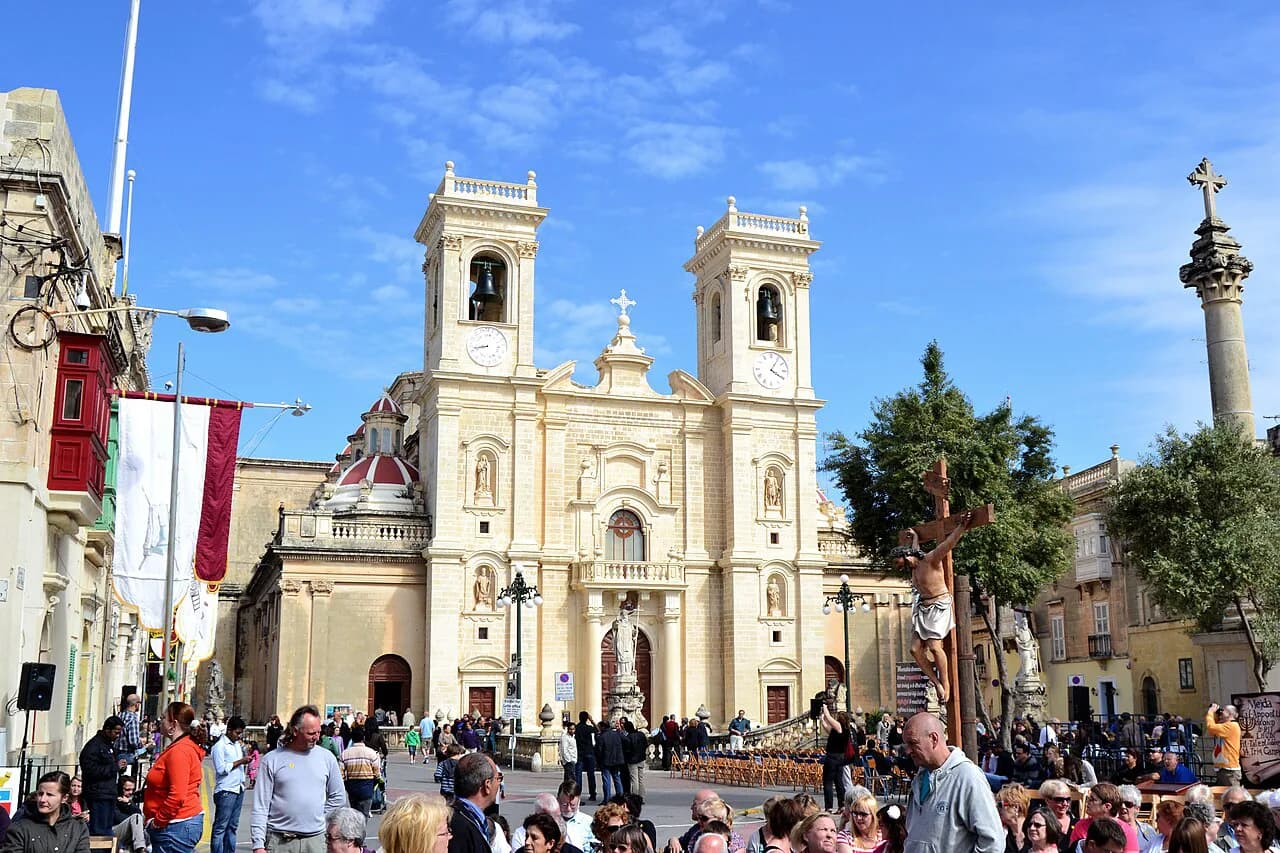
Most village stops revolve around three things: the parish church, the square in front of it, and the lanes of the old core around them. Mellieħa, for example, is a hilltop town with a square beside its parish church, and Mosta's identity hangs on its dome, with ordinary daily life of markets, cafés and bakeries carrying on around it. Plan on a church exterior and a square most of the time, and treat any interior as a bonus you check on the door.
The practical difference between a village and a walled city is scale and traffic. Birgu (Vittoriosa), one of the Three Cities opposite Valletta, has ancient walls, little cafés and views of yachts in the harbour, but you cover its old lanes on foot in a short wander. Mdina, by contrast, is car-free and quiet, so give it its own slot rather than treating it as a village stop.
The Three Villages in central Malta: how they differ
Lija, Balzan and Attard are known collectively as the Three Villages, a trio of settlements in the centre of the island. If you are weighing up places to visit in Malta, they sit close together and each has a distinct character: quiet Lija, tiny Balzan and the larger, better-equipped Attard. If you only have one afternoon in central Malta, choose two and walk them slowly rather than racing all three.
All three have Baroque architecture and historic townhouses, and their village cores are among the best preserved on the island. Their characters differ most in size and services: Attard has the widest range of amenities, Balzan has restaurants and wine bars within its small area, and Lija keeps a warm, quiet feel. That mix lets you pair a short architectural wander with a proper sit-down stop.
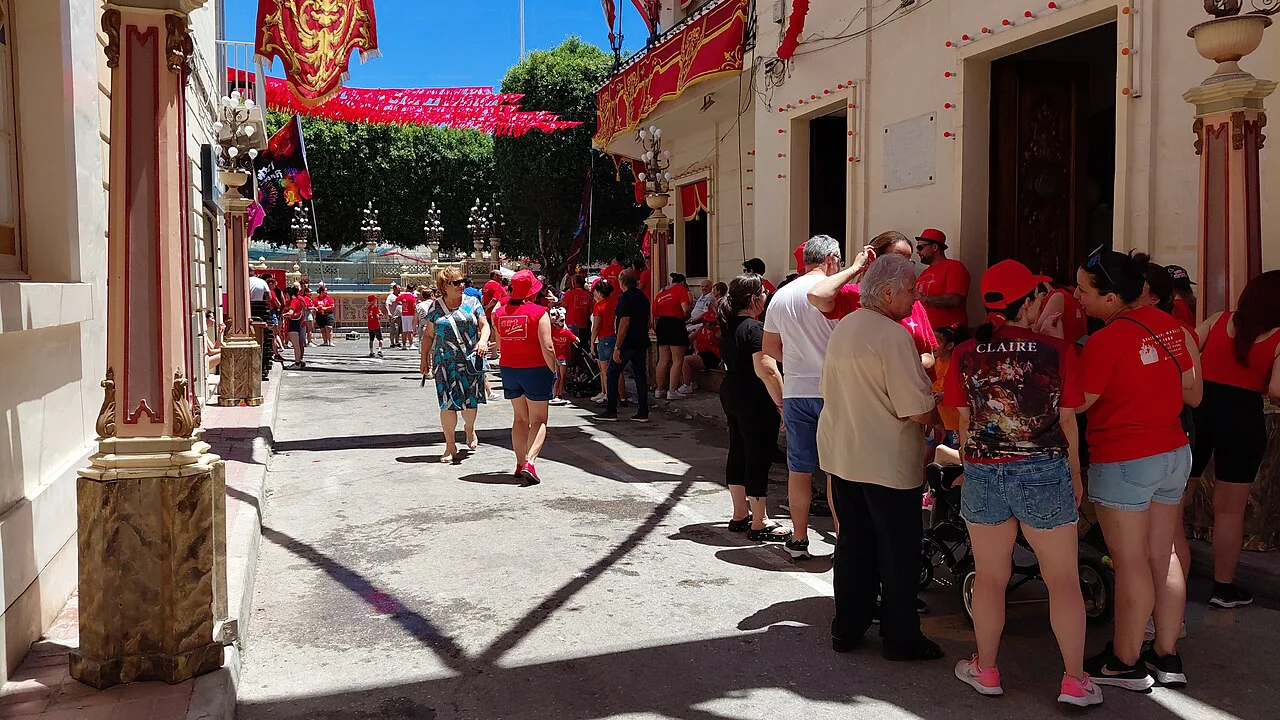
Attard: the San Anton Palace gardens and a bigger core
Attard is the biggest of the Three Villages, with a total area larger than Lija and Balzan combined, and its population runs to over 10,000. Its village core is small and intact, with development spread around the edges, so the old part is quick to walk. The San Anton Palace gardens and a family park give you a reason to linger longer here than in the other two.
The practical order for a half-day is straightforward: start in the small core, then use Attard's cafés and supermarkets as your reset point before moving on to Lija or Balzan. Because Attard is the largest of the three and better supplied with amenities, it makes the natural base for the cluster.
Balzan: the smallest of the Three Villages
Balzan is the smallest of the Three Villages, under a square kilometre in area, and it combines historic Maltese dwellings with modern houses and apartments spreading out from the core. It is the quickest of the three to see, so treat it as a short stop rather than a destination in itself. Its restaurants and wine bars make it a sensible place to end an afternoon of walking.
The village's landmark is the Aqueduct, a limestone viaduct built by Grandmaster Wignacourt in the 17th century to carry water from the north of Malta to Valletta. Seeing it takes little time, but it gives Balzan a reason to step off the main road. Pair it with a meal in the village rather than trying to stretch the visit.
Lija: Transfiguration Avenue and the village square
Lija is known for Transfiguration Avenue, a boulevard lined with villas and oleander trees that connects the spacious village square to neighbouring areas. It is the most pleasant of the three for a straight walk, with a clear route from square to edge of village. Lija's population sits just under 2,500, which gives it a quiet, community feel rather than a busy centre.
The village has ornate townhouses and palazzos built by noble families, best seen by simply walking the streets around the square and the avenue. Lija rewards a slow wander more than a checklist, so build in time to sit in the square. Its local feast falls in August.
Birgu (Vittoriosa) in the Three Cities
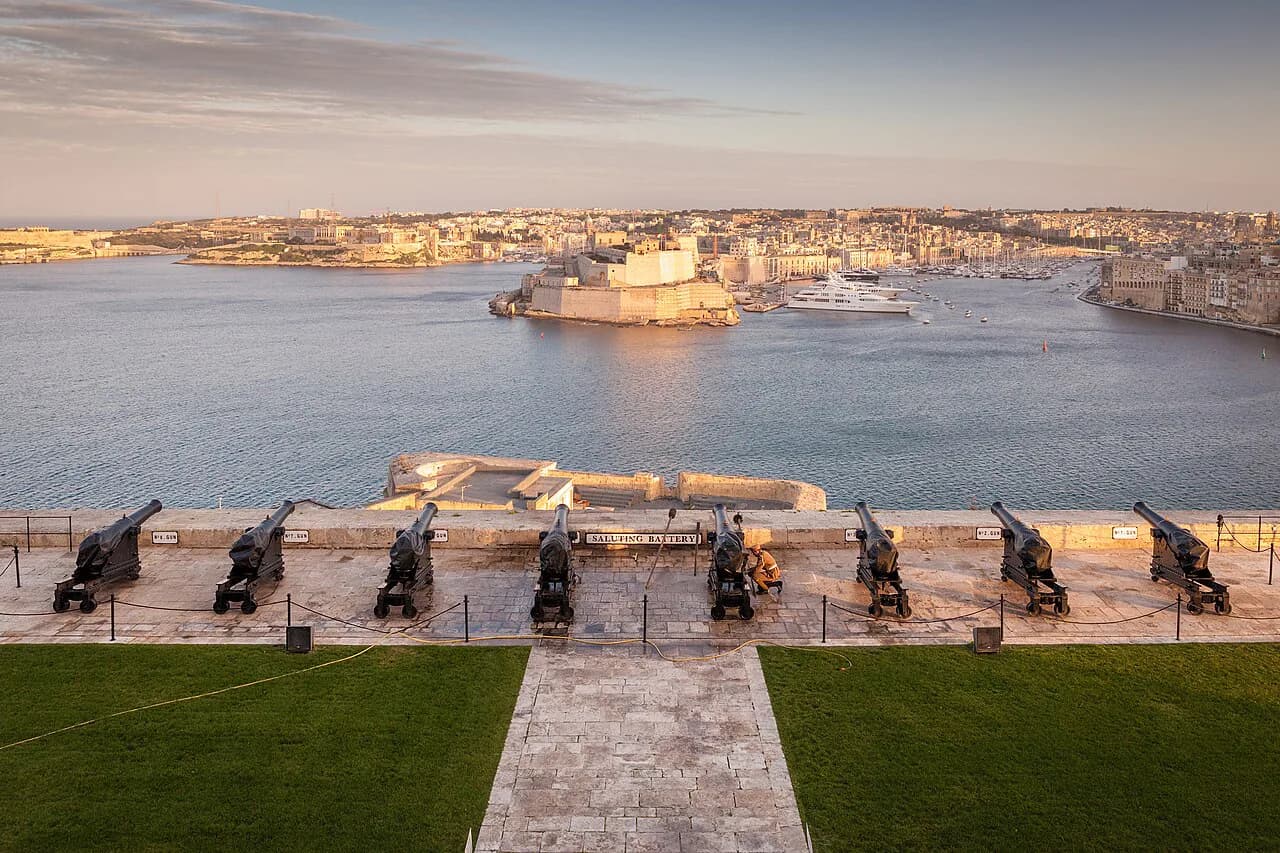
Birgu, also called Vittoriosa, is one of the historic Three Cities opposite Valletta and is steeped in maritime history. It might be just across the water from the capital, but it feels a world away: ancient walls, quiet lanes, and views of yachts bobbing in the harbour. Give it half a day if you want to eat there as well as walk the lanes.
The appeal here is the combination of walls, water and small cafés where you can try Maltese cooking. Walk the harbour edge first to get your bearings, then duck into the lanes behind it. It pairs naturally with the rest of the Three Cities, but you will want to allow for the crossing back to Valletta at the end of the day.
Marsaxlokk: the fishing village and its Sunday fish market
Marsaxlokk is a colourful fishing village and one of the easiest day trips in Malta from almost anywhere on the island. The harbour, with bobbing boats and long lunches by the sea, is the whole attraction, and it stays pleasant on quieter days. It is busiest on Sundays for the fish market, so come on a weekday if you want space.
Food is the reason most people stop here, and the harbour front is lined with places to eat. A long lunch and a slow walk around the boats fills an afternoon comfortably. If your priority is the market rather than the village, build the day around a Sunday visit and accept the crowds.
Marsaskala: a lived-in bay in the south
Marsaskala has a relaxed, lived-in feel, with a pretty bay, a seaside promenade and a mix of locals and visitors out enjoying the sunshine. It is not showy, just quietly lovely, which makes it a good contrast to the busier harbour towns. It suits a quiet walk, sea views and a taste of everyday Maltese life rather than sightseeing.
Mellieħa and Mosta in the north
In the north, Mellieħa is a peaceful hilltop town above the surrounding area, with a square beside its parish church. It works as a half-day stop combined with whatever else brings you north, and the village itself is compact.
Mosta is best known for its enormous dome, and beyond that it is a proper working town with markets, cafés and bakeries setting a daily rhythm. It makes a nice stop if you are exploring inland, with architecture as the draw rather than a long list of sights. Allow under an hour unless you plan to eat.
Mdina and Rabat as one stop
Treat Mdina and Rabat as a single stop. Mdina, known as the Silent City, is quiet and car-free, with very narrow streets running past old stone walls and hidden doorways, and it is a peaceful place to wander without fixed plans. Rabat sits right beside it, and is full of archaeological sites and quieter streets to explore.
In Rabat you can explore the catacombs and visit St Paul's Church, then wander the sleepier streets away from the main routes. The contrast matters: Mdina gives you the polished, traffic-free experience, and Rabat gives you the working town beside it. Give the pair more time than a single village, and go early if you want Mdina's lanes to yourself.
Victoria (Rabat) in Gozo
Victoria, also called Rabat, is Gozo's capital and combines historic streets, markets and the Citadel (Ċittadella) in one compact town. It is a bit of everything: backstreets to wander, churches, and rooftops to look out over from the Citadel. It is easy to spend a slow afternoon here without needing a plan.
Because Victoria is the island's capital, it makes a natural base for a day on Gozo rather than a separate outing. Start with the markets and the streets around them, then climb to the Citadel for the view over the rooftops. The local feel is distinctly Gozitan, slower than Malta's towns.
Combining villages: which cluster together
Group by geography and you save the day. Lija, Balzan and Attard form one cluster in central Malta, easily walked in an afternoon, while Birgu sits with the Three Cities across from the capital. Mdina and Rabat pair naturally, and Marsaxlokk and Marsaskala both sit in the south.
A sensible order for a village day is one cluster, not three corners of the island. If you base yourself in Valletta, take the short crossing to Birgu and save the central villages for another morning, when the light is better and the streets quieter. Check the Malta map before committing to the order so you know what you are chaining together.
Where a village stop fits between the big sights
Village stops work best as contrast, not competition. Put a quiet hour in Lija or Balzan between the big set pieces, or use Birgu as a slower afternoon after a morning in Valletta. Marsaxlokk and Marsaskala are easy add-ons to a southern day, and Mosta or Mellieħa break up time in the north.
A hop-on hop-off bus is one way to cover several stops in a day without planning each leg, though you trade flexibility for the timetable. Independent travellers can pair two villages on foot and one by bus, keeping the day to two stops.
Which villages to pick for your day
If you have one spare afternoon, take the Three Villages: Lija, Balzan and Attard are close, each is compact, and you can walk two of them plus a meal without rushing. For a harbour day, choose Birgu over another village, because the walls and water give you something the inland villages cannot. Save Victoria for a Gozo day, and treat Mdina and Rabat as one longer stop.
Where you go next depends on the rest of your itinerary. Add Marsaxlokk for food on a Sunday or Marsaskala for a quiet southern walk. Confirm current opening times and transport for the churches and gardens you plan to enter before you set out, since those change through the year.
Explore more Malta guides
Sources
Notes for your Malta trip
Optional updates when we add or correct a Malta or Gozo guide.
You might also like
Continue reading
More guides you'll find useful