Things to Do in Malta When It Rains: Indoor Days That Work
Rainy days in Malta suit the Ħal Saflieni Hypogeum, Għar Dalam and the museums and churches of Valletta, Mdina and the Three Cities.
On this page
A wet day in Malta is the moment to go underground or inside thick limestone walls: the Ħal Saflieni Hypogeum in Paola, Għar Dalam cave at Birżebbuġa, and the churches and museums of Valletta, Mdina and the Three Cities. None of them cares what the sky is doing. This guide sorts those enclosed stops by area, explains which tickets need fixing before you travel and which you can leave loose, and shows how to rebuild a rained-off day around transport rather than against it.
The plan is straightforward: put the Hypogeum on a fixed slot if you can get one, keep Għar Dalam and the walled towns as your flexible wet-weather fallback, and treat Gozo as a separate decision because the ferry crossing is the part the weather disrupts.
Why a wet day suits underground sites and museums
Malta's strongest rainy-day stops are enclosed by design. The Hypogeum is carved in three levels beneath a hill in Paola, and Għar Dalam is a cave with a museum attached, so rain changes nothing inside either. The same logic applies to the co-cathedral and museum circuit in Valletta and to the churches inside Mdina's walls.
Set against those are the open-air stops that a wet day ruins: the megalithic temples, the Dingli cliffs, the walled-town ramparts and any boat trip. If your itinerary mixes both, move the exposed half to another day and keep the covered half for the rain. A wider list of what the islands hold sits in our guide to the best places to visit in Malta, grouped so you can swap a coastal stop for an inland one.
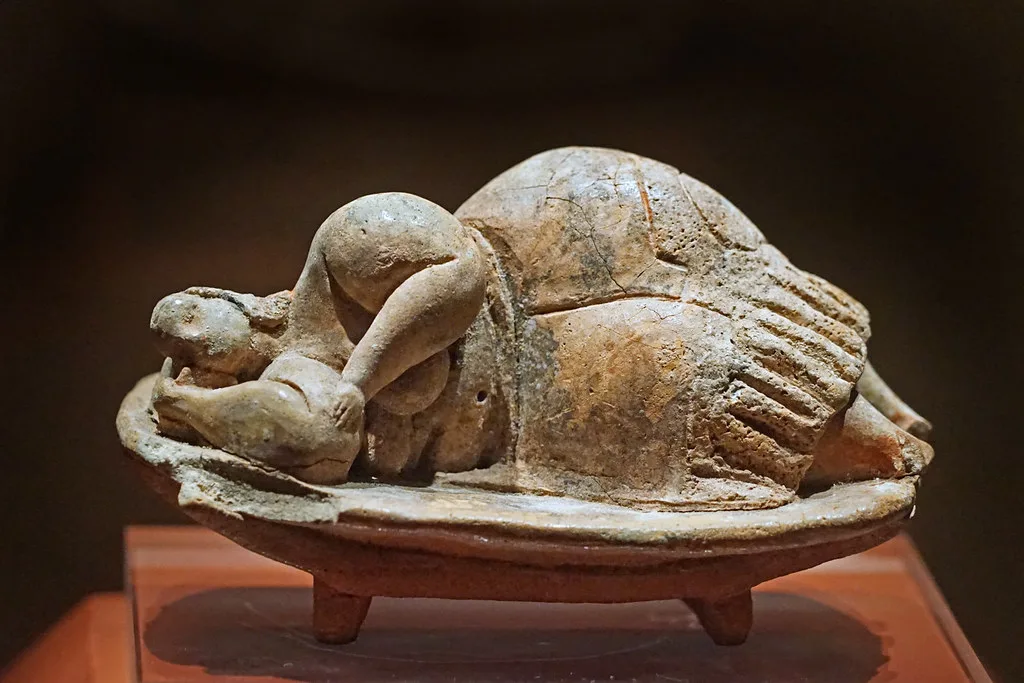
Ħal Saflieni Hypogeum in Paola: book ahead, or try the last-minute release
The Hypogeum is the one Maltese sight where rain and booking pressure collide, because it is a popular attraction and Heritage Malta recommends booking early to secure a visit. Adult admission is €35.00, youths aged 12 to 17 and senior citizens aged 60 and over pay €20.00, children aged 6 to 11 pay €15.00, and infants aged 1 to 5 are not admitted. Check the current opening hours on the Heritage Malta page before you build a day around it.
If the date you want is gone, last-minute tickets are released one day before the visit on a first-come, first-served basis and cost €50.00. Until midday they are sold only from Fort St Elmo in Valletta and the Gozo Museum of Archaeology in Victoria; after midday they also go on sale at the National Museum of Archaeology, the Domvs Romana and the Hypogeum itself. One person can buy a maximum of four, with exceptions for larger families who can show identification for each member.
Your ticket carries two add-ons worth knowing before you pay at a counter. Holders get 15% off the official Hypogeum guidebook at the on-site shop, and 50% off admission to the Ħal Tarxien Prehistoric Complex a few minutes away, though that Tarxien discount applies only to tickets bought at the door. Tarxien is largely open to the sky, so pair it with a dry hour rather than a downpour.
The Hypogeum sits on Triq iċ-Ċimiterju in Raħal Ġdid (Paola), and the closest bus stop is two minutes on foot, which makes it an easy wet-day target from Valletta. Photography restrictions and the small group sizes are explained in the site's own FAQ, and it is worth reading those rules before you travel rather than at the door.
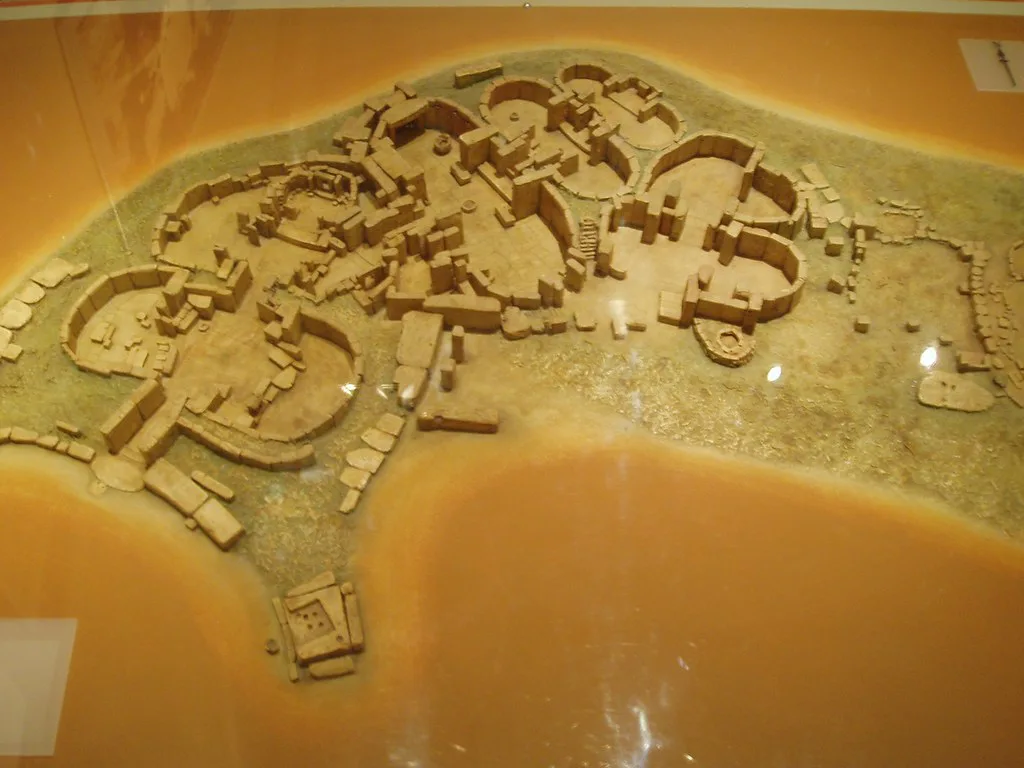
Għar Dalam Cave and Museum near Birżebbuġa: fossils, a Victorian-style hall and a combo ticket
Għar Dalam, on Għar Dalam Road in Birżebbuġa, gives you a cave and a museum in one visit. Inside, fossils of elephants, hippopotami, deer and other Ice Age animals are still visible, while the Joseph Baldacchino Hall displays excavated bones in a Victorian-style setting and the George Zammit Maempel Hall sets out the species found in Malta's Pleistocene deposits.
The gardens around the cave look over the Wied Dalam valley and the site forms part of the Natura 2000 network, so the outdoor half is worth saving for a break in the weather. Under the Għar Dalam and Borg in-Nadur combo ticket, adults pay €6.50, youths aged 12 to 17 and seniors aged 60 and over pay €5.00, concessions and students pay €5.00, children aged 6 to 11 pay €4.00 and infants aged 1 to 5 go free. Audio guides come in a long list of languages and there is parking close to the site.
Reaching it is simple: the closest bus stop is one minute on foot. That makes Għar Dalam a reasonable half-day from the south of the island, and it pairs naturally with the harbour villages rather than with a Valletta museum morning. If caves interest you beyond this one, our Malta caves guide covers the rest of the island's underground stops.
Valletta under cover: the co-cathedral and the museum circuit
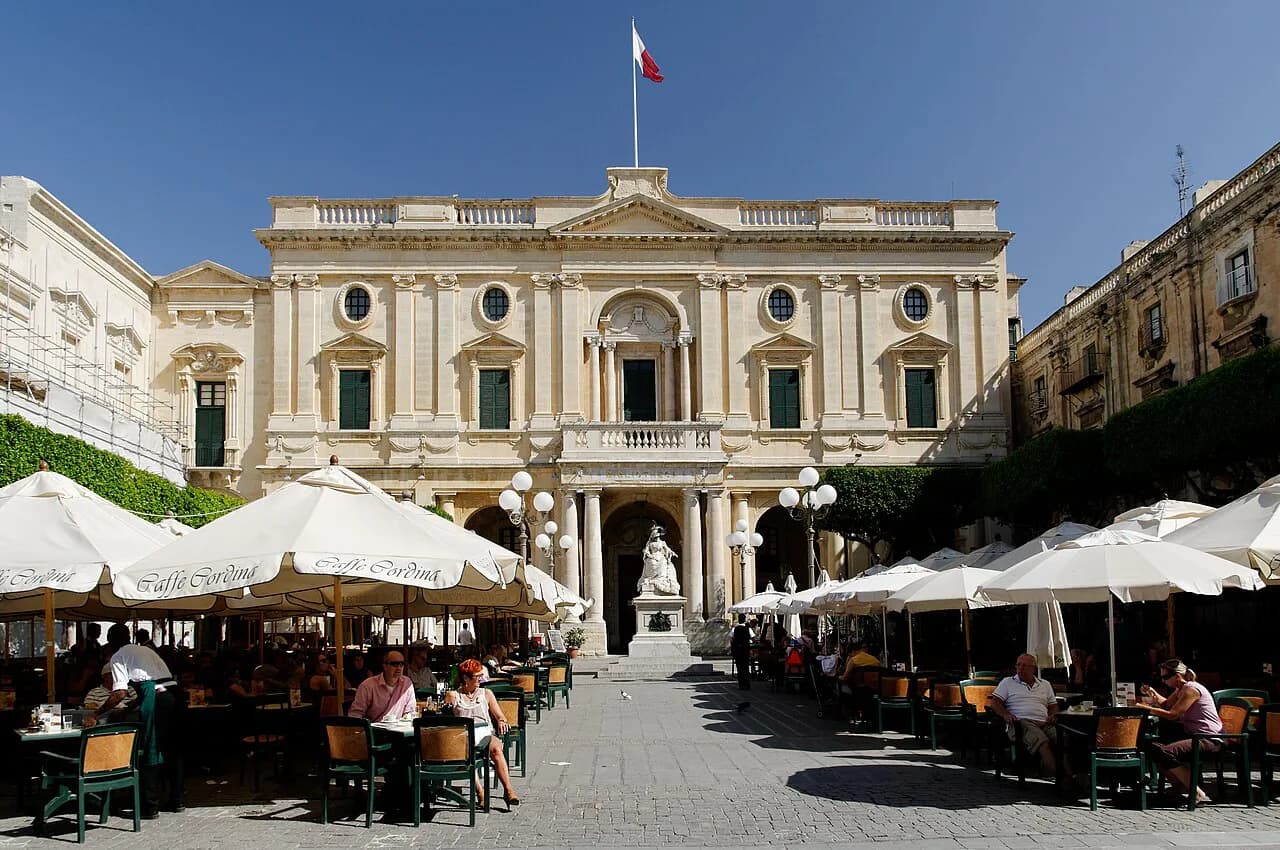
Valletta is the easiest city to spend a wet day in, because its grid of streets keeps you close to one covered stop after another. Start with St John's Co-Cathedral, then work through the museum circuit rather than trying to walk the bastions in the rain. Our Things to Do in Malta guide lists the city's core sights so you can order them without criss-crossing the peninsula.
Cruise days change the feel of the city centre: the main streets fill quickly when ships are in, so book indoor slots for the quieter edges of the day and keep the co-cathedral for a slot you have reserved. A Malta map helps here, because knowing which gate or street you are aiming for saves wet backtracking between stops.
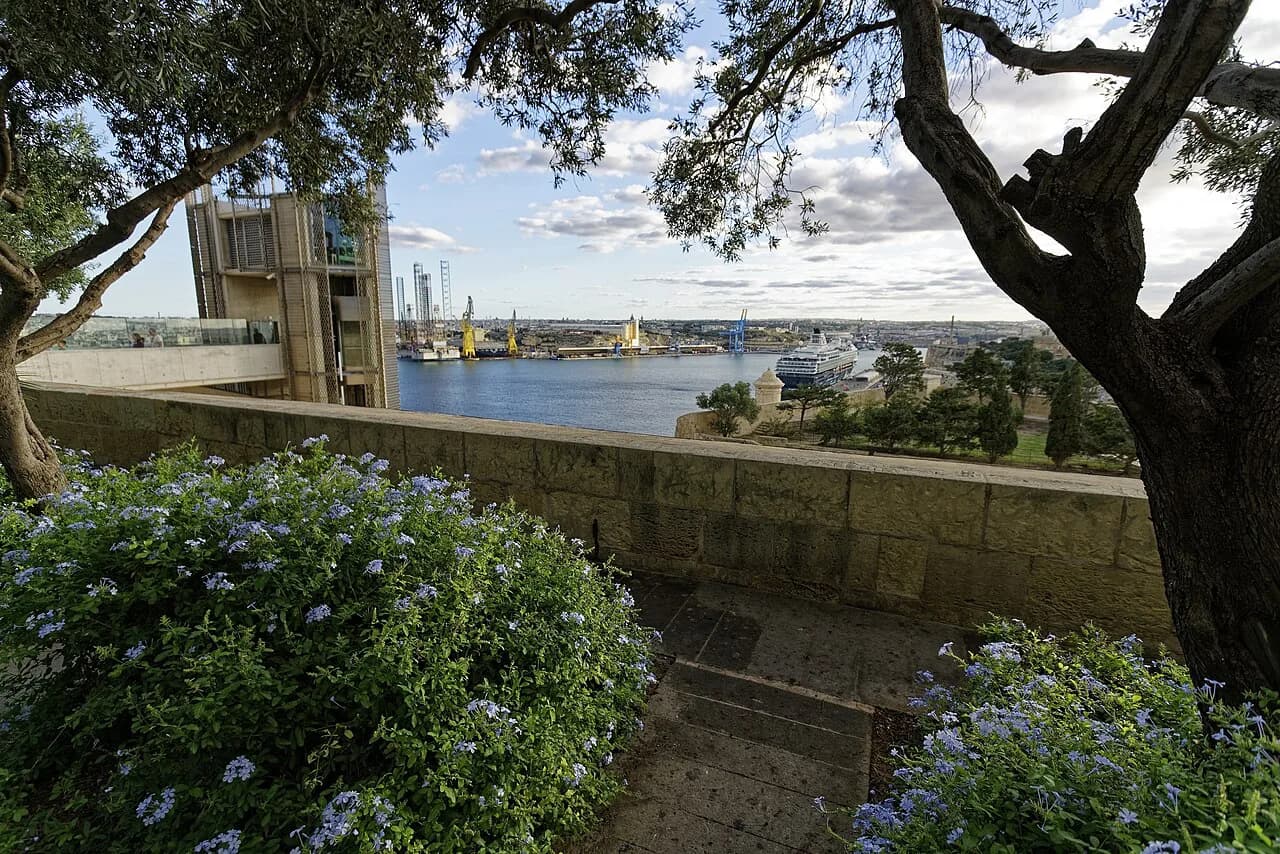
If the rain eases to a drizzle, the covered walkways and arcades along Republic Street let you combine shelter with a browse. Our shopping in Malta guide covers the city's shops for a wet spell, and Maltese souvenirs suggests what to look for. Keep the open-air stops, such as the Upper Barrakka viewpoint, for a clearer hour rather than the middle of a downpour.
Mdina and Rabat: walled streets, churches and archaeology in wet weather
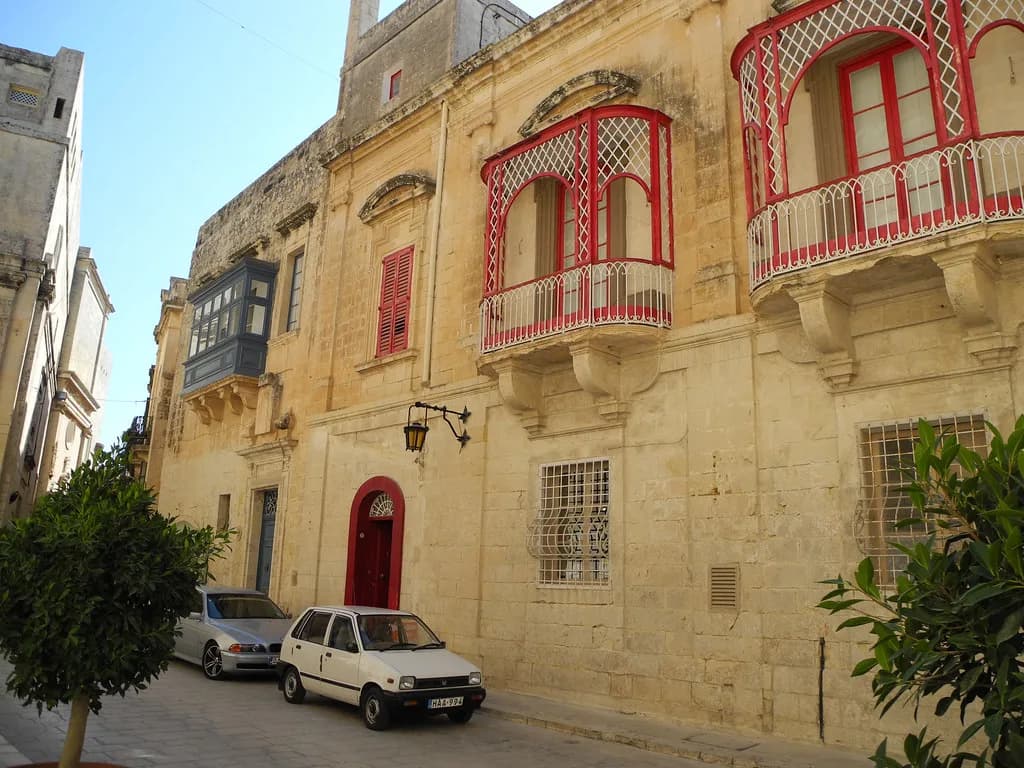
Mdina's narrow streets give more shelter than most open towns, because the buildings close in around you and the cathedral and church interiors sit within a short walk of each other. Treat the visit as a slow loop between covered stops rather than a rampart walk, and leave the views from the walls for a dry spell.
Rabat next door adds the archaeological layer, with early Christian and Roman remains close to the town centre, so a wet afternoon can move between church and site without a long exposed walk. Check individual opening hours before you set out, since church and site times vary through the year.
Birgu and the Three Cities: covered heritage stops and a shorter wander
The Three Cities reward a shorter, more focused wander in the rain. Birgu (Vittoriosa) packs its lanes, churches and heritage buildings tightly together, so you can step between them without long exposed stretches. The architecture itself is the draw, and our Malta architecture piece helps you read the bastions, auberges and church fronts you are passing.
Keep the waterfront and the harbour views as a separate, fair-weather item, since the exposed quays offer little cover. If you are staying in Sliema or St Julian's, ferries across to Valletta and the short hop to Birgu keep the wet walking to a minimum.
Gozo in the rain: Victoria, the Citadel and museum time
On Gozo, head for Victoria (Rabat) and the Ċittadella (Citadel) hilltop, where the cathedral, museums and enclosed streets give you a wet-day core within a compact area. The Gozo Museum of Archaeology in Victoria also matters practically: it is one of the two places selling last-minute Hypogeum tickets before midday.
The trade-off is the crossing. An already busy summer queue is less pleasant in the rain and the deck less appealing, so build slack into the day. Boat trips around the coast, including sunset runs with stops at the Blue Lagoon and Crystal Lagoon, are the first thing to drop when the weather turns; our Malta boat trips guide covers the options when conditions improve.
How to rearrange a wet day around buses, ferries and booked slots
Rebuild the day in this order: keep any fixed indoor slot, then choose one covered site within a short walk or bus ride of it, and leave the rest loose. The Hypogeum's two-minute bus stop and Għar Dalam's one-minute stop both make the transport half of that plan easy.
Buses and ferries run in the rain, but wet roads and queuing extend journey times, so cut one stop rather than rushing between three. If you are moving between several areas, a hop on hop off style loop is a poor fit in heavy rain because so much of the value is the open top; keep it for a dry day.
For a structured wet day, a guided Malta tours option can shift the planning onto someone else, though you still need to confirm the indoor itinerary suits you. The islands get around 3,000 hours of sunshine a year, so a completely washed-out stay is uncommon and most trips need only one flexible day, not a full replan.
Where rain fits the trip: fix the Hypogeum, keep the rest loose
Fix one ticket ahead of travel: the Hypogeum, if the underground complex appeals and you can accept a fixed time. Everything else on this list can be decided on the day, which gives you room to move a temple visit, a walk or a boat trip when the sky clears.
Keep the last day or two of the trip free of fixed outdoor plans, and use them for whichever area the weather has pushed back. If the rain never arrives, the same slots work for the open-air sights: the plan costs nothing when it goes unused.
Which wet-day ticket should you fix first?
Book the Hypogeum first if you want it, because it is the only stop here where supply, not the weather, decides whether you get in. Adult admission is €35.00 with a €50.00 last-minute rate released the day before, and the Tarxien discount is worth taking only if you buy at the door.
Then treat Għar Dalam, Valletta, Mdina, the Three Cities and Victoria as your wet-weather bench: close to bus stops or ferry links and largely indifferent to rain. Confirm opening hours for individual churches and museums before you set out.
Explore more Malta guides
Frequently Asked Questions
Does Malta get much rain?
The official tourism site promotes around 3,000 hours of sunshine a year, which sets expectations for a mostly dry trip. It does not publish rainfall totals or monthly figures, so check a climate table before you rely on a particular week being dry.
What can you do in Malta in rainy weather?
Go inside or underground: the Ħal Saflieni Hypogeum in Paola, Għar Dalam cave and museum at Birżebbuġa, and the churches and museums of Valletta, Mdina, Birgu and Victoria. Leave the temples, cliffs, ramparts and boat trips for a dry day.
What is there to do in Valletta when it is raining?
Start with St John's Co-Cathedral and then move through the city's museums, keeping the bastion viewpoints for a break in the weather. Cruise days fill the centre quickly, so book indoor slots for the quieter ends of the day.
Can you buy Hypogeum tickets on the day?
Sometimes. Last-minute tickets go on sale one day before the visit on a first-come, first-served basis, limited to four per person apart from larger families who show identification for each member.
Sources
Notes for your Malta trip
Optional updates when we add or correct a Malta or Gozo guide.
You might also like
Continue reading
More guides you'll find useful