
National Museum of Archaeology, Valletta: What to See and How Long It Takes
Allow one to two hours for the National Museum of Archaeology in Valletta, and go in the morning if you want the galleries calmer. The collection runs from the Neolithic period to the Bronze Age, with later Phoenician material, and it makes the best preparation for the island's temple sites. This guide covers where the museum sits, how to reach it, which exhibits to prioritise and what you can walk to afterwards.
What the museum covers
The National Museum of Archaeology holds finds from Malta's Neolithic period to the Bronze Age, with later material taking the story towards the Phoenician period. The emphasis falls on the prehistoric temples: carved stonework, pottery, ritual figures and the everyday tools that surrounded them. Read the displays in that order and the megalithic sites you visit later will make far more sense.
This is not a general history museum covering every era of Maltese life. It is a compact, focused collection, which is why a short visit works well rather than a half-day. It rewards anyone heading to the temple sites, where the same objects and imagery reappear in context.

Where the museum is
The museum occupies the Auberge de Provence, a baroque building that once housed the knights of the Order of St John, on Republic Street in the centre of Valletta. Republic Street is the main pedestrian thoroughfare, so you arrive on foot rather than by car.
Because it sits in the historic core, the museum works as a fixed point in a walking day rather than a separate excursion. Step inside when the heat or a rain shower arrives, then continue along the same street. Our Valletta Attractions: 16 Visitor Guides page sets out the other sights around it.
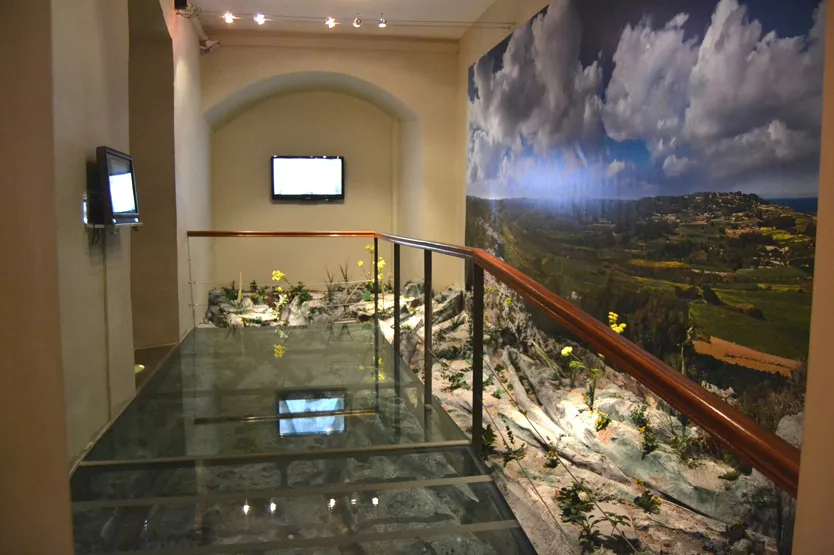
The museum's upper and ground floors appear in online views linked to the Google Arts & Culture listing for the museum in Valletta, which can help you picture the setting before you go.
How to get there
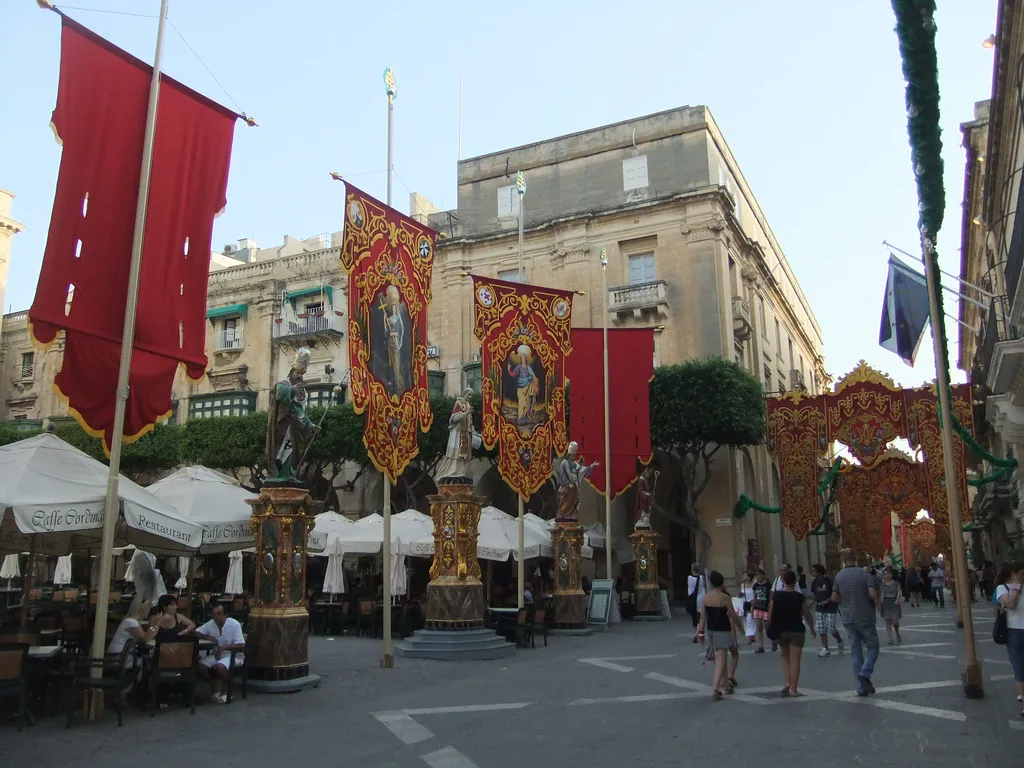
Come in on foot through the city gates and make your way up Republic Street; the museum sits on the main pedestrian route through the centre. No further transport is needed once you are inside Valletta's walls.
Arriving by bus, the terminus sits just outside Valletta's city gates, a short walk from the museum door. From St Paul's Bay the bus journey is roughly 30 to 40 minutes and driving takes about 30 minutes. Those timings apply to that origin only, so allow more from elsewhere on the island.
What to see inside
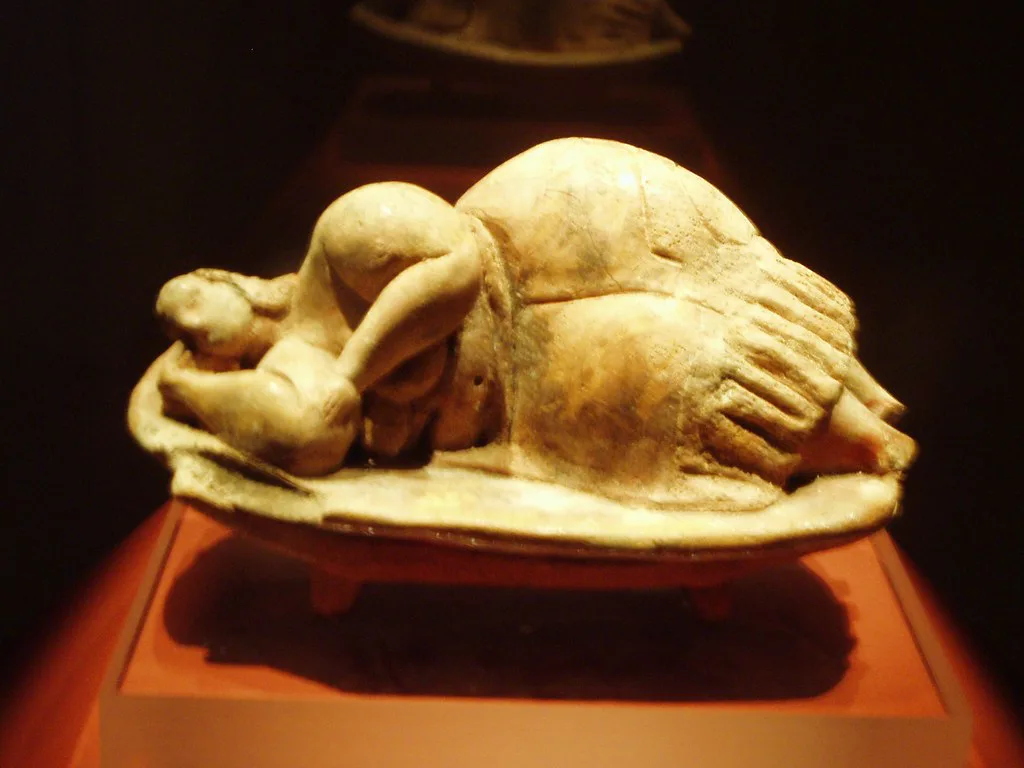
Two figurines carry most of the weight: the Sleeping Lady, a small detailed figure found at the Ħal Saflieni Hypogeum, and the Venus of Malta, a prehistoric statue associated with fertility and religious practice. Give both time rather than filing past.
Beyond them, look for the temple carvings, pottery and tools taken from the Neolithic temples, alongside displays on burial ritual and artistic work. These objects are what turn a field of standing stones into a readable site. If you have Hypogeum or temple tickets booked, visit the museum first and the sites afterwards.
How long to allow and how to pace it
Plan on one to two hours, which covers the main galleries without rushing the figurines. Mornings or early afternoons are the quieter stretches, and Valletta is easier to walk in spring and autumn than at the height of summer.
A sensible pace is to go straight to the prehistoric sequence, then the figurines and temple art, then whatever catches your eye. If you are squeezing the museum between two other sights, do the figurines first and leave the pottery if time runs short.
Tickets and opening hours
Opening times and ticket prices are not published in the sources for this guide. Treat any hours you see elsewhere as provisional and check the current times and admission prices with Heritage Malta, which runs the museum, before you set out.
Because confirmed last-admission times are not available here, build the museum into the middle of the day rather than the late afternoon, and leave outdoor sights for the end.
What is within walking distance
St John's Co-Cathedral, the Grandmaster's Palace and St George's Square are all close by on the same pedestrian streets, so the museum pairs naturally with them in a single morning or afternoon. Pick two rather than trying to tick off all three.
Upper Barrakka Gardens is a short walk away and gives you harbour views and a place to sit after the galleries.
Below the same bastions, the Lascaris War Rooms suit anyone who wants a second, very different kind of museum on the same day.
Practical points
Central Valletta is pedestrian-only, so plan the day on foot once through the gates. Cafés, restaurants and shops fill the surrounding streets if you want a meal before or after.
Worth an hour of your Valletta day?
Yes, if you plan to visit any of Malta's temple sites or the Hypogeum, because the museum gives those places their context in about an hour. If your Valletta day is already full, leave it for a return visit rather than rushing the figurines.