
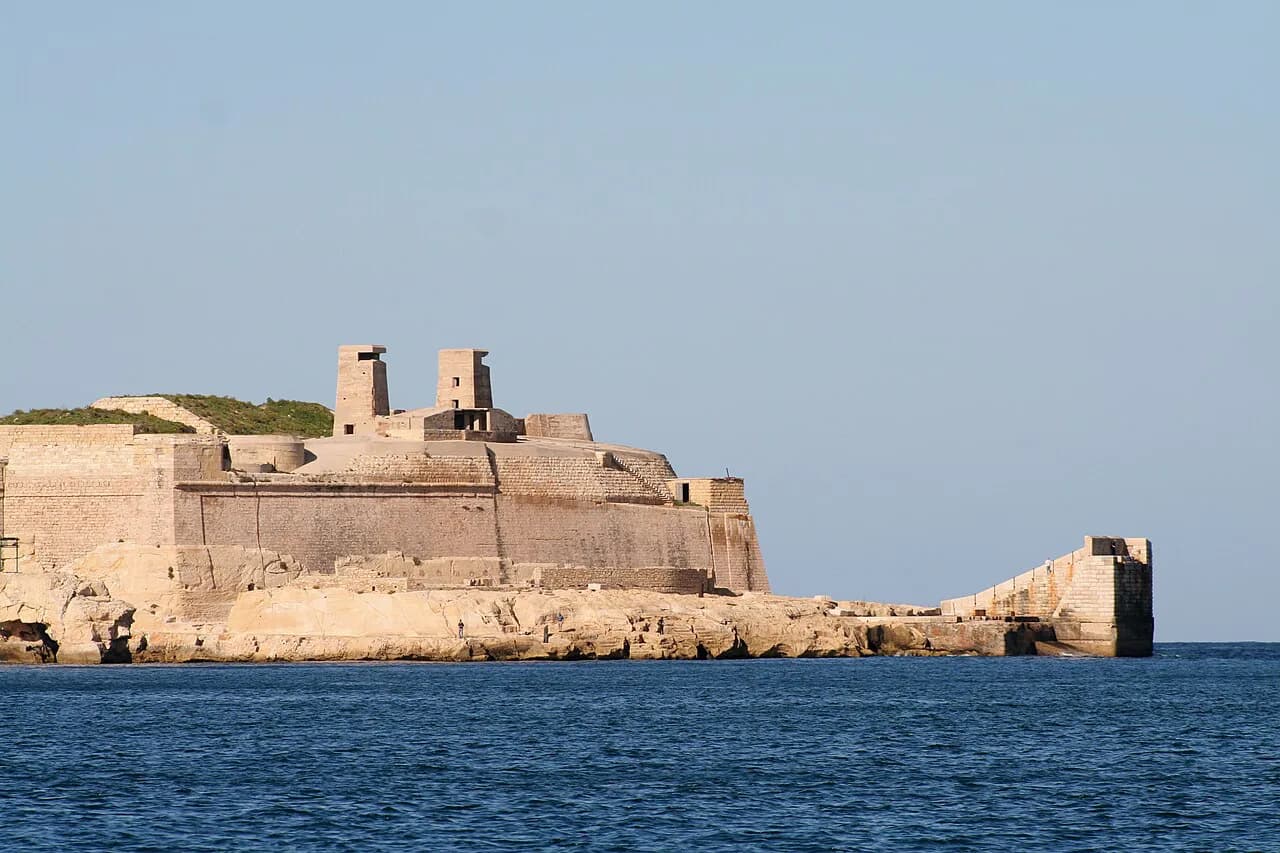
Fort St Elmo and the National War Museum, Valletta

Fort St Elmo closes the seaward end of the Valletta peninsula, standing between Grand Harbour and Marsamxett Harbour. A visit splits into two parts: the fort's bastions and parade ground, and the National War Museum housed inside the fort. This guide covers what each part involves, how long to allow and how to walk there from the city centre.
Treat it as a half-day if you want the museum galleries and the ramparts, or a short stop if you only want the outdoor walls and the harbour views. The site is exposed at the peninsula tip, so plan around the middle of the day rather than through it.
Where Fort St Elmo sits
The fort occupies the far end of the peninsula on which Valletta was built, with Grand Harbour on one side and Marsamxett Harbour on the other. That position explains the walk: from the City Gate end of Valletta you follow the grid of streets downhill and eastwards until the buildings give way to fortifications.
Because it is the tip of the city rather than a separate excursion, Fort St Elmo works as the final stop on a walking day through Valletta. You can approach along the waterfront or through the Streets, and leave by the same route or by cutting back up to the Lower Barrakka area.

The two parts of a visit
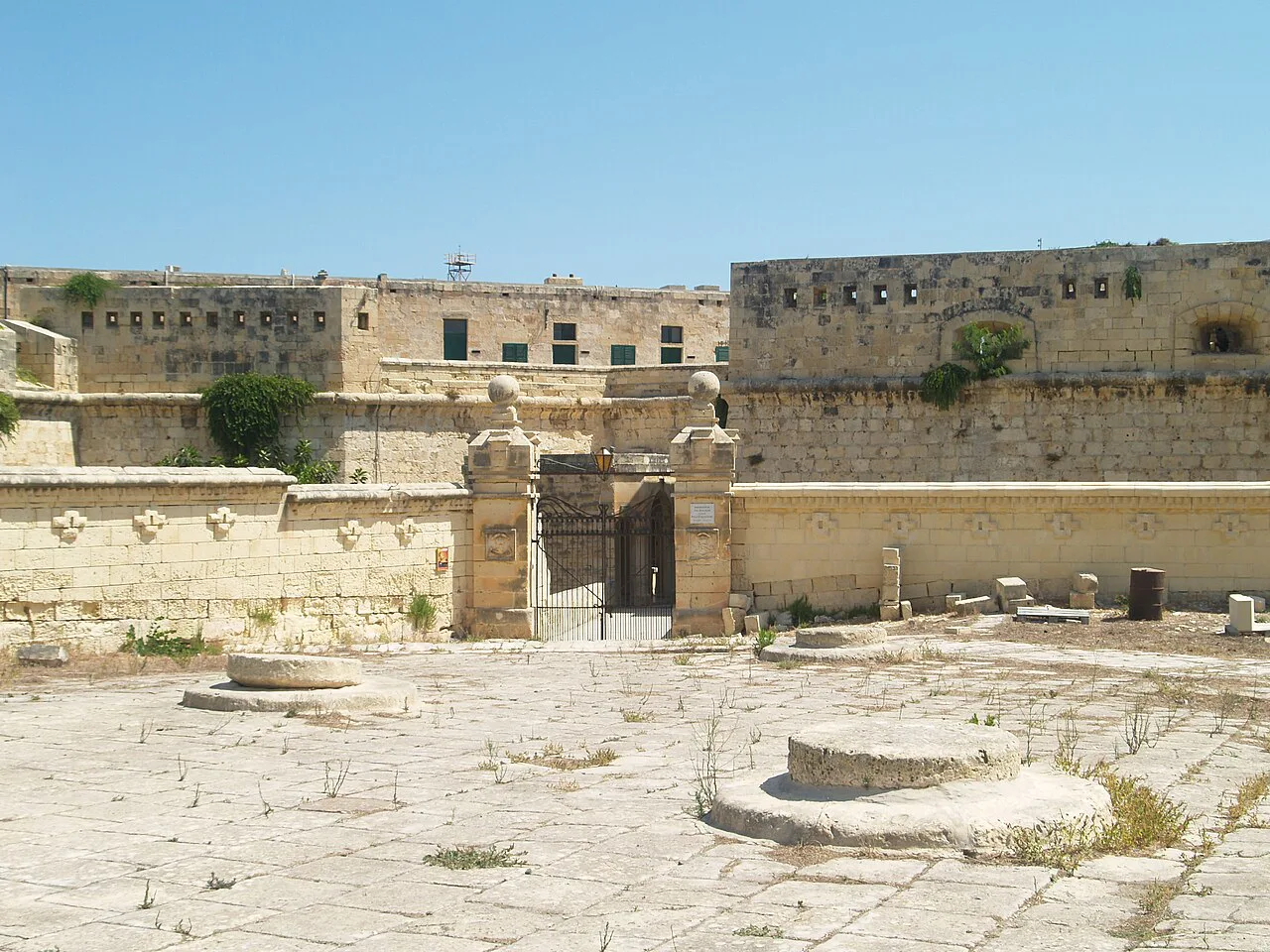
Outside, the fort gives you bastions, a parade ground and open views across both harbours. This is the part to linger on if you are short of time, and it is also the part most affected by sun and wind.
The fort also holds the National War Museum, which is the reason many visitors come. Because the museum sits within the fort, expect exhibition galleries alongside the historic fortifications rather than an empty shell.
Plan your route so you see the outdoor walls before or after the galleries rather than in the middle of them; once you are inside the exhibition rooms you lose the sense of the harbour position.
What the National War Museum covers
The museum's subject is Malta's wartime record, including the Second World War, and the fort is marketed alongside it as a single attraction. Visitors researching the site often pair it with Valletta's other wartime interiors, notably the Lascaris War Rooms, Valletta, which cover the operational side of the same period.
If your interest is mainly the fort as a defensive structure, give the galleries a quicker pass and spend the time on the ramparts and the views back towards the city. If your interest is the war years, do the reverse and let the outdoor section be the short part.
How long to allow
A ramparts-only stop suits a tight schedule: walk down from the city centre, take in the harbour views and walk back. Add the museum and the visit stretches into a half-day, especially if you read the displays rather than skim them.
The trade-off is walking time. Fort St Elmo is at the end of the peninsula, so the approach and return are part of the day, not a footnote, and the climb back up into Valletta is steeper than the descent.

Tickets and opening hours
Opening hours, ticket prices and any closure days are set by Heritage Malta, which runs the fort and museum. Check the current details on its site before you travel, and book ahead where the option is offered.
Prices and times change, so treat any figure you see in an older guide as out of date until Heritage Malta confirms it.
Getting there from the city centre
The simplest approach is on foot from Valletta's centre: enter through the City Gate area, follow the main streets towards the peninsula tip and allow for the downhill walk. Whichever way you arrive, the last stretch is walking.
If you are combining sights, walk down to Fort St Elmo first and work back up through the city, finishing at the Upper Barrakka Gardens Valletta for the harbour view and the lift back down to the waterfront if your legs have had enough.
What to see nearby
The Saluting Battery below the Upper Barrakka Gardens is another fortification stop that fits the same walking route back into the city.
In the other direction, the city centre holds the rest of the major sights, so a fort visit slots into a wider day rather than replacing it. Our things to do in Valletta guide sets out the wider set of options if you are building an itinerary around the fort.
Who Fort St Elmo suits, and when to go
The fort suits travellers interested in fortifications and wartime history, and anyone who wants the harbour views from the peninsula tip without paying for a boat. It is less rewarding if you are after shaded gardens or a quick indoor stop, because the outdoor section is open and exposed.
Time your visit for the earlier or later part of the day rather than the middle, and carry water for the bastions. The walk back up into the city adds to the effort in heat.
Is Fort St Elmo worth the walk?
Yes, if you want either the harbour-edge fortifications or the National War Museum, and ideally both. Walk down early, see the ramparts while it is cooler, then take the museum at your own pace before climbing back into the city.
If your time in Valletta is short, decide between the fort and the city-centre sights before you set off, because the walk to the peninsula tip is not a five-minute detour.