
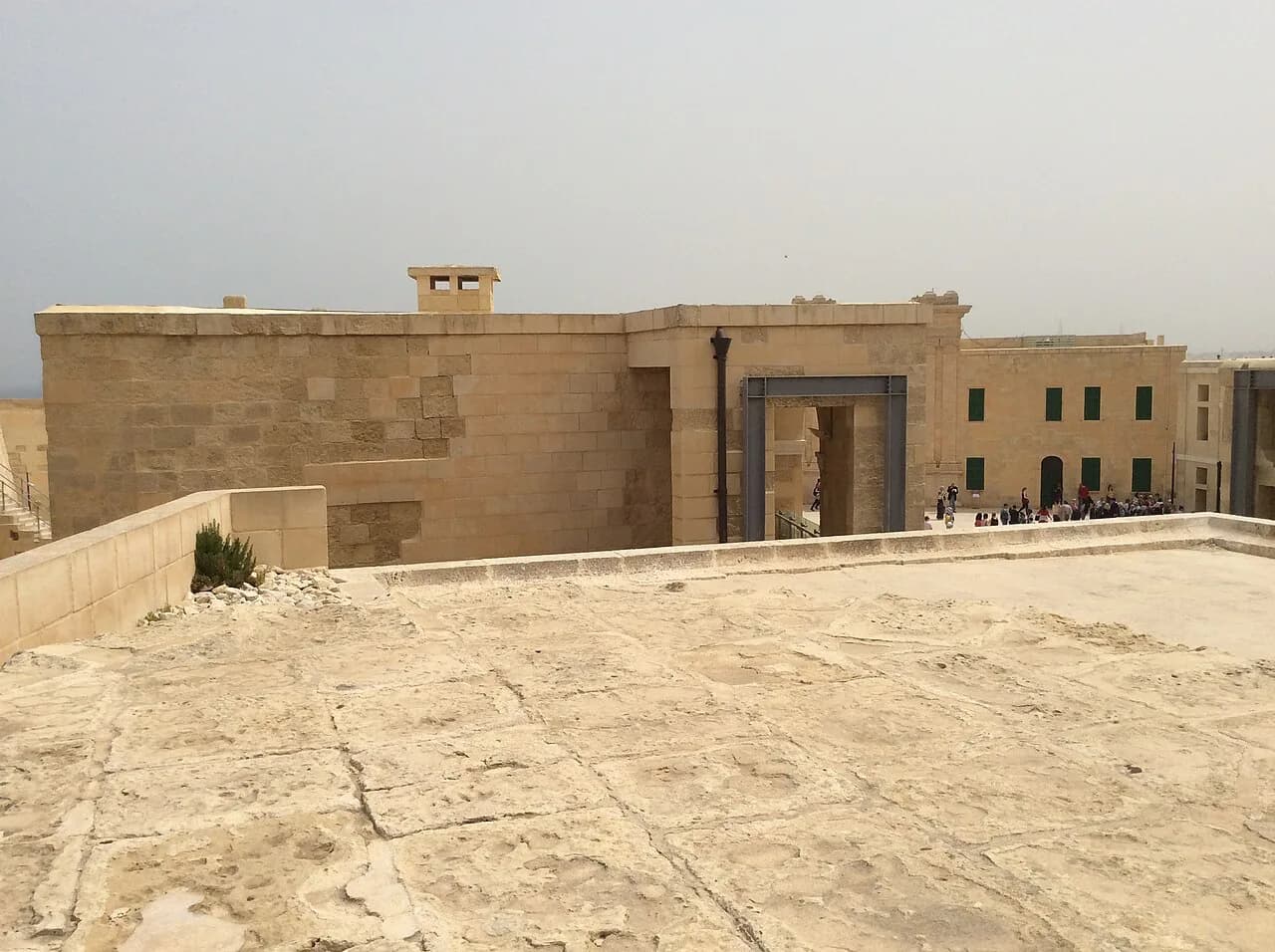
National War Museum at Fort St Elmo, Valletta

The National War Museum is housed inside Fort St Elmo, at the tip of the Sceberras peninsula that carries Valletta, so a single visit covers both the wartime galleries and the fort's ramparts and harbour views. Its collection concentrates on Malta's experience of the world wars, with photographs, military honours and equipment on display. This guide covers the walk from the city centre, what to see in the galleries, what the fort itself adds, how long to allow and where to confirm opening times and tickets.
Where the museum sits in Valletta
Fort St Elmo guards the end of the Sceberras peninsula, the strip of land that Valletta occupies between two harbours. The Artsupp listing gives the museum's address on Mediterranean Street, which is the most useful landmark reference if you are checking a map before setting out. The position commands the approaches to both harbours, and the fort's outer walls open onto views over the water and the surrounding towns.
The museum and the fort are one site rather than two separate stops, which shapes how you plan the morning or afternoon. Heritage Malta manages Fort St Elmo among its museums and landmarks and publishes the site's details through its own listings, so it is the authority to check before you rely on any times or prices. Read the rest of this guide as a plan for the site as a whole: galleries first, walls second, or the other way round.

Getting there on foot from Valletta's centre
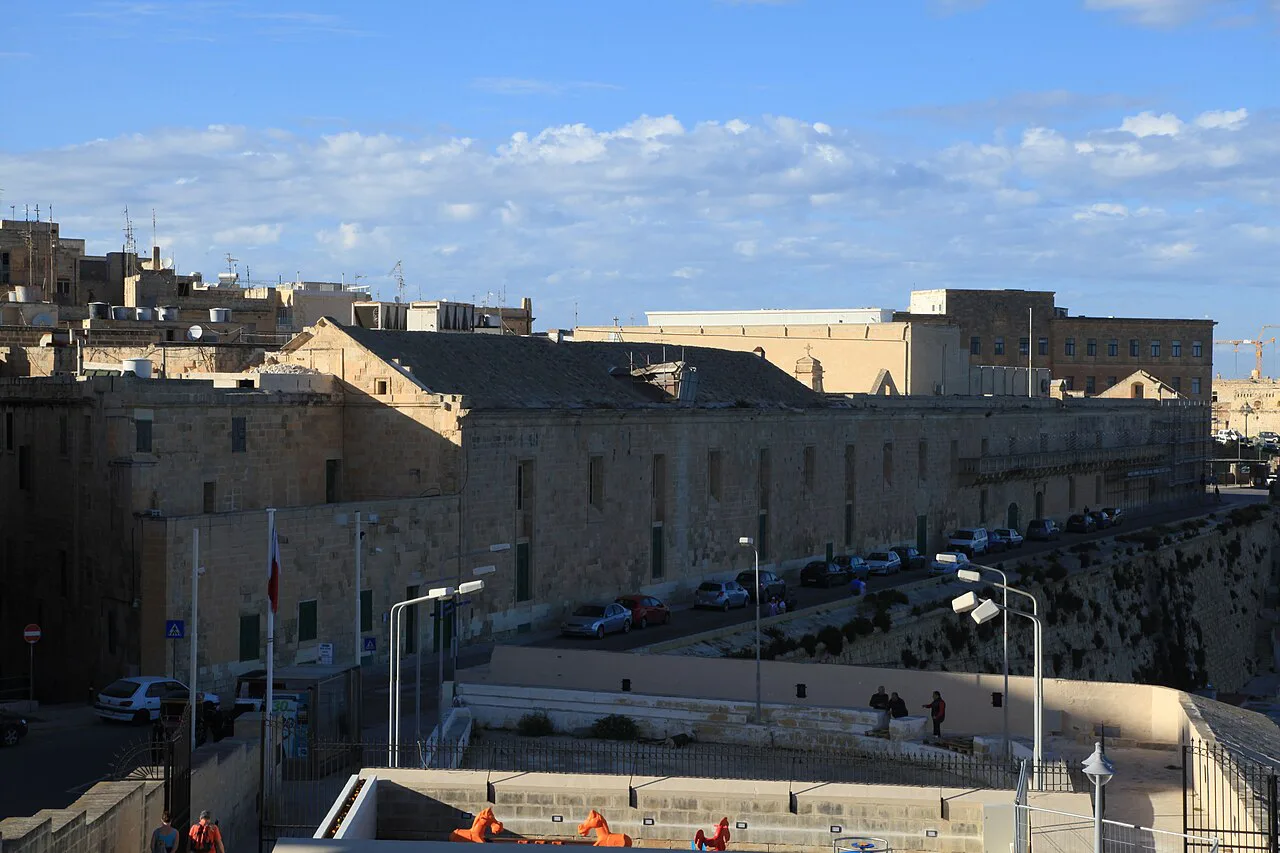
The approach is on foot. From the City Gate end of Valletta, keep walking through the grid of streets towards the tip of the peninsula until the streets open out towards the fort. It is a straightforward route down through the city, but the return leg climbs back up, so leave enough in the tank for it or plan to rest on the way.
Because the museum sits at the far tip, the walk is best treated as one half of a day rather than a quick detour. If you are coming from the Upper Barrakka Gardens end of the city, the fort is a longer march along the peninsula, so pair that area's views with a separate stretch of the day. Wear shoes you can walk in on the fort's stone surfaces and the sloping streets back into the centre.

What the museum covers
The displays focus on Malta's part in the First and Second World Wars, with wartime photographs, medals and military equipment, including German and Italian torpedoes, anti-tank guns and gas masks described in the MyMalta listing. Separate rooms set out the biographies of people who defended the island, and the George Cross awarded to Malta is among the honours shown. The material runs through the island's defences and war record rather than offering a broad survey of European conflicts.
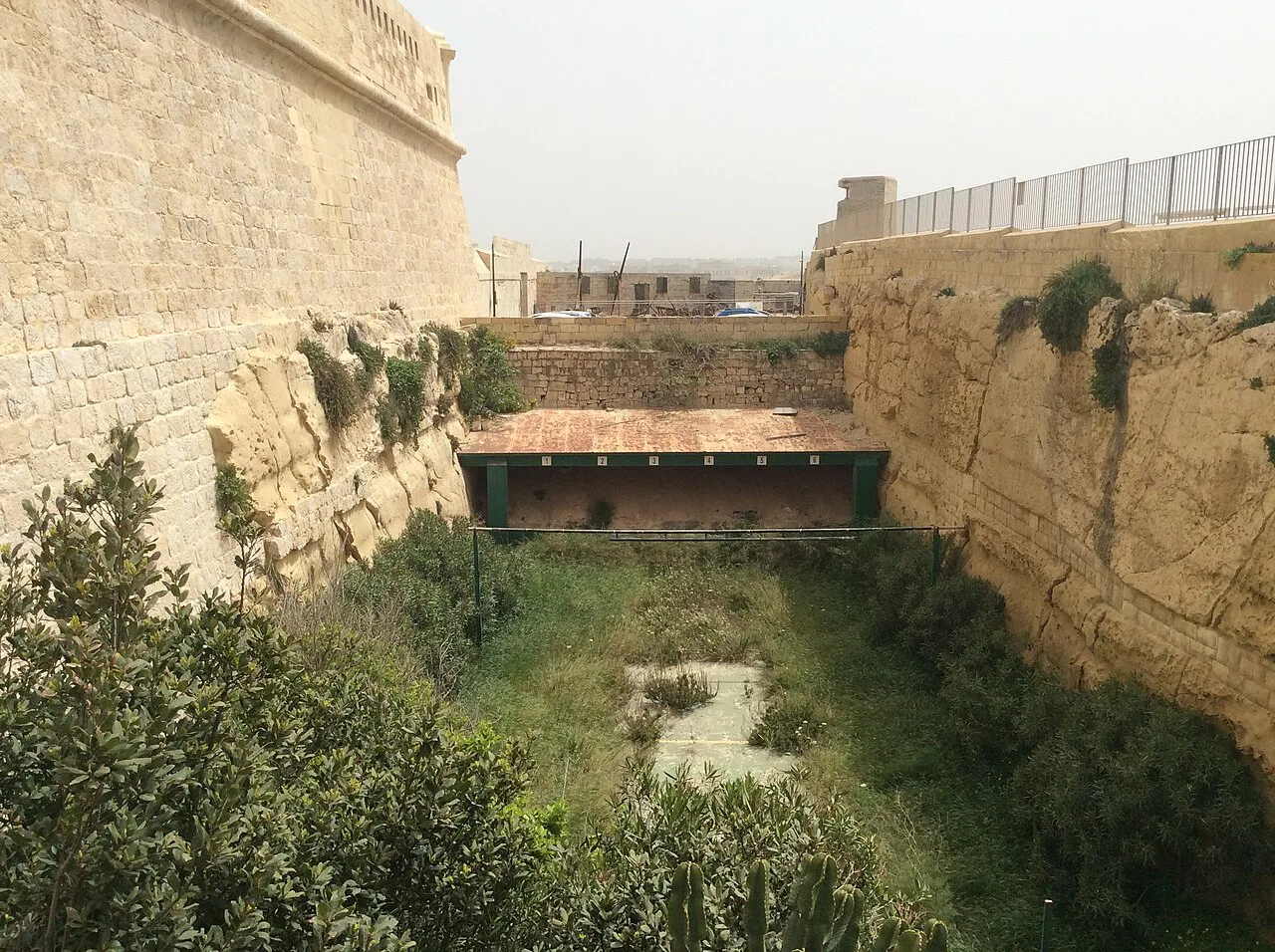
Fort St Elmo began as a defensive work ordered by Grand Master De Homedes after the 1551 Ottoman raid, as the Artsupp listing describes, and the museum now occupies the old gunpowder store and armoury buildings within the fort, according to the MyMalta listing. The galleries include reconstructions of notable battles and a documentary on Maltese history shown in the former hospital building next door. Expect a lot of reading alongside the objects, so pace yourself and use the fort's open spaces as breaks between rooms.
If you want to extend the island's wartime story beyond these galleries, the Lascaris war rooms Valletta are the natural companion, since they cover the command side of the same conflict in a different setting. Treat them as a separate visit on another day or later the same afternoon rather than trying to fold both into one morning.
The fort beyond the galleries
Fort St Elmo is a war machine in its own right, with ramparts and raised gun platforms from which you can see across the harbours to the surrounding towns. The Artsupp entry describes the fort's position as offering unobstructed panoramic views of the harbours and the surrounding towns, and that is the part of the visit that costs nothing extra once you are inside. Allow time to walk the walls without the museum's reading pulling you back inside.
The fort's history as a defensive structure is present in the fabric of the place as much as in the cases: the buildings that now hold the museum were once the fort's working stores and armouries. If you have already seen the Saluting Battery from above at the Upper Barrakka Gardens, you will recognise the same harbour logic at work from the opposite end of the peninsula. Plan the fort's walls for the cooler end of the day, since the stone surfaces and open ground offer little shade.
How long to allow and what order to go in
A realistic visit covers both the galleries and the fort, and the reading-heavy displays mean the museum alone can absorb a good chunk of a morning. Start with the museum rooms while your concentration is fresh, then walk the ramparts and cavaliers as a break before returning to anything you skipped. If you are short of time, choose one half of the site rather than rushing both.
The order also depends on the weather. On a hot day the shaded galleries are a sensible first stop, with the walls saved for later when the sun has lost some bite; on a cooler day, do the reverse and warm up indoors afterwards. Either way, build in a pause between the two halves so the museum does not blur into one long read.
Tickets and opening hours
Check hours and ticket prices on Heritage Malta's own pages before you go. The Artsupp listing gives daily opening from 09:00 to 17:00 with last entry at 16:30, while the MyMalta listing gives 09:00 to 18:00 with last entry at 17:30 and closures on 24, 25 and 31 December, 1 January and Good Friday. Because the two listings differ, use Heritage Malta as the authority for the day you plan to visit.
Confirm the current ticket rate with Heritage Malta before budgeting. Heritage Malta manages over 90 museums and landmarks, and its own pages carry the tickets and opening hours to work from. Buy or check tickets in advance if your trip has a fixed slot, since a wasted walk to the tip of the peninsula is a long one.
Sundays and the In Guardia parade
On Sundays Fort St Elmo hosts the In Guardia parade, a costumed reconstruction of a knights' inspection with swords, spears and gunfire, according to the MyMalta listing. When the parade is scheduled, the museum opens at 12:00 rather than at 09:00, so a Sunday morning slot planned around an early start will not work. Check the parade date before you commit to a Sunday visit.
If you do go on a parade day, the later opening pairs naturally with a slow start in the city centre and a walk down to the fort for midday, with the ramparts and harbour views filling the time before the galleries. Visitors who want a quiet museum should pick another day, because the fort grounds draw a crowd for the parade itself.
What to pair with a Fort St Elmo visit
The fort anchors the tip of the peninsula, so the nearest pairing is the walk back up through the city. Casa Rocca Piccola Valletta, a townhouse open to visitors, is on the way and gives a domestic counterpoint to the military displays. The Auberge d'Italie and the Grandmaster's Palace sit further up the grid and suit a second, slower afternoon. For the full set of city stops, see Valletta Attractions: 16 Visitor Guides.
For a change of register, the National Museum of Archaeology, Valletta sits in the city centre and takes you from wartime back to the island's prehistoric past. St John's Co-Cathedral is the other essential stop for most first-time visitors, and both make sense as separate half-days rather than add-ons to the fort. Save Hastings Garden for a breather if the walk back up has tired you out.
If you are building a wider Valletta plan, the Basilica of Our Lady of Mount Carmel and the Auberge de Castille are both close to the main street and easy to slot in on the walk down or back. Teatru Manoel, the city's historic theatre, is another evening option if your schedule allows. None of these needs to be squeezed into the fort day itself.
Is the fort worth the walk to the tip?
Yes, if Malta's wartime story interests you and you want the harbour views that come with it. The museum and the fort are one site, so the walk down the peninsula buys you both the galleries and the ramparts. If military history is not your priority, the views from the Upper Barrakka Gardens give you the harbour without the trek.
Before you go, confirm the day's opening hours and ticket price with Heritage Malta, and check whether a Sunday In Guardia parade will delay the morning opening. Go early in the day, pace the reading, and leave time to walk back up.
Explore more Valletta guides
Frequently Asked Questions
Did Malta fight in the Second World War?
Malta was heavily involved in the conflict, and the National War Museum's galleries cover the island's wartime experience with photographs, equipment and medals, including the George Cross awarded to Malta. The displays also set out the biographies of people who defended the island.
Which war museum in Valletta should I visit?
The National War Museum at Fort St Elmo is the main site for Malta's world war history, and it comes with the fort's walls and harbour views. The Lascaris War Rooms cover the command side of the story and make a good second visit. Check opening times for both before you set out.
Should I check opening times before visiting the National War Museum?
Yes. Check Heritage Malta's pages for the day you plan to visit, particularly if it falls on a Sunday, when an In Guardia parade can delay the museum's morning opening. Opening hours cited by third-party listings differ, so confirm with Heritage Malta before making the walk to the tip of the peninsula.