
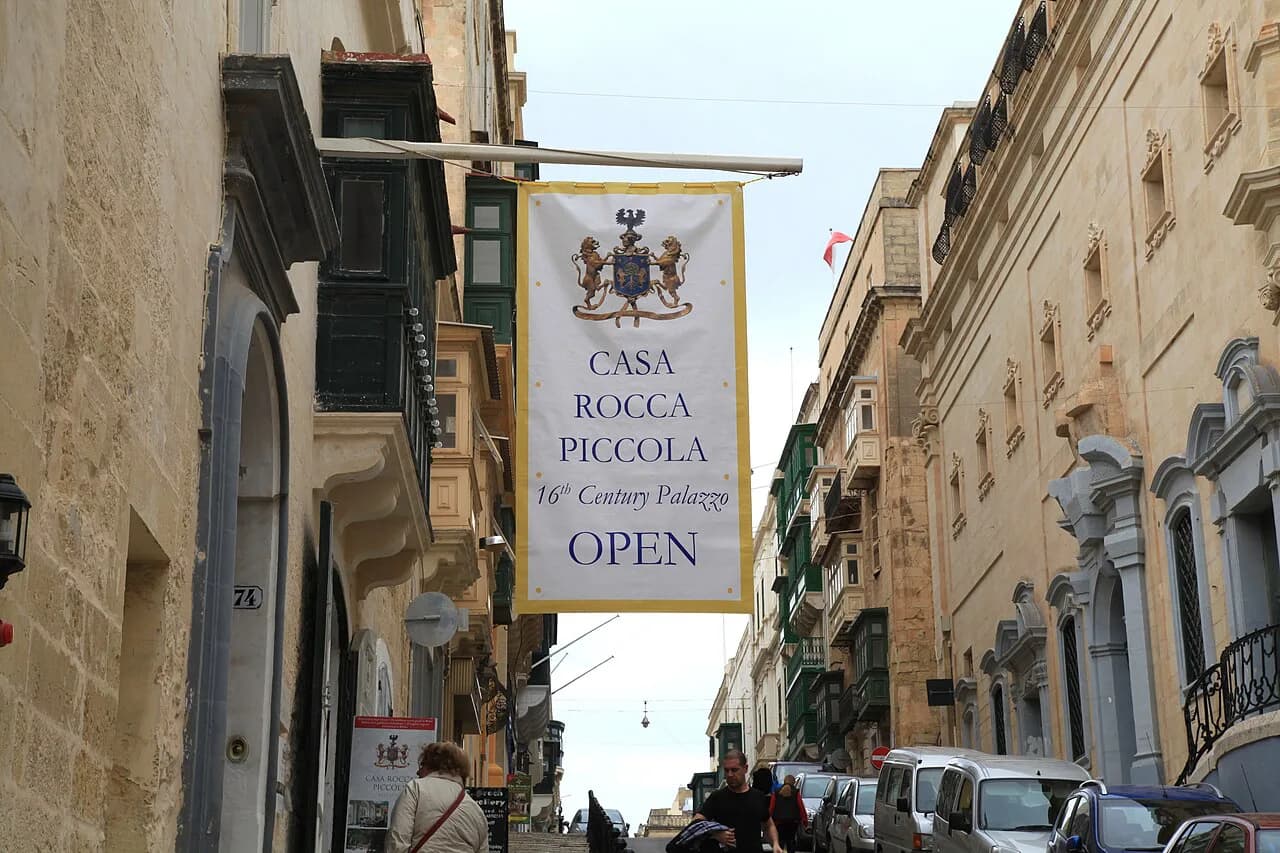
Casa Rocca Piccola: A Visitor's Guide to Valletta's Living Palace

Casa Rocca Piccola is a 16th-century palazzo, still the ancestral home of the 9th Marquis de Piro and his family, with parts of the house open to visitors as a private museum. Allow about an hour to 90 minutes if you take the hourly guided tour or use the audio tour, and a little less if you simply walk the rooms.
The point of the visit is not a polished museum display but a lived-in noble house: original furniture, paintings and family objects in the state rooms, a courtyard and garden, a World War II air raid shelter beneath the palace, and the resident parrot Kiko. This guide covers where it is, what to look for, the choice between the guided tour and the audio app, and how it fits around other sights nearby.
What Casa Rocca Piccola is
Casa Rocca Piccola was built in the 16th century for Don Pietro La Rocca, a Knight of Malta, and the palace is still lived in by the de Piro family. The rooms hold original furniture from different periods, old books, paintings and family artefacts, which is what makes the visit feel like stepping into a working household rather than a reconstructed display.
The palace was divided into two houses in the late 18th century, modified in 1918, and had an air raid shelter added before World War II, so the building itself tells several layers of Maltese history. Visitors should treat it as a family home that happens to open its doors, not as a state-run museum with everything behind glass.

Where it is on Republic Street and how to reach it on foot
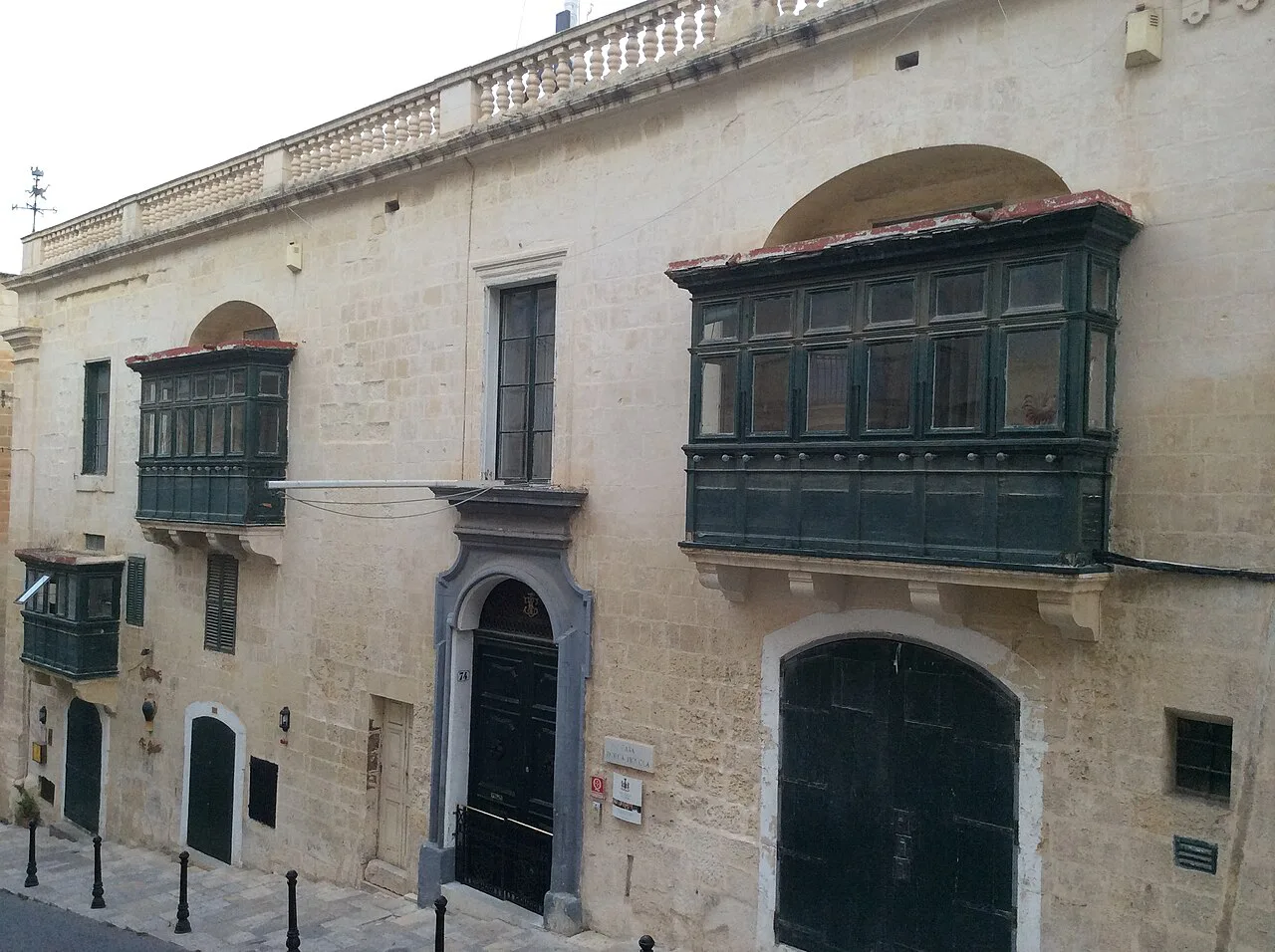
The museum is listed at 74 Republic Street, Valletta VLT 1117, close to the Grandmaster's Palace in the heart of the walled city. If you arrive at the Valletta Bus Terminus outside the City Gate, it is a short walk through the gate and up Republic Street rather than a bus or taxi ride inside the walls.
Parking inside Valletta is limited, so the practical approach is to use public transport or park outside the city walls and continue on foot; the walk from the bus terminus takes about five minutes. Note that the bed-and-breakfast associated with the palace has a separate address on St Dominic Street, so use the museum's Republic Street address rather than the B&B address.
What to see inside: state rooms, furniture, paintings and the courtyard
The state rooms hold original furniture from different periods, old books and paintings from the 1600s onwards, and the guided tour points out details such as servants' hidden doors and portraits with Sicilian mountain backgrounds that signalled land ownership. Look at the objects as part of a family collection that has accumulated over four centuries rather than as a curated exhibition.
The courtyard has rest tables and the garden, unusual in a Valletta house, is a calm place to sit; the palace's parrot Kiko is usually the centre of attention. The shady courtyard is a sensible pause in the middle of a hot walking day, and the garden gives the palace its historic nickname of the house with the garden.
Below the palace, the World War II air raid shelter sheltered more than 100 people during bombing raids and can be visited as part of the tour. It is a compact space and a stark contrast to the state rooms above, so allow a few minutes for it even on a short visit.
Guided tours, audio guides and self-guided visits
You can join an English-language guided tour every hour, lasting around 45 minutes, or walk round with a brochure in several languages or the audio tour app in English, French, Italian, Spanish and German. The guided tour adds the stories behind the furniture, portraits and shelter that you would otherwise miss, so it is the stronger choice for a first visit.
Most of the palace is wheelchair accessible, with a lift to the main floor. If you need step-free access or have mobility concerns, mention it when you arrive so staff can point you to the lift and the accessible route.
Opening hours and tickets: what to check before you go
Opening hours are published as Monday to Saturday, 10am to 5pm, and visitor listings show the same 10am to 5pm window. The palace is a private home, so confirm the day's opening and any last-entry time on the official Casa Rocca Piccola website before travelling, especially on a public holiday.
Admission prices are not published in the sources used here, so check the ticket price and any online booking option on the official site rather than relying on older figures. If you want a particular guided tour slot, check the day's tour times before you set out, since the palace is a private house rather than a large public museum.

How long to allow and when it is quietest
Allow around 45 minutes for the guided tour itself, plus 15 to 30 minutes to linger in the courtyard, garden and air raid shelter. A self-guided visit with the audio app takes a similar time, though you can move faster and skip rooms that do not interest you.
The palace is described as calm and intimate compared with crowded Valletta sights, which makes it a good break from the heat and the busiest streets. Arriving for an early tour or the early afternoon is a reasonable way to aim for a quieter visit; the palace is a private house rather than a large public museum, so crowds vary.
Nearby sights to pair it with
Because Casa Rocca Piccola sits on Republic Street near the Grandmaster's Palace, it pairs naturally with a walk through central Valletta and the other sights covered in our guide to Valletta Attractions: 16 Visitor Guides. St John's Co-Cathedral is a short walk away and is the obvious next stop if you are following the city's church and palace trail.
For views over the Grand Harbour, continue downhill to Upper Barrakka Gardens Valletta, where you can also see the Saluting Battery below. If military history interests you, the Lascaris War Rooms are cut into the bastions nearby and make a logical second stop after the palace's air raid shelter.
If you have time for a gentler walk, Lower Barrakka Gardens Valletta are further along the bastions and quieter than the upper gardens. Fort St Elmo Valletta, at the tip of the city, is a longer walk but combines with the National War Museum if you want a fuller day of Valletta history.
Is Casa Rocca Piccola worth an hour of your Valletta day?
Yes, if you want a lived-in noble house rather than another gallery: the state rooms, garden and air raid shelter give a different view of Valletta from the cathedral and forts, and an hour fits easily between other stops. Skip it only if your day is already full of Grand palaces and you prefer outdoor sights.
Check the official site for the day's opening, ticket price and tour times before you set out, then walk up Republic Street from the bus terminus and join the next hourly tour. Pair it with Upper Barrakka Gardens and the Lascaris War Rooms for a compact, central Valletta half-day.
Explore more Valletta guides
Frequently Asked Questions
Is Casa Rocca Piccola still a family home?
Yes. It is the ancestral home of the 9th Marquis de Piro and his family, and it is described as a palace still lived in by a noble Maltese family, with parts used as a private museum open to visitors. That is why the rooms contain original family furniture, books and paintings rather than reconstructed displays.
Do I need to book a guided tour at Casa Rocca Piccola?
Guided tours run every hour in English and last about 45 minutes, and you can also explore with a brochure or the audio app. Check the official site for current tour times and whether booking ahead is advised, especially if you want a specific slot.