Is Valletta Worth Visiting? An Honest Verdict for Your Malta Trip
Yes for most travellers: Valletta packs churches, palaces, gardens and harbour views into a walkable UNESCO-listed centre. Here is who it suits and who it does not.
On this page
Yes, Valletta is worth visiting for most travellers, and it deserves a full day at the very least. The Maltese capital is a UNESCO World Heritage Site whose churches, palaces, gardens and harbour fortifications sit inside a centre small enough to cross on foot in under twenty minutes. This guide sets out what you actually get, who the city suits and who should think twice, how long to allow, and the honest trade-offs.
The verdict up front: come for the architecture and the harbour views, plan a second day if you want the museums, and treat the Three Cities across the water as part of the same decision rather than a separate outing. If you want a beach holiday, base yourself elsewhere and visit Valletta as a day out.
What you actually get in Valletta
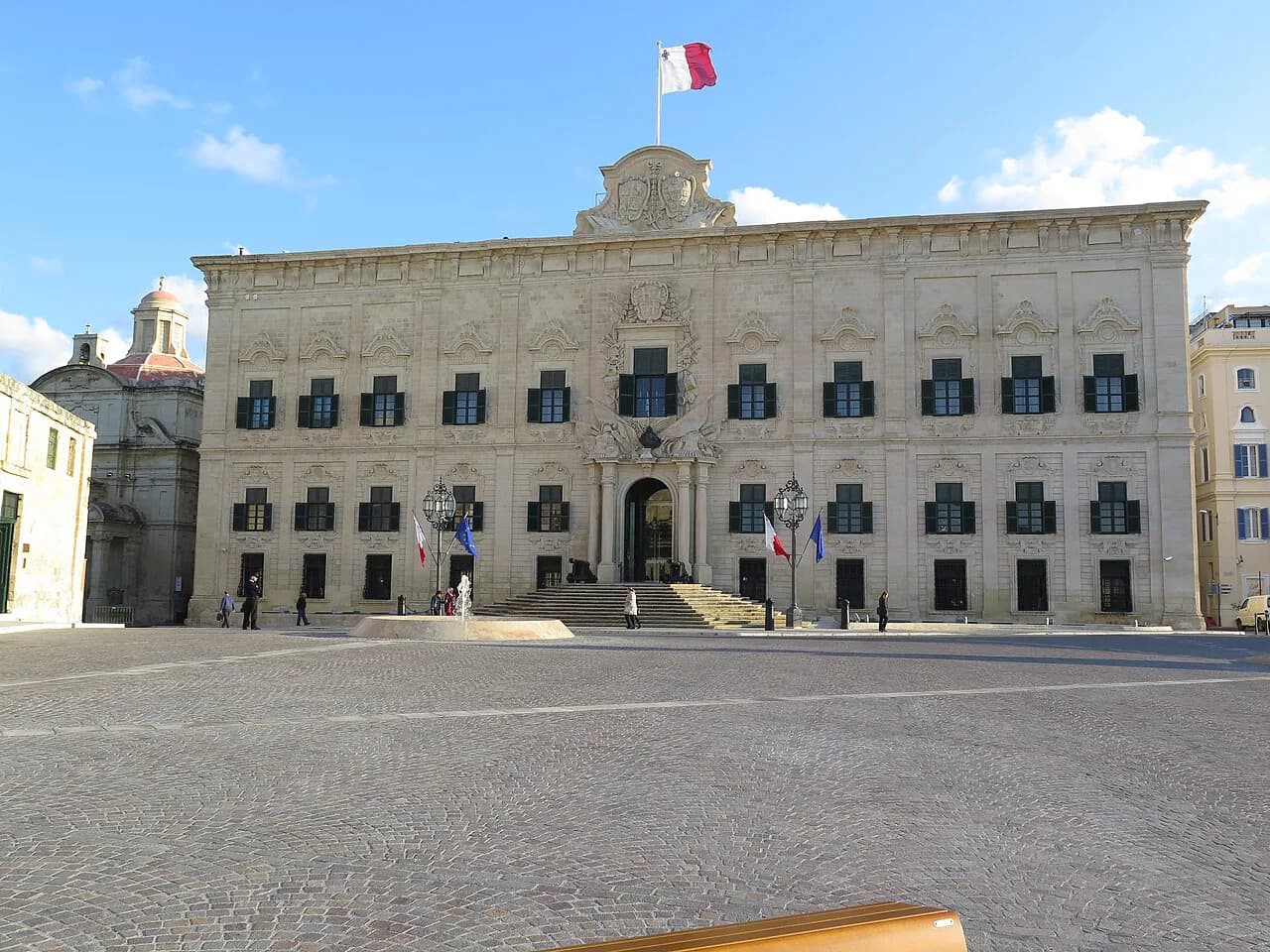
Valletta is a compact grid of honey-coloured limestone streets lined with painted wooden balconies, and the main sights cluster tightly enough that you can walk between them rather than queue for transport. The city was laid out by the Knights of St John in the 16th century, and the baroque churches and palaces they left behind are the reason most people come.
The headline set is a cathedral, a palace, two garden terraces, a star fort with a war museum and a cluster of smaller museums and mansions. All of it sits within the bastions, so a morning and an afternoon cover the core without rushing. Our Valletta map lays out the gates, squares and street lines so you can see how the pieces fit before you arrive.
The city also has a working everyday life beyond the sights: a covered market, independent shops, cafés on the squares and a restaurant scene that runs from casual to formal. Wandering the back streets away from Republic Street turns up small piazzas, hidden bars and courtyards, and it costs nothing.
Who Valletta suits
History and culture lovers get the best value here. The city holds a dense set of museums, galleries and cultural institutions, and it was European Capital of Culture in 2018, so there is usually something on beyond the permanent collections.
City-break travellers who want to walk everywhere and eat well in the evening are also well served. Valletta is small, compact and built for exploring on foot, and it works as a base for day trips to the rest of Malta thanks to a good public bus network.
Anyone who prefers a fixed plan to aimless wandering should book a Valletta walking tour for the first morning to get their bearings, then spend the rest of the trip on their own feet. The city is easy to navigate once you have seen the main axis from City Gate down to the harbour.

Who should think twice
If your idea of a Mediterranean holiday is swimming and sand, Valletta will not deliver it. The city has no beaches, and the nearest option is a short ferry hop across the water to Sliema if you want a swim. Come for the city and treat the sea as a separate afternoon.
Traffic is the other real drawback. Malta's roads are congested, public transport to and from the airport is slow when the traffic builds, and the approach into the city by bus can eat into a short break. Staying inside the walls or along the ferry route removes most of that friction.
Cruise days change the feel of the centre. When several ships are in the Grand Harbour, Republic Street and the cathedral fill up through the middle of the day, so walk the back streets early and save the ticketed interiors for after lunch. Our Valletta museums guide covers the interiors worth booking ahead.
The headline sights worth the trip
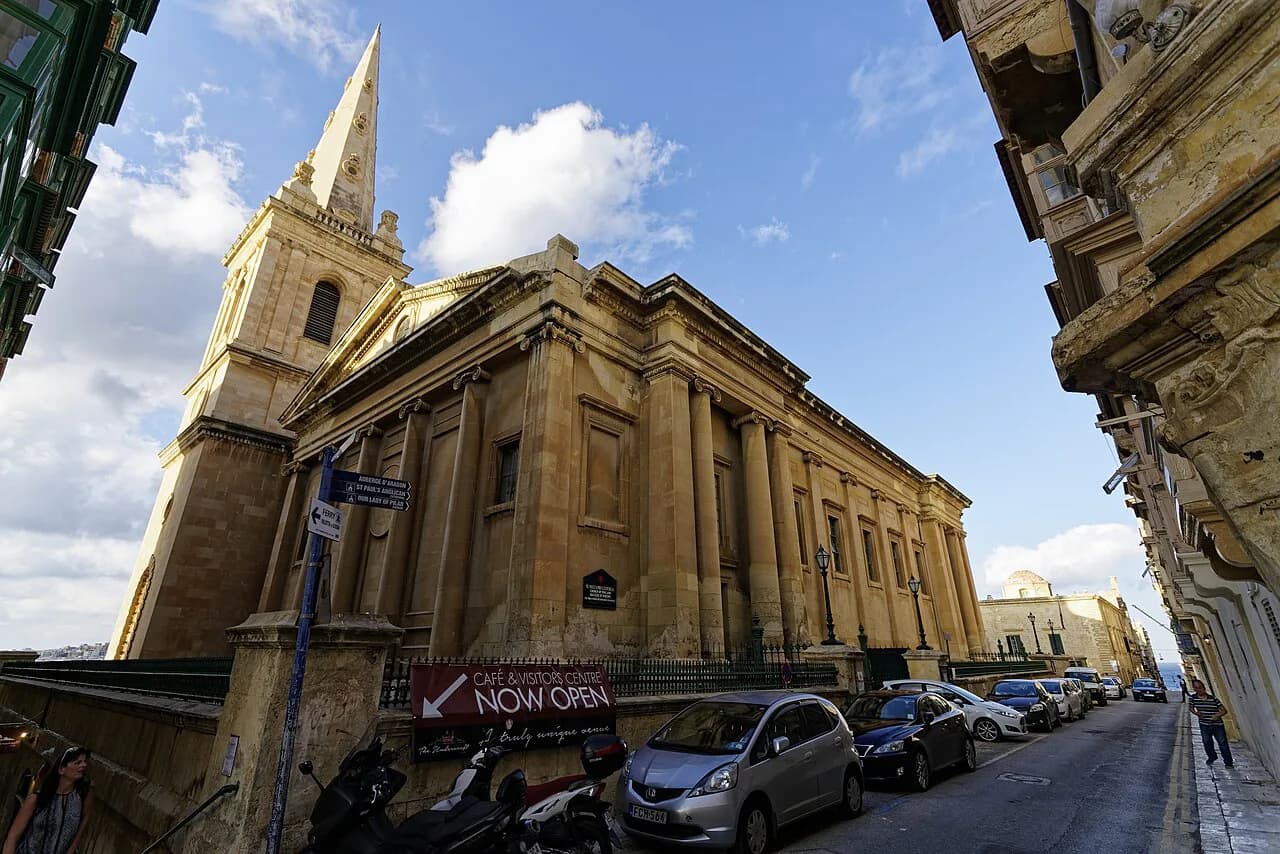
St John's Co-Cathedral is the one interior most visitors should not skip: a baroque church built as the place of worship for the Knights of St John, with the tombs of the Knights underfoot and a Caravaggio painting on display. Allow time for the audioguide rather than a quick look in and out.
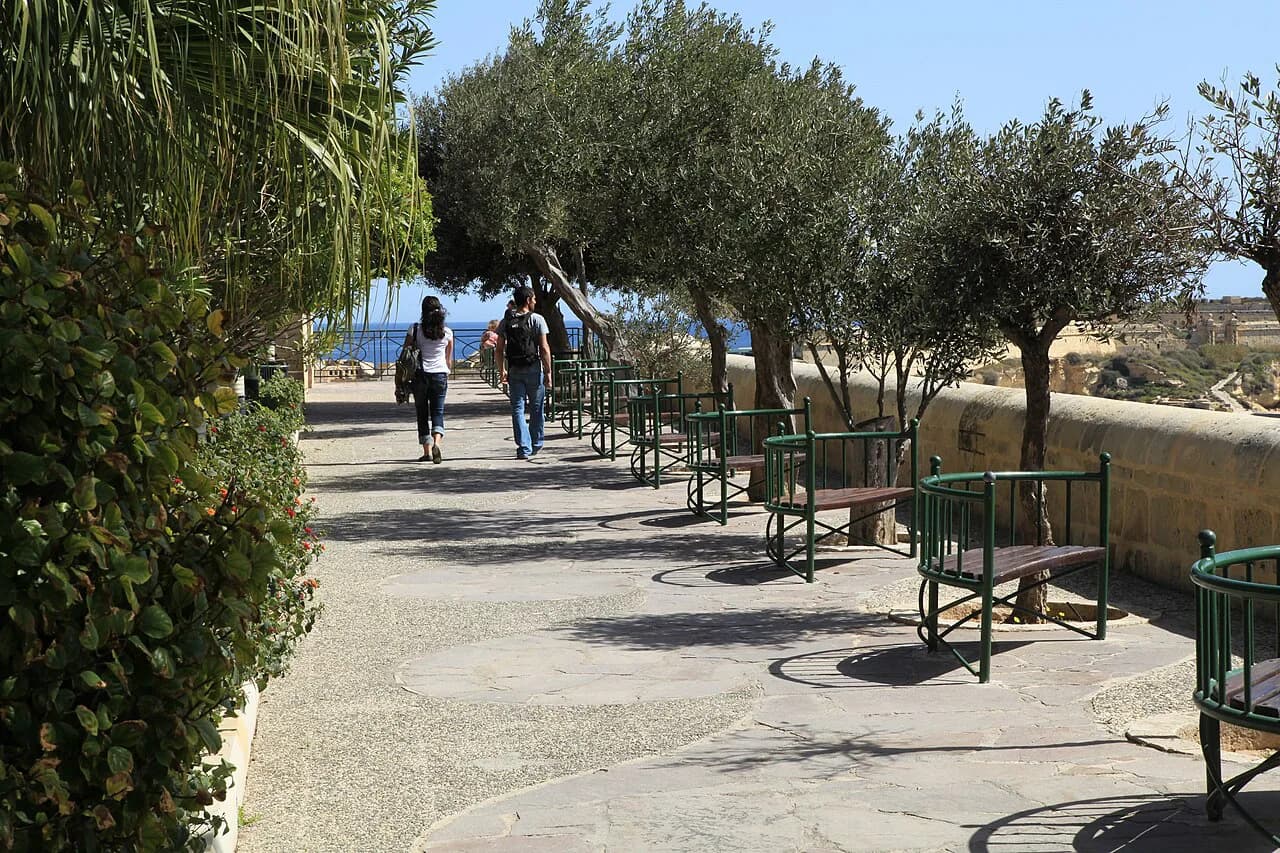
The Grand Master's Palace is the other major interior, used as the office of the President of Malta, and its State Rooms reopened in January 2024 after an extensive restoration. Combine it with the Upper Barrakka Gardens nearby, where the Saluting Battery fires a gun salute and the terrace looks straight down over the Grand Harbour.
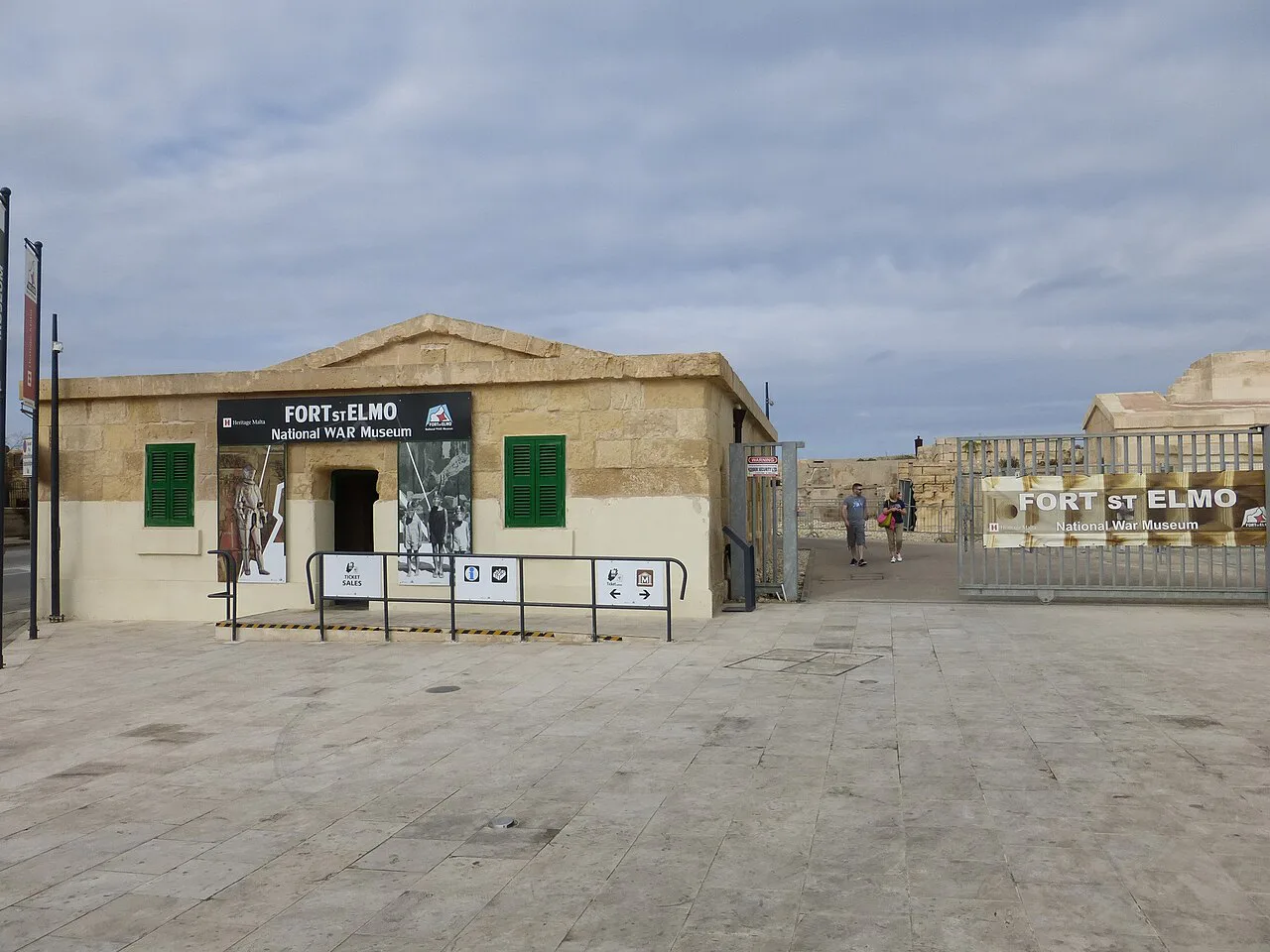
Fort St Elmo and the National War Museum anchor the tip of the city and cover Malta's military role in the Mediterranean, which is worth the walk if twentieth-century history interests you. Casa Rocca Piccola shows how the Maltese nobility lived behind plain facades, a useful counterpoint to the Grand state rooms.
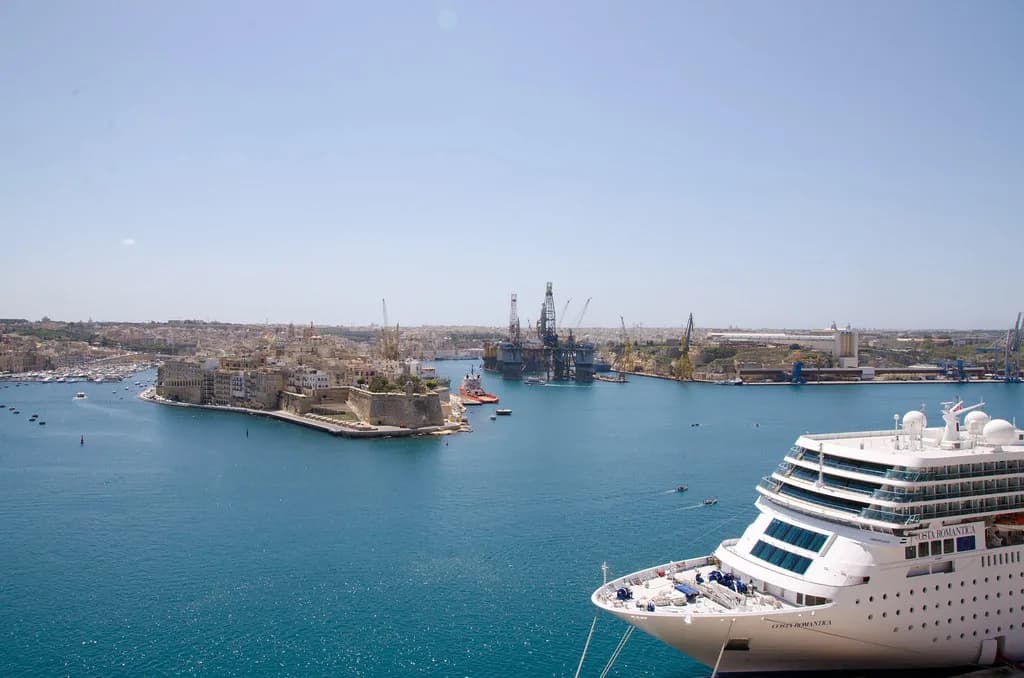
Lower Barrakka Gardens and the Siege Bell War Memorial close the circuit at the harbour end, with a view back across the water to the Three Cities. The garden terraces are our pick for a late-afternoon pause, and the Valletta gardens guide covers the rest of the green corners in the city.
Walks and views that cost nothing
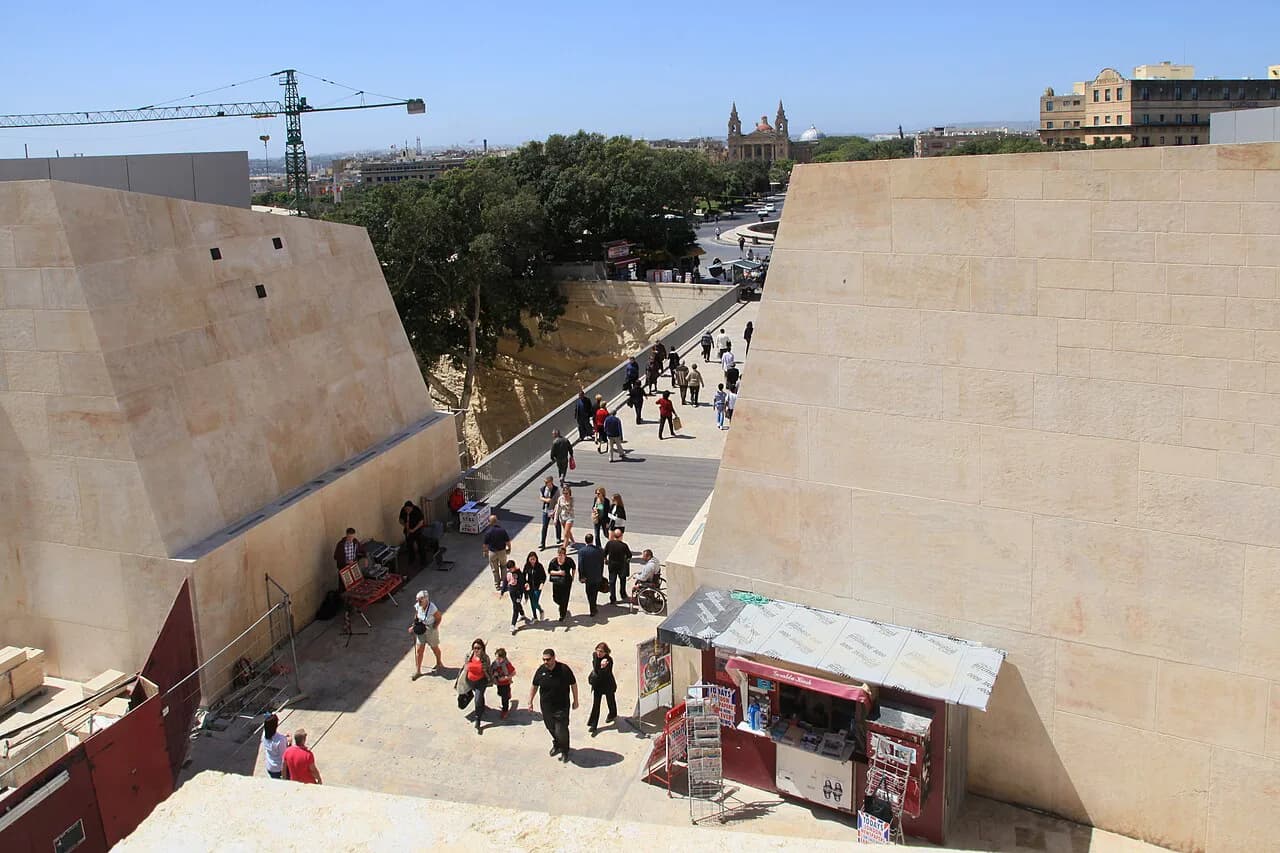
The cheapest good day in Valletta is a walk. Start at City Gate, follow Republic Street past the piazzas at Republic Square and St George's Square, then drop down to the fortifications on either side of the peninsula. The Triton Fountain outside the gate is the obvious meeting point before you go in.
Coffee in one of the squares is part of the experience rather than an afterthought: there are cafés set around Republic Square, St George's Square and St John's Square, all framed by 16th-century buildings. For a wider list of places to sit, the Valletta cafes guide covers the options square by square.
If you want to break up the walking with a browse, Merchant Street and the surrounding lanes hold small shops and the covered market. The shopping in Valletta guide maps the main shopping streets, while the Valletta market is the place to look for local produce and food stalls.
Beyond the city walls
The Three Cities across the Grand Harbour, Birgu (Vittoriosa), L-Isla (Senglea) and Bormla (Cospicua), are visible from the Valletta waterfront and reachable by a short ferry ride. Fort St Angelo in Birgu is the standout, and the harbour-side streets are quieter than Valletta's centre.
A harbour boat trip in one of the traditional Maltese wooden boats is short and inexpensive, and it gives you the city from the water, which is where the fortifications make most sense. Boats leave from the Valletta waterfront around Pinto's Wharf.
For planning the crossing and the boat options, our Valletta boat trip guide covers what leaves from where. The ferry to Sliema is the other easy hop if you want a change of scene or a swim.
How long Valletta needs
One day covers the highlights on foot: the cathedral, one palace or museum, both garden terraces and a harbour walk. That is a full day if you take the interiors seriously, and it is the minimum I would give the city on a first trip.
Two or three days lets you add the National War Museum, MUZA, the Lascaris War Rooms and a half-day in the Three Cities without racing. Our things to do in Valletta guide sets out the full list in a sensible order so you can build a two-day plan from it.
Practical trade-offs
Midday heat is the main physical constraint from late spring to early autumn: the streets are narrow but exposed at the squares, the gardens and the fortifications. Plan interiors and lunch for the hottest hours and walk the bastions in the morning or late afternoon.
Crowds follow the ships. On heavy cruise days the cathedral and Republic Street are busiest through the middle of the day, so walk the back streets early and save the ticketed interiors, including the cathedral, for the quieter late afternoon. Our Valletta churches guide covers the smaller ones worth stepping into.
Food costs vary widely. There are casual cafés and a growing street-food scene alongside fine dining, and visitors report that Valletta feels cheaper than comparable European capitals for coffee, drinks and a three-course dinner.
Is Valletta worth the trip for you?
Come for at least a day. Valletta gives you a walled baroque city you can walk end to end, a cathedral interior that justifies the ticket on its own, free harbour views from the garden terraces, and a waterfront position that puts the Three Cities within a short boat ride.
Skip it as a base if you want a beach holiday or you cannot tolerate slow traffic in and out. Visit as a day trip instead, and give the city the whole day rather than an afternoon between other stops.
Explore more Valletta guides
Sources
Notes for your Malta trip
Optional updates when we add or correct a Malta or Gozo guide.
You might also like
Continue reading
More guides you'll find useful