Is St Julian's Worth Visiting? A Straight Answer for Malta
St Julian's suits travellers who want a waterfront promenade, Spinola Bay and easy walks to Sliema. Here is what you see and who should look elsewhere.
On this page
St Julian's is worth visiting for a half-day on foot along the seafront, and worth considering as a base only if a promenade, cafés and short rides to Sliema and Valletta matter more to you than old stone streets. The draw is the coast between Spinola Bay and Balluta Bay, not a checklist of ticketed sights. This page covers what each end of town offers, how long to allow and where St Julian's fits against Sliema, Valletta and the Three Cities.
Is St Julian's worth visiting? The short answer
Yes, with conditions: come for the waterfront and the walk towards Sliema, and treat the town as somewhere to stroll rather than a place built around one headline sight. Spinola Bay is described as the heart of St Julian's, still used by fishermen and lined with bougainvillea-clad cafés and restaurants, which tells you most of what the visit involves. If you want fortifications, cathedrals and car-free lanes, Valletta or the Three Cities give you a denser day.
The honest trade-off is that St Julian's rewards walking and lingering, and gives little to travellers who prefer ticking off museums. One account of the seafront notes there are no sandy beaches at the bay itself, with sunbathing possible from flat sandstone rocks at the water's edge and an outdoor lido along the way. If sand is non-negotiable, plan around that rather than around the town.
What there is to see: Spinola Bay, Balluta Bay and Balluta Square
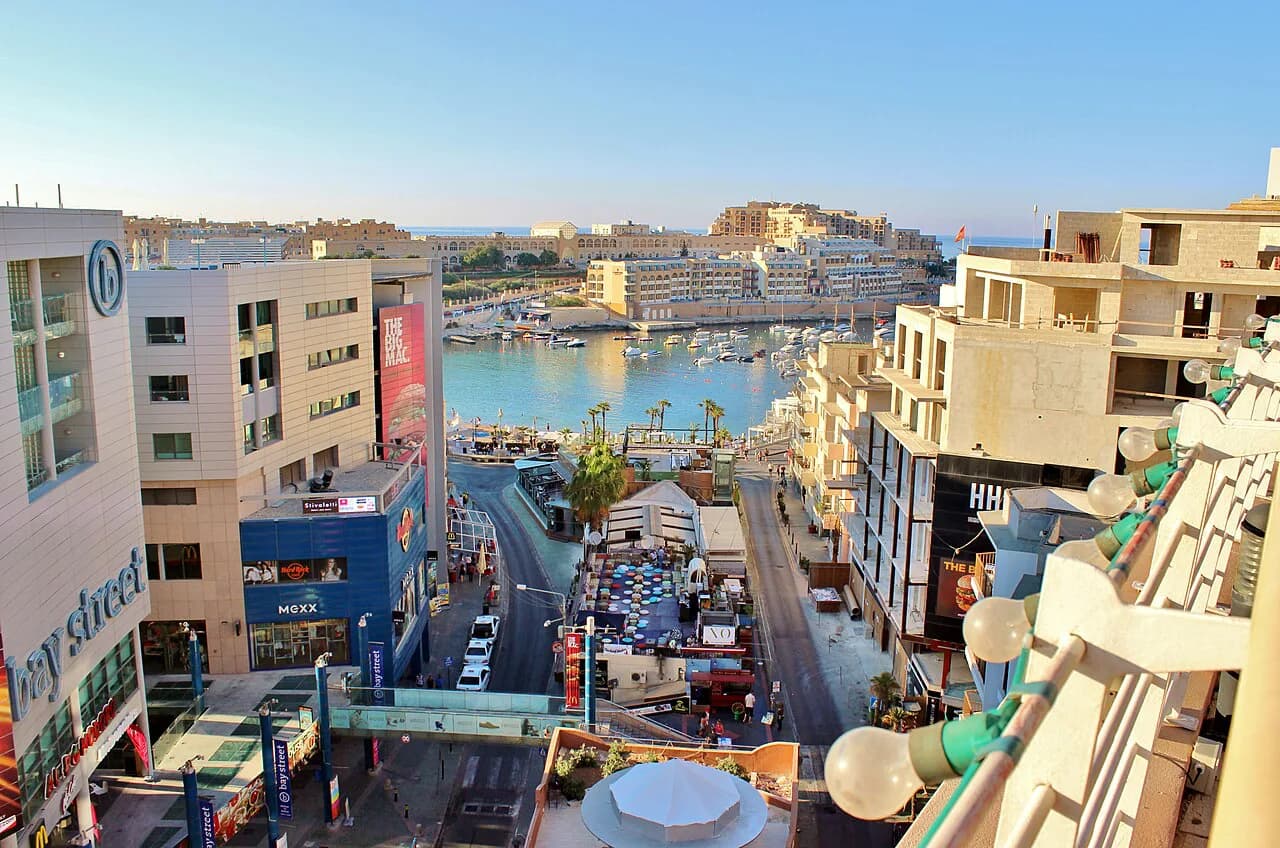
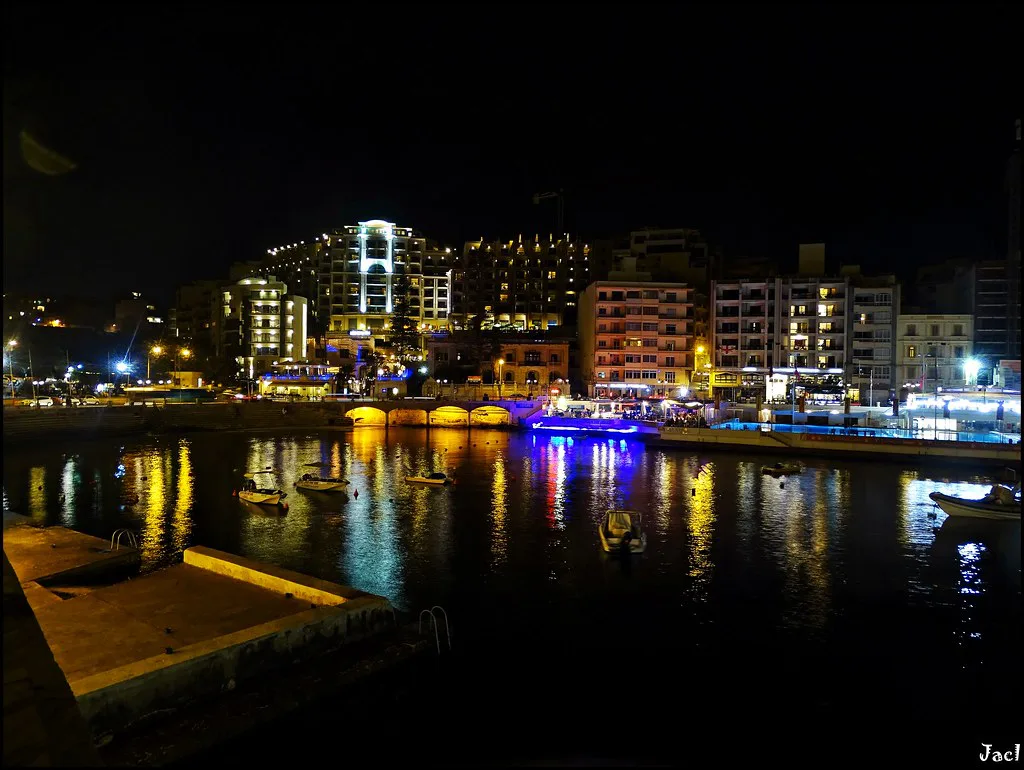
The two bays do different jobs, and knowing which is which saves a wasted walk. Spinola Bay is the livelier end: a small working bay with traditional fishing boats, cafés and restaurants around the water, and streets behind it that still hold old dwellings and boat houses. Sit, order a coffee and watch the boats rather than rushing through.
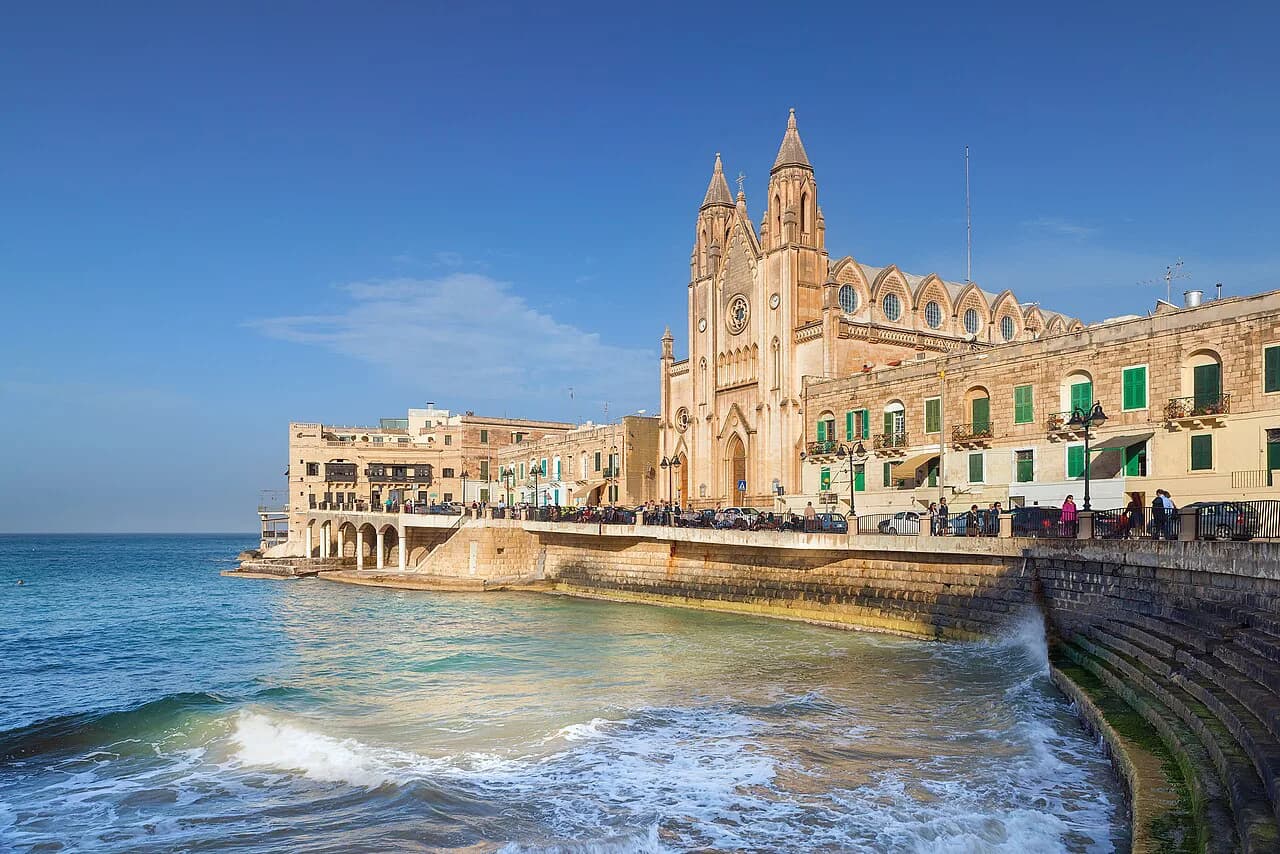
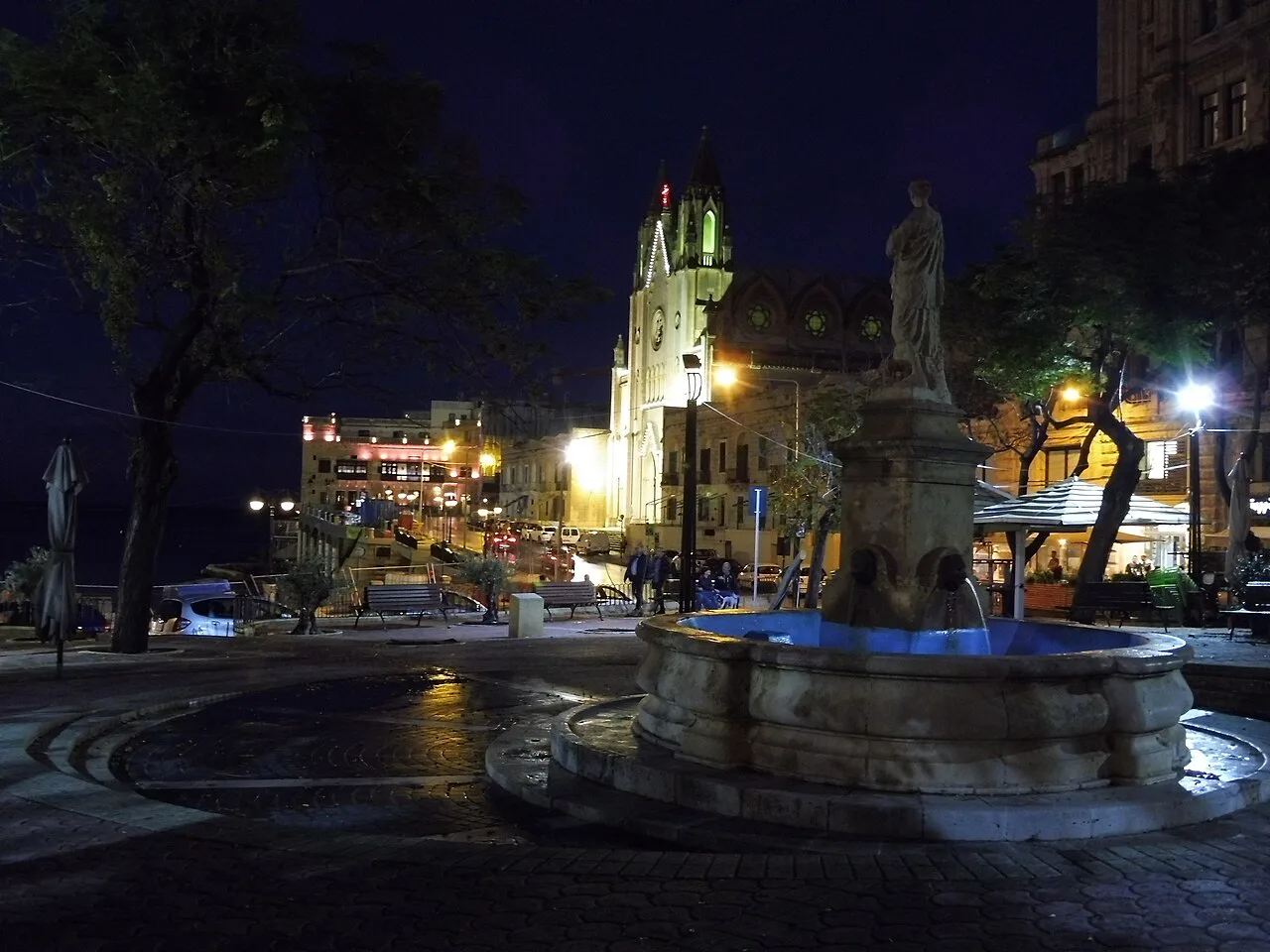
Balluta Bay is the other anchor, with the Church of Our Lady of Mount Carmel overlooking the water and restaurant terraces set among the buildings around Balluta Square. The seafront between the two bays is best covered with a St Julian's map, which shows how Spinola and Balluta connect on foot.
Between the two, the seafront holds most of the things to do in St Julian's: the bays, the promenade and the café terraces. Start with the area guide before deciding how to split your time.
The promenade walk to Sliema and what you pass
The promenade is the main event. A broad, tree-lined path runs from the St Julian's end towards Sliema, passing an outdoor lido and two water polo courts, then winds round the bay through gardens with open-air cafés before reaching Sliema itself. Walk it one way and return by bus to avoid doubling back on the same pavement.
Allow more time than the distance suggests, because the point is the stopping: a drink at Balluta Bay, a look back across the water, a detour into the gardens. The path is easy underfoot and needs no special kit, which suits a warm day when you would rather not climb hills. Sliema's seafront continues the same walk, so you can extend it without changing plans; the St Julian's promenade guide sets out the full stretch.
Spinola Palace, Portomaso Marina and Fort Manoel nearby
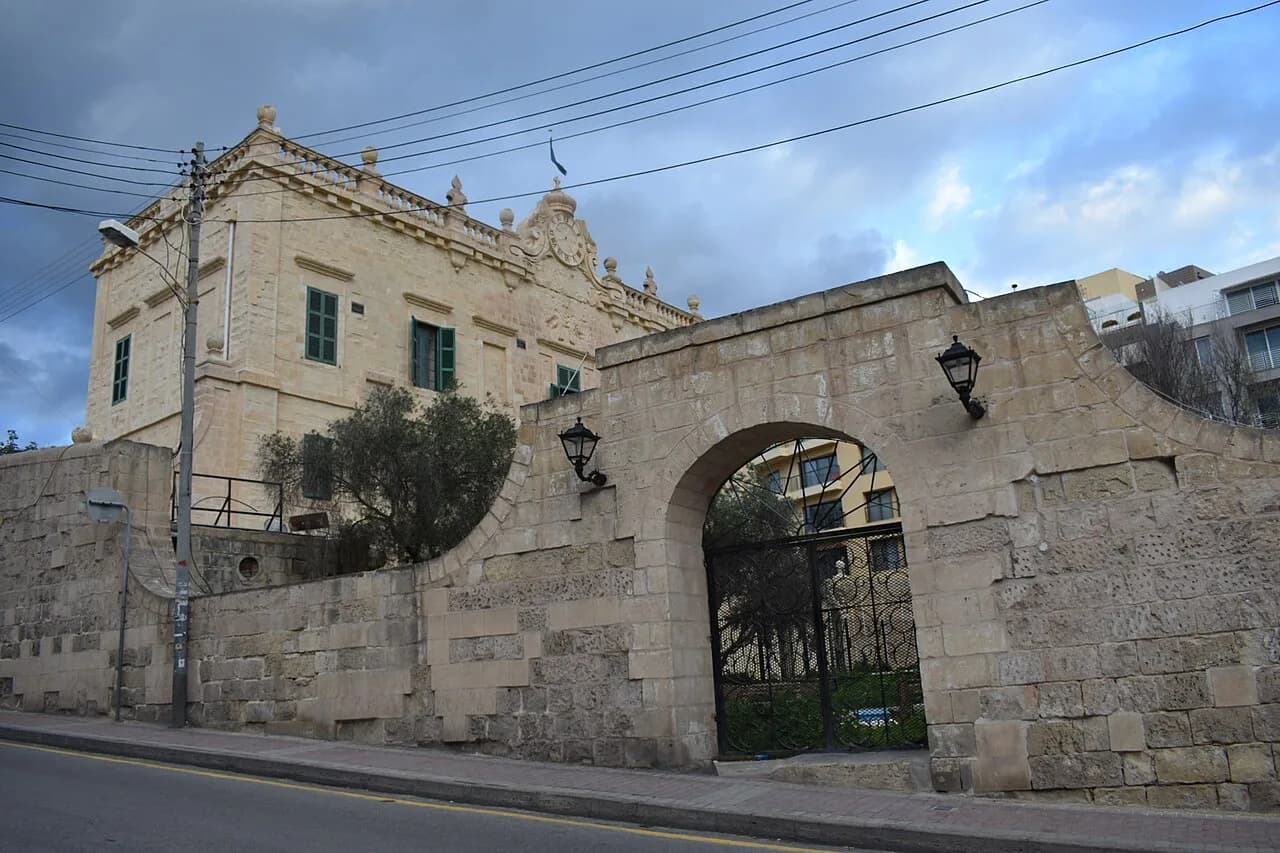
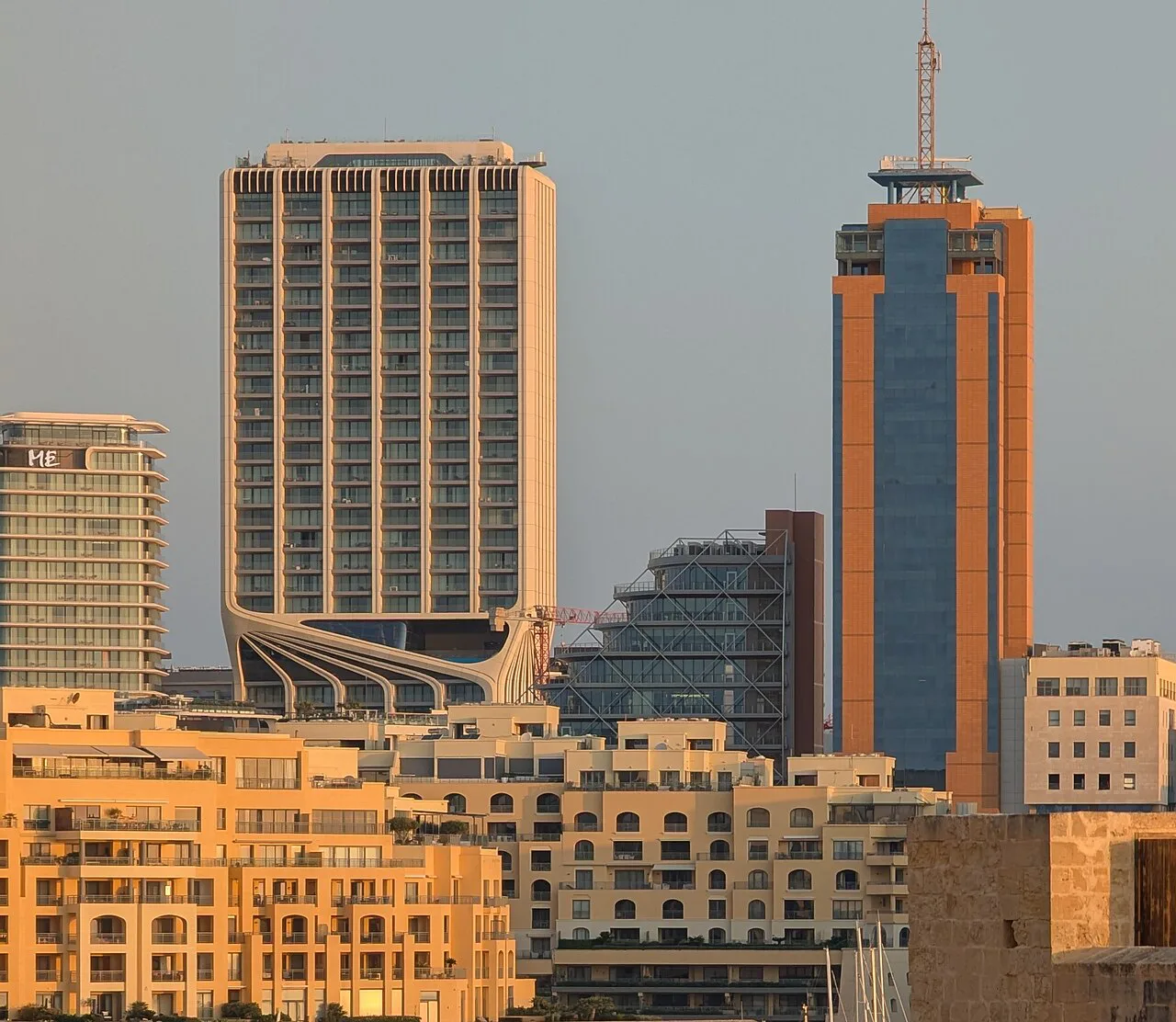
Two named stops round out a visit. Spinola Palace is a seventeenth-century building in St Julian's, and Portomaso Marina, with its yachts and waterfront restaurants, sits within walking distance of the centre. Neither needs a timed slot; you pass them while moving between the bays.
Fort Manoel, an eighteenth-century fort built by the Knights Hospitaller in Marsamxett Harbour, is a short drive from St Julian's rather than a walk, so treat it as an add-on for a day when you are already heading towards Valletta. For eating between these stops, the best restaurants in St Julian's are spread across the bays rather than clustered in one strip, so decide which end you will finish at before booking.
How long St Julian's needs and how it fits a half-day
Give St Julian's half a day: a slow circuit of Spinola Bay, the walk along the promenade past the lido to Balluta Bay, and a drink or meal at whichever end you finish. That pace covers the seafront without padding and leaves the rest of the day free for Valletta or Mdina. Try to stretch it into a full day and you fill the hours with cafés rather than sights.
If shopping is part of your plan, the Bay Street Shopping Complex combines retail shops with entertainment options in St Julian's, a natural final stop before you leave. Keep it as a short addition rather than the reason for the trip.
Getting there and getting around without a car
St Julian's is easy to reach without a car. Malta International Airport is less than a thirty-minute drive, bus or taxi ride away, and public buses are described as regular and frequent, with the seafront from Gżira to St Julian's a popular stretch for walkers. Once you are in town, walking covers most of what you came for.
Use buses for the longer hops and keep walking for the bays themselves, which avoids hunting for parking near Spinola Bay. Boat trips to Gozo and Comino are booked through operators rather than leaving from the town's own bays, so arrange onward transport before committing to a boat day.
Who St Julian's suits and who should base themselves elsewhere
St Julian's suits travellers who want a seafront base with restaurants on the doorstep, a walkable promenade and quick links to Sliema and Valletta. It also suits anyone who values an evening stroll over a schedule of monuments. Couples and older travellers after a gentler waterfront day will find the Spinola Bay to Balluta Bay stretch enough on its own.
It suits less well if you want a sandy beach at the door, since the bay itself has flat rocks and a lido rather than sand, or if historic streets and fortifications are your priority. The wider St Julian's area also takes in Paceville, Malta's main nightlife district, so light sleepers should weigh that when picking where to stay. If either point is decisive, Sliema, Valletta or the Three Cities serve you better.
Where St Julian's sits against Sliema, Valletta and the Three Cities
Against Sliema, St Julian's is the smaller, bay-focused version of the same seafront: Sliema is a heartland for shopping and café life, while St Julian's has the two bays and the walk between them. The promenade connects the two, so you can compare them in a single afternoon rather than choosing blind. Against Valletta and the Three Cities, it simply offers a different day: water and terraces instead of bastions and auberges. Shopping in St Julian's is modest by comparison, so treat it as an add-on rather than a reason to come.
On a short Malta trip, put Valletta or the Three Cities first for history, then St Julian's or Sliema for a waterfront half-day, folding Fort Manoel into the Valletta side of the plan. Book the historic days first and slot St Julian's in as the relaxed counterweight, so the town gets the time it deserves without displacing the places that need a full day.
So should you go?
Go to St Julian's for a half-day on foot: Spinola Bay first, the promenade walk past the lido to Balluta Bay second, and a meal at whichever end you finish. Skip it only if you need sand under your towel or want a full day of historic sights, in which case give the time to Valletta or the Three Cities instead.
Frequently Asked Questions
What is there to see in St Julian's?
The two bays are the core: Spinola Bay with its fishing boats and café terraces, and Balluta Bay with the Church of Our Lady of Mount Carmel and Balluta Square. Add the promenade walk towards Sliema, a look at Spinola Palace and Portomaso Marina, and Fort Manoel if you are heading towards Valletta.
Is St Julian's good for a half-day or a full day?
Half a day is enough for the seafront, both bays and a stop for food. A full day only makes sense if you extend the promenade walk into Sliema or add Fort Manoel and Valletta. The town itself does not have enough ticketed sights to fill a whole day at a leisurely pace.
Does St Julian's have a sandy beach?
Not at the bays described here. The seafront has flat sandstone rocks used for sunbathing and an outdoor lido along the promenade, while St George's Bay is the sandy option in the wider area. If a sandy beach is your priority, plan around that rather than around the town's own waterfront.
Sources
Notes for your Malta trip
Optional updates when we add or correct a Malta or Gozo guide.
You might also like
Continue reading
More guides you'll find useful