3 Days in Valletta: A Workable Itinerary for the Capital
A three-day Valletta itinerary built around the city's gates, gardens and palaces, with a morning across the harbour in Birgu and an honest look at what fits.
On this page
Three days in Valletta is enough for the city's core and one day across the harbour, and it does not stretch to the whole island. Plan two days on foot inside the walls and a third in the Three Cities, then treat the temples, Mdina and Gozo as competing options rather than a checklist. This itinerary covers the walking order, the practical time blocks for each sight, and the closing days that quietly break a three-day plan.
The shape of the plan
Valletta is compact enough to cover on foot, and that is the argument for basing yourself here rather than at a resort. The city sits on a peninsula between two harbours, so the natural walking day runs from City Gate down the grid of streets to Fort St Elmo, with the Upper Barrakka Gardens on the harbour side as a late-afternoon finish. The full list of things to do in Valletta is longer than three days allows, which is why the plan is deliberately selective.
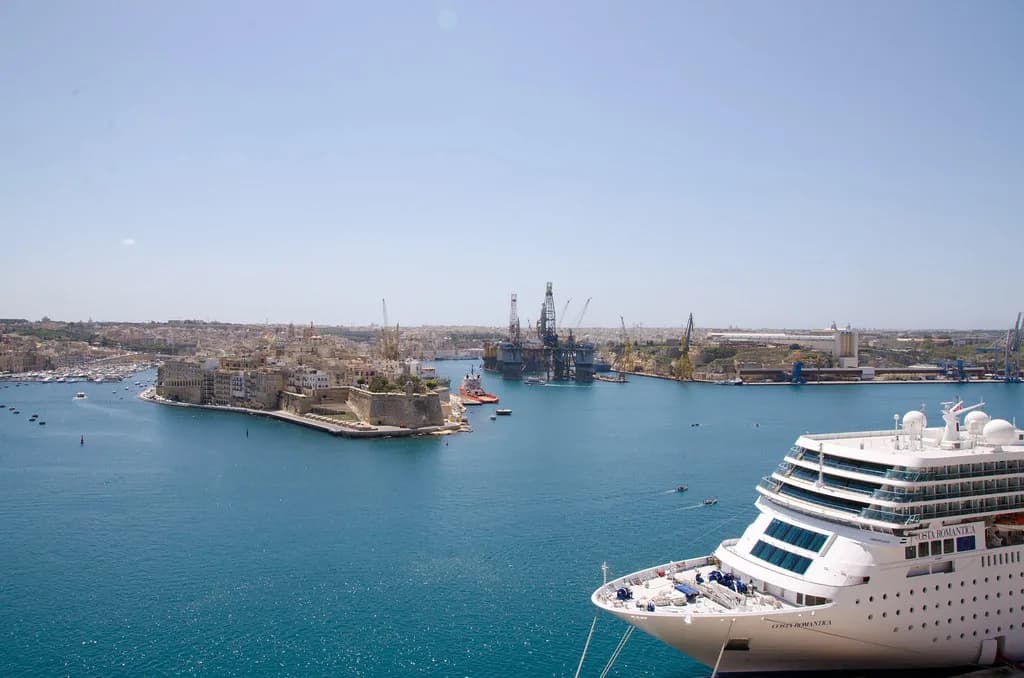
Across the Grand Harbour lie the Three Cities: Birgu (Vittoriosa), Senglea (L-Isla) and Cospicua (Bormla). They are quieter and more residential than the capital, and a ferry from the Valletta side of the harbour reaches them in a short crossing, with the Three Cities walkable from each other once you are there. That crossing turns a harbour day into a short commute rather than a bus ride through traffic.
Day 1: Valletta's core on foot
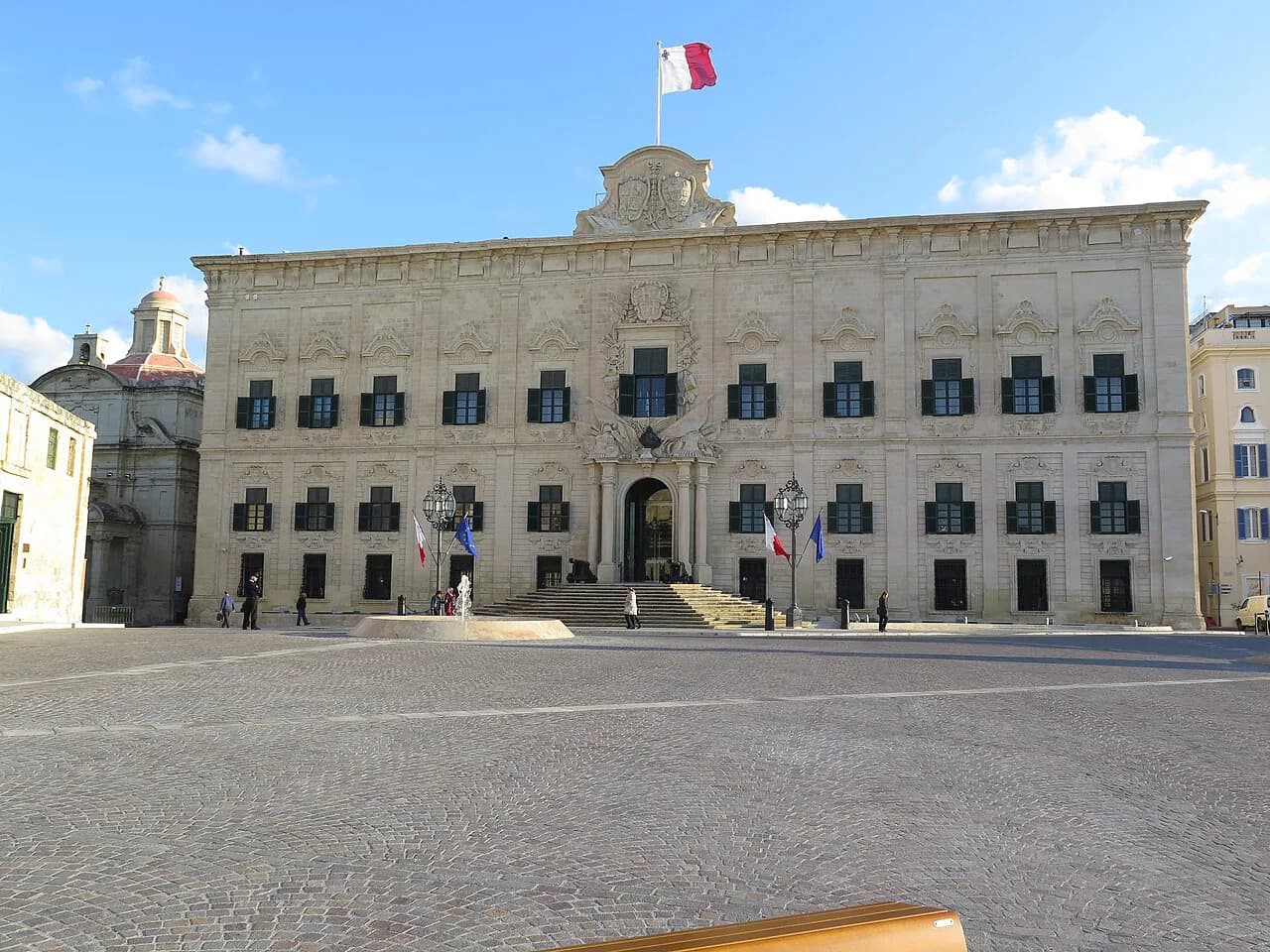
Start at City Gate and walk in rather than around: the Triton Fountain and the gate mark the entrance to the grid, and everything on day one sits within a few minutes of it. Keep the morning for the interiors, because the streets have far fewer people before the day-trippers arrive. A Valletta Map is worth having on your phone even though the centre is small, since the street names repeat across parallel blocks.
St John's Co-Cathedral is the interior to schedule first. Its visitor hours run Monday to Saturday 9:00 to 16:45 with last entry at 16:15, and it closes on Sundays and public holidays, so a Sunday arrival in Malta should push the cathedral to the Monday. Inside, the Caravaggio works, including The Beheading of St John the Baptist, are the reason many visitors come at all.
The Grandmaster's Palace follows, and it rewards more time than people give it. Its published hours are 9am to 5pm with a Friday closure, and roughly two hours is the sensible allowance once you are inside the state rooms and the armoury. Build that block into the middle of the day and let lunch fall afterwards rather than before.
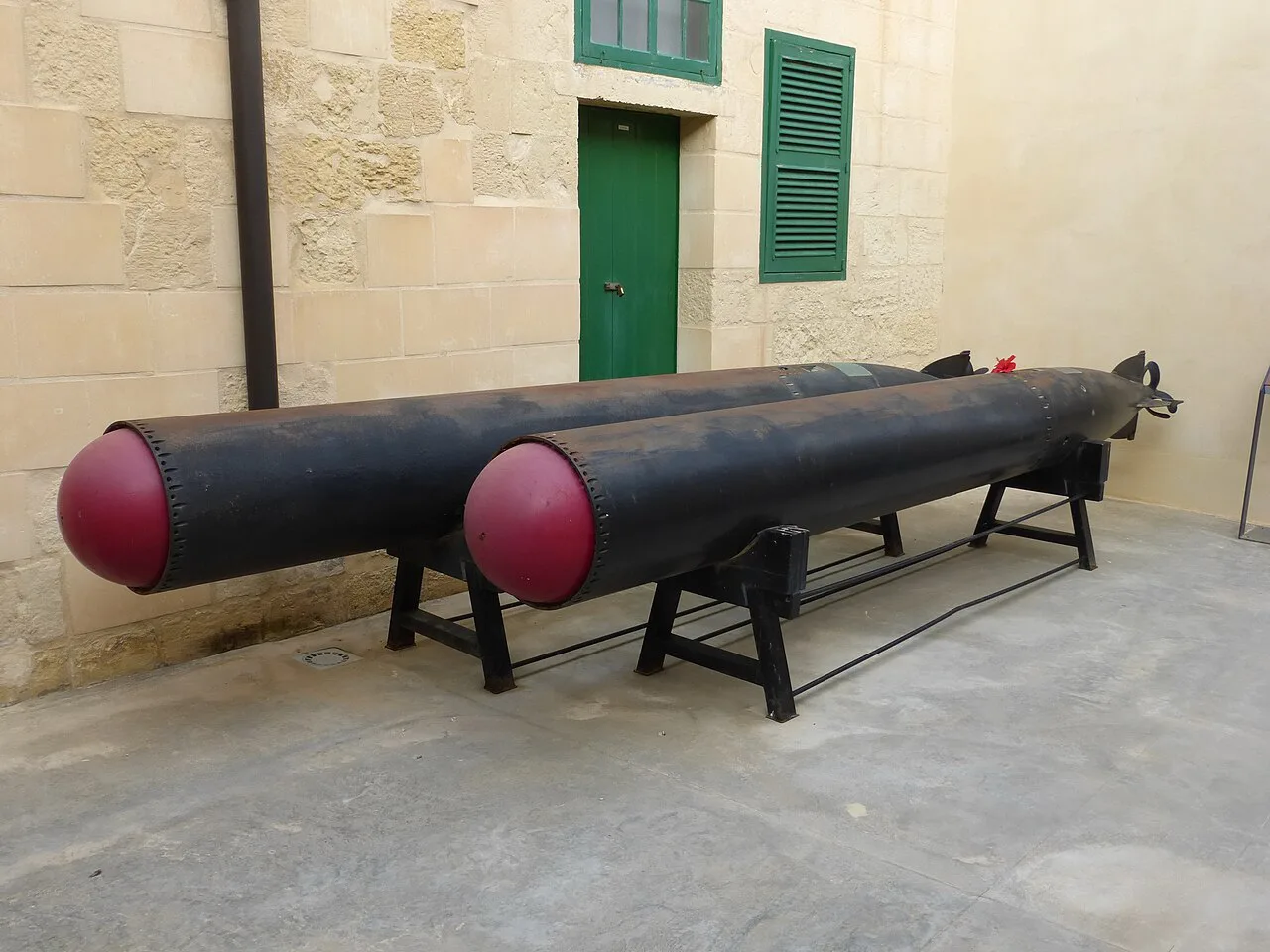
Finish the walking loop at Fort St Elmo, on the tip of the peninsula, where the National War Museum covers Malta's military story and gives the day a second indoor stop. If the weather turns or your energy drops, the museums in Valletta give you indoor options that do not require re-planning the whole route.
How long each sight actually takes
Time blocks are where three-day plans fail. Allow about two hours for the Grandmaster's Palace, and treat St John's Co-Cathedral as a ninety-minute visit if you want to look at the Caravaggio paintings properly rather than walk past them. Fort St Elmo and its war museum will absorb an hour or more on their own, so a morning plus an afternoon is realistic for all three and not much else.
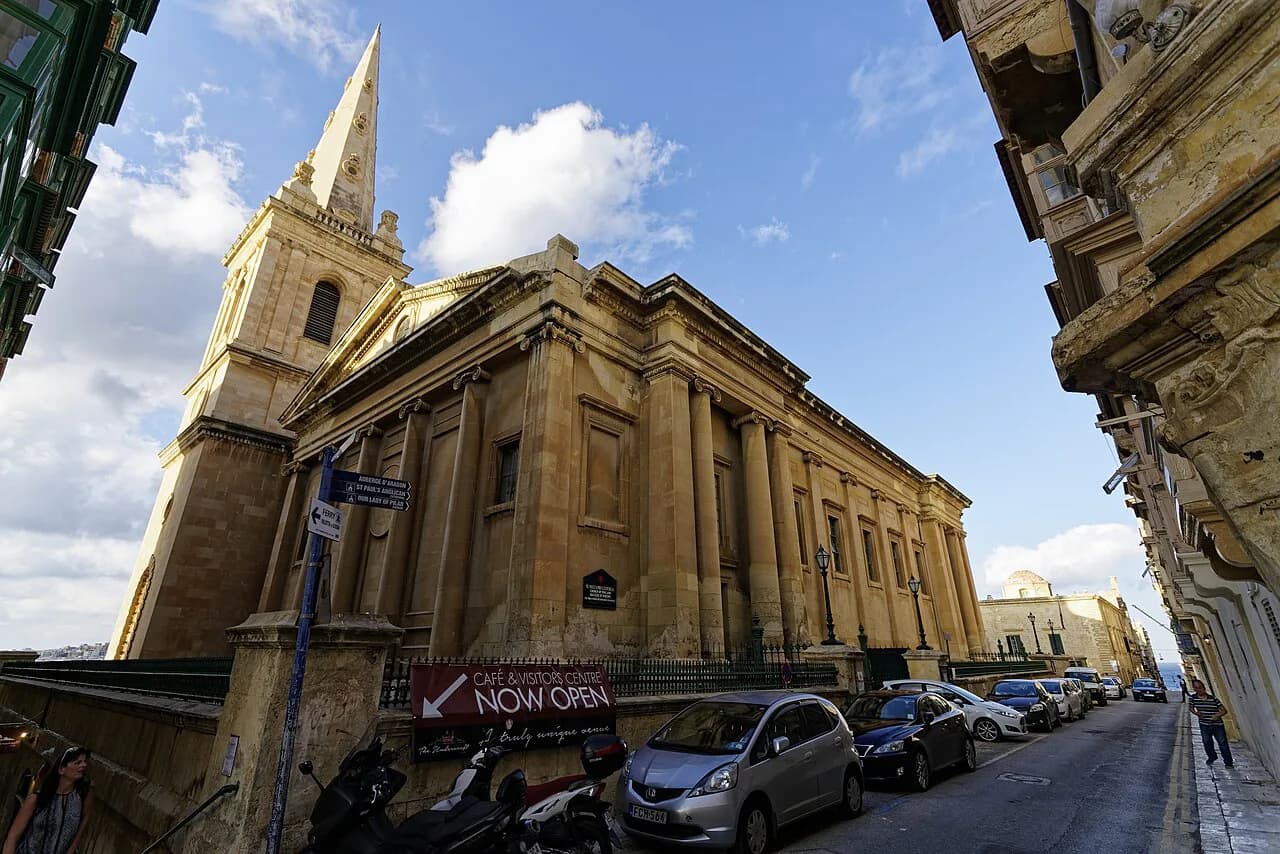
The dress code matters for the cathedral: modest dress is expected, and stilettos are not permitted because they damage the marble floor. Carry a light layer for shoulders even in warm weather, since this is the one interior where turning up in beachwear will stop you at the door. Details for the city's other religious buildings, plus which are free to enter, are set out in the guide to Valletta churches.
Upper Barrakka Gardens and the time gun
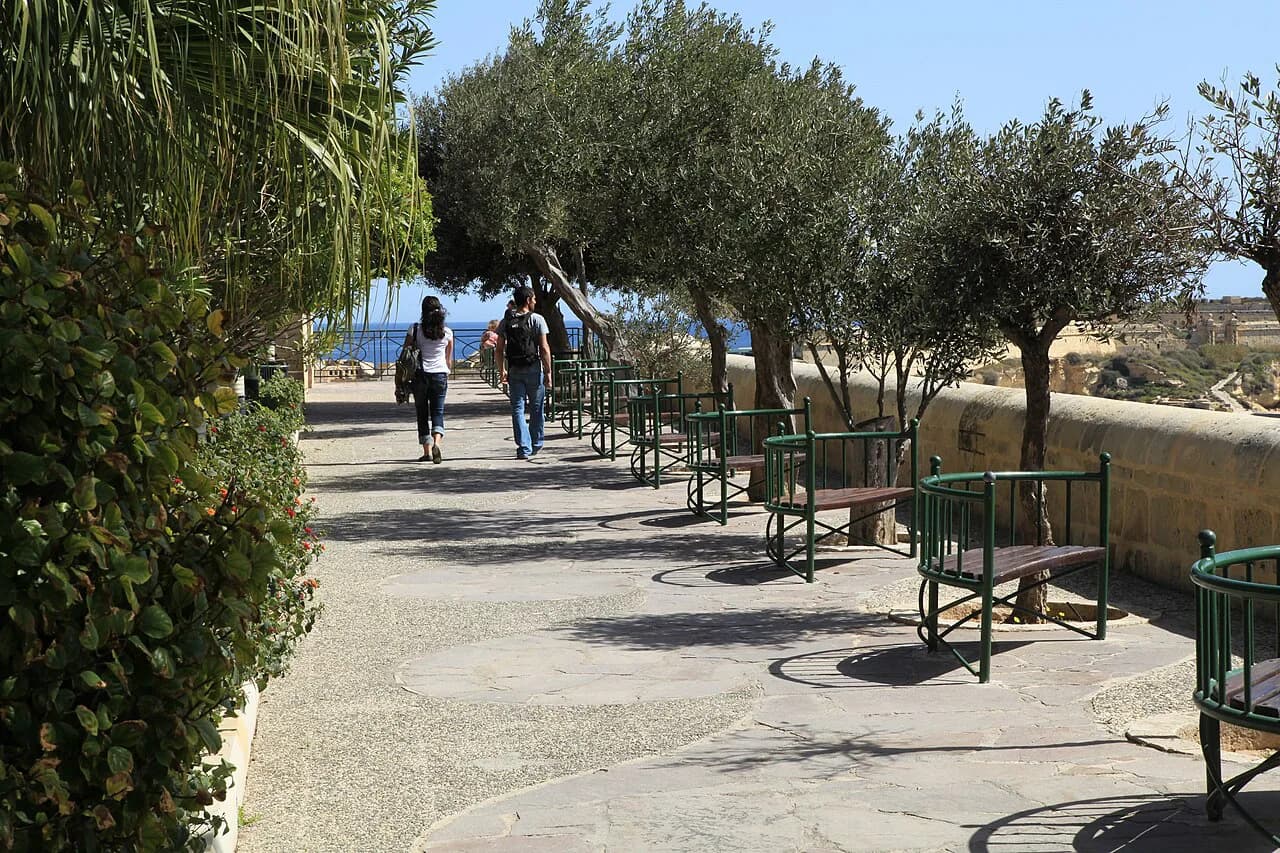
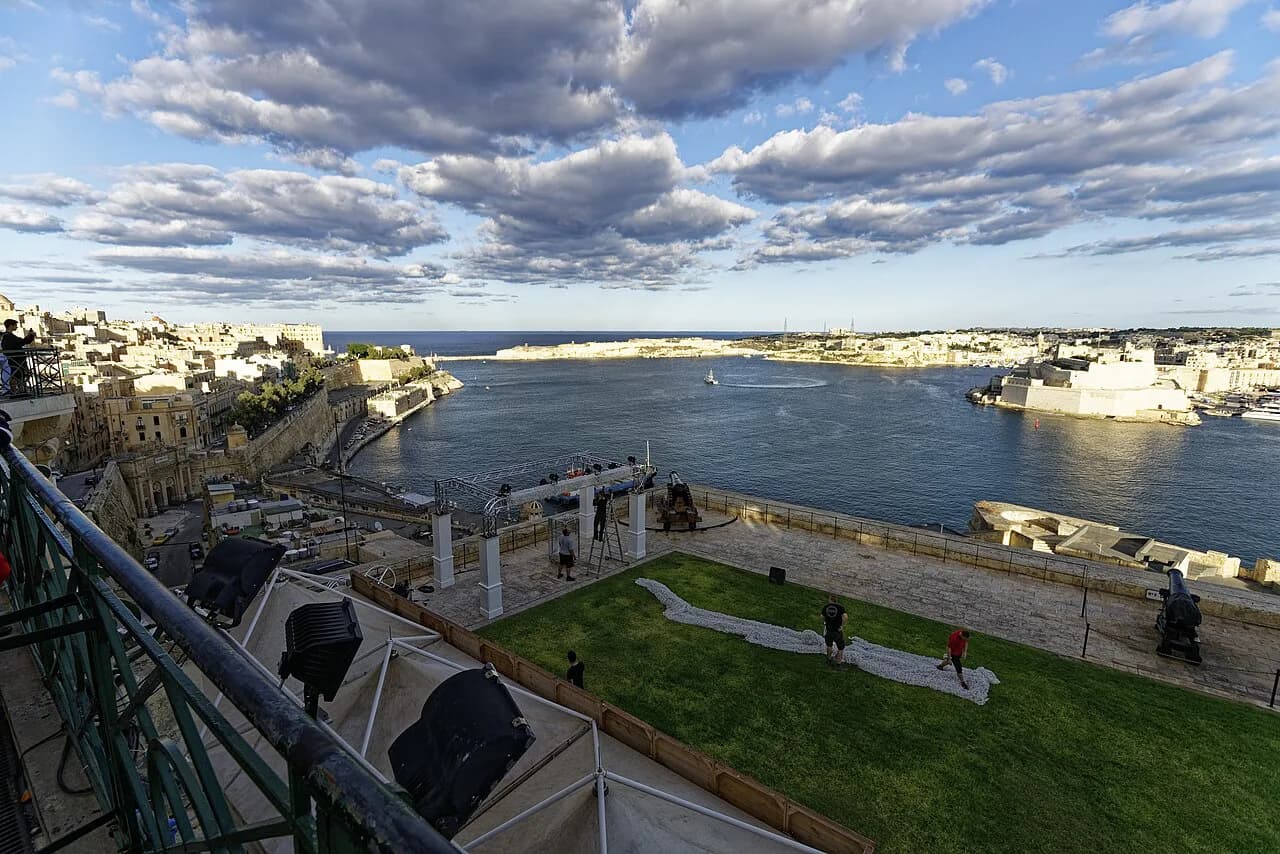
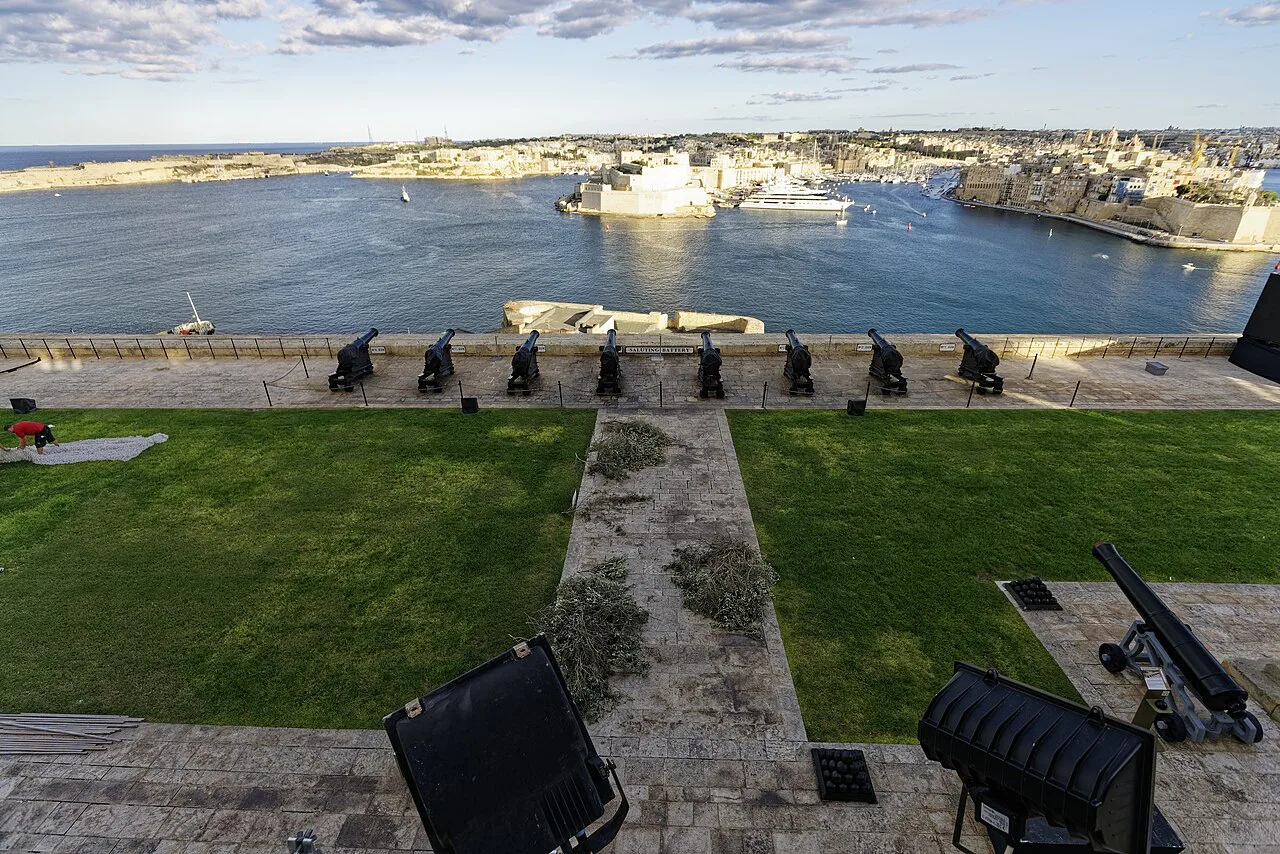
Upper Barrakka Gardens looks down on the Grand Harbour and the Three Cities, and you will see the whole of day two laid out from the terrace before you go. Below it, the Saluting Battery opens Monday to Saturday 10:00 to 16:30 with last admission at 16:00, and the time-gun displays run at 12:00 and 16:00. Arrive about fifteen minutes early if you want a spot on the wall rather than a view of someone's back.
Fit the gun into your day rather than the other way round: the noon display splits the morning neatly if you do the cathedral early, and the 16:00 firing works as the close of a day that started at the palace.
Day 2: across the harbour to Birgu
Take the ferry from the Valletta Waterfront to Birgu in the morning, before the harbour heat builds. Birgu is the historic core of the Three Cities and the one you will spend most time in: Fort St Angelo, Victory Square and the Birgu Waterfront are all within a short walk of the landing point. The waterfront itself is where the cafés and harbour views are, so it makes a natural pause rather than a destination.
From Birgu, walk on to Senglea (L-Isla) along the fortifications, where Gardjola Gardens gives you the return view across the water to Valletta. Cospicua (Bormla) sits between the two and suits slow wandering rather than a list of sights. You can walk between all three, and that walking is the point of the day.
Getting back is the part people get wrong. The ferry is the quick option, a bus from Valletta's main terminal takes 30 to 45 minutes depending on traffic, and a taxi or ride-hailing car runs 15 to 20 minutes at a higher cost. If you are staying across the harbour after dinner, check the last crossing before you commit to it.
Day 3, option one: temples and Mdina
The first version of day three heads south for the prehistoric sites, then north-west to Mdina for the late afternoon. Ħaġar Qim and Mnajdra sit on a coastal slope with a visitor centre on site, and the pair is the strongest half-day of ancient archaeology within easy reach of the capital. Go early, because the temple sites offer almost no shade and the midday heat is the thing that ends visits prematurely.
Aim to reach Mdina in the late afternoon, when the limestone warms and the lanes empty out. Mdina is the old capital, car-free inside the walls, and best done as a slow wander with pauses at the viewpoints rather than as a tick-list. This is the day to have a car or a booked transfer, since chaining the temples and Mdina by bus eats the afternoon.
Day 3, option two: Gozo instead
The alternative is the Gozo Channel ferry from Cirkewwa, at the northern tip of Malta, with a crossing of about 25 minutes. From the ferry terminal, Victoria is the base for the day: the Citadel and its visitors' centre give you the island's history and the wide view in one stop. The Citadel Visitors' Centre is closed on Mondays, though the Citadel itself stays walkable.
If you want one more ancient site, Ġgantija near Xagħra fits after Victoria, but be honest about what that leaves you: two stops and a ferry, not a tour of the island. Choose Gozo over the temples-and-Mdina day when you would rather have one relaxed crossing and a single town than a long drive with two halves.
Where the plan breaks
Three things commonly derail this itinerary: closure days, the midday heat and the harbour crossing back. St John's Co-Cathedral is shut on Sundays and public holidays, the Grandmaster's Palace closes on Fridays, and the Saluting Battery runs its time-gun displays Monday to Saturday at 12:00 and 16:00. Check the day of the week against each interior before you lock the order of your days.
When you fall behind, drop Fort St Elmo rather than the cathedral or the palace: it is the longest single stop and the easiest to cut without losing the shape of the city. On day three, drop Mdina before you drop the temples if you are travelling without a car, since the two together are a long day by public transport.
What three days in Valletta leaves out
This plan does not cover Comino or the Blue Lagoon, and it does not attempt the south coast around Marsaxlokk. Those are their own days, and bolting them onto a harbour morning is how a three-day trip turns into a series of car journeys. The Valletta attractions guide is the place to look if you want to swap an indoor stop for something else in the city.
A fourth day is the honest answer for anyone who wants both the temples and Gozo, or who wants to see the city slowly rather than at walking pace with a deadline. If your third day is a Sunday, remember that a good part of Valletta's ticketed interiors is closed, which is an argument for keeping Sunday for the Three Cities or the coast.
Which day three should you book?
Pick the temples-and-Mdina day if you want archaeology and a walled town in one long day, and pick Gozo if you would rather have a ferry crossing, one town and a slower pace. Neither is the better choice in the abstract; the deciding factor is whether you are driving. Whichever you choose, keep the first two days as planned, because Valletta and the Three Cities are what three days here are actually for.
Explore more Valletta guides
Frequently Asked Questions
Can you walk from Valletta to the Three Cities?
Not practically. The harbour sits between them, so the crossing is by ferry from the Valletta side of the harbour, by bus in 30 to 45 minutes depending on traffic, or by taxi in 15 to 20 minutes. Once you are in Birgu, Senglea and Cospicua are walkable from each other.
How many days do you need in Valletta itself?
Two full days on foot covers the cathedral, the Grandmaster's Palace, Fort St Elmo, the Upper Barrakka Gardens and the Saluting Battery without rushing. A third day is best spent across the harbour or out at the temples and Mdina, rather than adding more interiors in the city.
Is three days in Malta worth it?
Yes, if you accept that three days buys you Valletta and the Three Cities plus one day out. Stretching the same three days across Mdina, the temples and Gozo means spending much of them in transit. Decide which single day out matters most and build the rest around the city.
Sources
Notes for your Malta trip
Optional updates when we add or correct a Malta or Gozo guide.
You might also like
Continue reading
More guides you'll find useful