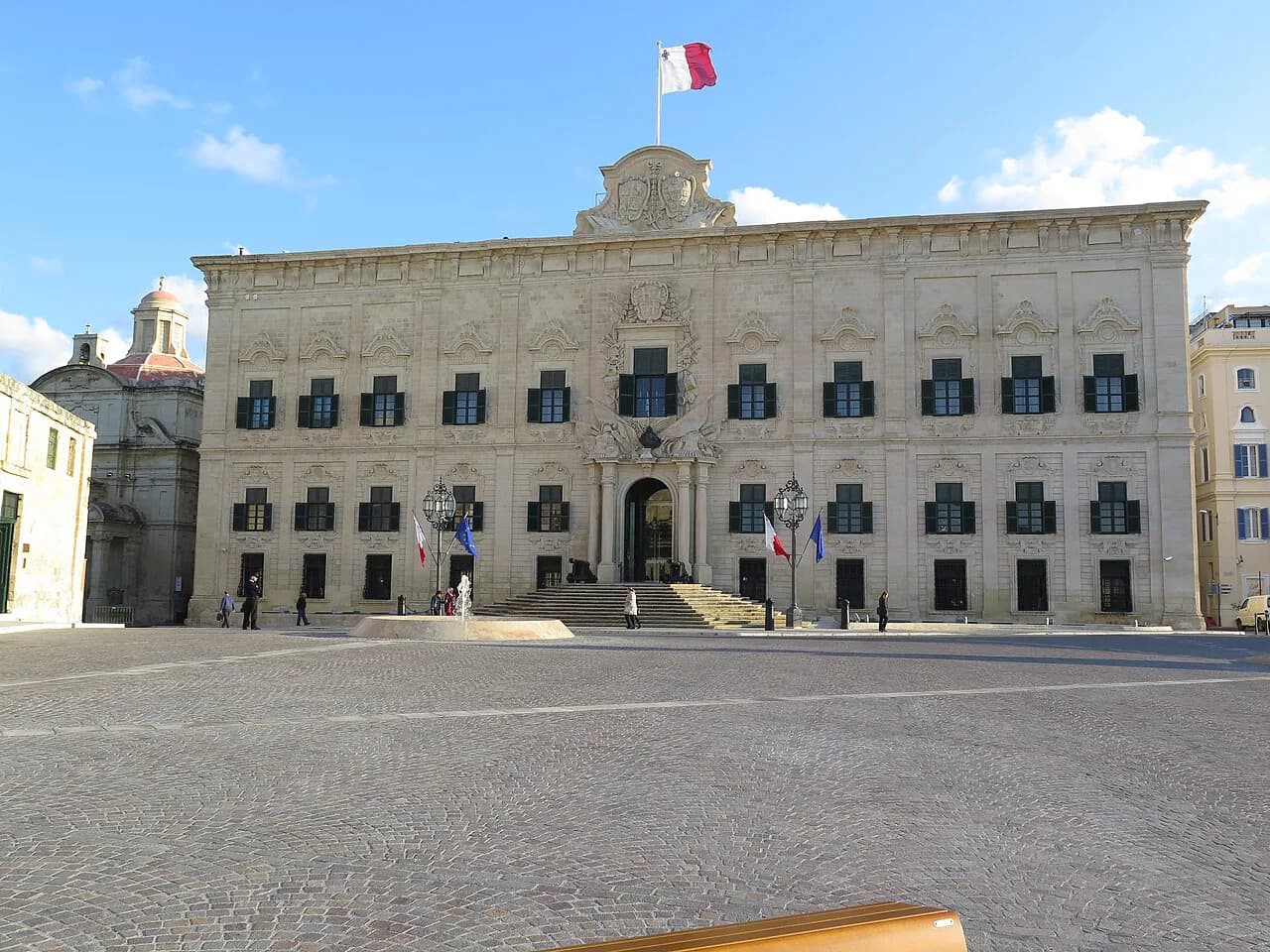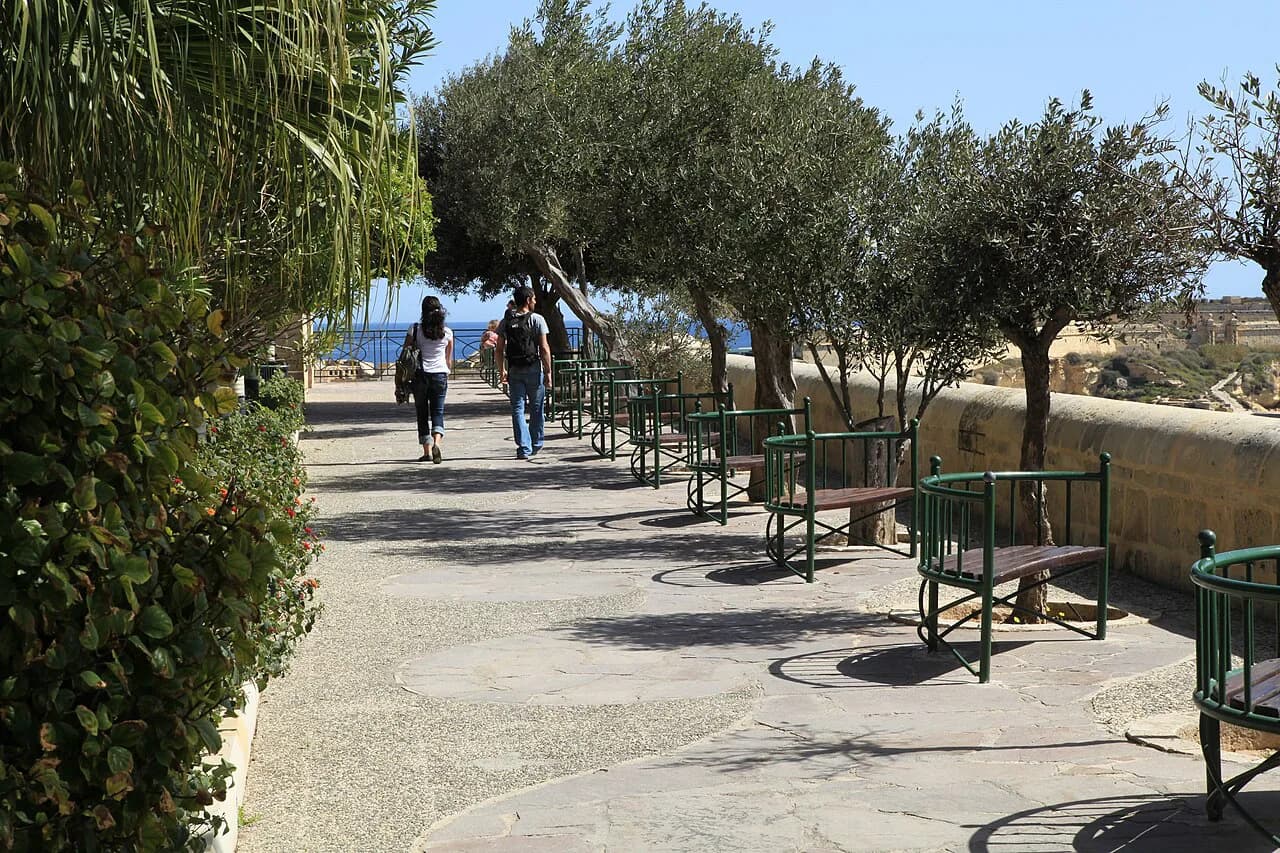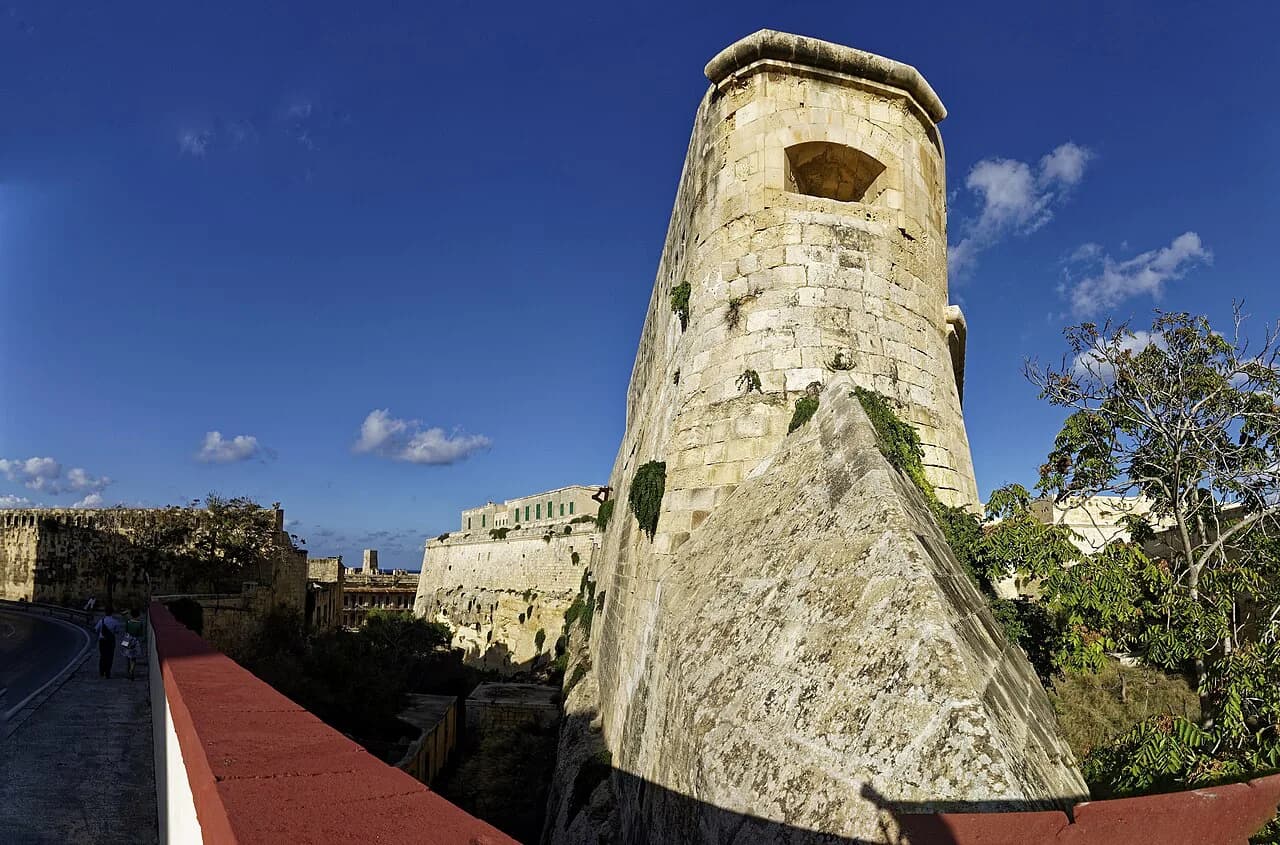
Valletta Fort: Fort St Elmo and the City's Walls
A practical guide to Valletta's fortifications: Fort St Elmo at the tip of the peninsula, the bastions and gates around the city walls, and what to see on a walk.
On this page
Valletta's fort is Fort St Elmo, the star-shaped fortification at the seaward tip of the Sciberras Peninsula, and it is the natural end point of any walk around the city's walls. The fort is one stop on a longer circuit of bastions, curtains and gates rather than a single building to tick off. This guide separates the fort from the wider ring of defences, explains how to reach it from the centre, and sets out rough timings and the practical trade-offs.
Fort St Elmo stands on the seaward edge of Valletta's walls, within roughly ten minutes' walk of the centre, so it fits easily into a half-day in the city. The city itself is compact enough to cross on foot. Wear shoes that cope with stone ramps and uneven ground, and carry water if you are walking in warm weather. Confirm current access arrangements before making a special trip.
Where Fort St Elmo sits on the peninsula
Fort St Elmo guards the seaward end of the Sciberras Peninsula, the ridge on which Valletta was built. The fort stands at the tip, so the walk to it runs the length of the city from the landward gate towards the open sea. That position explains why the fort is often the first or last stop on a day in Valletta, depending on which way you walk.
From the city's main entrance at City Gate, the route down the spine of the city brings you towards the fort's outer works. If you are planning the rest of your day around it, a Valletta Map helps you see how the streets run towards the tip. The fort is not hidden away in a suburb: it is at the end of the peninsula the city was designed around.
Walking to Fort St Elmo from the centre
The walk from the centre to Fort St Elmo takes around ten minutes at an easy pace. Start at City Gate and head towards the tip of the peninsula; the ground is stone and uneven in places, so watch your footing on the final approach. Access to the fort itself is managed on site, so check before you set out if you plan to go inside.
If you prefer a guided introduction to the city before reaching the fort, a walking tour can cover the streets and the gates in one go. The fort's position at the tip means you can combine it with a return through the centre rather than retracing the same street. Allow extra time if you plan to stop at churches along the way.
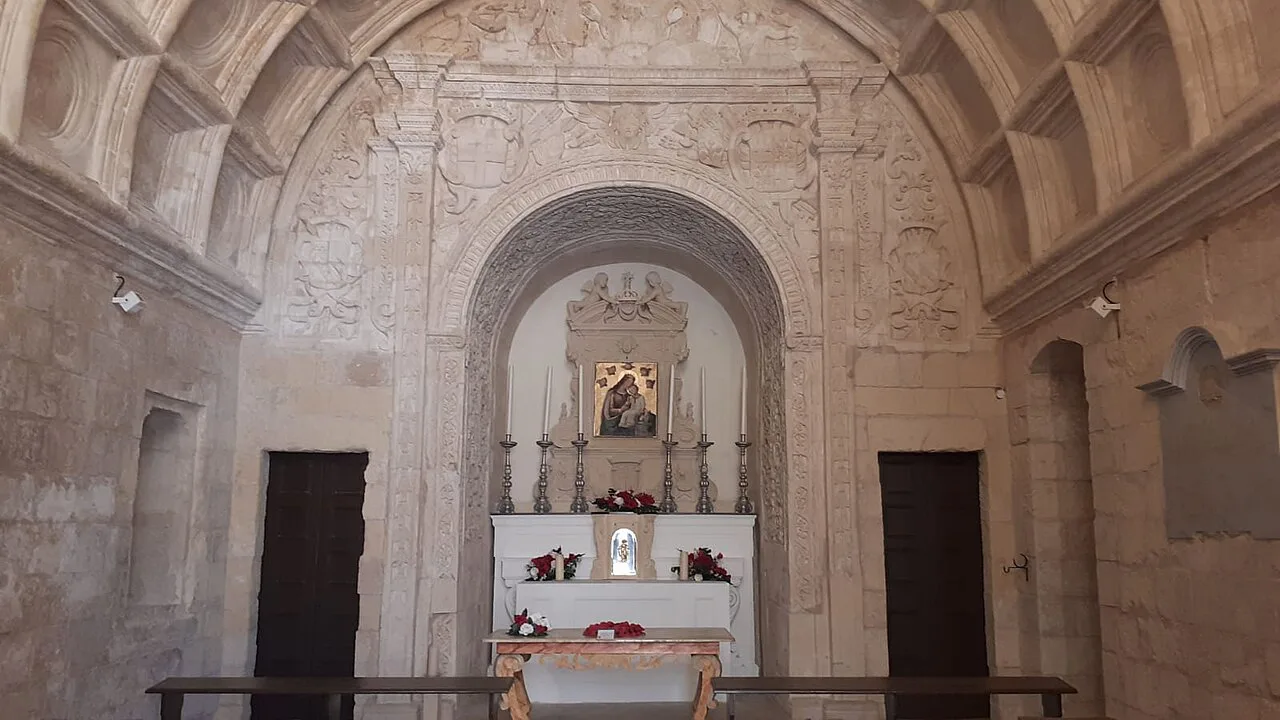
Fort St Elmo: what to expect on the approach
Fort St Elmo is a substantial stone structure, a star-shaped fortification built to resist attack from the sea. It held out against Ottoman attack and later suffered bombing in the Second World War. Its scale becomes clear once you are close to it rather than viewing it from a distance, and the approach along the peninsula gives you the best sense of how it guards the harbour.
The fort is one of a number of forts, towers and bastions across Malta and Gozo, so treat it as part of a wider set of defences rather than an isolated monument. Budget a comfortable half-day to cover the fort and its surroundings without rushing.
The walls beyond the fort: bastions, curtains and gates
Valletta's defences are not confined to Fort St Elmo. The city is ringed by bastions and curtains, the stretches of wall that link one bastion to the next, and the gates that control entry from the landward side. Walking the perimeter gives you a different view of the city from the one you get in the streets, with the harbour and the countryside falling away below the walls.
The main approach to the city is through City Gate, the entrance on the landward side, and from there the streets climb towards the centre. If you want to see how the gates, bastions and squares fit together, the wider set of Valletta attractions covers them in more detail.
A walking route around the fortifications
A practical circuit starts at City Gate, heads towards the tip, reaches Fort St Elmo, then returns through the centre. Allow two to three hours for the full out-and-back with stops. The walk is not long in distance, but the stone surfaces, steps and slopes slow you down.
If you only have a morning, walk straight to the fort and back through the centre rather than attempting the whole perimeter. The route is exposed in places, so a hat and water matter more than a detailed plan. You can break the circuit at any point and rejoin it later, since the city is small enough to navigate without a fixed itinerary.
For a different perspective on the walls, a boat trip in the harbour shows the fortifications from the water, where the height of the bastions is easiest to appreciate. That is a supplement to the walk rather than a replacement, since the fort is best seen on foot. Pair the two if you have a full day and want both the street-level and sea-level views.
What to check before you go
Fort St Elmo is a historic site with access arrangements set by the operator, so check the current position before you travel, especially if you are making a special trip for it. The same applies to other historic sites nearby.
Ticket prices, opening days and any concessions are set by the site, so confirm them before you commit. Do not rely on a price from an old guidebook or a third-party blog.
Practical trade-offs: heat, exposure and crowds
The walk to the fort and around the walls involves time outdoors. In summer, walk early or late rather than at midday, when the sun is strongest. Carry more water than you think you need, and plan an indoor stop in the middle of the day.
Valletta is a popular port, so the centre and the fort can be busier when cruise ships are in. If you want a quieter walk, aim for late afternoon. The fort is popular for good reason, but timing makes a real difference to the experience.
Is Fort St Elmo worth the walk?
Yes, if you want to understand how Valletta was defended. The setting and the surrounding bastions and gates make the journey there part of the experience. Check current access before setting out, and skip it only if you are short of time and have already chosen other sights in the city.
Build the fort into a wider day: start at City Gate, walk towards the tip of the peninsula, see Fort St Elmo, and return to the centre. If you want to compare it with the city's other draws, our guide to things to do in Valletta sets out the options. The fort is one piece of a compact, walkable city, and it is best seen as part of that whole.
Explore more Valletta guides
Sources
Notes for your Malta trip
Optional updates when we add or correct a Malta or Gozo guide.
You might also like
Continue reading
More guides you'll find useful