Valletta Tours: Choosing a Guided Walk, History Tour or Food Walk
Compare Valletta tours by what they cover: city walking tours, Mdina and Rabat walks, Three Cities half-days, food tours and self-guided routes with a map.
On this page
A guided city walk is the best use of a first morning in Valletta: the historic centre fits on a peninsula barely a kilometre long, so a two- to three-hour tour covers the main spine from the City Gate down Republic Street without eating your whole day. This guide compares the guided walking tours, history and Second World War stops, food and brewery experiences, trips out to Mdina or the Three Cities, and the free circular route you can follow yourself.
The city is easy to cross on foot, which is why tours here are about interpretation rather than transport. Book the format that matches your interest and leave the rest of the day for the sights you want to see slowly.
What a Valletta tour covers and how the city is laid out
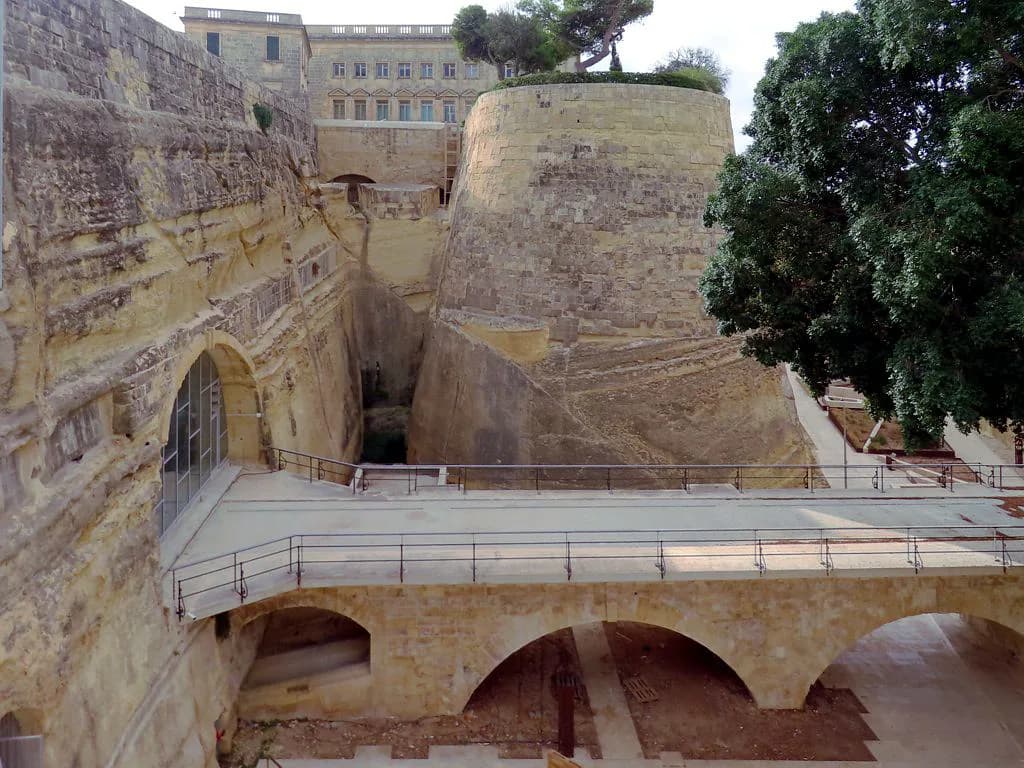
Almost every route begins at the Triton Fountain outside the main entrance and passes through the City Gate onto Republic Street, the kilometre-long spine running from the gate towards Fort St Elmo at the waterfront. The fountain sits next to the main bus terminus and taxi rank, so it is an easy meeting point if you arrive by public transport.
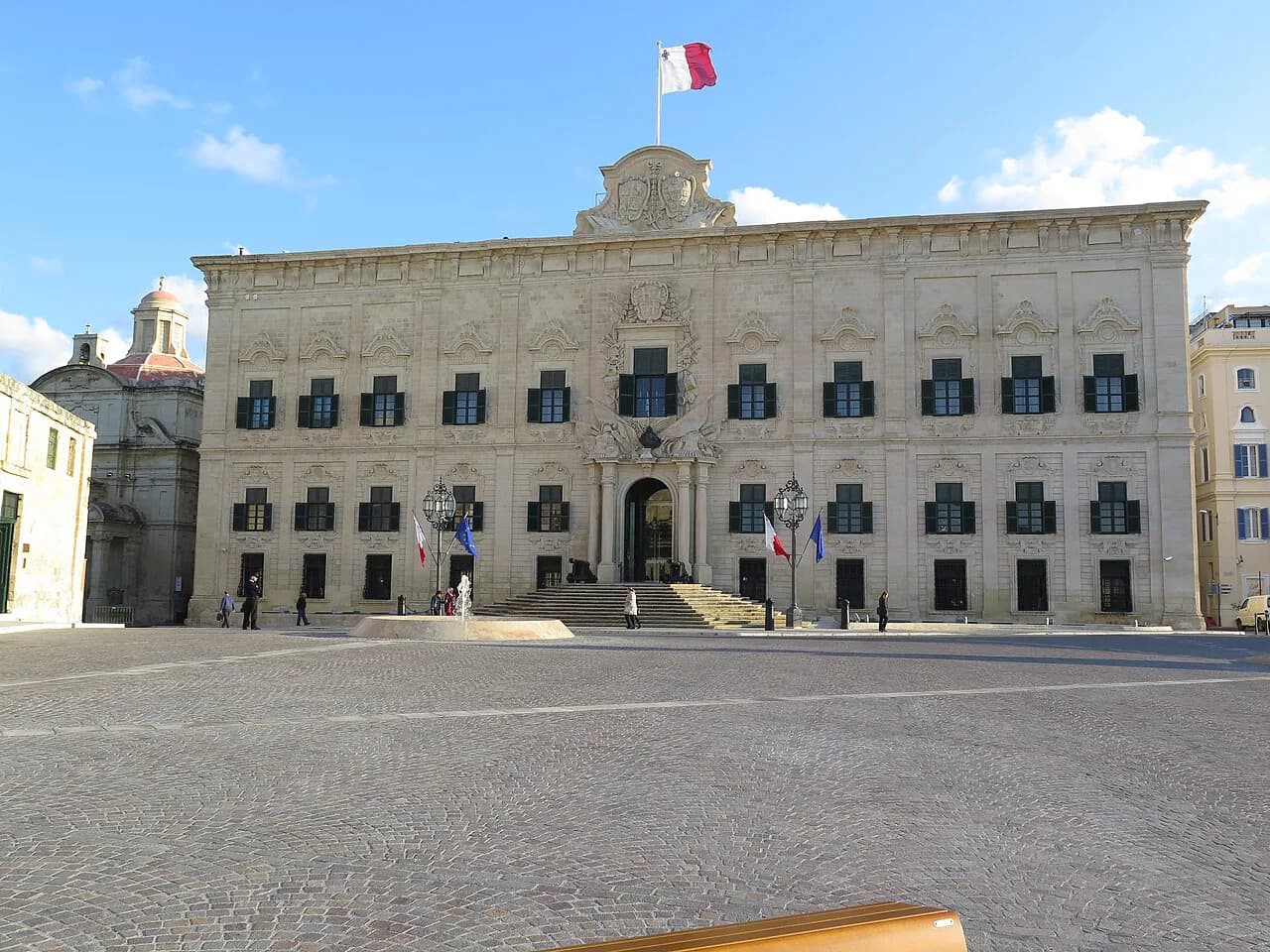
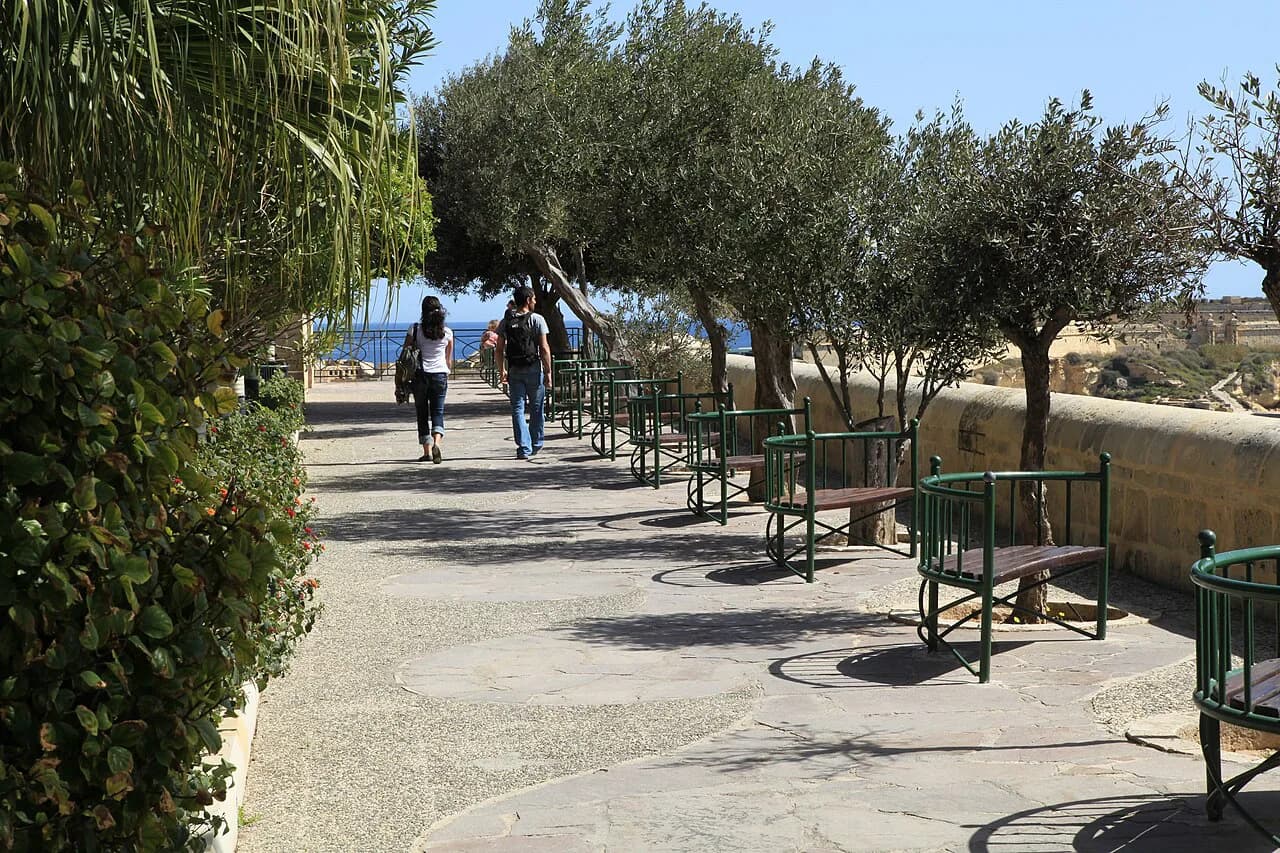
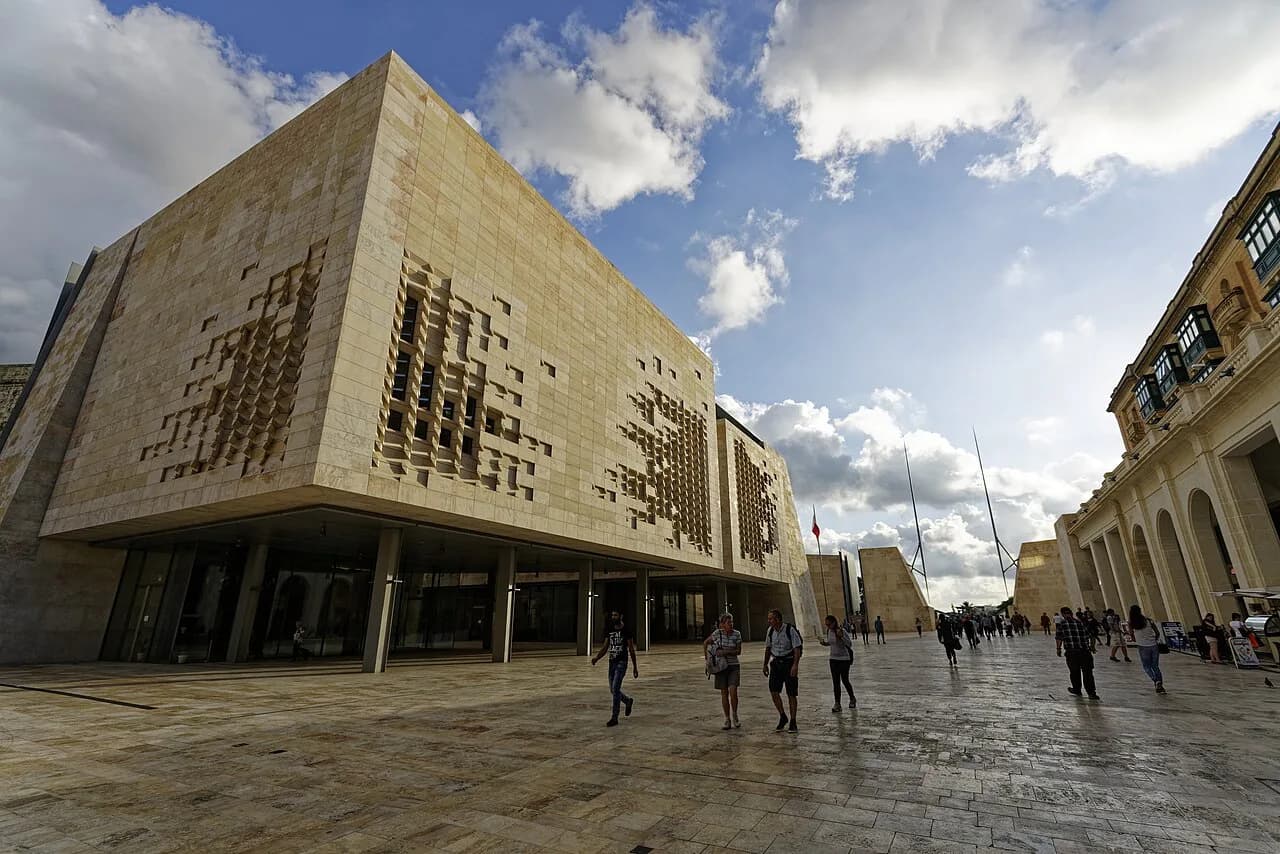
From the gate the city opens into a grid of straight streets, with the Upper Barrakka Gardens and Saluting Battery on the harbour-side bastions and St John's Co-Cathedral set back off Republic Street. Guides use that layout to string together the palaces, auberges and church facades, so ask what is included before you book.
Walking tours in Valletta tend to be small-group or private, and guided options listed on GetYourGuide include a three-hour walk with a licensed guide covering Baroque architecture and city landmarks. Ask how many people join and whether cathedral or palace entry is extra, because those tickets change the cost of the day more than the tour fee.
Guided city walking tours: short small-group walks versus longer guided tours
Short walks suit anyone with a fixed afternoon plan: a two- to three-hour route covers the gate, Republic Street and one or two viewpoints and leaves you free. Longer tours add interior visits and often the Barrakka area, which is where the time goes.
Booking listings show several overlapping Valletta city walks, including a small-group option and a separate highlights format, with free cancellation offered on many of them. Compare the stated duration and what is included rather than the headline figure, and read how the operator describes the meeting point.
If your interest is the city's churches and palaces rather than a general overview, a general walk will feel thin. Check the itinerary against the sights you care about and consider a themed tour or a self-guided morning instead.
Self-guided walking routes: the circular route, distance and what you pass
A free self-guided route is a genuine alternative rather than a compromise. One published circular walk strings 23 stops across two printable pages, starting outside the main gates and running down to the Upper Barrakka Gardens, the Saluting Battery and Fort St Elmo, and you can join it at any point.
A second self-guided version puts the whole circuit at about 4 km, with just over an hour of pure walking but most of a day once you add stops, and notes that most attractions close around 5pm, so an early start makes sense. It also suggests splitting the route over two days if you prefer not to rush.
Do-it-yourself formats go further: a scavenger hunt and highlights walk lets you move at your own pace with no guide. That suits repeat visitors or anyone who dislikes fixed departure times, but you lose the questions-and-answers that make a good guide worth the fee.
History-focused stops a tour builds around
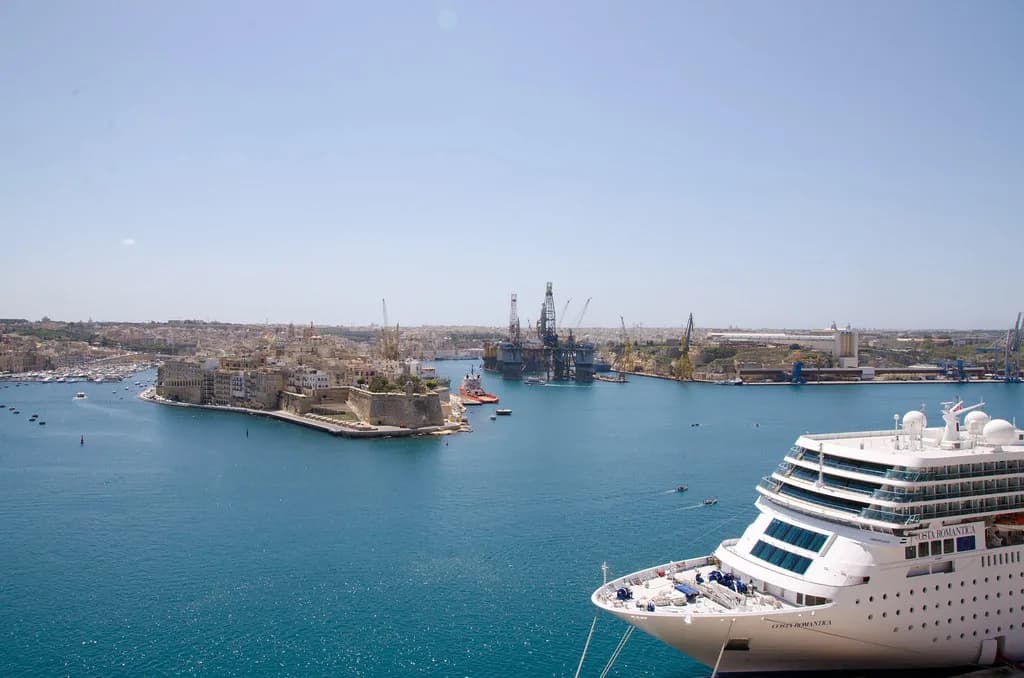
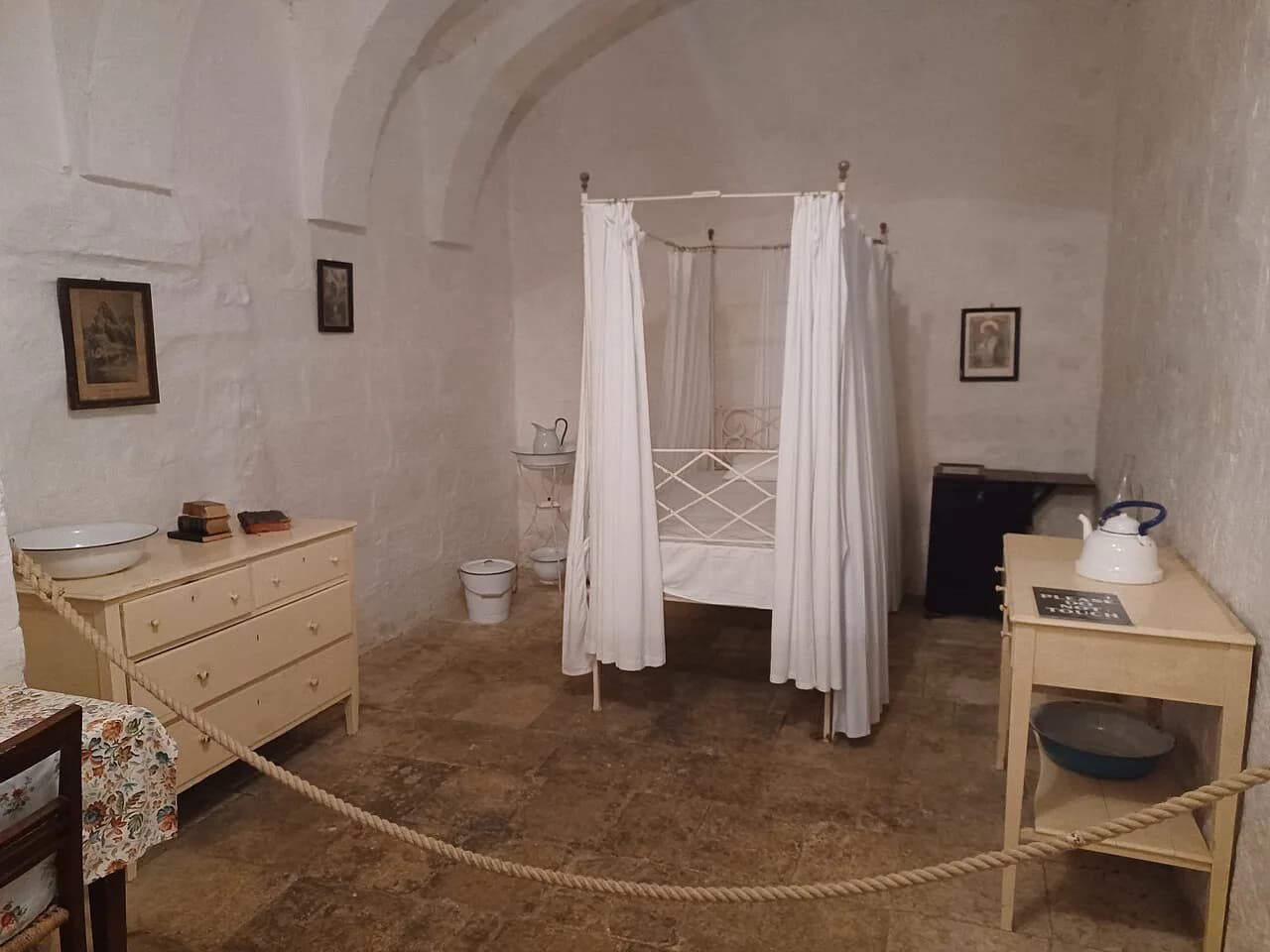
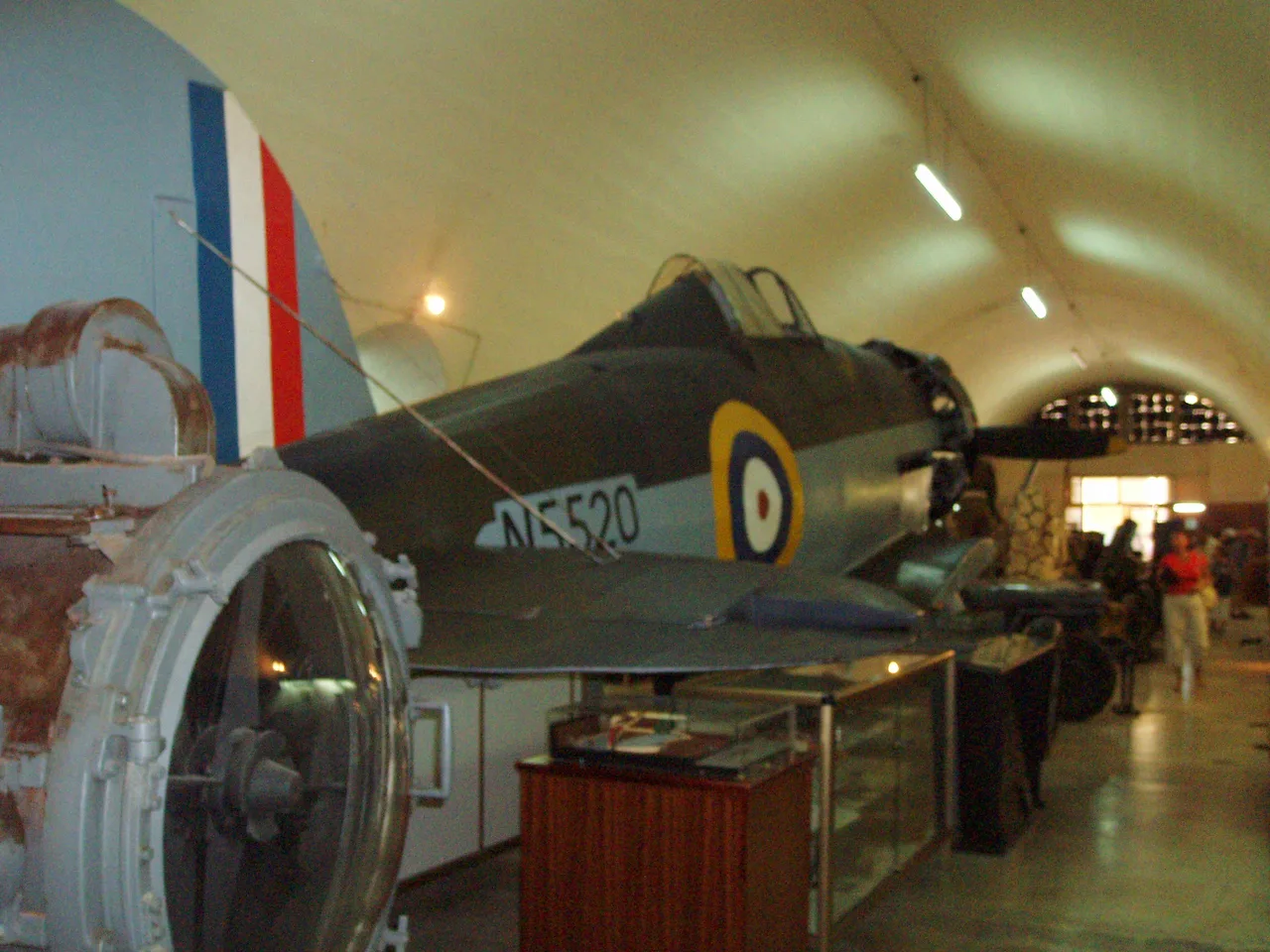
The Upper Barrakka Gardens and the Saluting Battery above the Grand Harbour are the standard viewpoint stop, and the Lascaris War Rooms and War HQ Tunnels lie just below the gardens. Fort St Elmo and the National War Museum anchor the far end of the peninsula, so a Second World War-focused day runs from the Saluting Battery down to the fort.
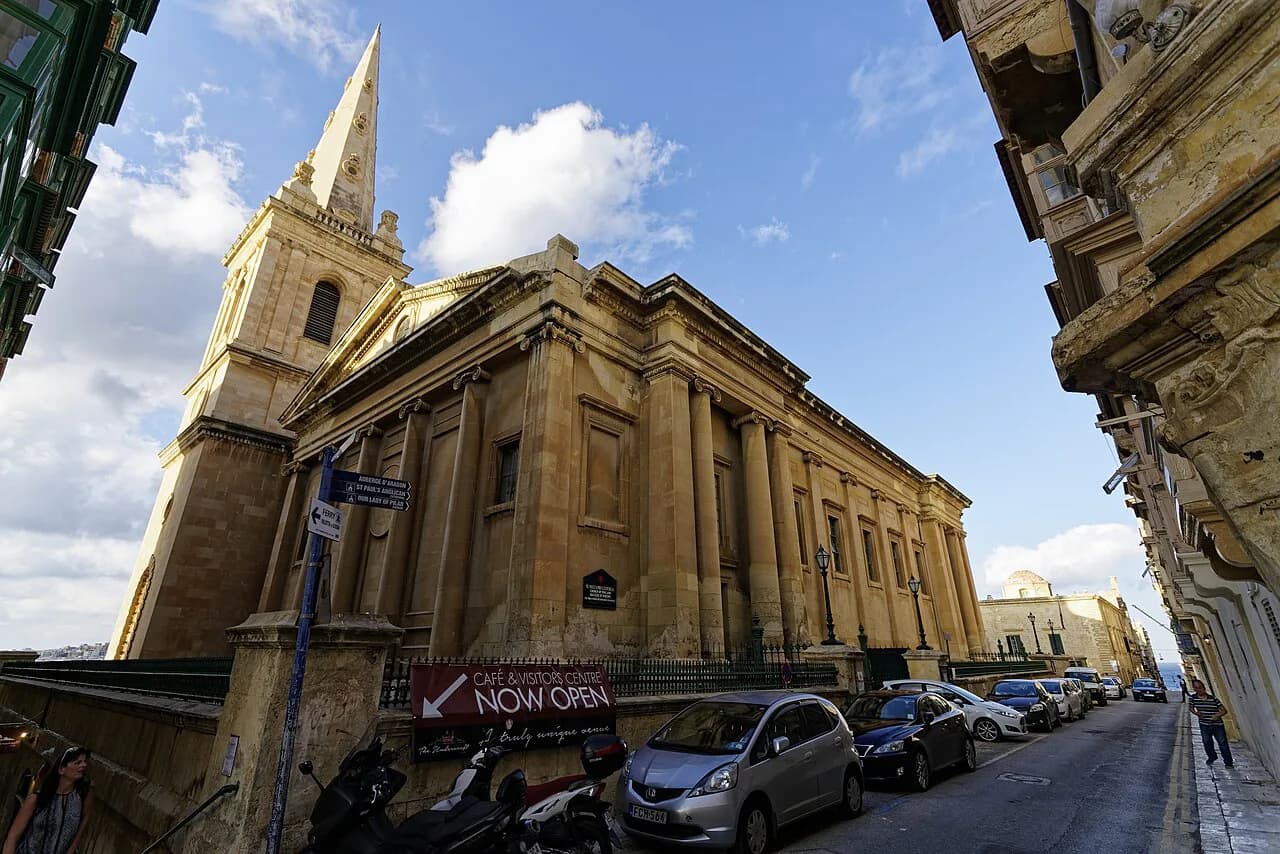
St John's Co-Cathedral, the Grandmaster's Palace and the National Museum of Archaeology cluster within a few streets of Republic Street, and a serious history tour will build its timings around at least two of them.
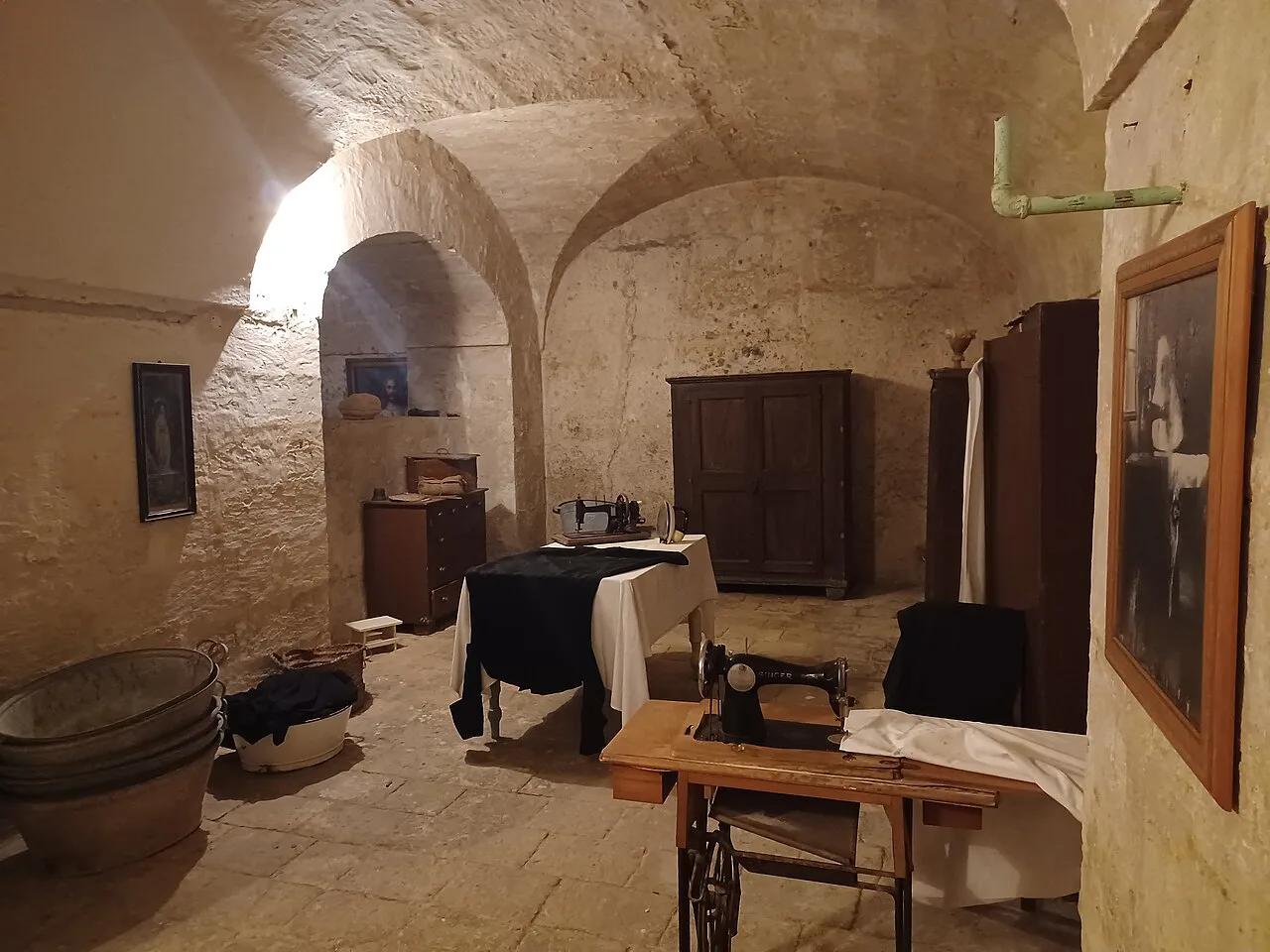
Casa Rocca Piccola and the Mysterium Fidei Monastery and Secret Garden both appear as ticketed Valletta entries, and either makes a good mid-route break on a self-guided day. Both are indoor stops, which matters if you are walking in strong sun.
Tours that leave Valletta: Mdina and Rabat, and the Three Cities
Two half-day formats take you out of the capital. A walking tour of Mdina and Rabat covers the silent hilltop city and its neighbouring town, and the Three Fortified Cities half-day includes a boat trip and transfers from Valletta, covering Birgu, Senglea and Cospicua.
Both are sensible if you have only a few days: transport is handled, and you see places that are slower to reach independently. The trade-off is a fixed pace and less time in each spot, so pick one rather than trying to combine both in a single day.
Food and drink tours: the Valletta food tour and the Farsons Brewery experience
A food walk trades monuments for shops, bakeries and bars, and the Valletta food tour is built as an eat-like-a-local format rather than a sightseeing route. Book it as your main activity for the slot, not as an add-on to a full walking tour, because the two overlap in time and appetite.
For a shorter, drier option, the Farsons Brewery Experience combines an entry ticket with a beer flight and is listed among Valletta activities. It is an indoor stop that works well on a hot or wet afternoon, but the brewery is not a city-centre stop, so allow time to reach it and confirm the entry details in your booking.
Getting to the start: ferry from Sliema, bus terminus and Floriana parking
The Sliema ferry crosses the harbour in about fifteen minutes and runs regularly through the day, putting you at the Valletta waterfront with the walls rising ahead of you. It is a better arrival than fighting traffic, and the crossing itself is part of the day.
Buses from across Malta terminate outside the City Gate, a short walk from the Triton Fountain where most tours meet. Drivers should leave the car in Floriana and walk in, since traffic and parking inside the walls are difficult.
Trade-offs: group size, heat, Sundays and cruise-day crowds
Group size changes the experience more than price does: a small-group walk moves faster through narrow streets and lets you hear the guide, while a large group stalls at every stop. Midday heat on the exposed bastions and in the open squares is the other limiting factor, so morning slots are easier walking.
Timing matters in other ways. Shops are largely closed on Sundays while cafés and the main sites stay open, and most attractions shut around 5pm, so a late-afternoon tour leaves little time afterwards. On days when cruise ships are in port, the Republic Street stretch and the Barrakka terraces are busiest.
How to book and what to check on the day
Book directly through the operator's page and read the inclusions line by line: cathedral or palace admission, boat tickets and transfers are usually separate items that decide the real cost. Free cancellation appears on many Valletta listings, so check the deadline before you pay.
On the day, confirm the meeting point and start time in writing, carry water for the exposed stretches, and dress for church interiors with shoulders and knees covered. If you plan to add a museum or co-cathedral visit afterwards, buy that ticket separately and check its last entry time at the door.
Which Valletta tour should you book?
Book a guided city walk for your first morning if you want the layout explained, a food tour if eating is the point of the trip, and one of the Mdina or Three Cities half-days if you want to see beyond the capital without sorting transport. Otherwise take the free circular route and spend the saving on cathedral and museum entries.
Explore more Valletta guides
Frequently Asked Questions
What should we see in Valletta on a short visit?
Prioritise the Triton Fountain and City Gate, Republic Street, the Upper Barrakka Gardens and Saluting Battery, St John's Co-Cathedral and the Grandmaster's Palace. A guided walk covers the first four in a morning and leaves the interiors for the afternoon.
Is Valletta easy to walk around?
Yes. The historic centre sits on a peninsula about a kilometre long, and a full circular self-guided route comes to roughly 4 km with just over an hour of walking. Streets are straight but the bastion edges and stairs involve climbs.
How long does a Valletta walking tour take?
Short small-group walks typically run two to three hours, and guided city tours listed by operators such as GetYourGuide run around three hours. Self-guided routes take most of a day once you add stops, or two half-days at an easier pace.
Sources
Notes for your Malta trip
Optional updates when we add or correct a Malta or Gozo guide.
You might also like
Continue reading
More guides you'll find useful