Things to Do in Valletta When It Rains: Indoor Picks
Rain in Valletta is a cue for St John's Co-Cathedral, the Grand Master's Palace, Fort St Elmo and Casa Rocca Piccola, all within a short walk of each other.
On this page
Rain in Valletta rarely means a wasted day: the peninsula packs churches, palaces and museums into a few streets, so you can move between them in short dashes. Plan the day around three stops on or near Republic Street and treat the gaps between them as brief outdoor sections rather than sightseeing in their own right.
The order that works best is to start high at City Gate and work downhill, keeping the cathedral for the afternoon when tour groups thin out. Rain arrives in short spells rather than settling in for days, so a morning shower often clears well before lunch. Use the Valletta Map to keep track of the gates and stairways as you go.
Why Valletta suits a wet day
Valletta is compact and its main sights cluster along one spine, which matters when you are dodging showers. Republic Street runs from City Gate towards Fort St Elmo, with St John's Co-Cathedral, Casa Rocca Piccola and the Grand Master's Palace all within a few minutes' walk of it.
The practical trade-off is that wet days push everyone indoors at once, so the big names fill up earlier than usual. Go to the museum you care about most first thing, then use the middle of the day for a long lunch or a church interior while the worst of the weather passes. Read our broader guide to Things to Do in Valletta if you want the full list before choosing.
St John's Co-Cathedral on Republic Street
St John's Co-Cathedral sits in the heart of Valletta on Republic Street and is the obvious first stop on a rainy day. Inside, the draw is Caravaggio's large painting of the Beheading of Saint John, hung alongside a marble floor under which more than 400 knights are buried.
Allow around an hour rather than a quick look, because the interior is dense and the floor alone takes time to read. It also works as shelter during a downpour, which is why it should not be left to the last hour of the day when the coach groups arrive.
The Grand Master's Palace on Palace Square
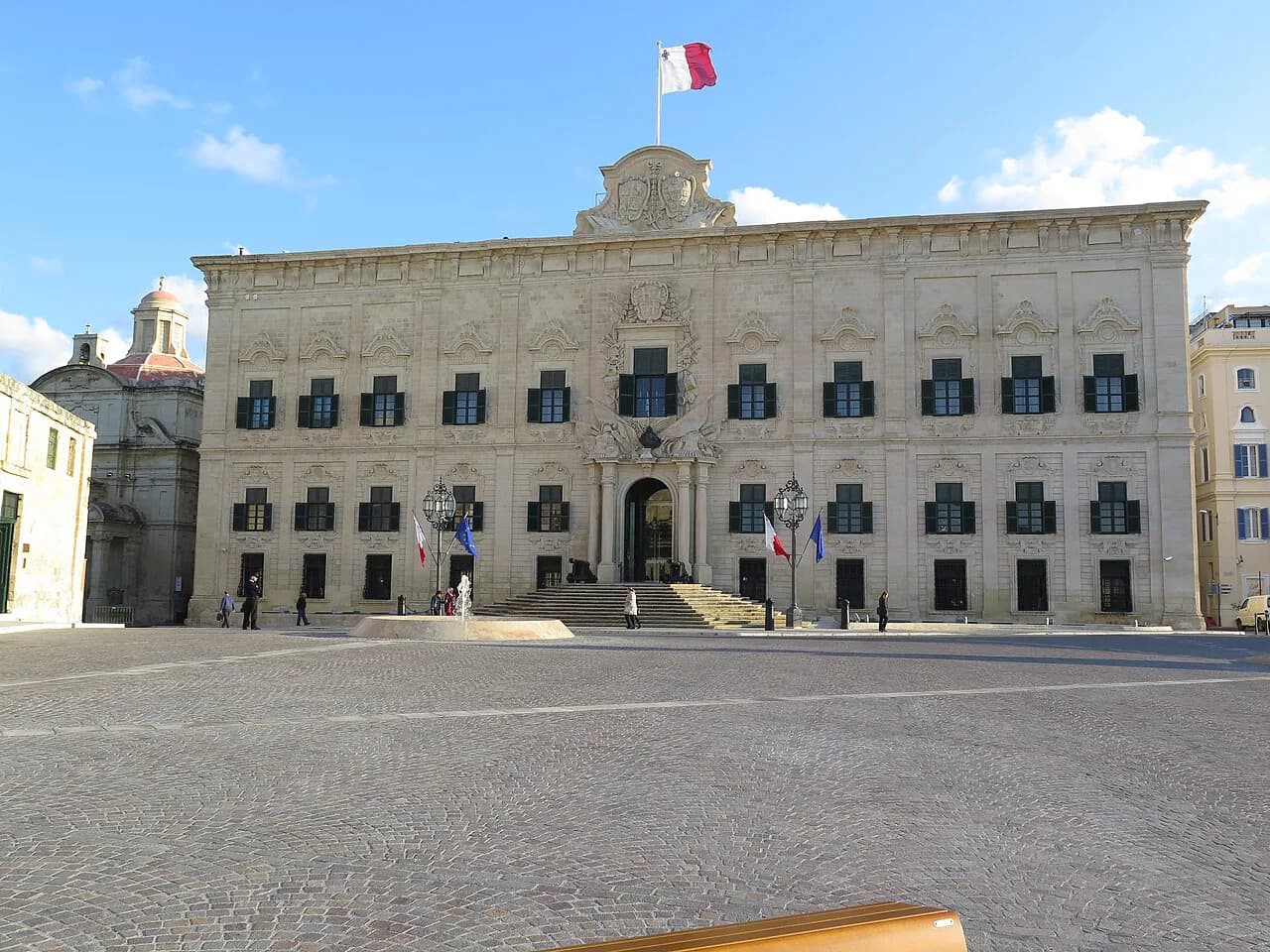
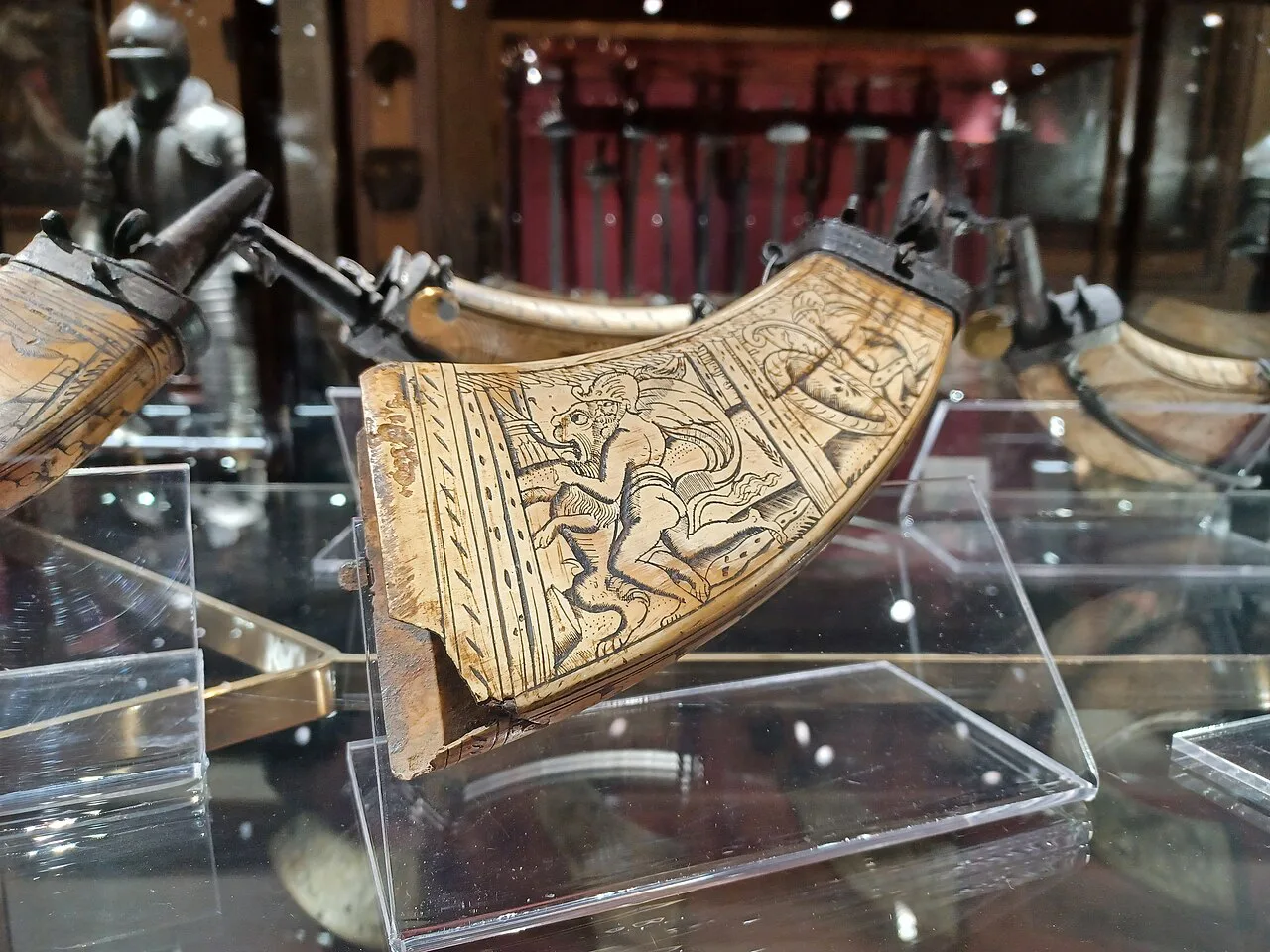
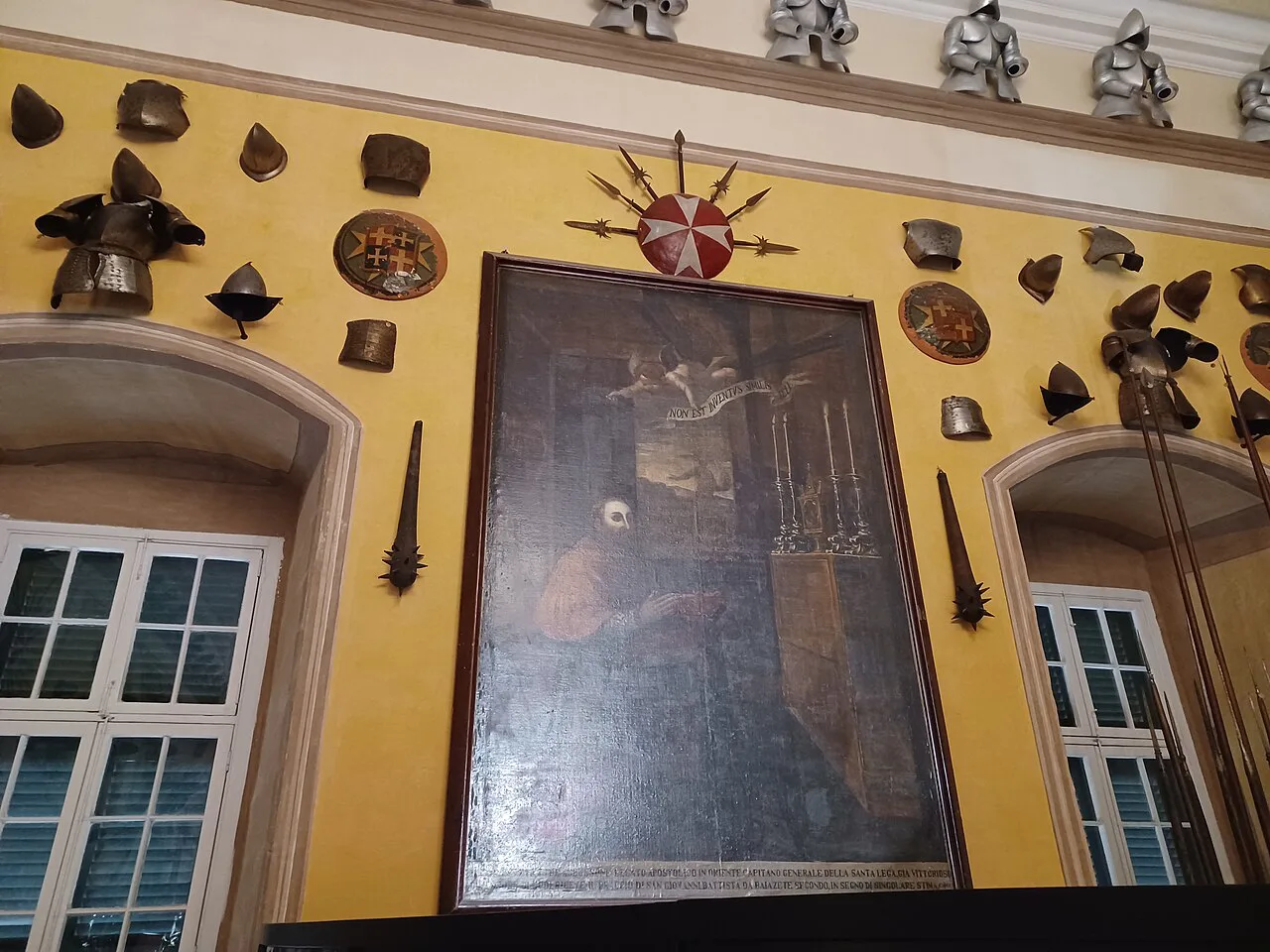
The Grand Master's Palace faces Palace Square a short walk from the cathedral, and its State Rooms reopened in January 2024 after an extensive restoration, which makes it a sensible inclusion on a wet visit. The palace holds a substantial collection of historic arms and armour in the Palace Armoury, plus Gobelins tapestries and frescoes depicting the Great Siege.
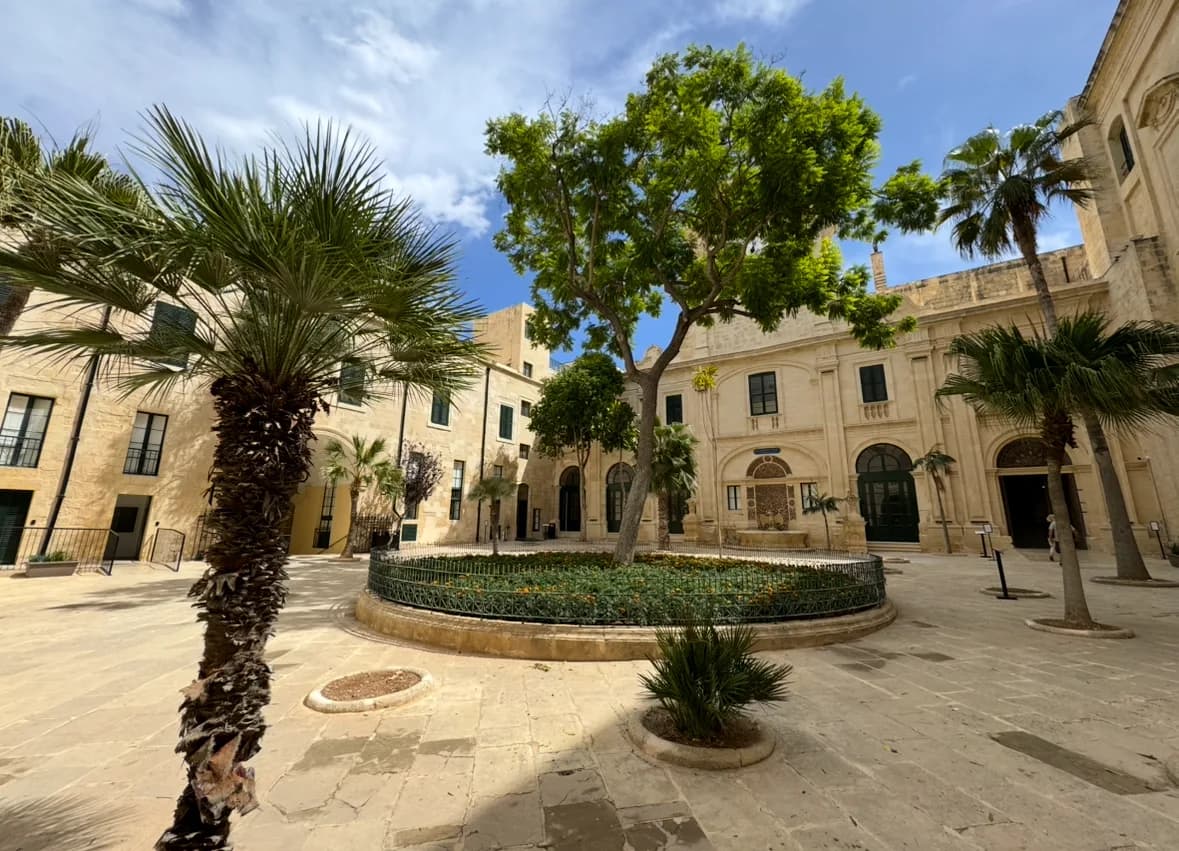
Neptune's Courtyard, with its Baroque fountain and historic coats of arms, is a natural pause between the two halves of the visit. Check the palace's own site for current opening hours and ticket prices before you set out, since these are the details that change.
Fort St Elmo and the National War Museum
At the far, downhill end of Republic Street, Fort St Elmo houses the National War Museum, where personal artefacts tell the story of Malta's role in the Second World War. The fort is a star-shaped bastioned stronghold, and its walls give you a sense of how the peninsula was defended while keeping you largely indoors.
This is the stop to keep for the wettest part of the day, since the museum route takes time and the walk back up towards the city centre is the longest single stretch of your circuit. Pair it with a look at the Grand Harbour from the fort's edge if the rain eases.
Casa Rocca Piccola on Republic Street
Casa Rocca Piccola is a sixteenth-century palace on Republic Street that remains a private residence while opening its period furniture, family heirlooms and wartime shelter to visitors. That combination of painted rooms and a shelter cut into the building makes it one of the more atmospheric indoor stops in the city on a grey day.
It is small enough to fit between the cathedral and the palace, and it is often cited as something different from a standard museum. Confirm opening days before travelling, as a private residence's visiting hours can change.
Mdina and Rabat if you have transport
With a car or a bus day, Mdina and Rabat add two strong indoor options beyond Valletta. Mdina Cathedral Museum holds rare prints by Dürer and a collection of silver, and the cathedral dome is worth seeing even under cloud.
In Rabat, St Paul's Catacombs form a burial complex stretching for hundreds of metres off St Agatha Street, marked by a modern visitor centre. The passages are narrow and underground, so they suit wet weather well but demand shoes with grip and a jacket that can take a drip.
Ħal Saflieni Hypogeum in Paola
The Ħal Saflieni Hypogeum in Paola descends three levels underground and is a UNESCO World Heritage site, making it an ideal rain-proof visit. The daily visitor cap reported for the site is 80, so this is the one booking not to leave until the morning of your wet day.
Book on the official site, where releases and any next-day availability appear, and treat a same-day slot as luck rather than a plan. If nothing is free, keep the day in Valletta and use the Hypogeum for a later date.
Wet-weather alternatives beyond the museums
For a second wet day, the National Aquarium in Qawra holds 41 tanks along White Street, with a walk-through tunnel where reef sharks and rays pass overhead. Esplora Interactive Science Centre in Kalkara offers more than 200 exhibits in a converted historic building, with a planetarium show as an add-on.
In Sliema, The Point has over 70 stores and sea-view restaurants, which makes it a sensible fallback when the rain sets in properly. The Sliema to Valletta ferry runs about every 30 minutes and gives you a harbour crossing with views of the bastions even in poor weather.
City Sightseeing buses run tours of Malta and Gozo with a covered upper deck, handy if you want to see the island without getting soaked. For shorter hops, a Valletta boat trip around the harbours is best saved for a dry slot, as the appeal is entirely the view.
A rainy-day order of play
Start at St John's Co-Cathedral while the streets are still quiet, then move to the Grand Master's Palace as the weather closes in. Finish at Fort St Elmo, so the longest indoor stretches fall during the heaviest rain.
Break the middle of the day in a café or a square rather than pressing on, since a wet morning usually clears. If you want structure, a Valletta walking tour covers the same ground with a guide and gives you a fixed indoor-outdoor rhythm to follow.
What to wear and how to move around
Valletta's streets slope and its pavements are slick in rain, so flat shoes with grip matter more than a raincoat. Churches expect covered shoulders and knees, which a light waterproof layer handles well in wet weather.
Storm watching is a look-only option: the Sliema promenade, Delimara Point and Blue Grotto draw crowds during heavy weather, and you should keep a safe distance from the waves. Treat these as a short stop from a sheltered viewpoint, not a walk.
Which indoor stop earns your wet day?
If you only have one rainy day, give it to St John's Co-Cathedral and the Grand Master's Palace, then add Fort St Elmo if time allows. If you have two, book the Hypogeum first and keep Valletta's museums for the second.
Whichever order you choose, confirm opening hours and ticket prices on each site's own page the day before, and decide on the Hypogeum before anything else. Everything else in Valletta can be improvised around the showers.
Explore more Valletta guides
Frequently Asked Questions
Do I need to book Valletta's indoor sights in advance?
You can plan to buy tickets for Valletta's churches and museums around your visit, checking each site's own page for current hours and prices before you go. The exception is the Ħal Saflieni Hypogeum in Paola, which reports a daily visitor cap of 80, so book that one on the official site as early as you can.
Sources
Notes for your Malta trip
Optional updates when we add or correct a Malta or Gozo guide.
You might also like

Continue reading
More guides you'll find useful