Mdina History: A Short Timeline Tied to What You Can Still See
Mdina history for visitors, from the Phoenician city and Roman Melite to the Arab name, the 1693 earthquake and the baroque rebuild you walk through today.
On this page
Mdina's history runs from a Phoenician fortified city founded around 700 BCE, through Roman Melite and two centuries of Arab rule, to the earthquake of 1693 and the baroque rebuilding that shapes the city you walk through now. The name most visitors know, the Silent City, comes from the period after political power left for Birgu (Vittoriosa) and the population thinned out. This guide ties each era to a specific gate, square, palace or bastion you can still stand in front of.
Why Mdina is called the Silent City
Mdina was Malta's capital until the Knights of St John arrived in 1530 and chose the harbour-side Birgu (Vittoriosa) as their base instead, later building Valletta from 1566. With the administration gone, the inland city emptied to the point of being described as a ghost town, and the nickname Silent City was born. Signs around the streets still ask for quiet, and cars are limited to residents and a few exceptions, so the hush is deliberate rather than accidental.
Practically, that quiet is the reason to walk rather than drive: the lanes are often too narrow even for a horse-drawn carriage, so you cover the centre on foot. Pair a slow circuit with our guide to things to do in Mdina, which picks up the museums and cafés this history page leaves out.
The first city on the site: Phoenician origins
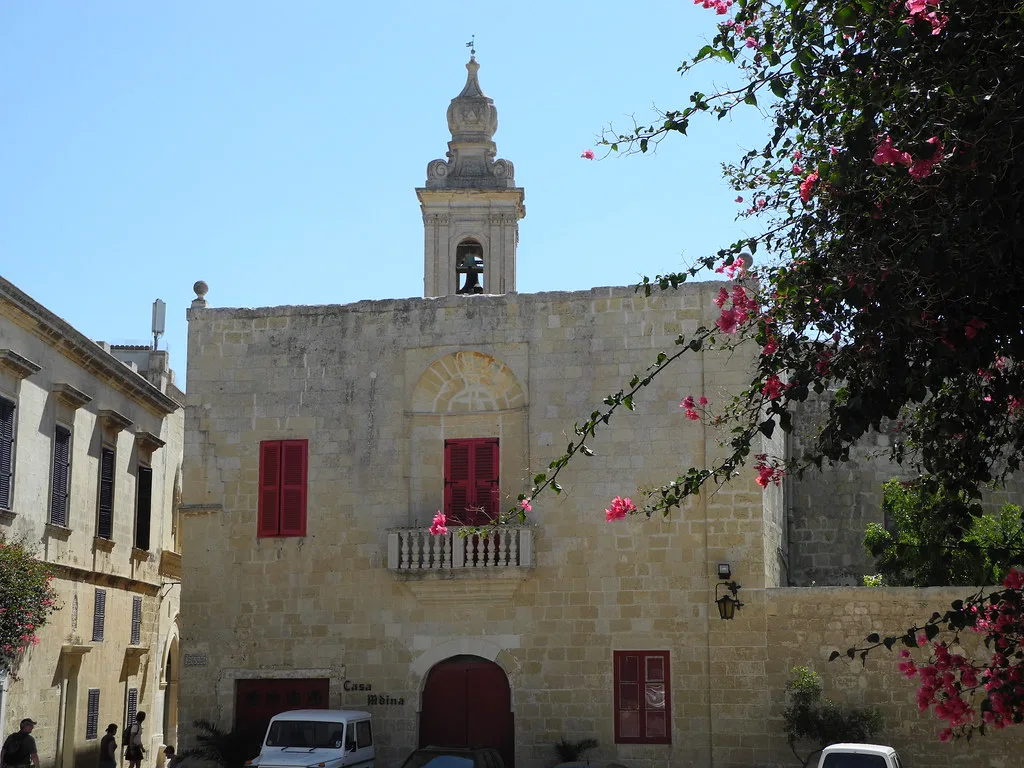
The first known city here was founded by the Phoenicians, who fortified the hill around 700 BCE as a strategic stronghold. Some accounts name that early settlement Maleth, and tradition associates a Punic goddess statue with the city gates; neither is settled scholarship, so treat both as stories tied to the site. What survives for a visitor is not a Phoenician ruin but the fortified shape of the hilltop itself: the defences have been rebuilt many times over, so read the walls as layers rather than as a single ancient structure.
Roman Melite and the villa outside the walls
Rome took Malta in 218 BCE and made the city, which the Romans called Melite, the seat of its governor's palace. Mdina's apostolic connection belongs to this Roman setting: tradition holds that St Paul was shipwrecked on Malta around 60 CE and met the governor Publius here, a story the sources repeat as tradition rather than record.
The clearest Roman sight lies just outside the walls in Rabat, where the first-century Domvs Romana preserves mosaic floors and displays finds from the area. It makes a sensible add-on after Mdina rather than a detour; our Rabat guide covers it alongside St Paul's Grotto and the catacombs.
The Arab era and the name Mdina
Arab forces took the Byzantine city in 870 CE and ruled the island for roughly two centuries before the city was refounded in the 11th century. The name dates from this period: the Arabic madinah, meaning town or city, has worn down over the centuries into Mdina, pronounced umm-dee-nah. Arabic influence also shows in the street pattern and in architectural details that survived later rebuilding.
Norman rule, repaired walls and a city of nobles
The Normans conquered Malta in 1091 and much of the town was rebuilt with the walls repaired during the period that followed. Mdina then became the address of Malta's nobility, and, according to one account, descendants of those families still own and live in its palaces. That residential character is why so many Grand façades are private houses rather than museums.
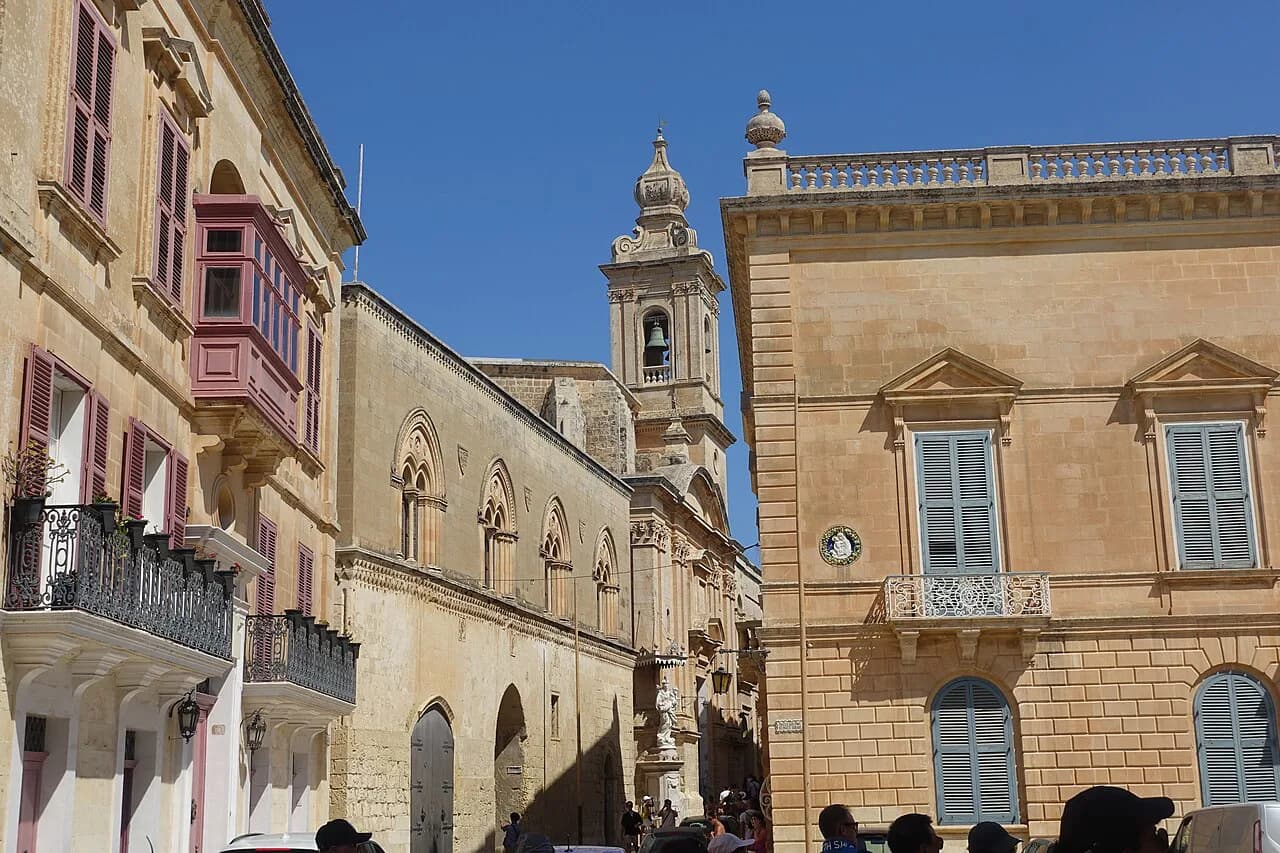
The result is a small walled city of baroque churches, palazzi and monasteries packed into a space you can cross in minutes. The lanes twist enough to be interesting but not enough to lose you badly, which makes an unhurried wander the best introduction; a Mdina walking tour helps if you want the doors and courtyards explained as you pass.
1530: why the Knights chose Birgu over Mdina
When the Knights of St John arrived in 1530 they judged Mdina unsuitable as an island capital because it lay inland, and based themselves at Birgu before building Valletta from 1566. Valletta has been the capital ever since, and Mdina's political importance never returned. The shift explains why the city's grandest buildings date from the nobility period and the baroque rebuild rather than from a long spell as an administrative centre.
The 1693 earthquake and the baroque rebuild
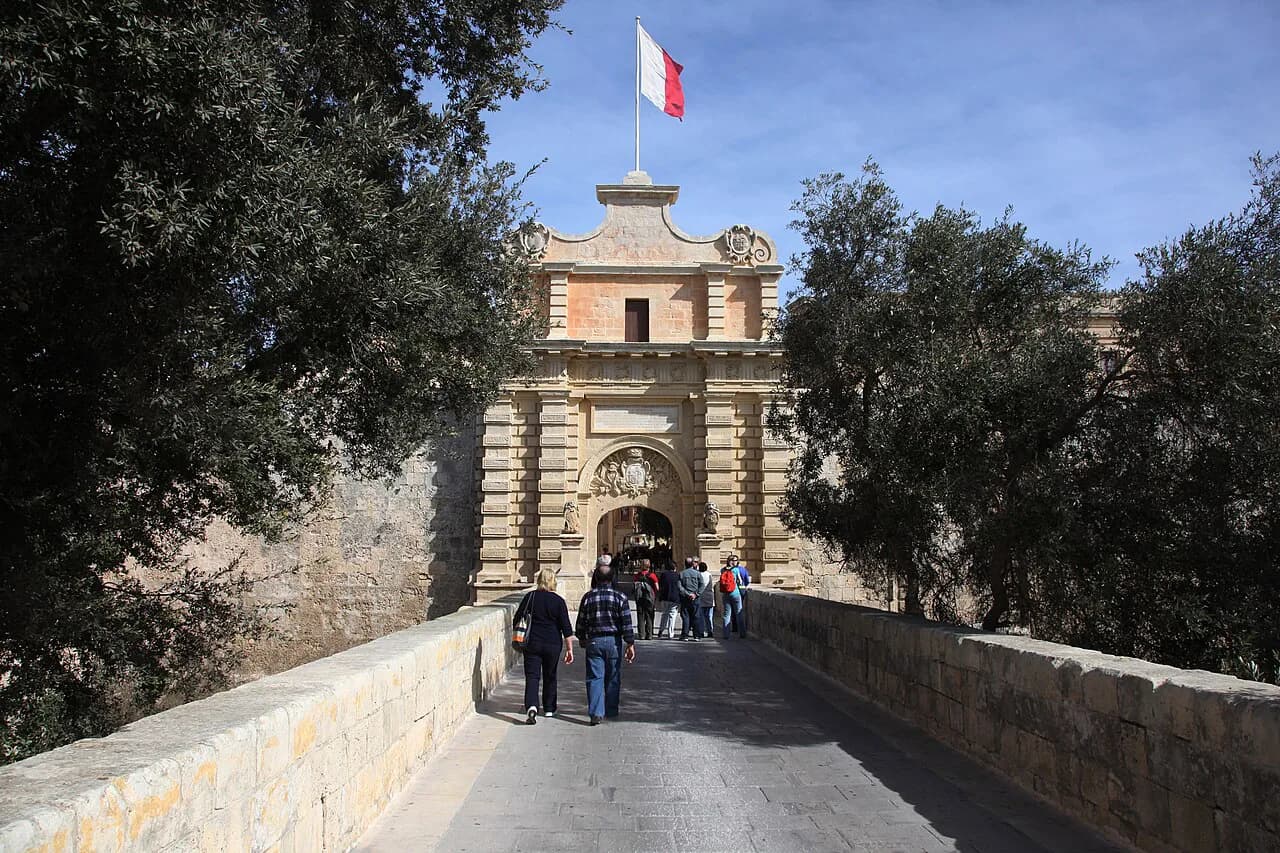
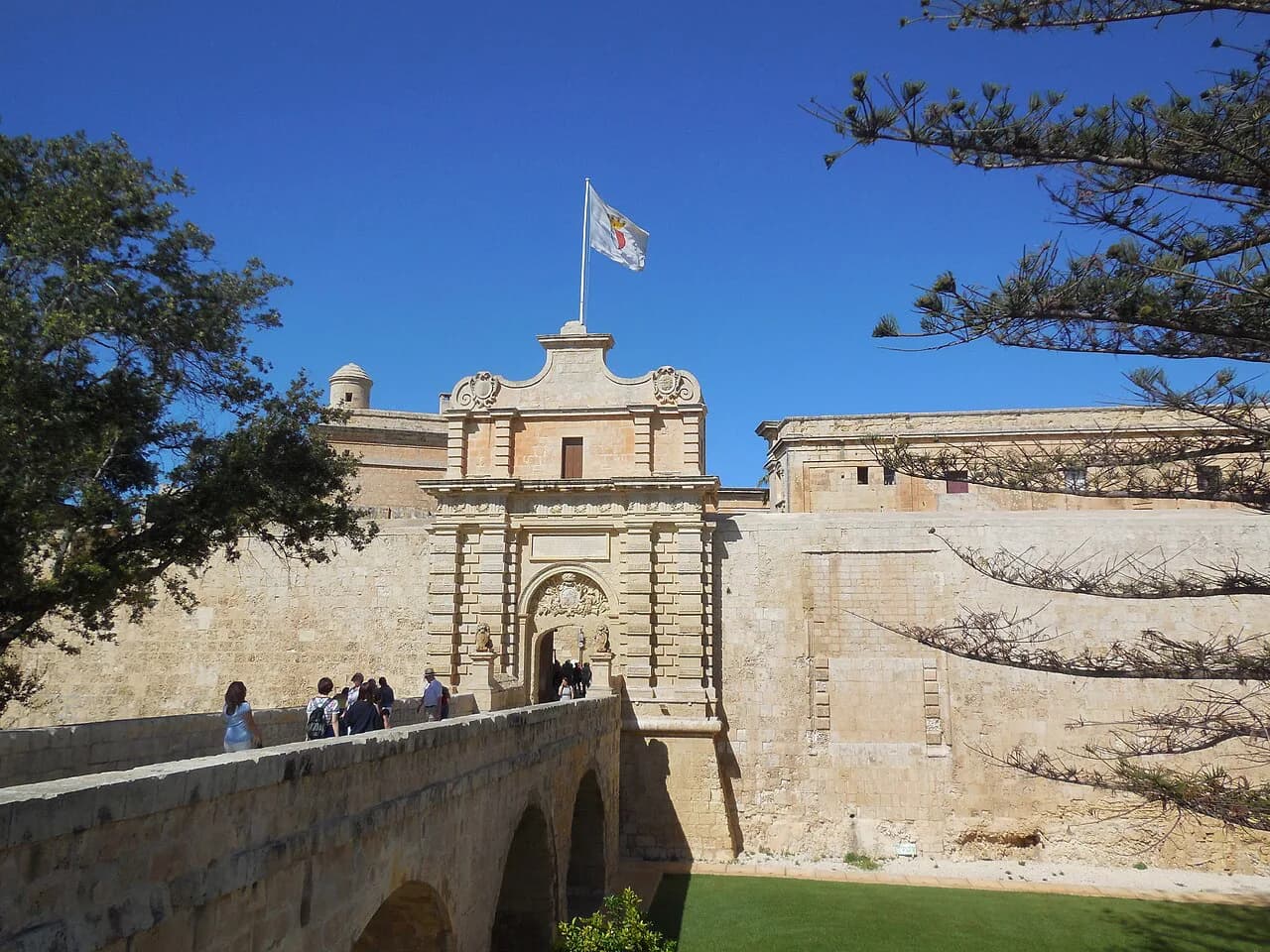
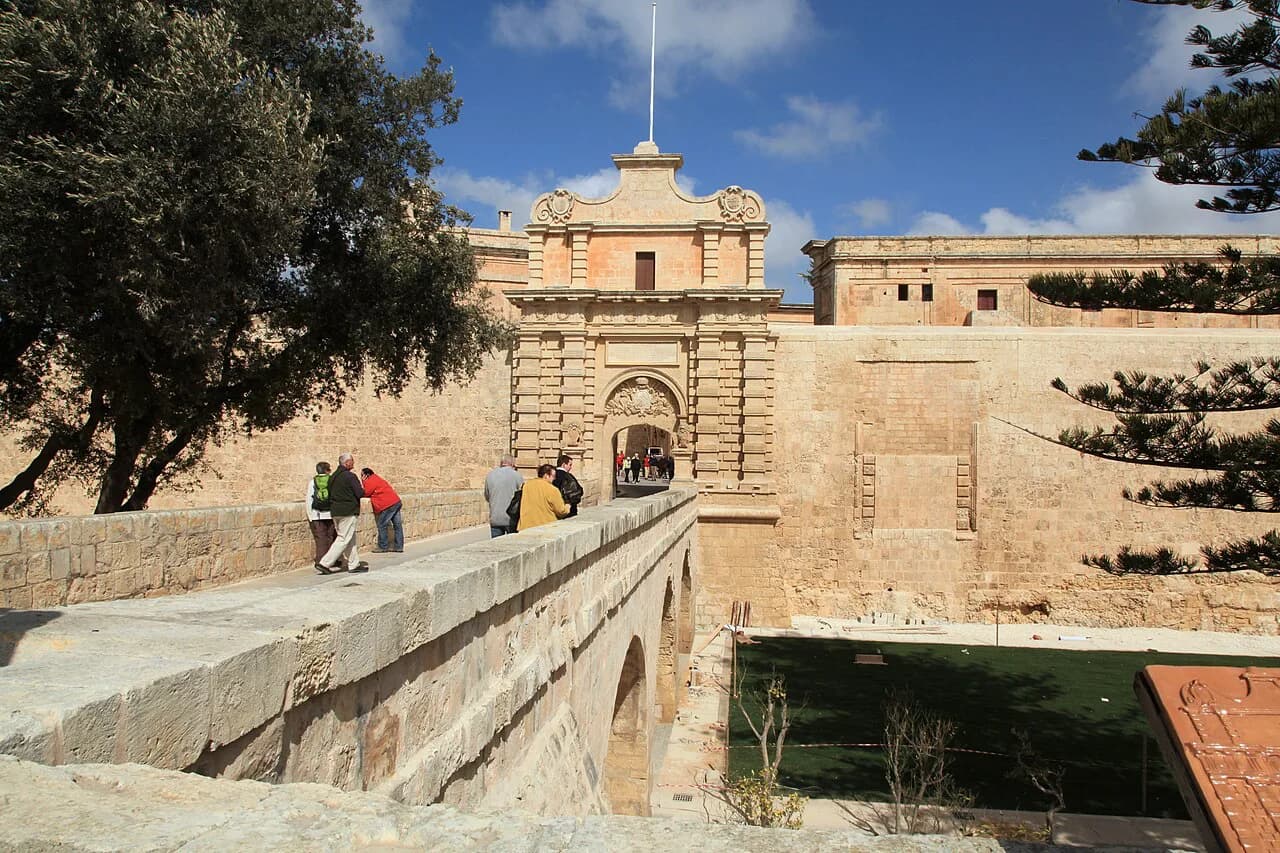
A severe earthquake damaged Mdina in 1693, yet many medieval buildings came through it, which is why Arab and Norman fabric still sits beside later work. The rebuilding that followed added the baroque layer most visitors notice first. Mdina Gate, the main entrance, is an 18th-century baroque structure carrying the coats of arms of Grand Master António Manoel de Vilhena and the city, and it served as a King's Landing gate in the first series of Game of Thrones.
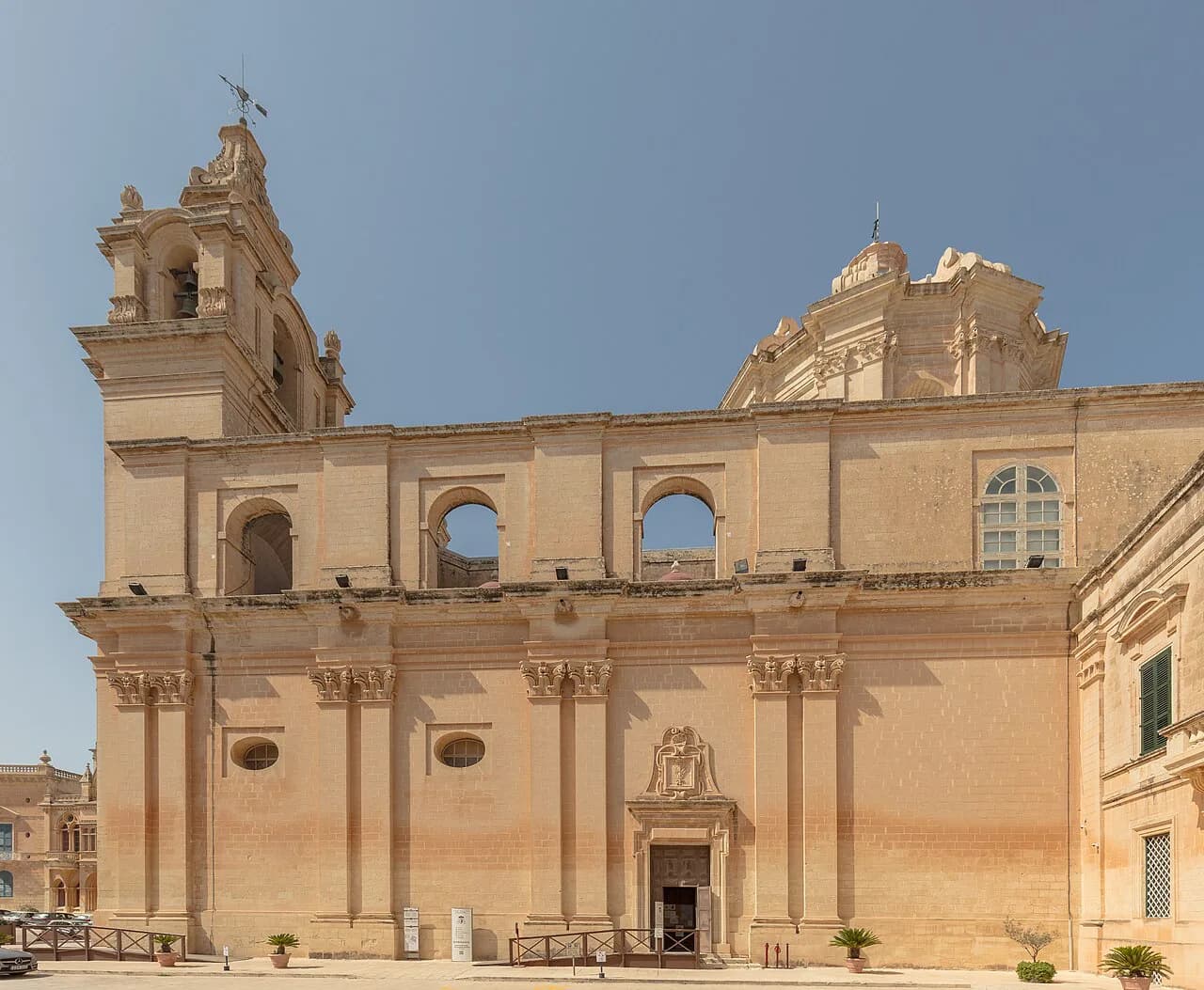
St Paul's Cathedral was damaged in the same earthquake and rebuilt in baroque style by Lorenzo Gafà between 1695 and 1705. It faces Pjazza San Pawl, the main square, which the sources describe as especially atmospheric towards sunset when the stone turns orange. Treat the St Paul and Publius association as the tradition the building claims rather than as documented fact.
What each period left you can still visit
Start at Mdina Gate and cross the bridge with its carved lions into the lanes, then work towards Pjazza San Pawl and the cathedral. Nearby, Pjazza Mesquita is a short walk inside the walls and appeared in the same television series. Plot the sequence on an Mdina map before you go, because the centre rewards a loop rather than backtracking.
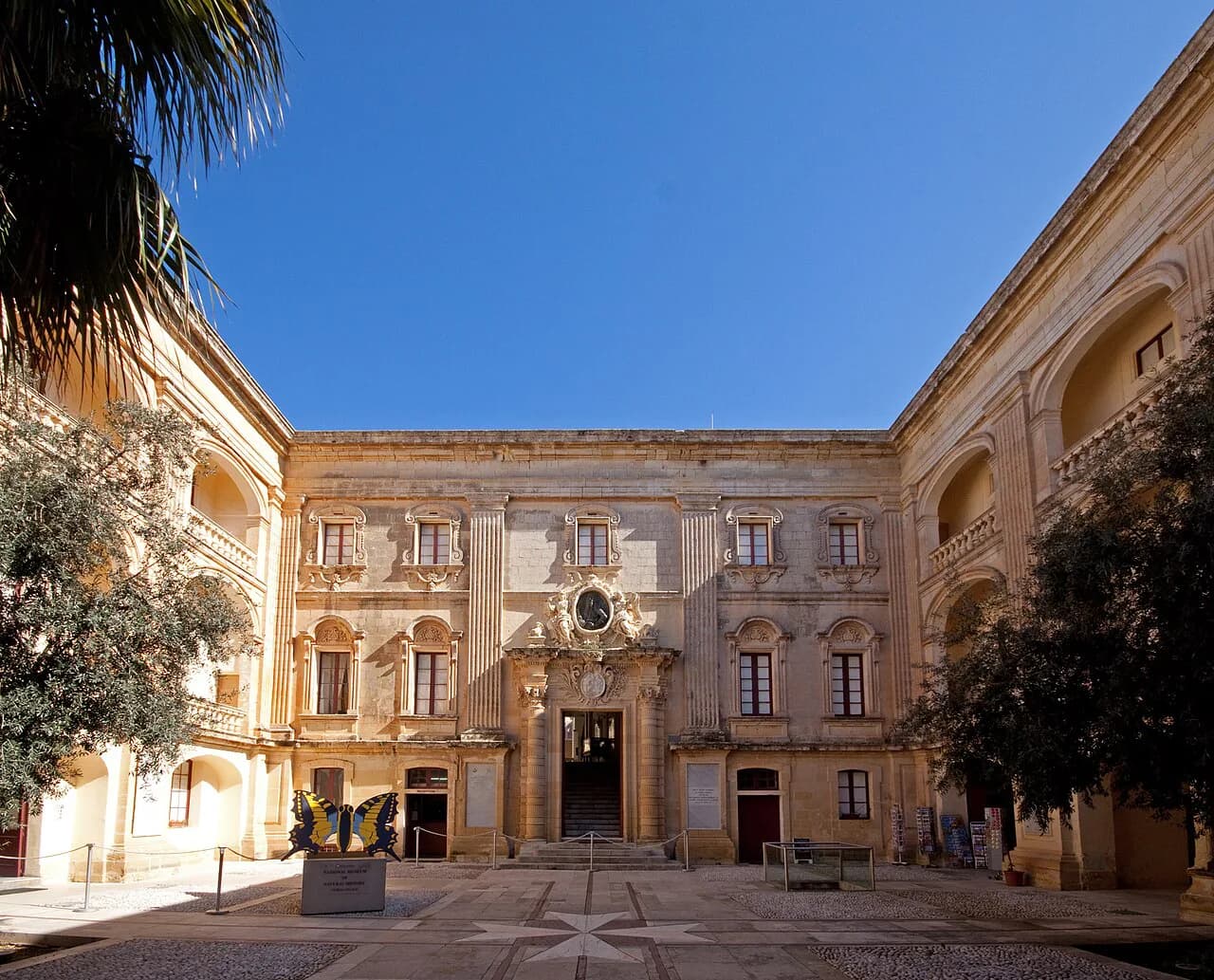
For the nobility era, Palazzo Falson is a 13th-century noble home turned museum, with period furniture, silver and a library of more than 4,000 books. Palazzo Vilhena, a French baroque palace rebuilt in the 17th century as a Grand Master's summer residence, now holds the National Museum of Natural History. Both sit within a few minutes of each other, so they pair naturally.
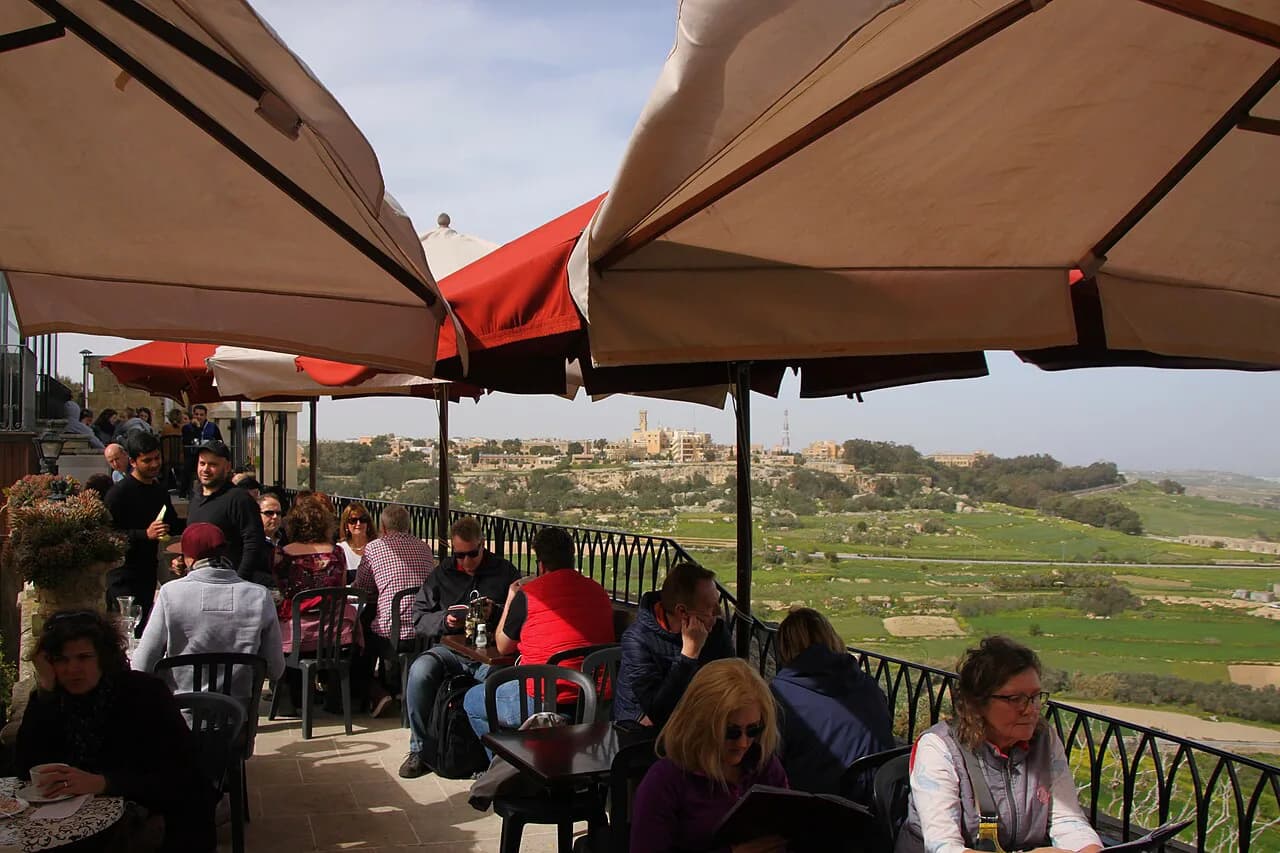
At the far corner of the city, Bastion Square hugs the northern wall and looks over countryside and coast, with a red-shuttered palazzo and shops selling Maltese lace and glass. It is the obvious place to end a history walk, early morning or late afternoon being kinder than midday. Our Mdina attractions hub collects the individual building guides in one place if you want to go deeper on any of them.
How long the history sights take, and getting there
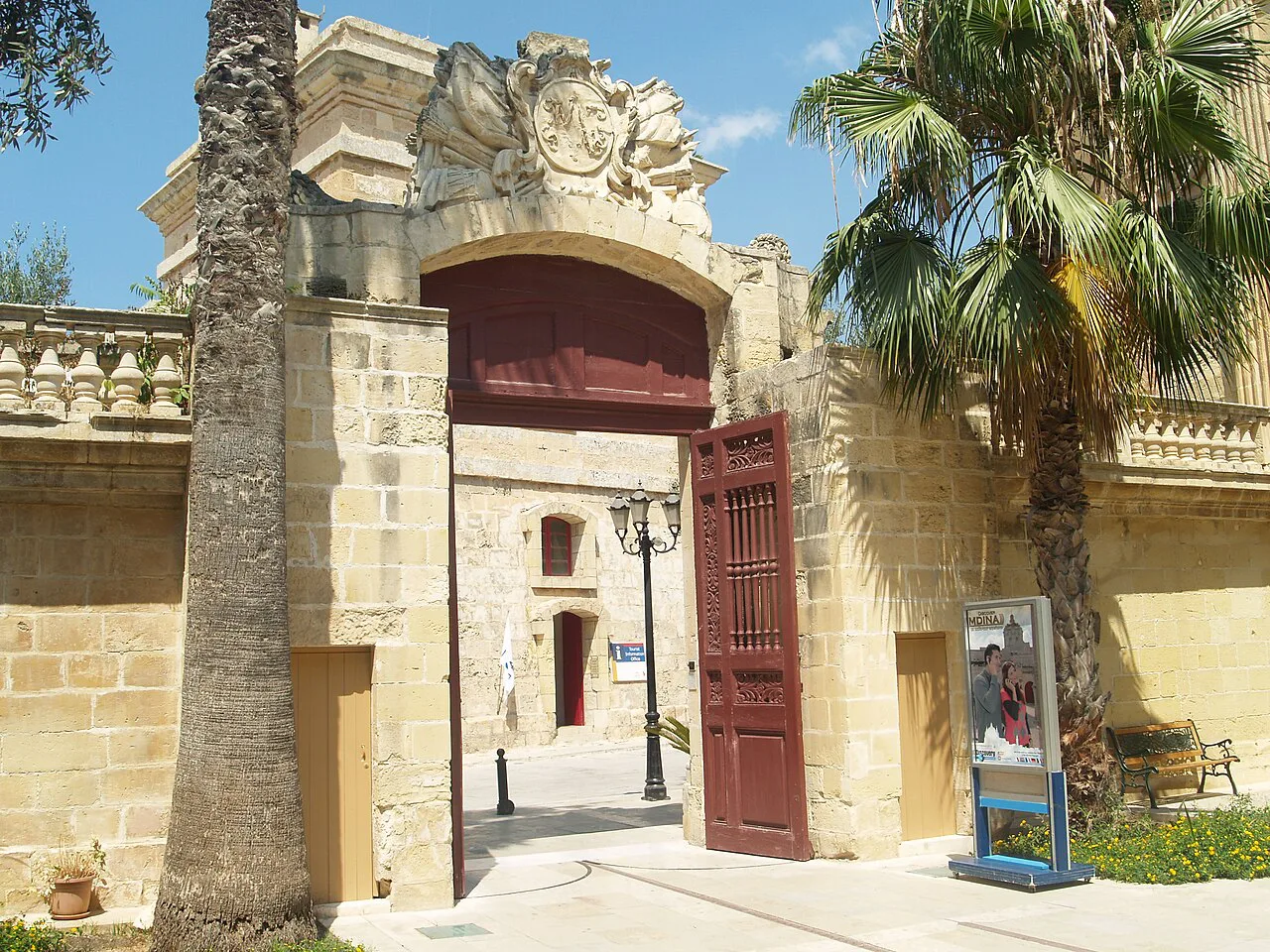
Allow at least half a day to walk the streets and take in the views from the walls, and up to a day if you plan to go round the main museums and palaces properly. Mdina is roughly 20 minutes by taxi from St Julian's or Valletta, and about the same from Qawra Bay in the north, which makes a return visit for a quieter few hours realistic.
Opening times and entry charges for the cathedral, Palazzo Falson, Palazzo Vilhena and the Carmelite Priory are set individually, so confirm them with each site before you travel. If you are weighing up whether the trip earns its place in a short Malta itinerary, read is Mdina worth visiting before you commit a day.
Reading Mdina in the Right Order
Walk in through Mdina Gate, head for Pjazza San Pawl, then take in a palace or two and finish at Bastion Square. That route runs Phoenician hillfort, Roman Melite, Arab-named city, noble town and baroque rebuild in the same order as the timeline, without any backtracking.
If you are coming from the capital and want the logistics settled first, our guide to Mdina from Valletta covers the journey; the Mdina Old City layout is simple enough that the rest is on foot.
Explore more Mdina guides
Frequently Asked Questions
Was Game of Thrones filmed in Mdina?
Yes. Mdina stood in for King's Landing in the first series, with Mdina Gate used as the city entrance and Pjazza Mesquita among the streets that appeared on screen. Later series moved filming to Croatia.
How old is Mdina?
The city on this site was founded by the Phoenicians around 700 BCE and then reshaped by Roman, Arab, Norman and later rulers. The earthquake of 1693 and the baroque rebuilding that followed gave the centre much of its present appearance.
Sources
Notes for your Malta trip
Optional updates when we add or correct a Malta or Gozo guide.
You might also like
Continue reading
More guides you'll find useful