
Palazzo Vilhena: Mdina's Palace and Natural History Museum

Palazzo Vilhena is the Baroque palace in Mdina that holds Malta's National Museum of Natural History, so one ticket covers both the building and the collection inside it. Adult admission is €5.00, with reduced rates for youths, seniors, students and children and free entry for infants and Heritage Malta members and passport holders. This guide covers where the palace sits in Mdina, what each ticket costs, the days it opens, how to walk there from the city gate, what to look at in the courtyard and which halls to prioritise.
What Palazzo Vilhena is and where it stands in Mdina
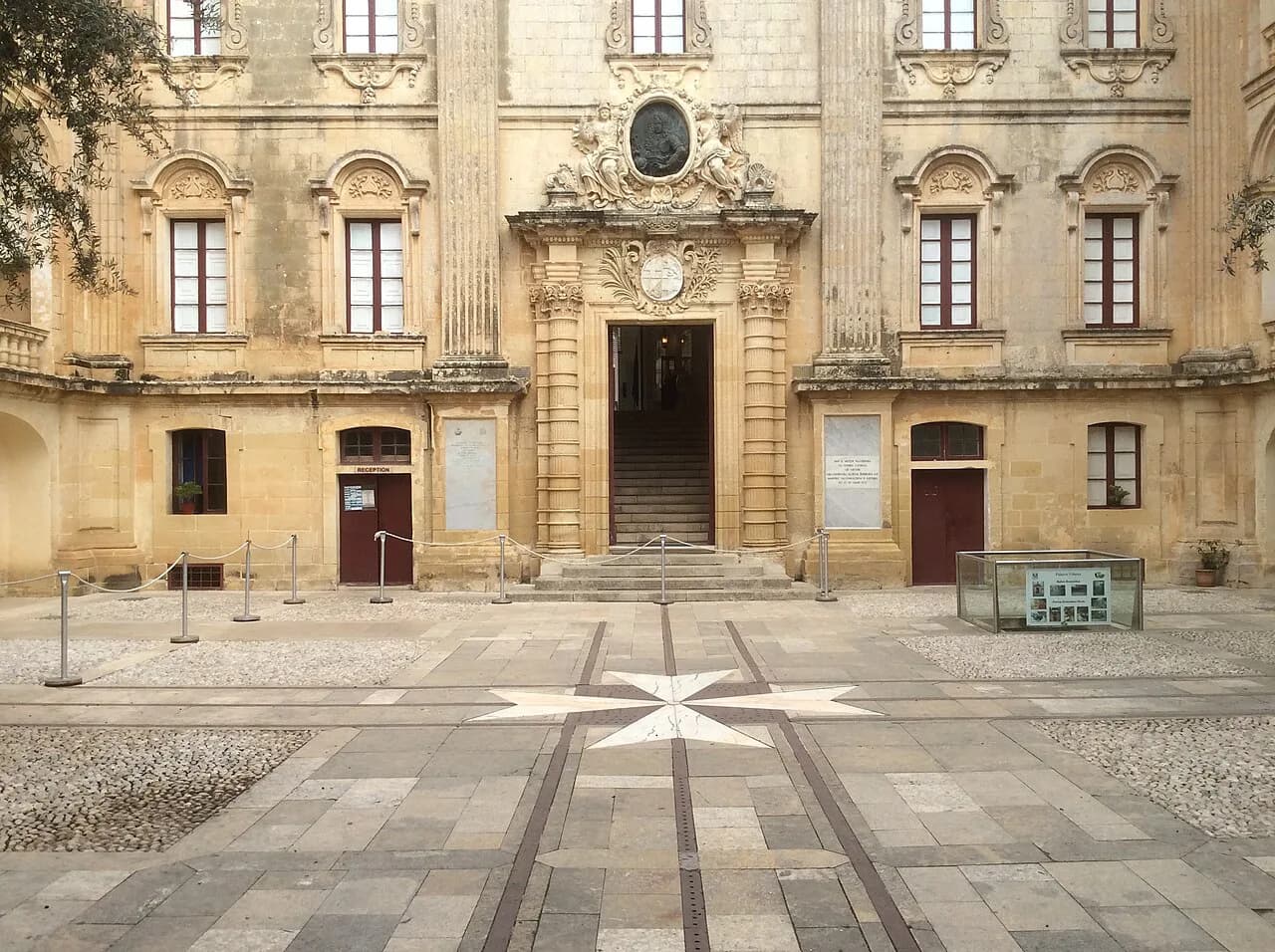
The palace stands off Pjazza Publju inside Mdina's walls, in the same square that carries the museum's postal address. It is more commonly known as Palazzo Vilhena after Grand Master Antonio Manoel de Vilhena, who commissioned it as part of his reworking of the medieval capital, and the French architect Charles François de Mondion designed it in the Parisian Baroque style. A bronze bust of the Grandmaster sits above the main door, and his coat of arms appears on the main gateway and inside the portico.
The building has served several purposes since the Knights: it was a temporary hospital during the 1837 cholera outbreak, later a sanatorium for British military personnel, and a tuberculosis clinic until it closed in January 1956. It opened as the National Museum of Natural History on 22 June 1973. Treat the palace and the museum as a single stop rather than two separate sights.

Tickets: what each visitor pays
Adults aged 18 and over pay €5.00. Youths aged 12 to 17, senior citizens aged 60 and over, concessions and students pay €3.50, and children aged 6 to 11 pay €2.50. Infants aged 1 to 5 enter free, as do Heritage Malta Members and Heritage Malta Passport holders. For a family, the tiers are worth adding up before you arrive: two adults and two children aged 6 to 11 come to €15.00 at those rates, while a Heritage Malta Passport holder pays nothing at the door. If you plan to visit several Heritage Malta sites, compare the passport against paying individually at each one.

Opening days, last admission and closures
The museum's published opening hours run Tuesday to Sunday, 09:00 to 17:00, with last admission 30 minutes before closing. That listing gives closures on Mondays, and also on 24, 25 and 31 December, 1 January, Good Friday, Easter Day and public holidays. If your Mdina day falls on a Monday or a public holiday, put the palace on another day and keep the cathedral and streets for that visit.
A late-afternoon arrival is the risk here: with last admission half an hour before 17:00, a 16:30 arrival leaves no time for the halls. Aim to be at the door by mid-afternoon if the museum is your main reason for coming to Mdina. Confirm the day's times on the Heritage Malta site before you set out, since public holidays shift through the year.
How to get there: the walk from the gate and the nearest bus stop
Mdina is small enough that the palace is a short walk from the city gate: once through the gate, head for Pjazza Publju, where the museum entrance sits. Heritage Malta puts the closest bus stop five minutes on foot from the door, which covers the buses that drop visitors outside the walls. The last stretch is on foot either way.
From Valletta or Rabat, the bus drops you outside the walls and you walk in; drivers use the car parks beyond the gate rather than trying to enter. Allow the five-minute walk plus time at the gate itself, which is a sight in its own right.
The building itself: Mondion's facade, forecourt, courtyard and Justice
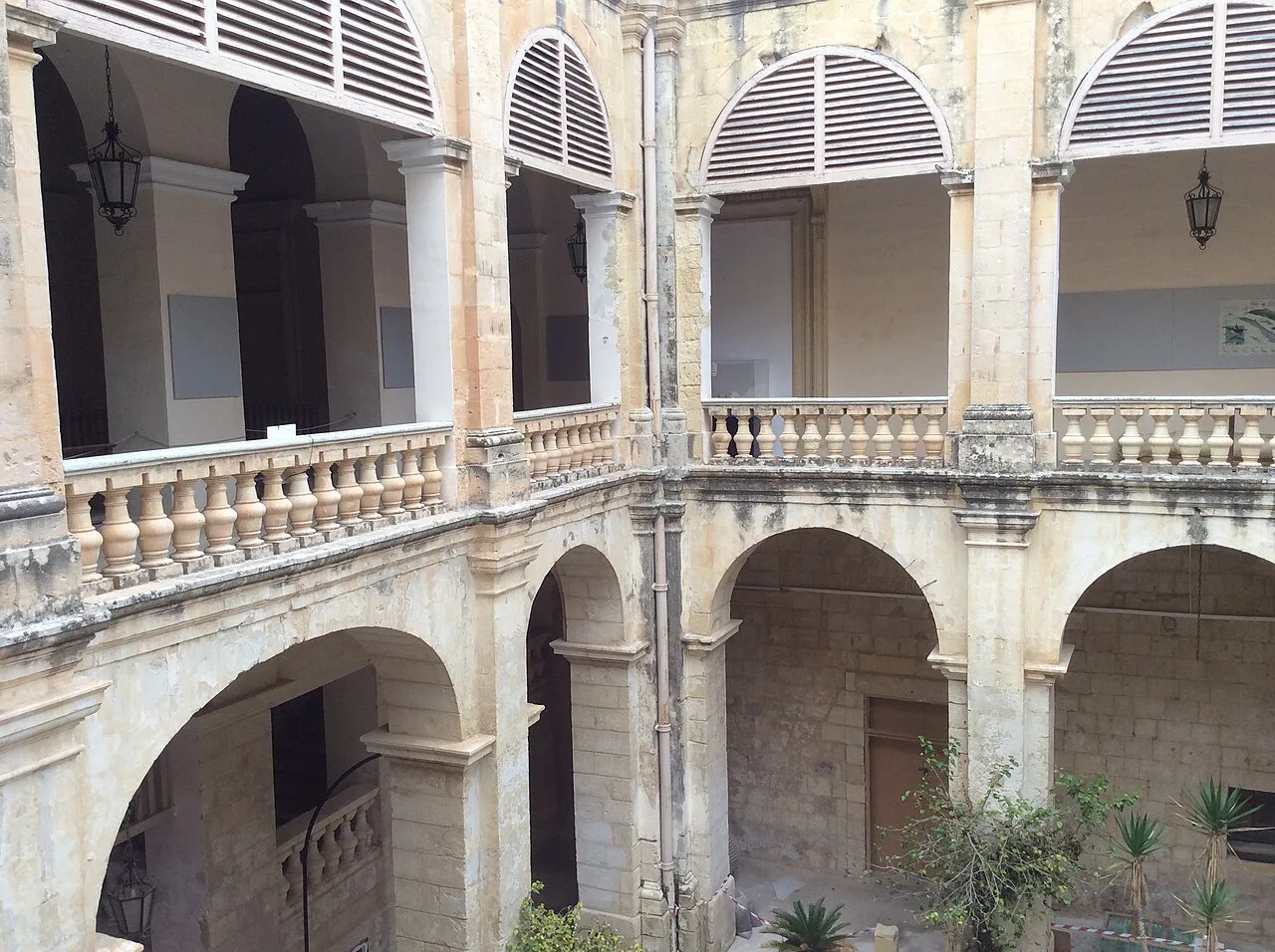
Mondion's plan pairs an outer forecourt, which replaced Mdina's medieval crooked entrance, with an inner courtyard that follows the line of an older courtyard built under L'Isle Adam. The street facade is a wall broken by an imposing portal and giant pilasters, and the elliptical arches around the courtyard on the two upper floors give the interior a theatrical quality. Look up at the courtyard arcades before you head into the galleries.
On the side facade facing Xara Palace, a statue of Justice is shown without a blindfold, carrying the message that justice is all-seeing. Inside, cells survive from the palace's time as Mdina's law courts. These architectural details repay a slow look at the stonework before you head into the galleries.
What to see inside: minerals, birds and the islet halls
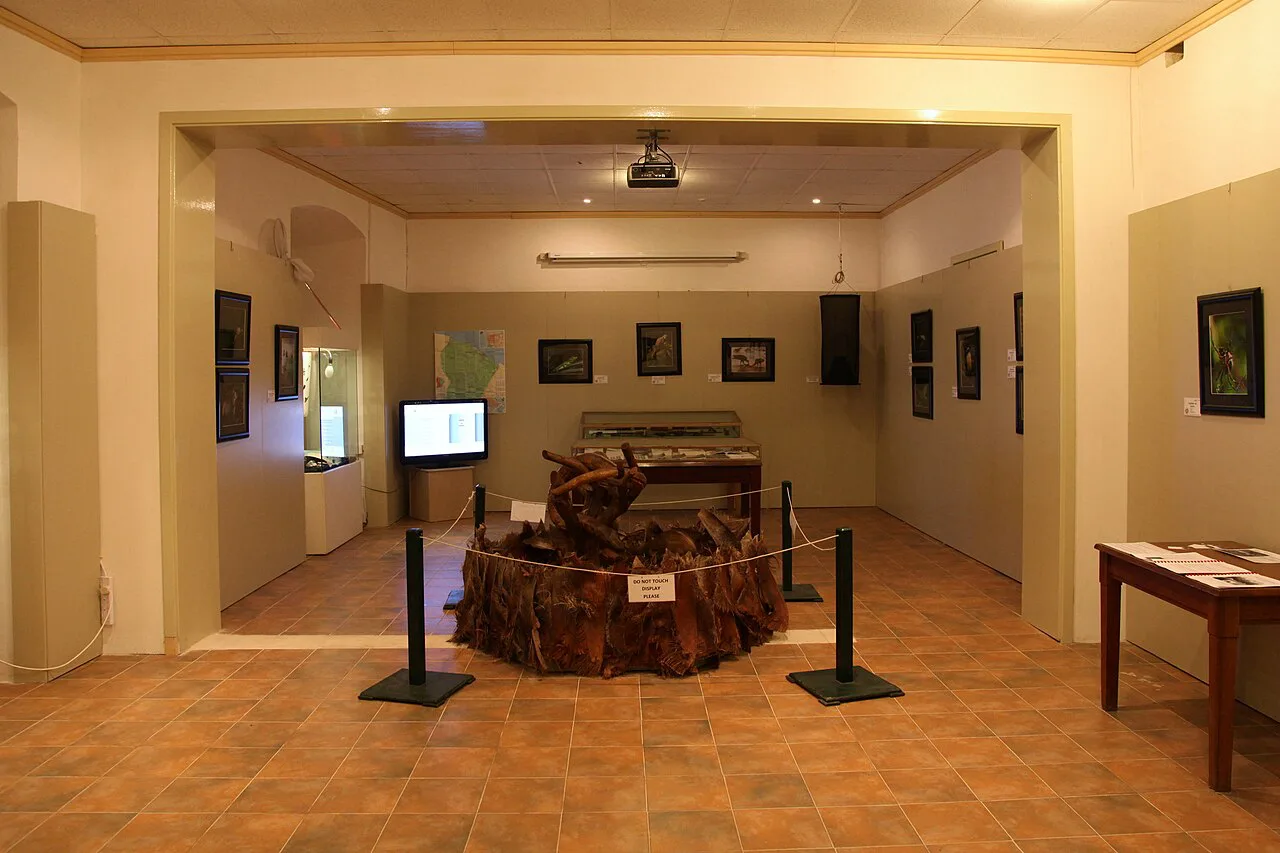
The collections run to more than 10,000 mineral and geological items and around 12,000 specimens of birds and mammals, alongside hundreds of thousands of molluscs, insects and fossils. The Lewis Mizzi Hall displays a significant portion of Mizzi's historic mineralogical collection. The ornithology hall, named after Giuseppe Despott, takes a systematic look at bird diversity around the world, and the Joe Sultana Hall concentrates on the ecology of Filfla, Fungus Rock, St Paul's Islands and Comino.
Each hall is named after a natural historian who documented Malta's ecosystems, which gives the displays a local thread rather than a generic natural history sequence. If your time is short, the Joe Sultana Hall and the mineral hall cover the most distinctive ground. Lockers and a nappy-changing facility are on site, and the museum has designated quiet spaces, with sensory maps and social stories available for download.
How long to allow and how to fit it into a Mdina day
Give the palace and museum between one and two hours: the courtyard and facade take fifteen minutes, and the galleries fill the rest at a walking pace. Anyone reading the mineral and ornithology labels in detail should allow closer to two hours. The museum sits in the middle of Mdina, so a morning start leaves the rest of the day for the cathedral and the streets.
Avoid Mondays, which the published hours list as a closure day, and aim for a morning start so the afternoon stays free for Mdina's cathedral and streets. Confirm the day's times on the Heritage Malta site before you travel.
Nearby: what else to see in Mdina on the same visit
St Paul's Cathedral, Mdina, is the obvious next stop, and the cathedral museum next to it houses a separate collection. A few streets away, the Palazzo Falson Historic House Museum in Mdina gives you another palace interior with a very different feel. Pair the natural history museum with one of these rather than trying to see everything in a single morning.
If you are travelling with children or want something livelier after the quiet galleries, the Mdina Dungeons sit nearby and run on a different register entirely. The Banca Giuratale, Mdina, is a short detour for anyone following the city's civic buildings. Our Mdina Attractions: 13 Visitor Guides sets out the full set of sights so you can sequence them around the museum's opening days.
Is Palazzo Vilhena worth an hour of your Mdina day?
Yes, if you want a Baroque palace, a courtyard and a substantial natural history collection in one ticket, and the €5.00 adult rate makes it an easy add-on to a Mdina morning. Treat it as an hour to ninety minutes, arrive by mid-afternoon, and avoid Mondays and the listed public holiday closures.
If your group already holds Heritage Malta passes, the free entry removes even that calculation. Build the museum into a walking route through the gate, St Paul's Cathedral and the lanes, and check the day's opening on the Heritage Malta page the evening before.
Explore more Mdina guides
Frequently Asked Questions
Do I need to book Palazzo Vilhena in advance?
Heritage Malta lists a 'Book now' option for the museum. Whether you book ahead or pay on arrival, check the day's opening before you travel, since the published closures include Mondays and several public holidays.
Is the museum accessible for visitors with mobility impairments?
Heritage Malta marks the site as partially accessible: some areas cannot be fully reached by visitors with mobility impairment, though fully accessible toilets are listed. Anyone with specific needs should contact the museum directly before travelling so the visit can be planned around the parts that work.
Can I visit the courtyard without buying a museum ticket?
The forecourt and street facade are seen from the public street on the way in, and the statue of Justice is on the side facade facing Xara Palace. The inner courtyard sits within the museum, so plan on a ticket if you want to see the elliptical arches at close range.
What is the best way to reach Mdina from Valletta or Rabat?
Take a bus to the stop outside Mdina's walls and walk in through the gate; Heritage Malta puts the nearest stop five minutes on foot from the museum door. The last stretch into the walled city is on foot.