
Mdina Dungeons: What You'll See in the Old Prison Chambers

Mdina Dungeons is a small underground museum in Mdina, built through a series of passageways and cells beneath the old capital and filled with staged scenes of murder, torture and punishment. Expect a short, deliberately grim walk-through of models and tableaux rather than a preserved working prison. This page covers what is inside, how it fits into a walk through Mdina, what the published ticket and opening details say, and the nearby sights that pair with it.
What Mdina Dungeons actually is
The museum occupies a run of underground chambers that it presents as the former prison of Malta's old capital, and its content is a recreation rather than an intact historic interior. Scenes are drawn from the darker side of the island's past, running through the Roman, Arab and Knights' periods to Napoleon, with models and set-pieces doing the storytelling.
One example of the historical detail on show is the practice of locking Merchants into the stocks for a day when they were caught cheating with weights and scales, a public shaming intended to stop repeat offences. If you want architecture, paintings or original fabric, spend your time elsewhere in Mdina; the appeal here is atmosphere and spectacle.
Where it is in Mdina
Mdina sits near the centre of Malta, about a mile (2 kilometres) from Rabat, and the old town is almost entirely free of cars, so the last stretch is always on foot.
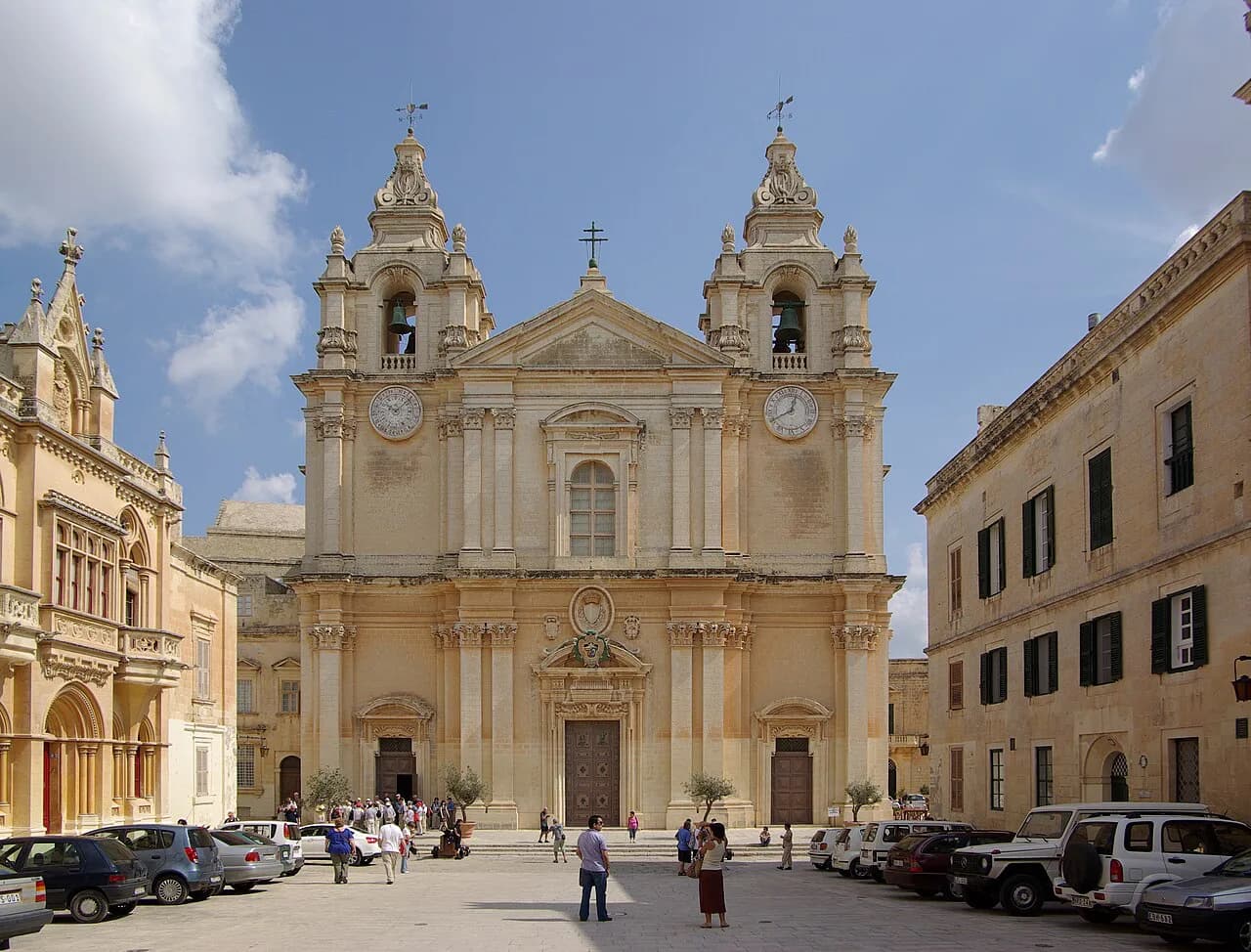
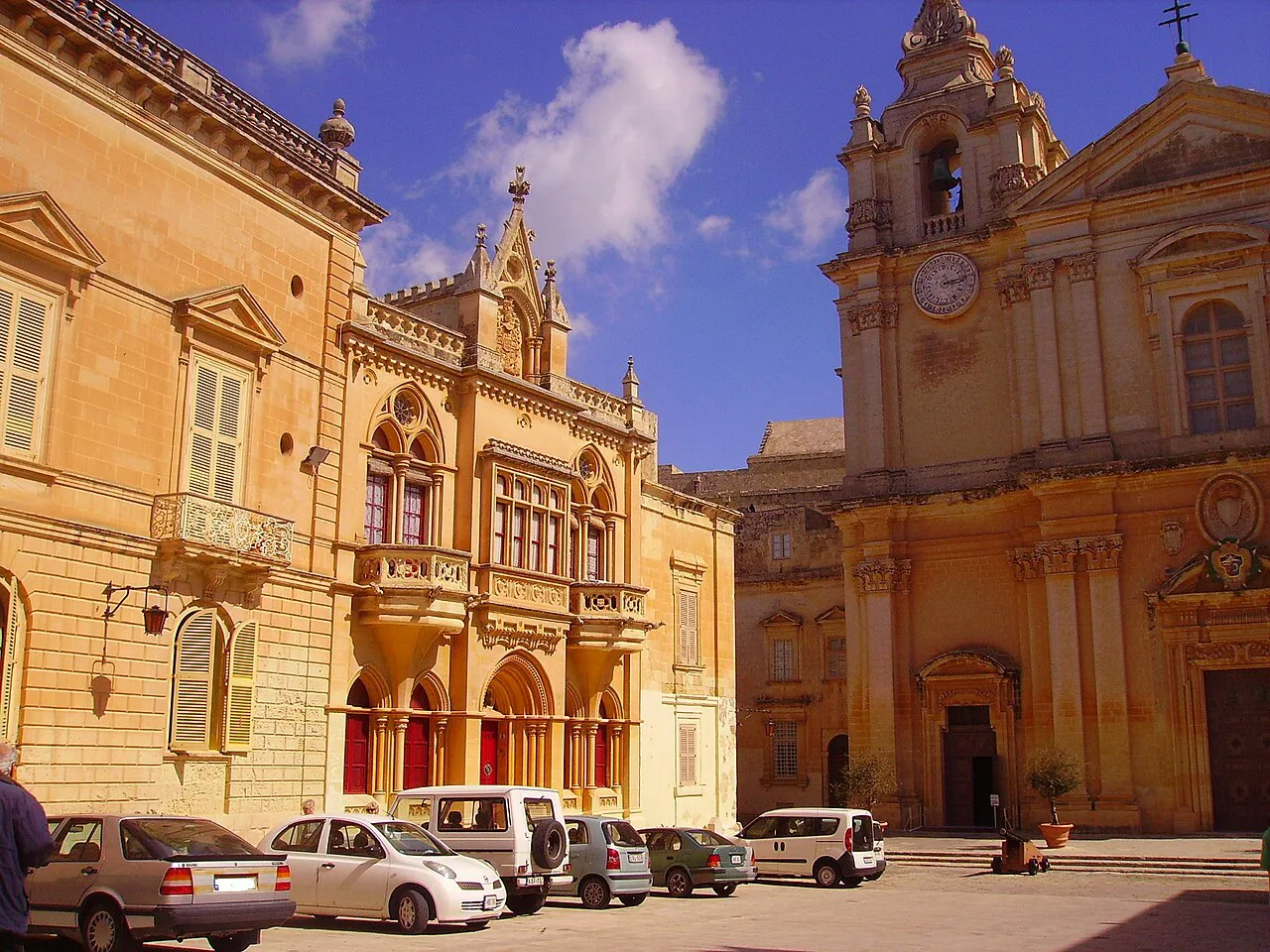
The dungeons are inside those pedestrian lanes, and pairing them with the cathedral quarter makes sense: walk up to St Paul's Square to see St Paul's Cathedral, Mdina, then drop into the museum as a contrast to the polished Baroque interiors above ground. Allow extra time for the lanes themselves, which twist and turn and open unexpectedly onto squares and palaces.
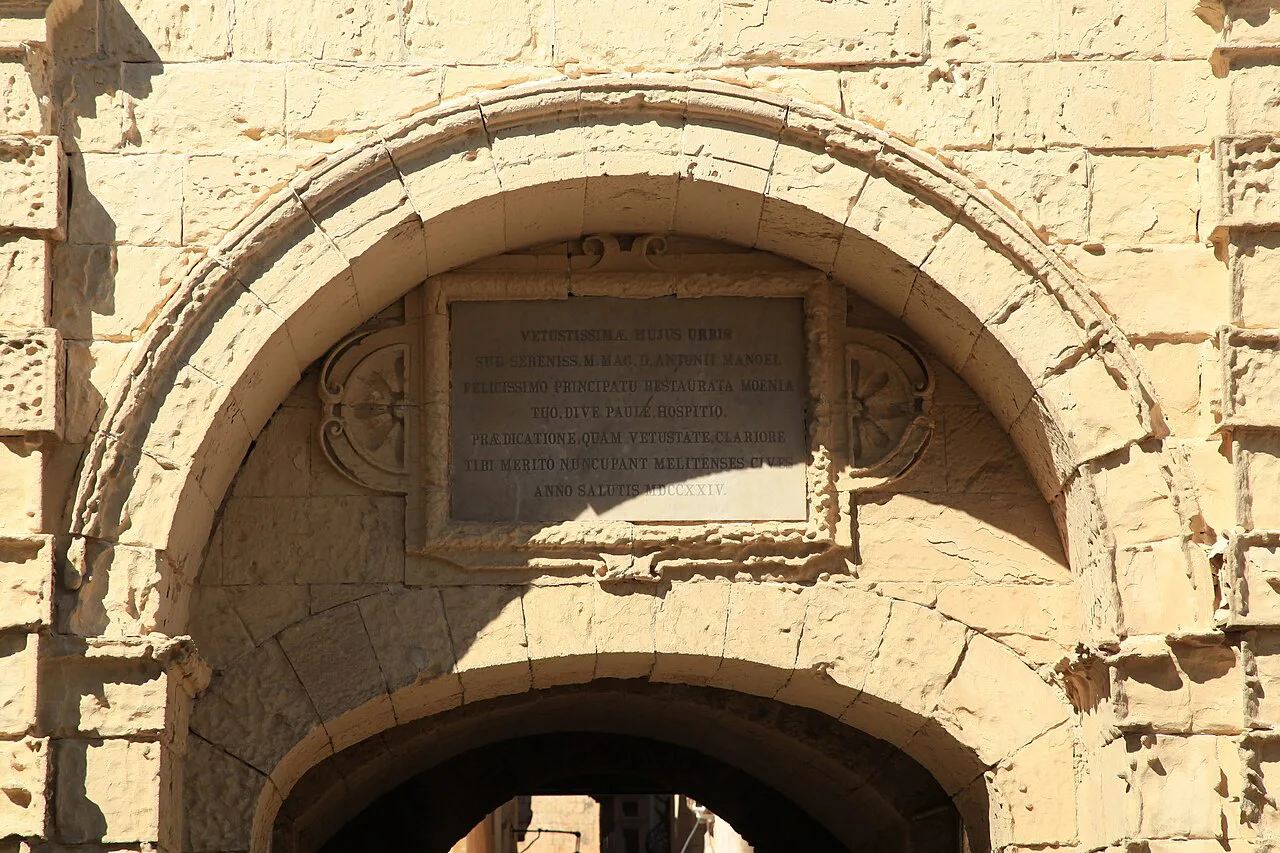
Most visitors enter through the Mdina gate on the main approach, which funnels everyone into the same few streets. If you are planning a longer look at the walled city, our Mdina Attractions: 13 Visitor Guides collection maps out the gates, palaces and museums around this one.

What you walk through
The route is a sequence of underground passageways and cells, and you follow it past chamber after chamber of staged scenes. The exhibits lean hard on gore, with displays of murder and torture presented as tableaux, lit and dressed to unsettle rather than to inform in detail. It is a walk-through exhibition, so you set your own pace and can move quickly if the content is not for you.
Visitors who have been round tend to describe it as an atmospheric medieval-dungeon experience with drama, mystery and a dark historical theme rather than a museum of objects, which is the fairest way to judge whether it appeals.
Who it suits, and who it doesn't
Because the scenes are graphic and rely on shock, the museum is a poor fit for young children and for anyone who finds depictions of violence distressing. It works best as a short contrast stop for adults who have already seen the cathedral and palaces and want something stranger.
Set your expectations on authenticity as well as tone: this is a reconstruction of historical events and practices, and the value is in the atmosphere rather than in original cells or artefacts. If your priority is genuine historic interiors, the Palazzo Falson Historic House Museum in Mdina gives you a furnished noble house and a rooftop view instead, and it makes a sensible alternative on the same walk.
Opening hours, tickets and closures
A published listing gives opening hours of 10:00 to 16:00 Monday to Friday and 09:30 to 16:30 at weekends, with last admission about 30 minutes before closing. The same page lists closures on 24, 25 and 31 December, 1 January, Good Friday, Easter Day and public holidays, and gives adult admission with reduced rates for children, students and seniors. Check the museum's own notices before travelling, as these are third-party listing details rather than an operator guarantee for your date.
Check the prices on the same listing before you go, since admissions and concessions change and the museum's ticket desk is the final word on what you pay.
How long to allow inside
The walk-through can take around half an hour at an unhurried pace, and there are no displays that need long reading, so most people move through steadily rather than linger.
Build the visit into a half-day in Mdina rather than making it the reason for the trip: an hour for the cathedral and its museum, time on the streets, and a stop at the fortifications for the view. The walled town is compact enough that the dungeons add little extra walking.
Nearby in Mdina
The cathedral and its museum sit in the heart of the old town and are the obvious next stop, with a small entrance fee for the cathedral interior and a separate museum covering its history and architecture. From there, the walk to the fortifications at Bastion Square gives you panoramic views over the islands and out to the Mediterranean.
Other short stops fit the same circuit: the National Museum of Natural History, Mdina, the Banca Giuratale, Mdina and Casa Gourgion, Mdina are quick architectural pauses on the main lanes. Casa Gourgion and the Greek's Gate in Mdina reward anyone extending the walk towards the quieter edges of the town.
If you want a full picture of what else the walled city holds, start with the things to do in Mdina and decide how much of the day the town deserves beyond this one museum.

Getting there from Rabat, Valletta and beyond
Mdina is well connected by road, and both tourist and local buses run to and from the old town walls, so a car is not essential. The final approach is through the gates on foot, which is part of the experience rather than a chore.
From Rabat the walk is short and level enough for most visitors, which makes a combined trip easy: see Rabat first, then climb into Mdina for the dungeons, cathedral and bastions before returning. Drivers should expect to park outside the walls and walk in.
Is the Mdina Dungeons detour worth it?
Yes, if you want a short, genuinely unsettling half-hour inside the Silent City and you are travelling without young children. No, if you are after original historic interiors or a family-friendly morning; the cathedral, Palazzo Falson and the bastions deliver more for the same time.