
National Museum of Natural History, Mdina

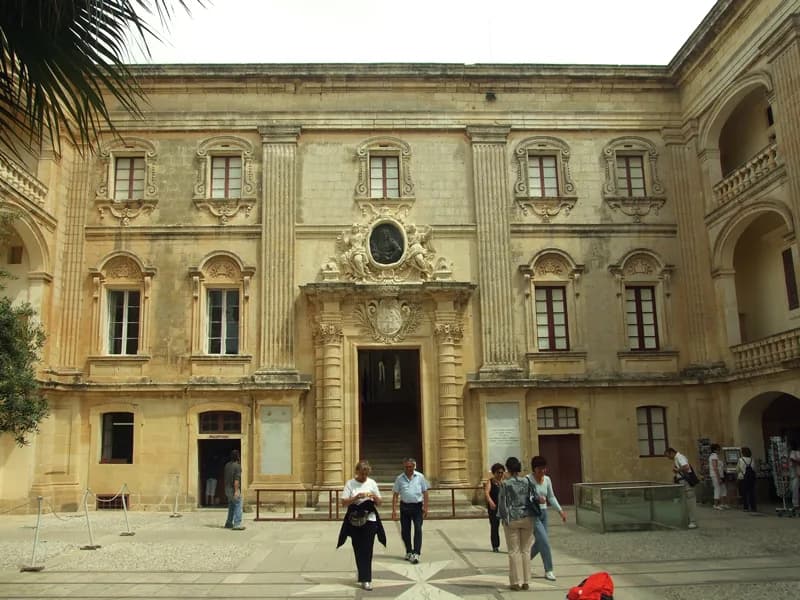
The National Museum of Natural History is the museum to choose in Mdina if you want Malta's rocks, fossils and wildlife rather than its churches and palaces. It occupies Vilhena Palace, an eighteenth-century building in the middle of the walled city, and a visit fits comfortably into a half-day in Mdina.
This guide covers what the museum holds, the hours and ticket prices, how long to allow inside, and the short walk from Mdina gate to the entrance. It sticks to this one museum and points you to Rabat and the rest of Mdina only as what comes next.
Where the museum sits in Mdina
Vilhena Palace stands on St Publius Square in Mdina, a short walk from the point where most visitors enter the city. Because Mdina is small and largely pedestrian, you can reach the museum on foot from anywhere inside the walls within a few minutes.
Plan the museum as one stop in a circuit of the city rather than a separate trip: walk in through Mdina gate, cross to St Publius Square for the museum, then continue to St Paul's Cathedral, Mdina and the bastion views. Allow the museum its own hour or so and build the rest of the walk around it.

Opening hours, last admission and closure days
The museum opens daily from 09:00 to 17:00, with last admission at 16:30. It closes on 24, 25 and 31 December, 1 January and Good Friday, dates worth checking before you build a Christmas or Easter trip around it.
Occasional events extend the hours: in 2011 the museum stayed open from 8.30am until 11pm for Medieval Mdina, with a reduced entrance fee. Treat that as history rather than the normal pattern and check Heritage Malta's opening hours page for the day you plan to visit.
Ticket prices and who pays what
Adults aged 18 to 59 pay €5.00, while youths aged 12 to 17, senior citizens aged 60 and over, and students pay €3.50. Children aged 6 to 11 pay €2.50 and infants aged 1 to 5 enter free.
Heritage Malta members and Heritage Malta Passport holders get in free, which matters if you are visiting several of the island's museums and sites on one card. The Malta Discount Card is advertised with half price entrance to this museum; its terms exclude already discounted senior tickets, so read them before relying on it.
Inside Vilhena Palace
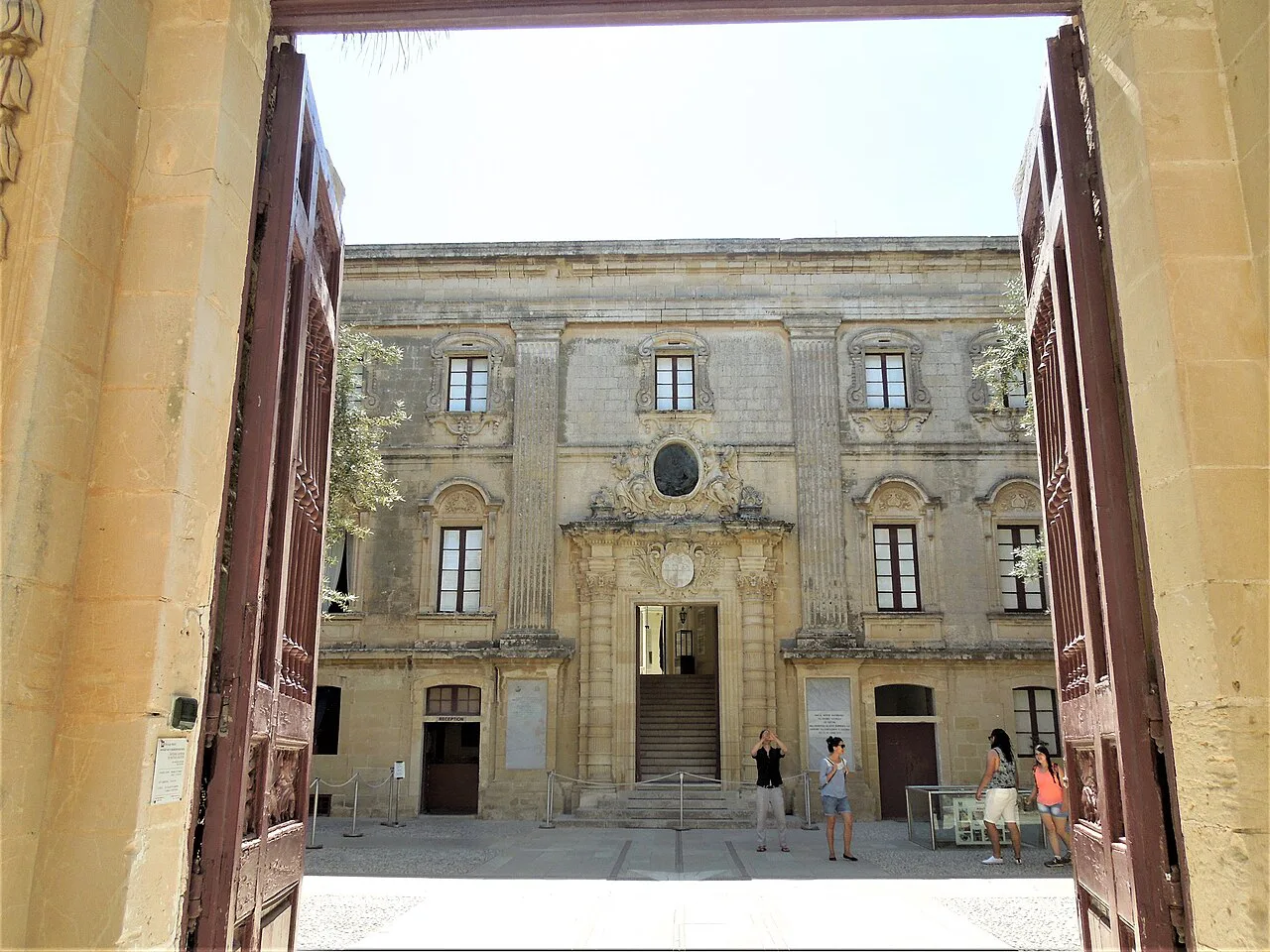
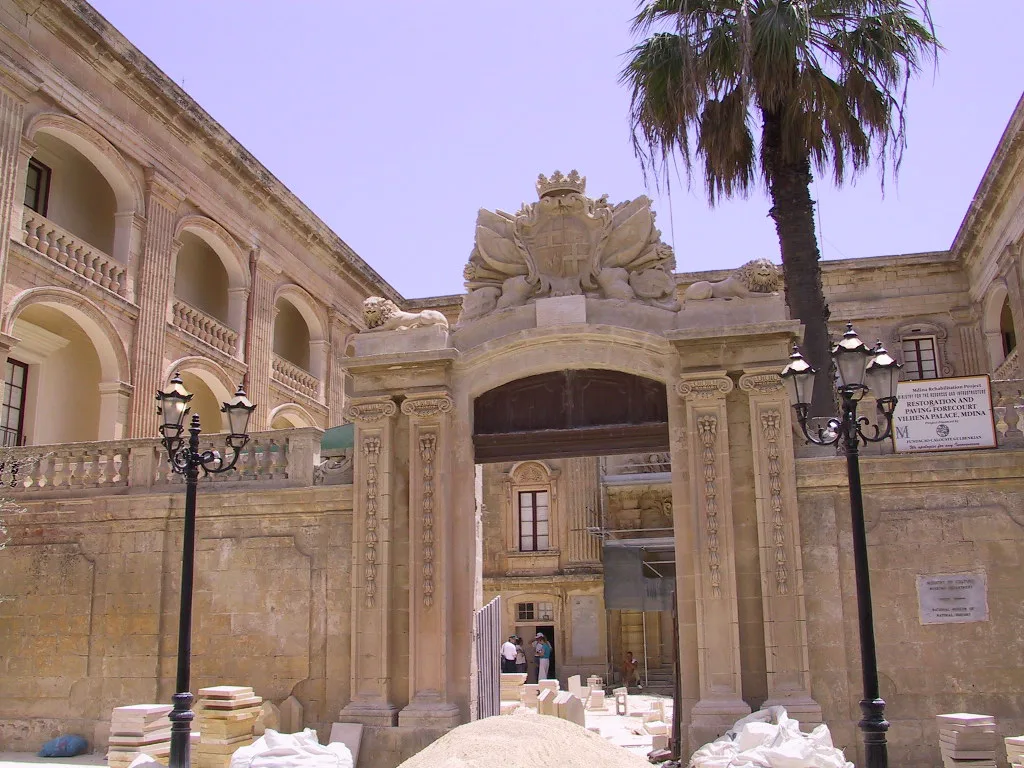
The building is part of the visit. Vilhena Palace is an eighteenth-century palace restructured under Grand Master Antonio Manoel de Vilhena to plans by Charles Francois de Mondion in 1726, in a Parisian Baroque style, and it replaced the medieval university building on the site.
Its later life included spells as a temporary hospital during the 1837 cholera outbreak, a sanatorium for British troops in 1860 and a hospital for tuberculosis patients in the early twentieth century. It opened as the National Museum of Natural History in 1973, so the rooms you walk through carry a story beyond the display cases.
Geology and palaeontology of the Maltese Islands
Start with the earth sciences if you want context for everything you will see outdoors later. The displays cover Maltese geology and palaeontology, explaining the rock that gives the islands their colour and the fossils it holds.
This section is the one to slow down in if you plan to visit Ħaġar Qim, Mnajdra or the coast, because it explains what you are looking at in the cliffs. Budget fifteen to twenty minutes here rather than rushing straight to the birds.
Birds, marine life and habitat dioramas
The natural history collections are strongest on Maltese wildlife, with displays on birds, marine fauna, insects and shells. Dioramas show Maltese habitats in three dimensions, including birds of the cliff habitat, the role of rubble walls and the animals that frequent valleys.
A further display covers the ecological importance of Filfla, Fungus Rock, St Paul's Islands and Comino, useful if your trip includes a boat crossing or a look at the smaller islands. There is also a hall on vertebrate skeletal anatomy and a hall of exotic mammals for anyone travelling with curious children.
The minerals hall and other collections
The L. Mizzi Hall holds part of Lewis Mizzi's mineral collection, with at least 850 pieces of rocks and minerals including raw material alongside worked pieces of art and jewellery. It is a compact, dense display, so give it a deliberate ten minutes rather than a glance on the way out.
Elsewhere the museum covers human evolution and keeps a collection of birds and a squid taken from Maltese waters on display. If your interests lean more to archaeology, Valletta's National Museum of Archaeology holds the prehistoric material from the temples and the Ħal Saflieni Hypogeum instead.
How much time to allow
Allow about an hour for the museum at an unhurried pace, or ninety minutes if geology, birds and minerals all interest you. It is a palace-sized museum rather than a vast one, so it does not swallow a whole day in Mdina.
Go early in the day or after the midday peak if you want the galleries quieter, since Mdina fills up with day visitors as the morning goes on. With last admission at 16:30, a late-afternoon slot works if you have already walked the streets and want somewhere cool before leaving.
Getting there on foot and by bus
From Mdina gate, the walk to Vilhena Palace on St Publius Square takes only a few minutes through the narrow streets. Buses stop outside the city walls, and the walk up through the gate to the museum is short and mostly level once you are inside.
Check current bus routes and times with Malta Public Transport before setting out. If you are coming from Rabat, the two towns adjoin, so you can walk between them rather than taking transport.
Accessibility and facilities
Facilities include toilets and a gift shop, both useful on a day when public facilities inside Mdina are limited. The museum is a sensible stop for anyone who needs a proper break between the cathedral and the bastions.
If you need step-free access or specific facilities, ask Heritage Malta directly before your visit rather than assuming, because provision varies between its sites. Phone or email contact details are listed on its site pages.
Nearby in Mdina and Rabat afterwards
After the museum, St Paul's Cathedral, Mdina is a short walk away, and the cathedral museum next to it holds a separate collection worth an hour of its own. Palazzo Falson Historic House Museum in Mdina is another compact option if you want a second indoor stop.
Rabat lies just outside Mdina's walls, so it makes a natural continuation on foot for lunch or an afternoon walk. If you want a livelier attraction for children, Mdina Dungeons near St Paul's Square is close by.
Is the natural history museum worth an hour in Mdina?
Yes, if you want Malta's rocks, fossils and wildlife explained in one place and a cool indoor break inside the walls. At €5.00 for an adult it is a modest add-on to a Mdina morning, and an hour is enough to see the main galleries without hurrying.
Skip it if your time in Mdina is short and you would rather spend it on the cathedral, the streets and the views from the bastions. Otherwise, arrive before the crowds, check the day's hours, and walk on to Rabat afterwards.
Explore more Mdina guides
Frequently Asked Questions
Do Heritage Malta passport holders get free entry to the National Museum of Natural History?
Yes. Heritage Malta members and Heritage Malta Passport holders enter free, which makes the museum a sensible stop if you are already using a multi-site pass across the islands.
Is the National Museum of Natural History worth visiting in Mdina?
It is worth an hour if you are interested in geology, fossils, birds and Maltese habitats, and it gives you a cool indoor break inside the walls. Visitors with only a short time in Mdina may prefer to spend it on the cathedral and the streets.
Sources
- National Museum of Archaeology - Heritage Malta
- Culture Malta Valletta: National Museum of Natural History, exhibitions, program
- National Museum of Natural History Mdina - Malta Discount Card - Heritage Malta Guide - Malta & Gozo Holidays and Local Discount Pass - Tourism map
- National Museum of Natural History extends opening hours during Medieval Mdina - Heritage Malta