Mdina Streets: Walking the Silent City's Lanes
Walk Mdina's honey-stone streets for free, from the 1724 main gate to the bastion views. See how long the lanes take and when to dodge the tour groups.
On this page
Mdina's streets are free, public and open at any hour, and you can walk the principal lanes from the main gate to the bastion walls in roughly twenty to thirty minutes. The town inside the walls is small by design: a tight grid of narrow limestone lanes where the walk itself is the attraction rather than any single sight. This guide covers the gate and its bridge, the route through the lanes, the paid stops inside the walls, how to reach Mdina from Valletta or Sliema, and the timing that decides whether you get the Silent City or a coach-party queue.
What you are walking through
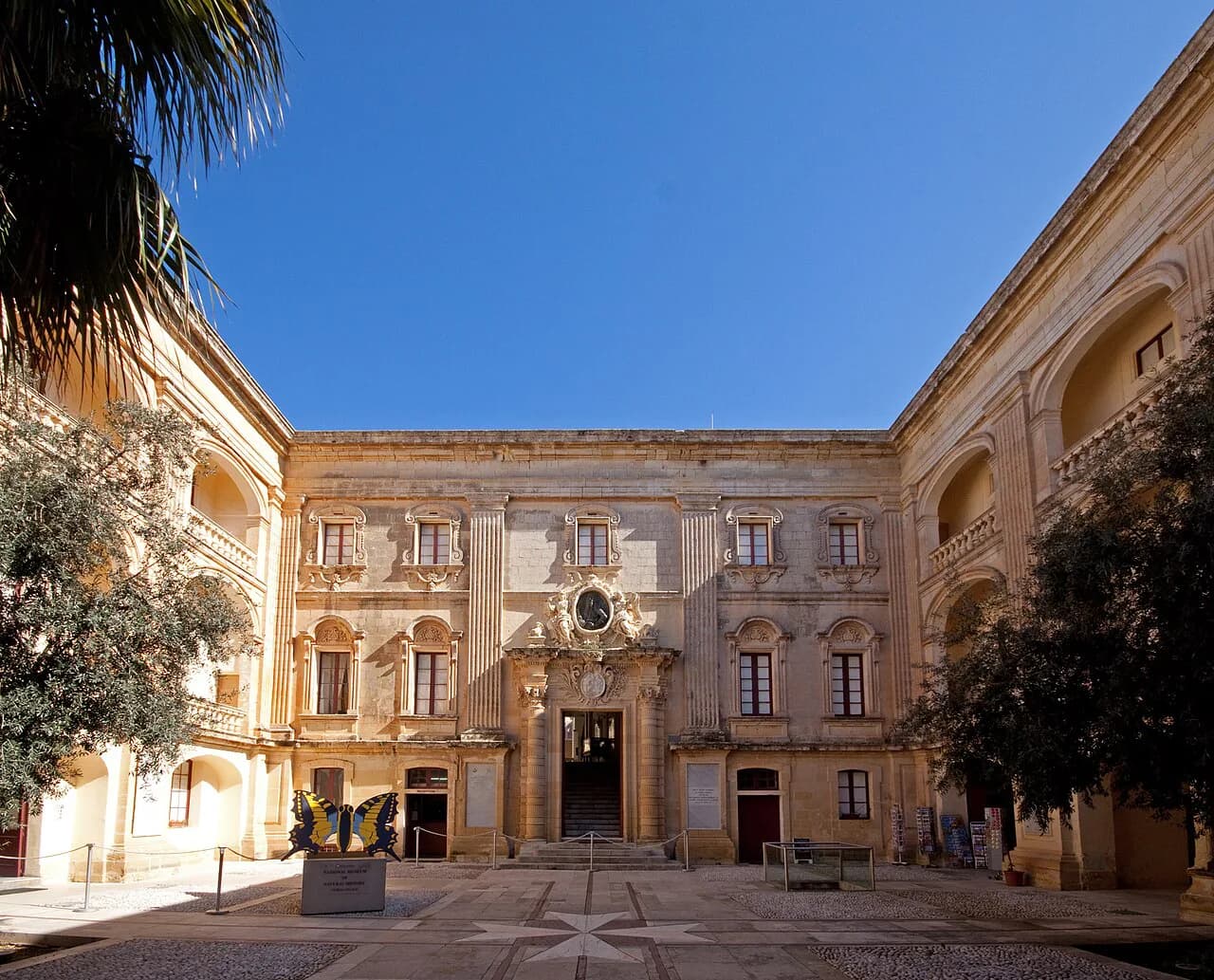
Mdina is a walled town on a hill, and the streets inside are pedestrian-only apart from residents' vehicles and emergency services, so you leave the car outside and continue on foot. The buildings are a mix of medieval and baroque in the same honey-coloured limestone, which is why the lanes read as one continuous surface of stone rather than a street of separate façades. Mdina held the island's capital status before it moved to Birgu and later Valletta.
You are not walking a museum corridor. People live behind these doors, the lanes are short and often only wide enough for two abreast, and the grid is compact enough that you cannot get seriously lost. That smallness is also the catch: once tour groups arrive, there is nowhere for them to spread out.
The main gate and its bridge
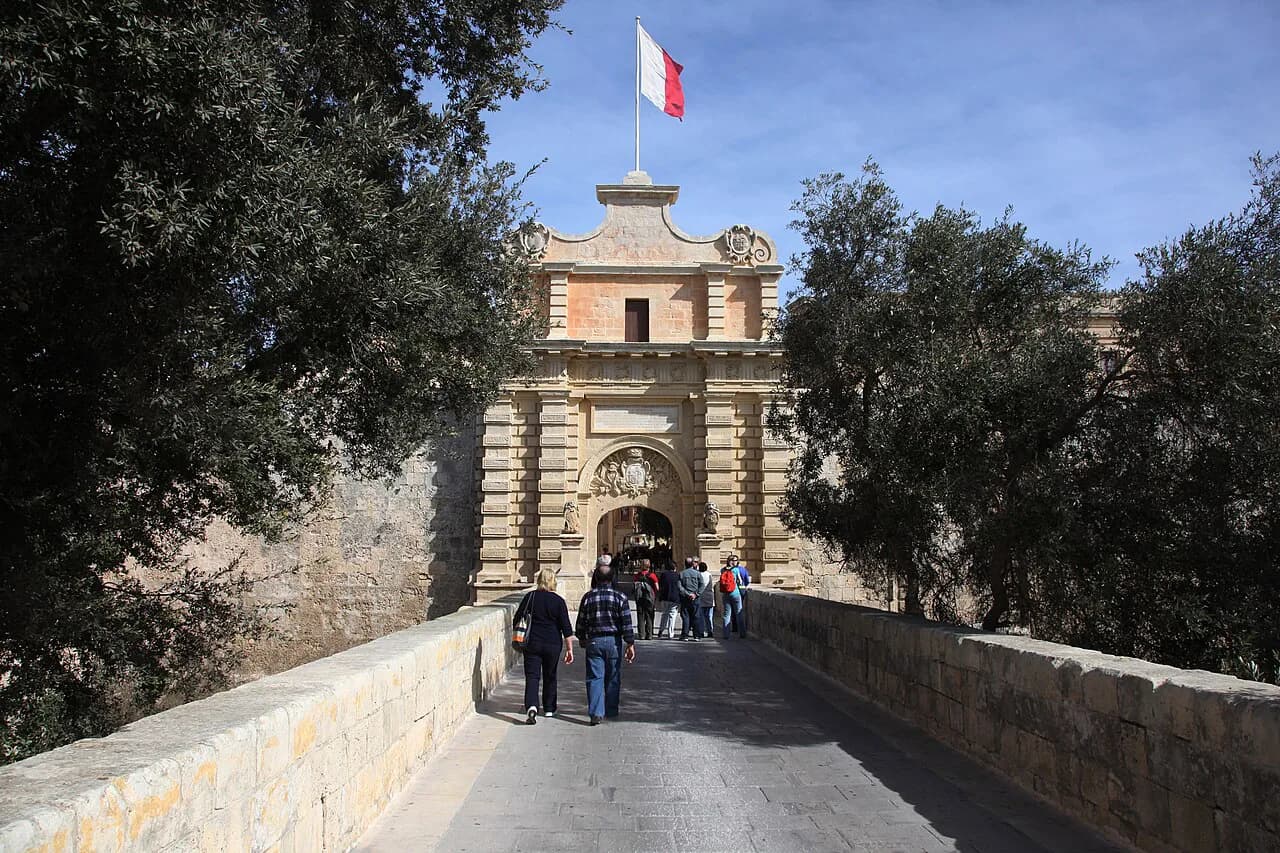
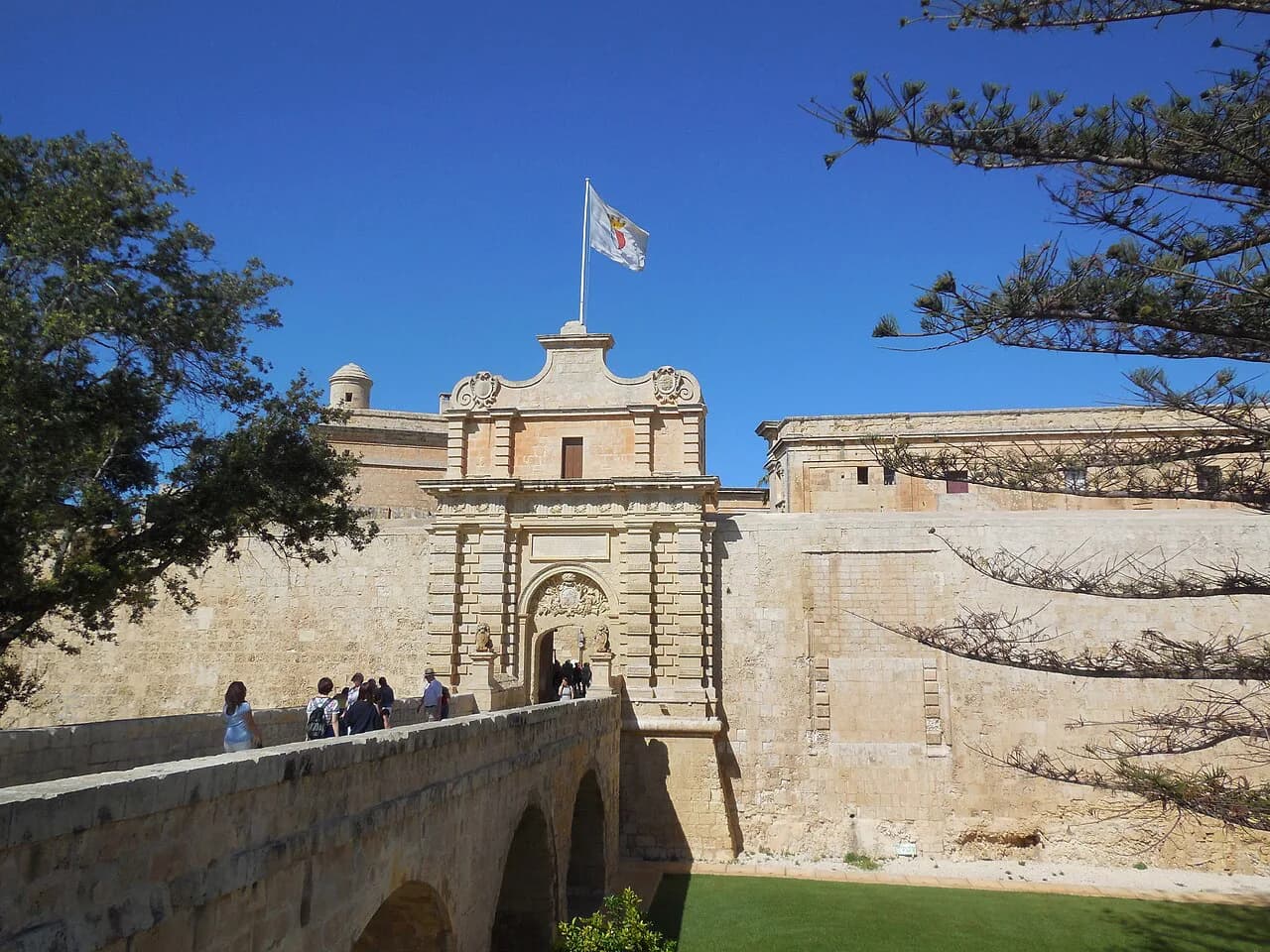
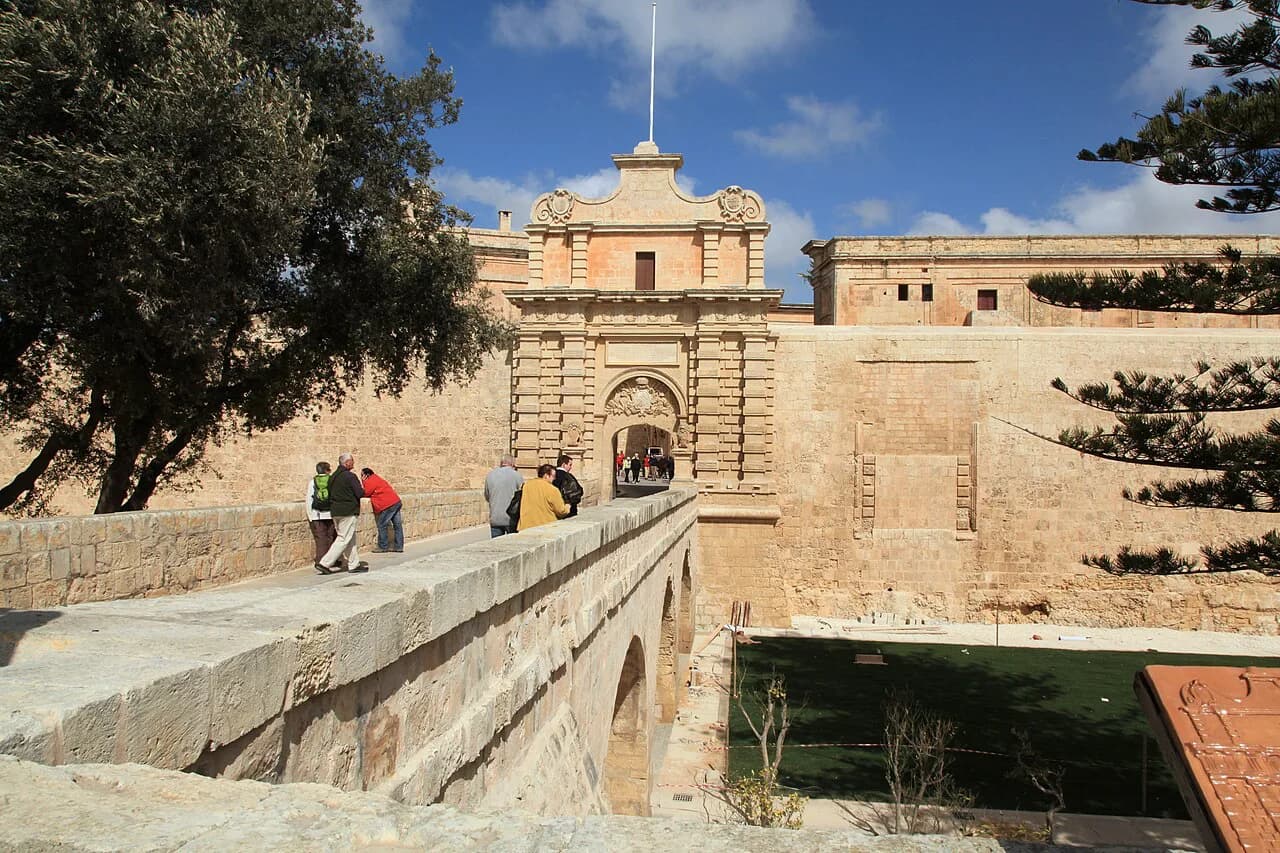
Most visitors enter through the baroque main gate, rebuilt in 1724, which opens onto the narrow lanes and is photographed from the small bridge over the old ditch. It is the most photographed spot in the town and also its bottleneck, since everyone entering on foot, and every walking tour, funnels through the same arch.
The gate is also the reason many visitors turn up at all: it stood in for the entrance to King's Landing in the first series of Game of Thrones, which is why you will see people posing on the bridge in small queues. Walk through, turn around and look back at the arch from the inside before moving on, because the view of the gate is better from within than from the approach.
How long the walk takes
Allow twenty to thirty minutes to walk the main lanes end to end, and an hour or more if you stop for coffee, step into the cathedral or linger on the bastion walls. That is the honest arithmetic for the streets alone: Mdina is not a half-day of walking, it is a half-day once you add a church, a museum and a break.
One traveller's account describes arriving just after 10am and spending about four hours inside the walls, including walking, sitting on a step and lunch. Read that as a slow day rather than a requirement: the difference between a forty-minute pass-through and a four-hour visit is entirely made up of stops you choose.
A route through the lanes
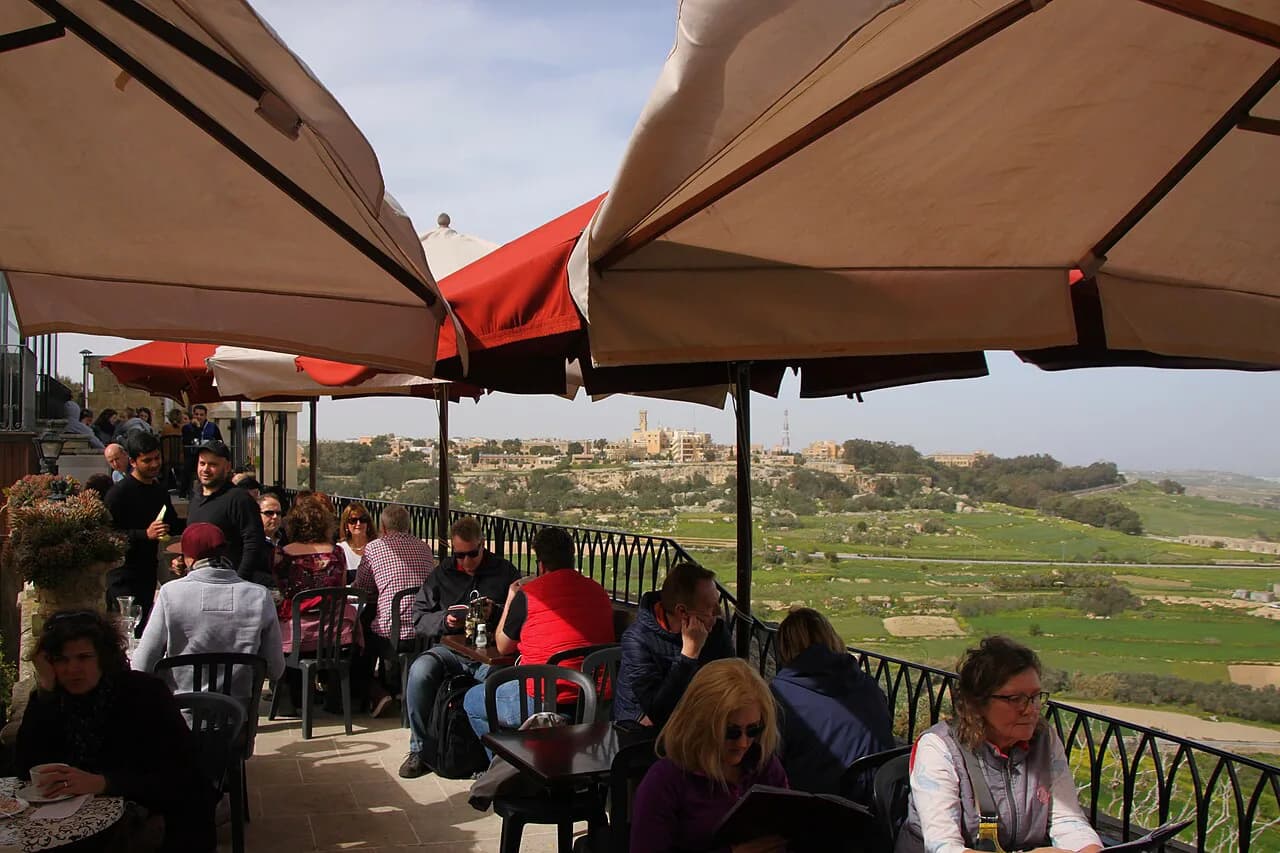
Start at the main gate, follow the principal street into the centre, and keep the dome of St Paul's Cathedral as your landmark; the lanes around it hold the shuttered palazzos and small squares that make the walk worthwhile. Carry on to the bastion walls at the edge of the town, where the view runs across the island towards Rabat, Mdina's larger neighbour just below. That loop covers the core of the town without doubling back repeatedly.
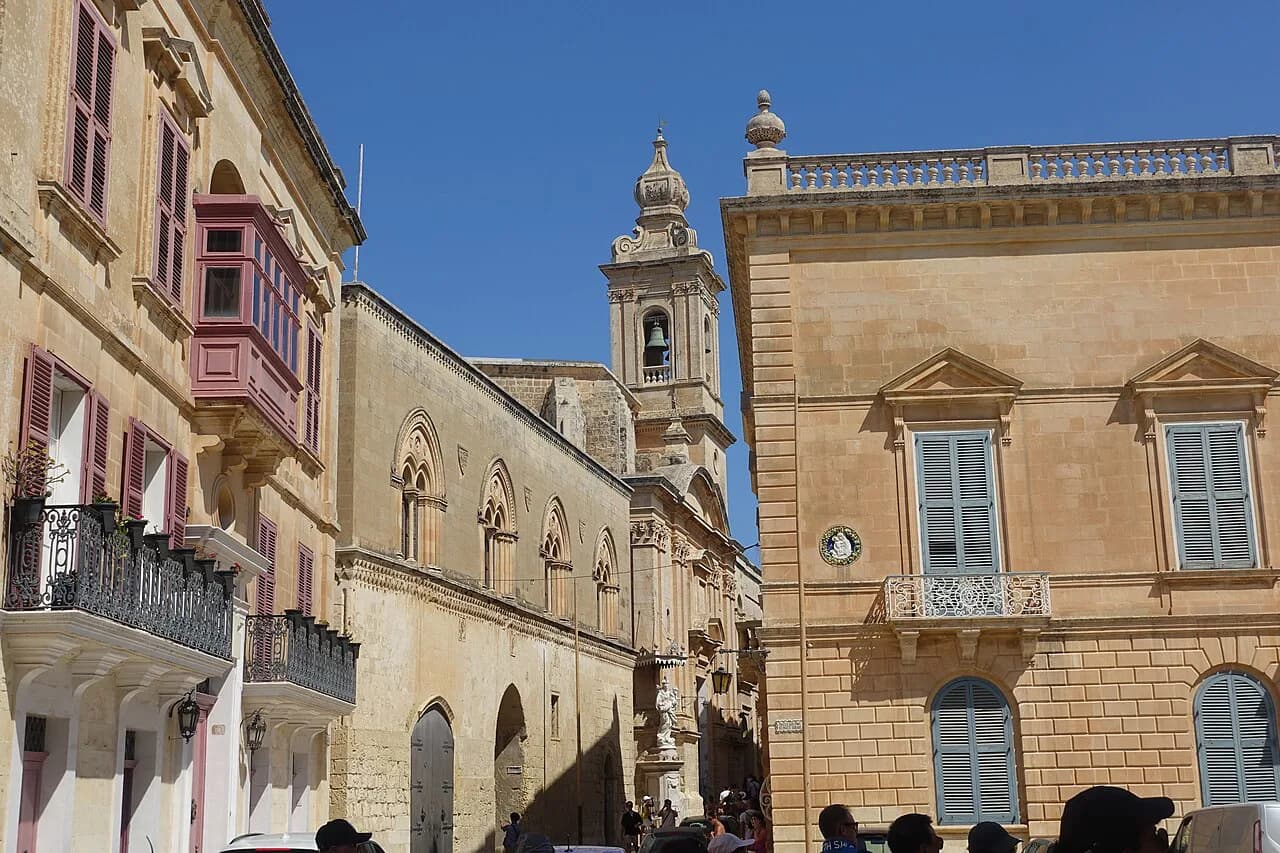
The palette is uniform and the light does most of the work: honey-coloured stone walls, old wooden doors and the odd flowering bush against them. Low sun brings out the warmth of the stone, so leave the middle of the day flat and photograph the lanes early or late.
If you would rather have the layout in your hand than follow your nose, use the Mdina Map to link the gate, the cathedral and the bastions before deciding which sights to add; Things to Do in Mdina covers the stops themselves. Keep it light: the grid is small enough that a rough plan and a landmark are sufficient.
St Paul's Cathedral and its museum
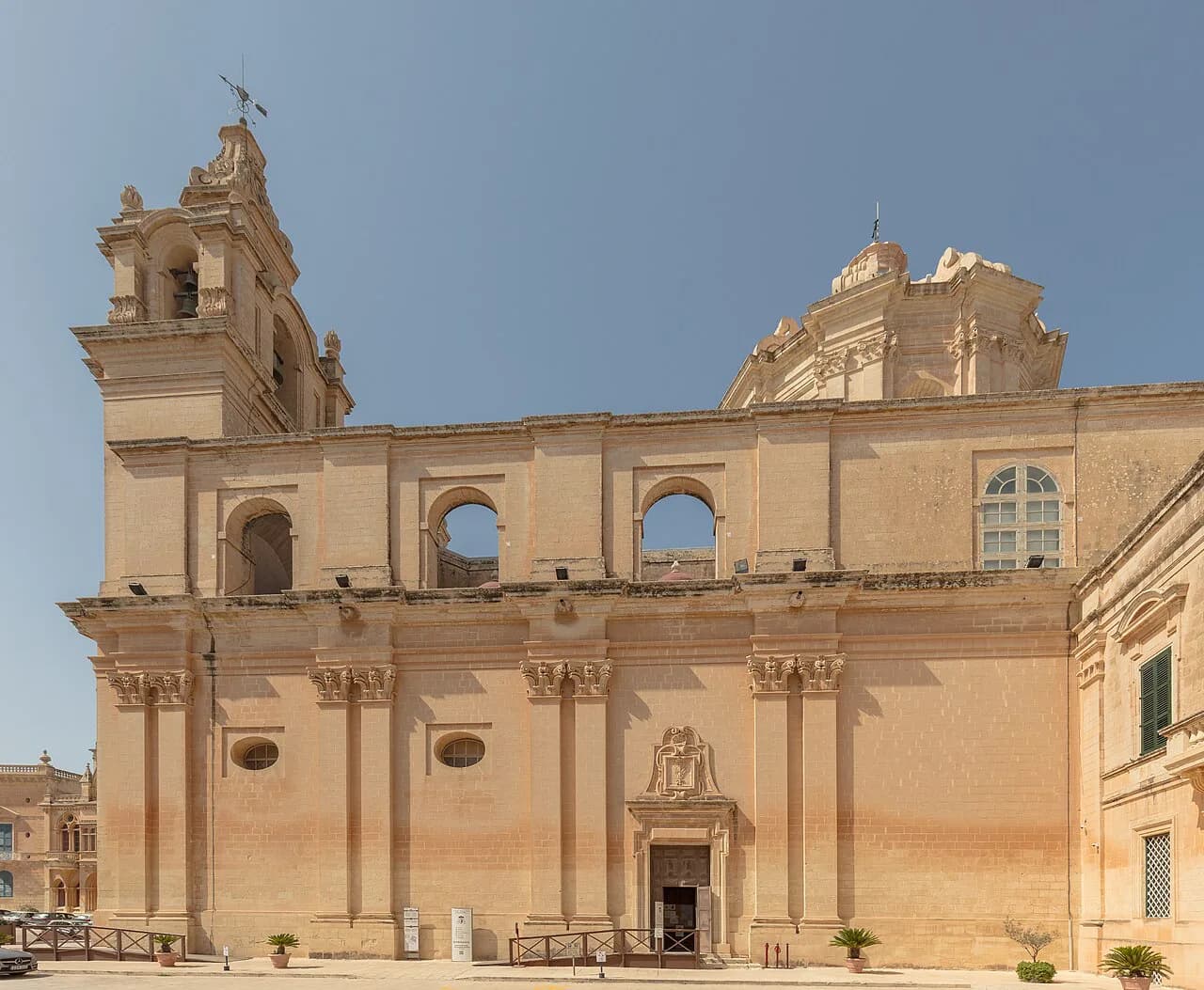
St Paul's Cathedral is the main paid stop inside the walls and the first place most visitors head for, with a seventeenth-century baroque interior and a museum holding artworks from the fourteenth century onwards. Combined entry to the cathedral and museum is reported at ten euros, which buys you the interior and the collection rather than the lanes themselves.
Treat the figure as a reported admission rather than a fixed tariff and confirm it at the door, since churches and museums set their own tickets and hours. If you are weighing up whether the interior justifies the spend, the answer depends on whether you want baroque church architecture and a small art collection or would rather keep the visit free and spend the money on lunch.
Other sights inside the walls
Just inside the entrance, the Mdina Dungeons uses underground chambers and cells to recreate historic dungeons, and entry was reported at five euros; visitors who have been are split on whether it earns the fee. The Carmelite Priory, also known as the church of the Annunciation of Our Lady, is baroque and unassuming from outside, and one visitor paid nothing to go in, which makes it a sensible free stop between the gate and the cathedral.
Most people, though, are content to walk the lanes, photograph the gate and leave without spending anything, which is a perfectly good visit. Let Things to Do in Mdina do the sorting for any paid stop you are considering, so you are not deciding at the gate with a coach party behind you.
When to walk: coaches versus quiet
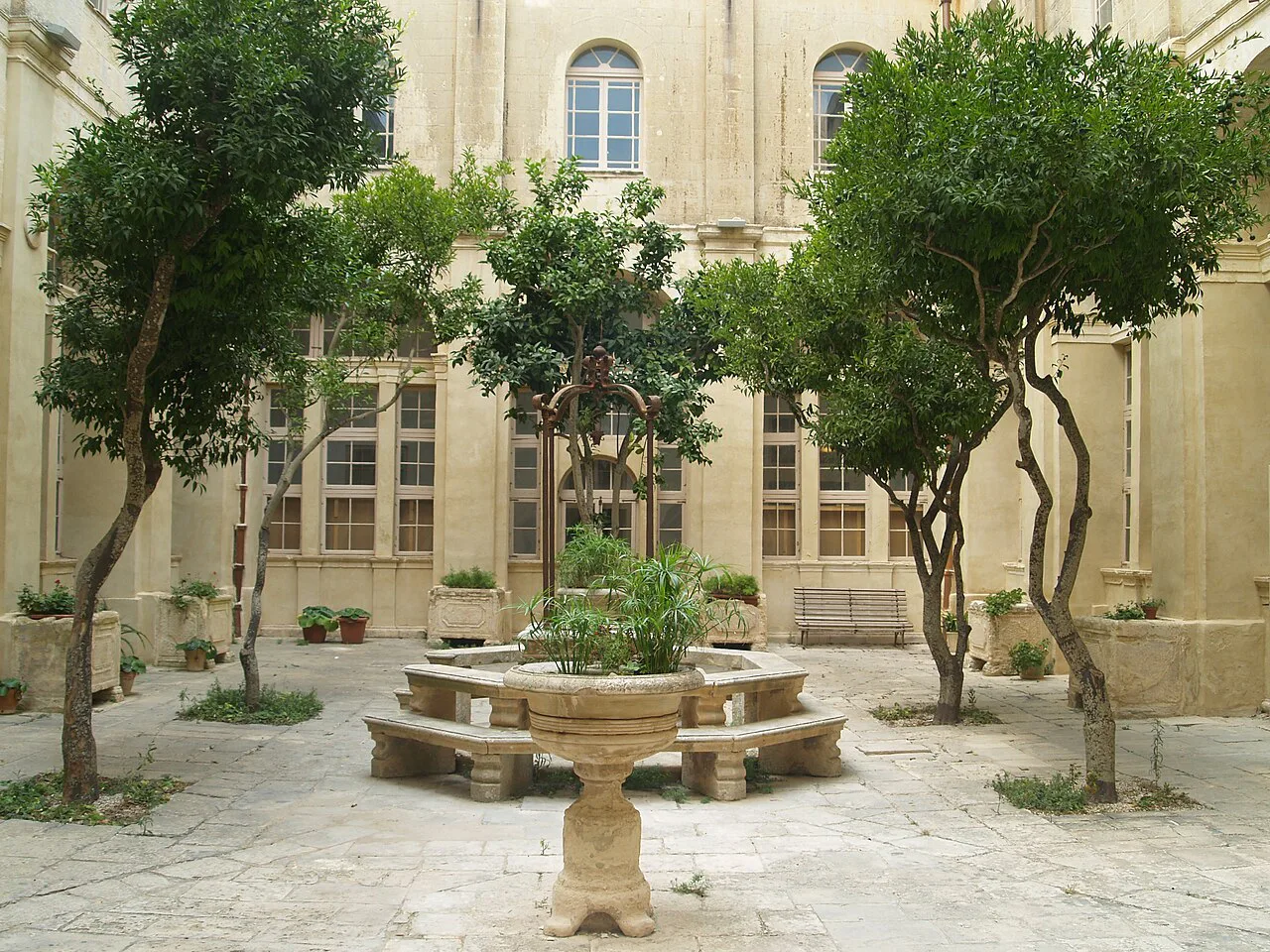
Timing decides the whole experience. Arrive mid-morning and you share the lanes with day-trip coaches and walking tours, and the Silent City is anything but; go early or in the evening after the groups have gone, and footsteps echo and the stone glows in low sun. The lanes are short and narrow, so they fill fast and empty just as quickly.
Rain is not necessarily a loss. One visitor spent most of a rainy day inside the walls with almost nobody else around and found the emptiness emphasised the silence the town is named for, though the grey skies cost them the sunshine shots. If your dates are fixed, an early start is the more reliable lever than the weather.
Getting there from Valletta, Sliema or by car
Direct buses run to Mdina: the 202 from Sliema, and the 50, 51, 52 and 53 from Valletta. These are route numbers rather than a timetable, so check departure times on the day rather than assuming a frequency. Taxis from the Sliema and St Julian's area are the simplest option if you would rather not plan around a bus, and organised tours remove the parking question entirely.
If you drive, you cannot park inside the walls, so budget for parking outside the gate and walk up. The bus interchange and the car parks both sit outside the entrance, which is why the approach on foot through the gate is the standard arrival for almost everyone.
Coming from the capital, the trip is straightforward enough to bolt onto a Valletta day, but check the return times before you commit to a late afternoon in the lanes. The practical details of that journey, including where to break it, are set out in the guide to a Mdina day trip.
What the streets cost
Walking through the gate and along the streets is free at any hour, and many visitors spend nothing beyond transport. You pay only if you step inside a specific sight, such as St Paul's Cathedral, one of the palazzo museums or the Mdina Dungeons, each of which sets its own ticket. That structure makes Mdina easy to budget: the fixed cost is your journey, and everything else is optional.
Spend where the interior genuinely interests you rather than ticking off every paid stop, because the lanes are the reason most people come. If you are unsure whether the town justifies the trip at all, the case for and against is worth reading in the guide on whether Mdina is worth visiting.
Pairing Mdina with Rabat
Rabat sits directly below Mdina and is the natural place to eat, with the walk between the two turning a short lane circuit into a relaxed half-day. A coffee or a pastizzi stop in Rabat after the walls is the standard pairing, and it costs less than eating inside the town.
Inside Mdina itself, Coogi's Restaurant and Tea Garden sits opposite the Carmelite Priory and was chosen on a wet day over the better-known Fontanella Tea Gardens, which draws a sunset crowd. Neither is a recommendation to build a day around: pick whichever suits your timing, and treat tea and cake as a pause rather than the point of the visit.
Rabat holds enough of its own to justify the extension, and the two towns together make a fuller day than Mdina alone. Plan the order so you finish downhill rather than walking back up in the heat.

Free lanes or a paid interior?
Walk Mdina's streets early or late, keep the gate and the bastions as your fixed points, and decide on the day whether the cathedral interior or the dungeons earn your money. The lanes cost nothing, take under half an hour, and reward whoever avoids the coaches.
Explore more Mdina guides
Frequently Asked Questions
Do you need tickets to walk Mdina's streets?
No. The gate and the lanes are public and free at any hour, and only individual sights inside the walls charge admission. Plan your spend around whether you want the cathedral and museum, the dungeons or neither.
How long does it take to walk Mdina?
The principal streets take roughly twenty to thirty minutes end to end. Allow an hour or more if you stop for the cathedral, a museum, coffee or the bastion views, and considerably longer if you add Rabat below the walls.
Which buses go to Mdina?
The 202 runs from Sliema, and routes 50, 51, 52 and 53 run from Valletta. Check departure times on the day, and note that buses stop outside the walls because the town itself is car-free.
Sources
Notes for your Malta trip
Optional updates when we add or correct a Malta or Gozo guide.
You might also like
Continue reading
More guides you'll find useful