Sliema Promenade: The Walk, the Swim and the Valletta View
The Sliema promenade is a flat, free seafront walk from Tigné Point to St Julian's, with rock swimming and a sunset view across to Valletta.
On this page
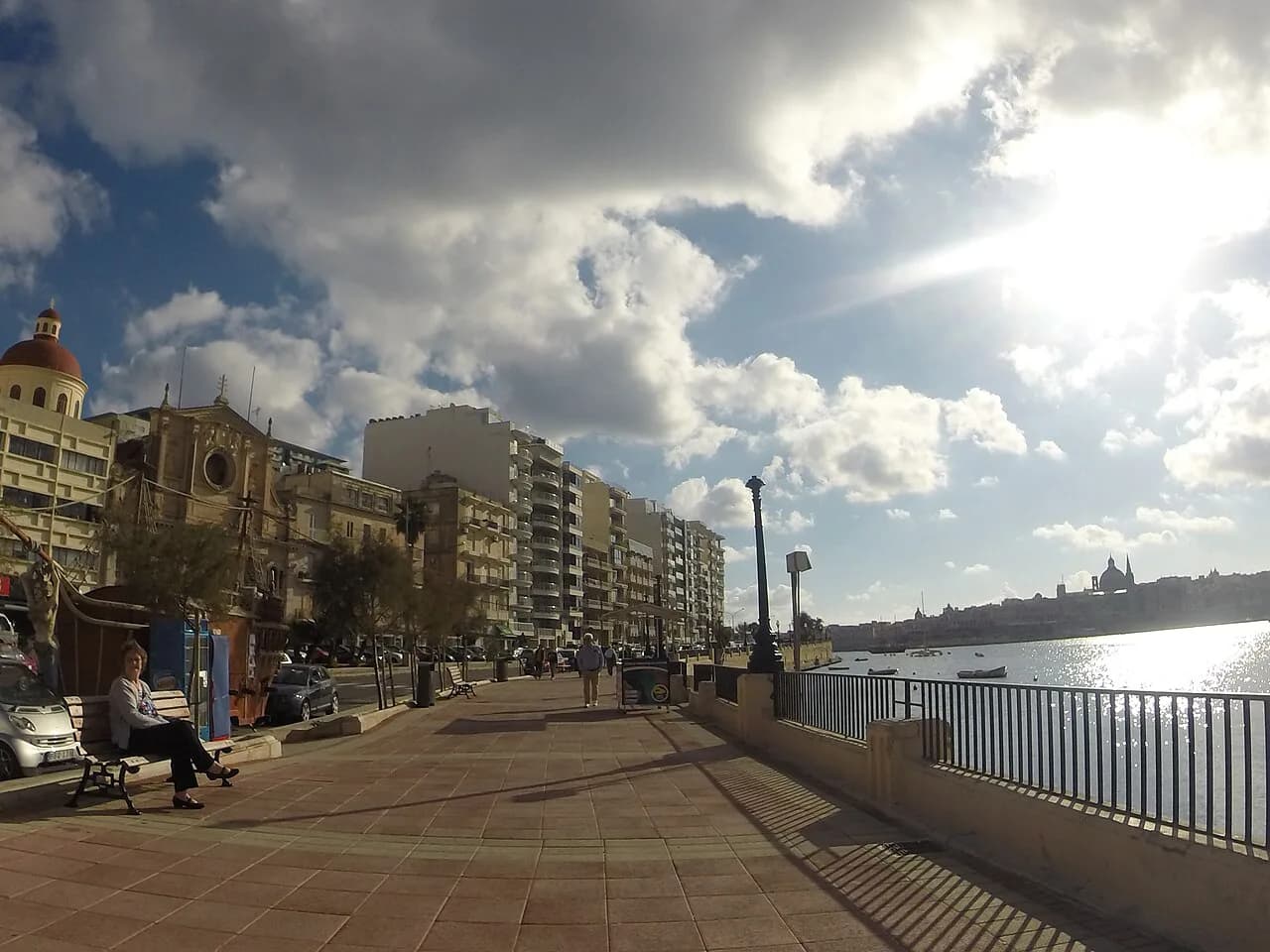
The Sliema promenade is a flat, paved seafront strip running from Tigné Point round the bay towards St Julian's and Spinola Bay, and walking it costs nothing. Allow about an hour to stroll one way, or half a day if you swim off the rocks and stop for lunch and a drink as the light drops.
This guide covers where the promenade runs, how level the route is, what swimming off the rock shelf involves, the best time of day to be out there, and which parts are free. It also explains how to fold the walk into the rest of your time in the area.
Where the promenade runs
The seafront begins at Tigné Point, the peninsula at the northern end of Sliema where The Point Shopping Mall stands, and follows the coast south and west round the bay towards St Julian's and Spinola Bay. It is a public path open at any hour, with no ticket and no gate.
Tower Road runs behind much of the seafront and is the easiest line to follow if you lose the water's edge among the cafés and lidos. For a wider picture of the streets and squares behind the waterfront, see the Sliema map.
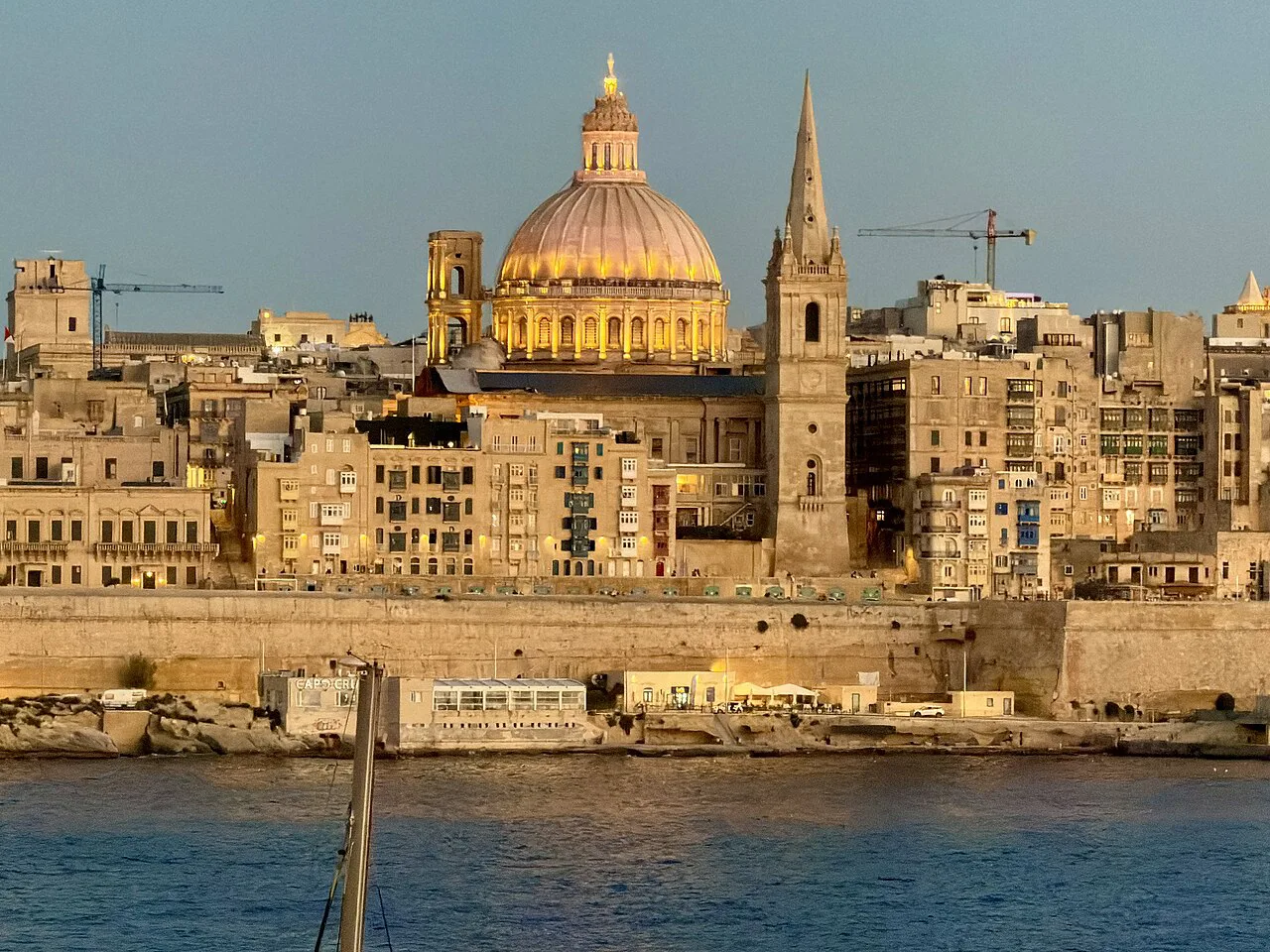
Across Marsamxett Harbour the fortified skyline of Valletta closes the view, and the seafront looks straight back at it for much of the walk. You are walking a bay, not a straight line, so the city stays in sight for most of the route.
The walk and how long it takes
A steady stroll from Tigné Point round to St Julian's and Spinola Bay takes roughly an hour one way, and the surface is genuinely level the whole way with benches and cafés lining the route.
Because the path is flat and paved, most people break the walk rather than completing it in one go: a coffee stop, a swim, then a slow finish. That turns an hour's amble into a loose half-day, which is the better way to treat it.
Runners use the seafront early, and the level surface suits a dawn jog before the heat builds. If you want a longer waterfront route, a signed path links Valletta, Sliema and St Julian's along sidewalks and dedicated seafront stretches over nearly 13 km, though that figure covers the wider route rather than the Sliema bay alone.
Swimming off the promenade
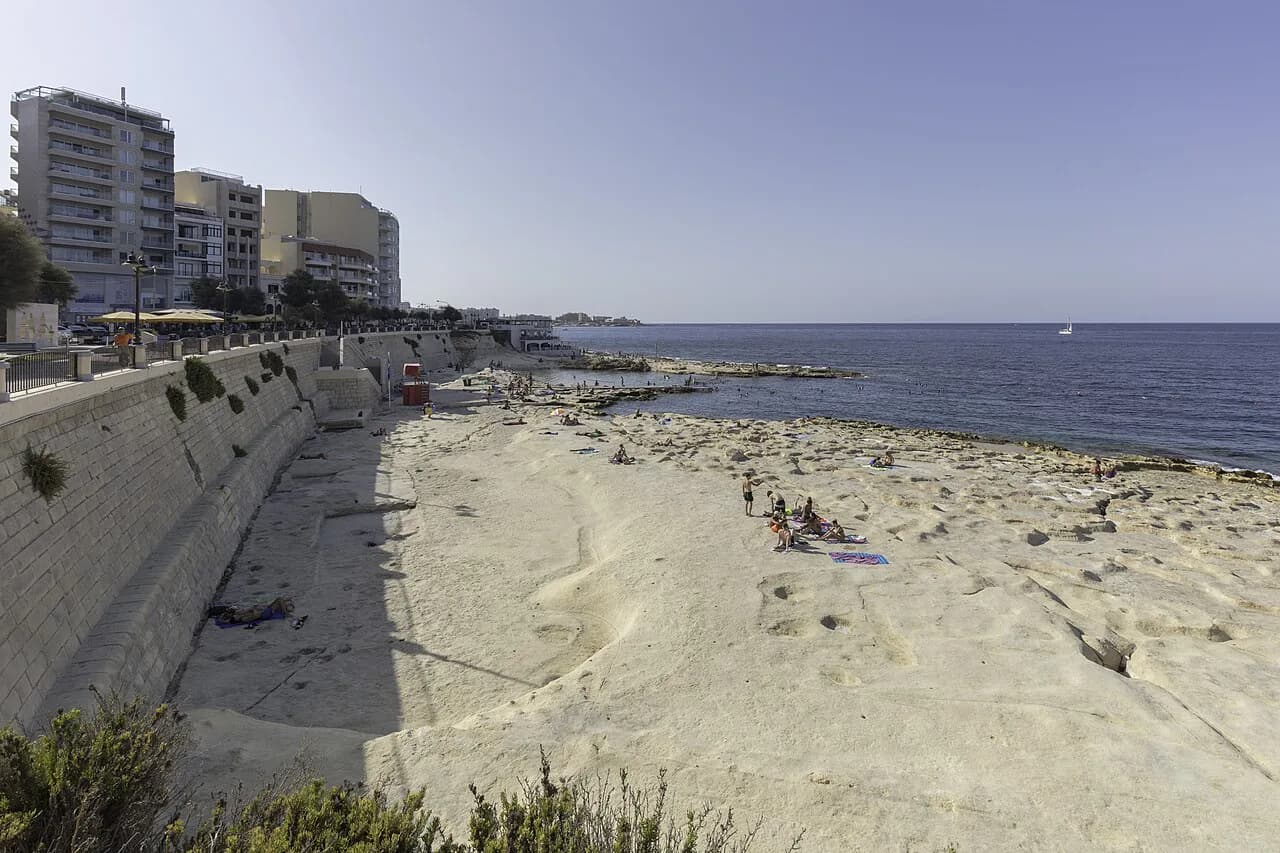
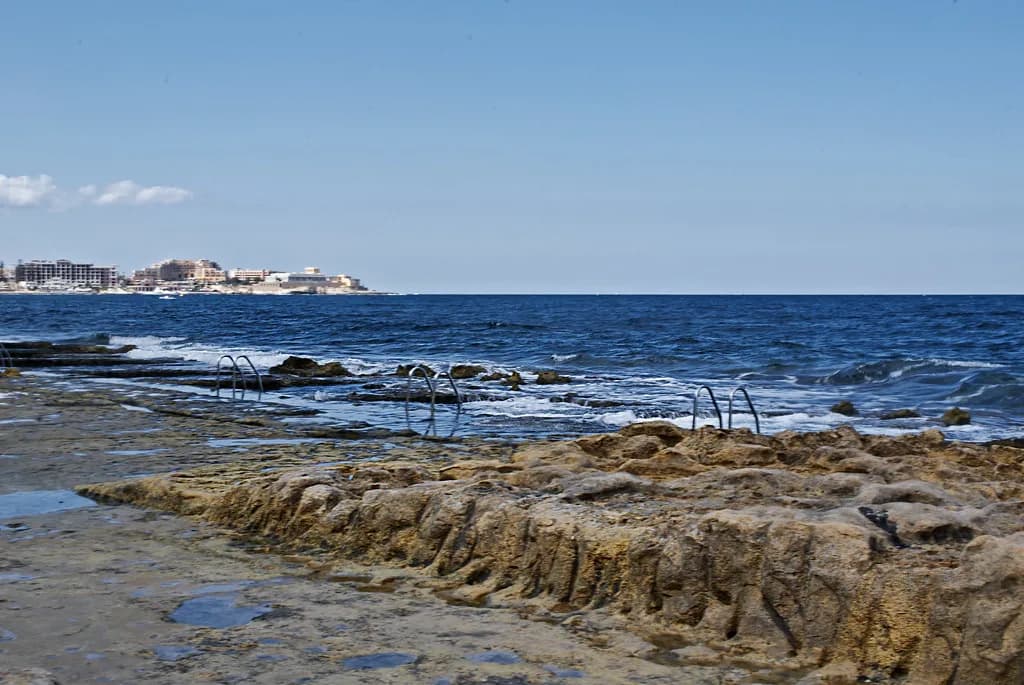
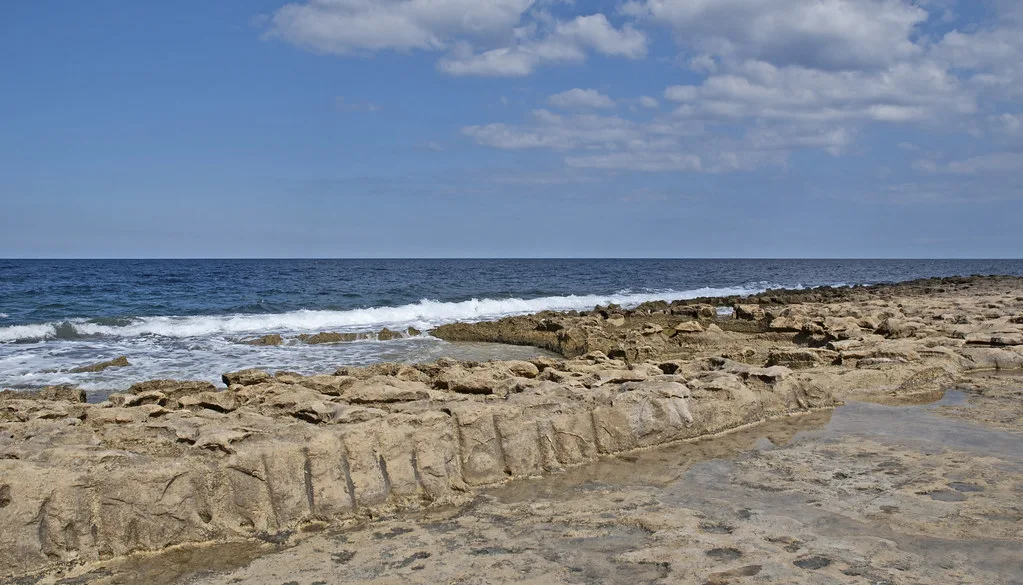
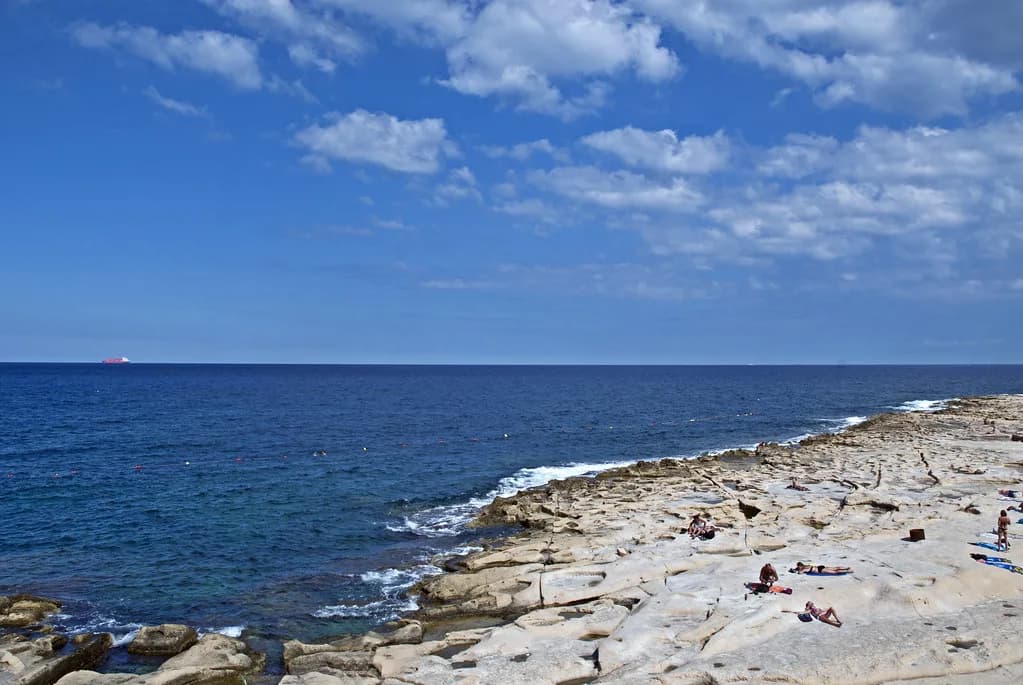
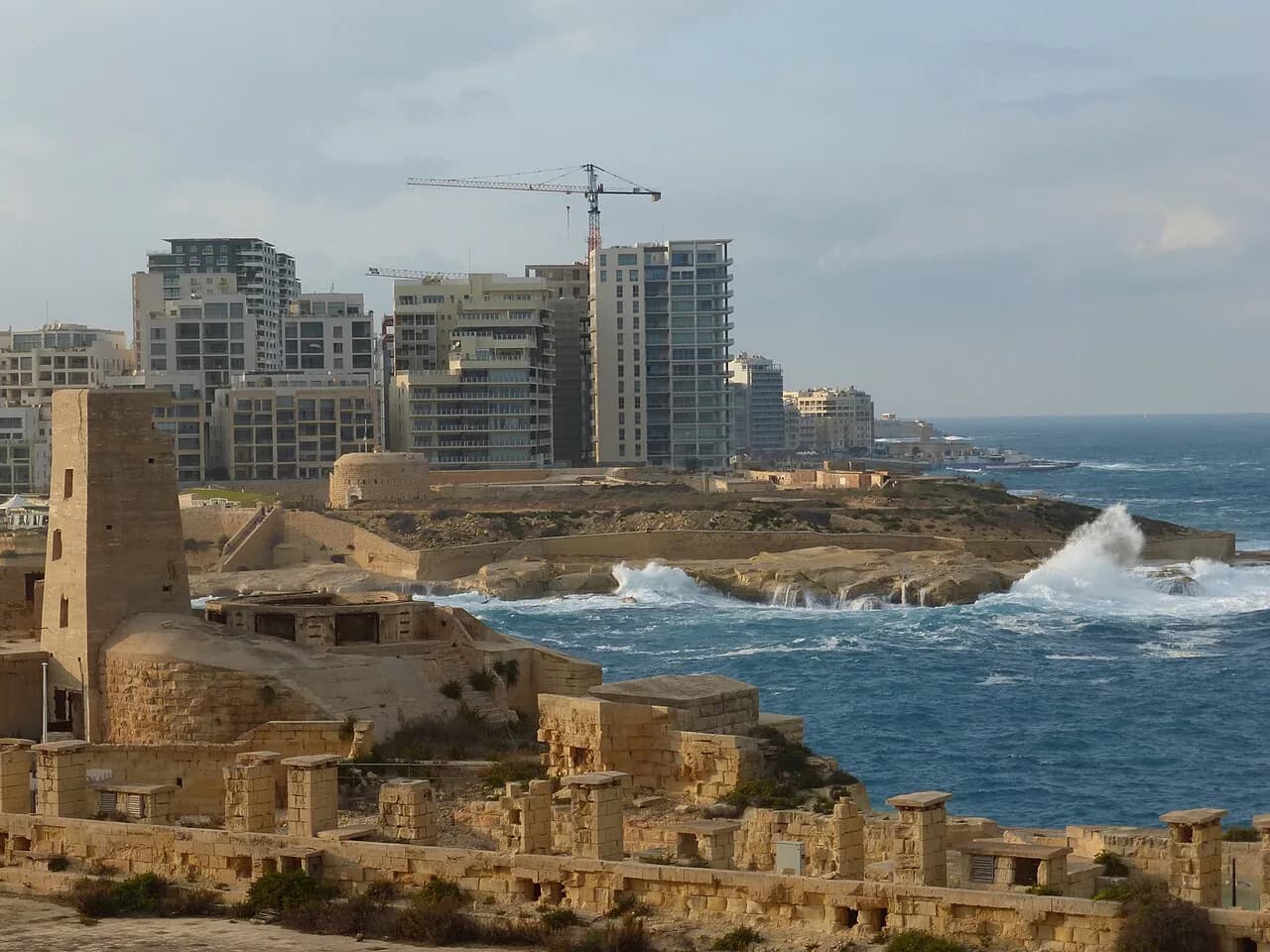
Set expectations before you arrive: there is no sand on the Sliema seafront. The coast is flat limestone shelf, and swimming happens off the rocks or at lidos cut into them, with ladders dropping into clear, deep water.
Plenty of people swim here happily, but the rock entry is awkward for some, and that judgement call is worth making before you commit to a swim. If you want a sandy beach, you will be heading north out of town instead.
The water is clean, and in summer warm, and the rock platforms fill with swimmers and sunbathers. Use the public stretches freely, or settle into a private lido with sunbeds for the day, which is where the seafront stops being free.
Dawn, dusk and the Valletta view
The promenade has two good windows. Early morning is quiet and cool, with joggers and swimmers out before the heat; sunset is when the local passeggiata fills the path with families and couples taking the air, an ice cream and a slow walk.
Time your visit for the evening if you can, because the seafront faces back across the harbour to Valletta and the low light on the city walls is the view worth planning around. Arrive before the sun drops, walk one way, and let the light do the rest.
After dark the waterfront stays lively and the main paths are well lit, so an evening stroll back towards Tigné Point or on to St Julian's is easy to fit in after dinner. Stick to the promenade and main roads rather than dim side streets.
What it costs
Walking the promenade and swimming off the public rocks costs nothing, and the path is public and open at any hour. You pay only when you use a private lido and its sunbeds, or when you eat and drink at the cafés and bars along the front.
Lidos, cafés and bars keep seasonal daytime and evening hours and are busiest from late spring through summer, so ask at the door or check the board before you count on a particular place being open. For the paid side of a day here, expect to hand over euros for a sunbed or a seafront lunch.
Budget for food by looking at menus as you walk; seafront restaurants sit along the route and the price picture is clearer on the board than in any round-up. Sliema restaurants inland and along Tower Road usually undercut the water's edge, so a short detour can save money.
Pairing the walk with the ferry and the rest of Sliema
The Sliema–Valletta ferry is the natural pairing: walk the seafront, then cross the harbour for the afternoon rather than retracing your steps. It turns the promenade into one leg of a day rather than a destination in itself, and it is a short hop to the capital.
If you have time on the water, a boat trip from the Sliema waterfront adds the harbour and creeks to what you see from the path. Book only through operators whose current schedule and price you can confirm at the booking desk or online before you pay.
The seafront is one piece of a wider picture, and the things to do in Sliema spread well beyond the water: the shopping streets behind Tower Road, the ferries, and the quieter residential lanes. If you are weighing up whether the town earns a night of your trip, read is Sliema worth visiting before you book.
Should the promenade be your first stop in Sliema?
Yes, if you want a free, flat hour on the water with the Valletta skyline in front of you and a swim at the end of it. Walk it at sunset, plan for rock entry rather than sand, and keep your wallet for a lido sunbed or a drink if you feel like it.
Skip it as a headline sight if you want a beach or a ticketed attraction, and head north for sand or across the harbour for the city instead. For everything else in the area, start with things to do in Sliema and build the day around the seafront rather than the other way round.
Explore more Sliema guides
Frequently Asked Questions
Can you walk from Valletta to Sliema?
You can cross between the two by ferry across Marsamxett Harbour, which is the practical route for a day that pairs the Sliema seafront with Valletta. On foot, the waterfront path links Valletta, Sliema and St Julian's along sidewalks and seafront stretches over a long route of nearly 13 km, so most visitors take the ferry one way and walk the Sliema bay itself.
Is there sand on the Sliema promenade?
No. The Sliema coast is flat limestone rock, and swimming is done off the rocks or at lidos cut into them, usually with ladders into clear, deep water. If you want a sandy beach, head north out of town.
Is the Sliema promenade free?
Walking the promenade and swimming off the public rocks costs nothing, and the path is public and open at any hour. You pay only for a private lido and sunbeds, or for food and drink at the seafront cafés and bars.
Sources
Notes for your Malta trip
Optional updates when we add or correct a Malta or Gozo guide.
You might also like
Continue reading
More guides you'll find useful