Is Sliema Worth Visiting? An Honest Verdict for Malta
Sliema suits travellers who want a flat seafront, shops and a short ferry hop to Valletta. Here is what the town offers and who should base elsewhere.
On this page
Yes, Sliema is worth visiting if you want a flat coastal base with shops, cafés and Valletta a short ferry ride away. It is not the quiet Malta of walled towns and village squares, and it is one of the more expensive towns on the island. This guide splits the peninsula into its two waterfronts and the grid of streets behind them, so you can judge which side you are choosing.
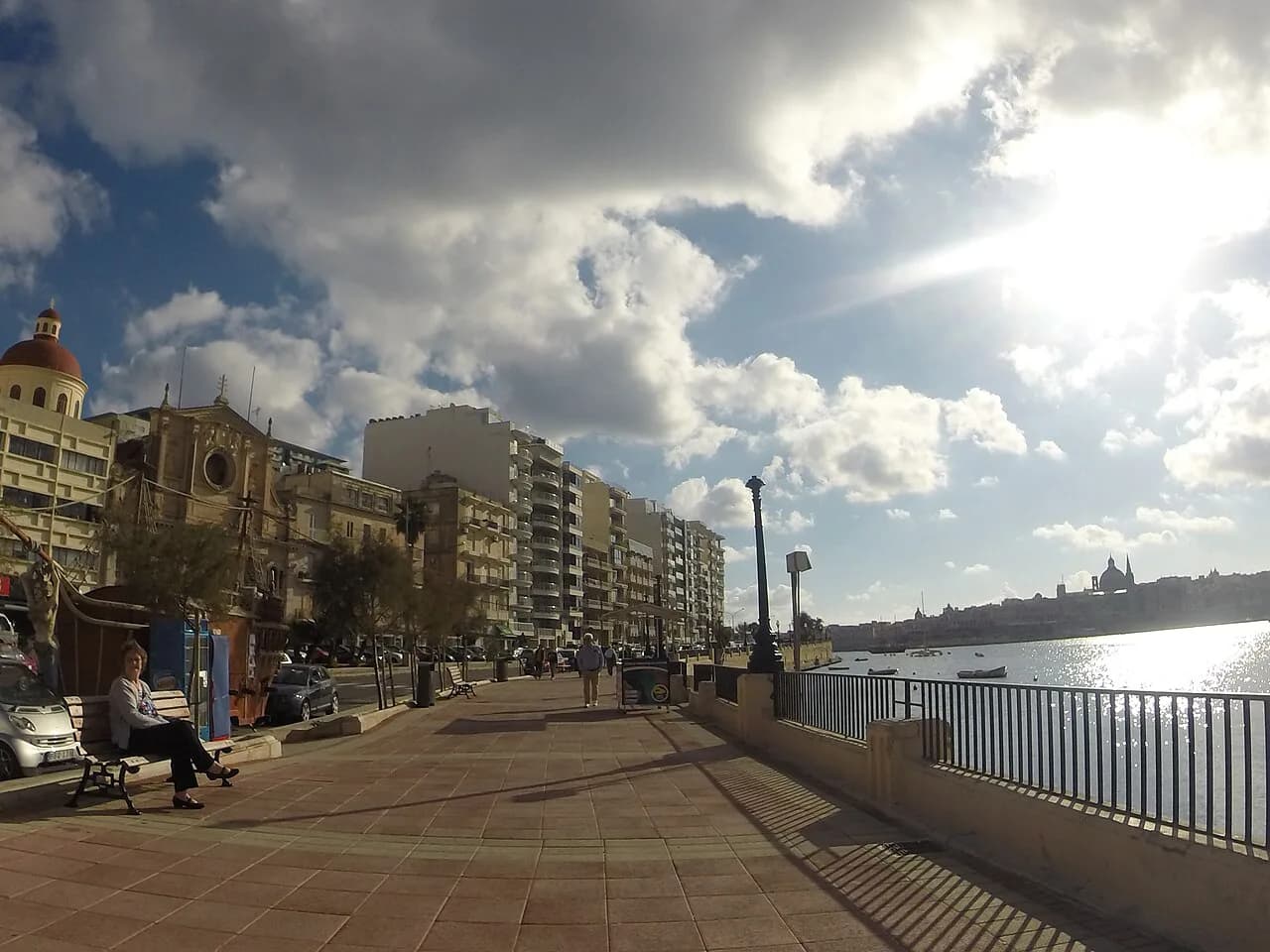
The town sits on a peninsula on Malta's north-east coast, directly across Marsamxett Harbour from Valletta, and its waterfront runs for 3.5 km. From St Julian's you can reach it on foot along the promenade in about 20 minutes. If you are weighing up other parts of the island, it helps to see how Sliema fits alongside the rest of the things to do in Sliema before you commit.
Is Sliema worth visiting? The short answer
Come for the seafront and the crossing, not for old stone lanes. Sliema's appeal is a long promenade you can walk in an evening, a dense cluster of shops and cafés, and a short boat ride across the harbour with the Valletta skyline in front of you.
The trade-off is character. The seafront facing Valletta is busy and commercial, with two shopping malls, big hotels and most of the tourist activity. One or two streets inland the town changes completely, and that contrast is the reason to give Sliema more than a quick pass.
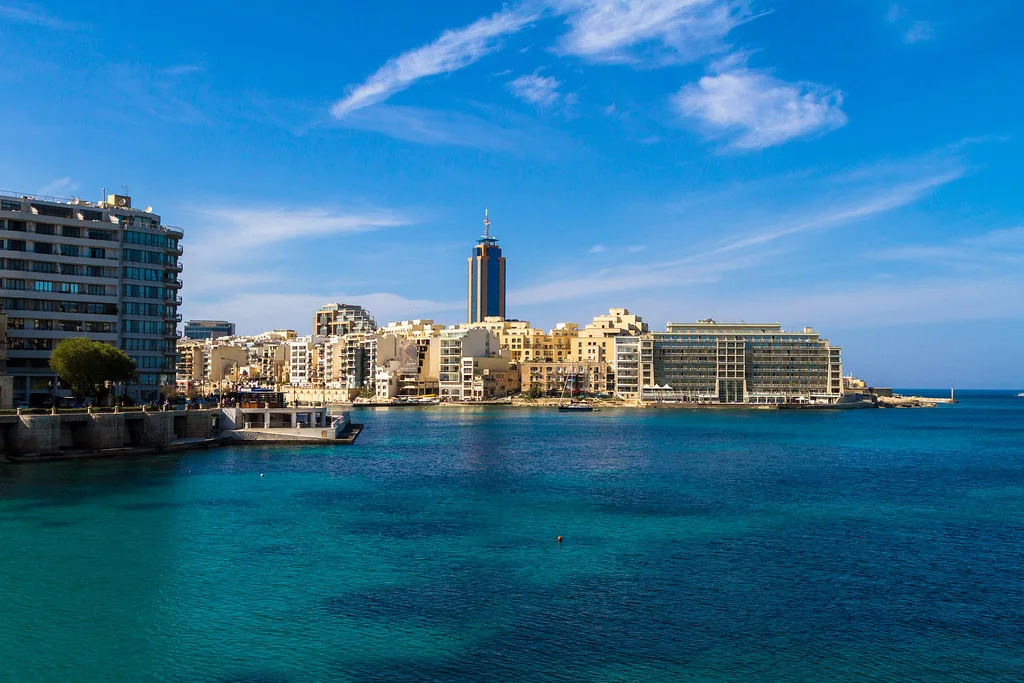
What Sliema actually is: a peninsula with two waterfronts
Sliema has two distinct sides, and knowing which one you are on saves confusion. The side facing Valletta holds the ferry terminal, restaurants, hotels and shops, with the best views of the capital's skyline, particularly after dark when it is lit across the water.
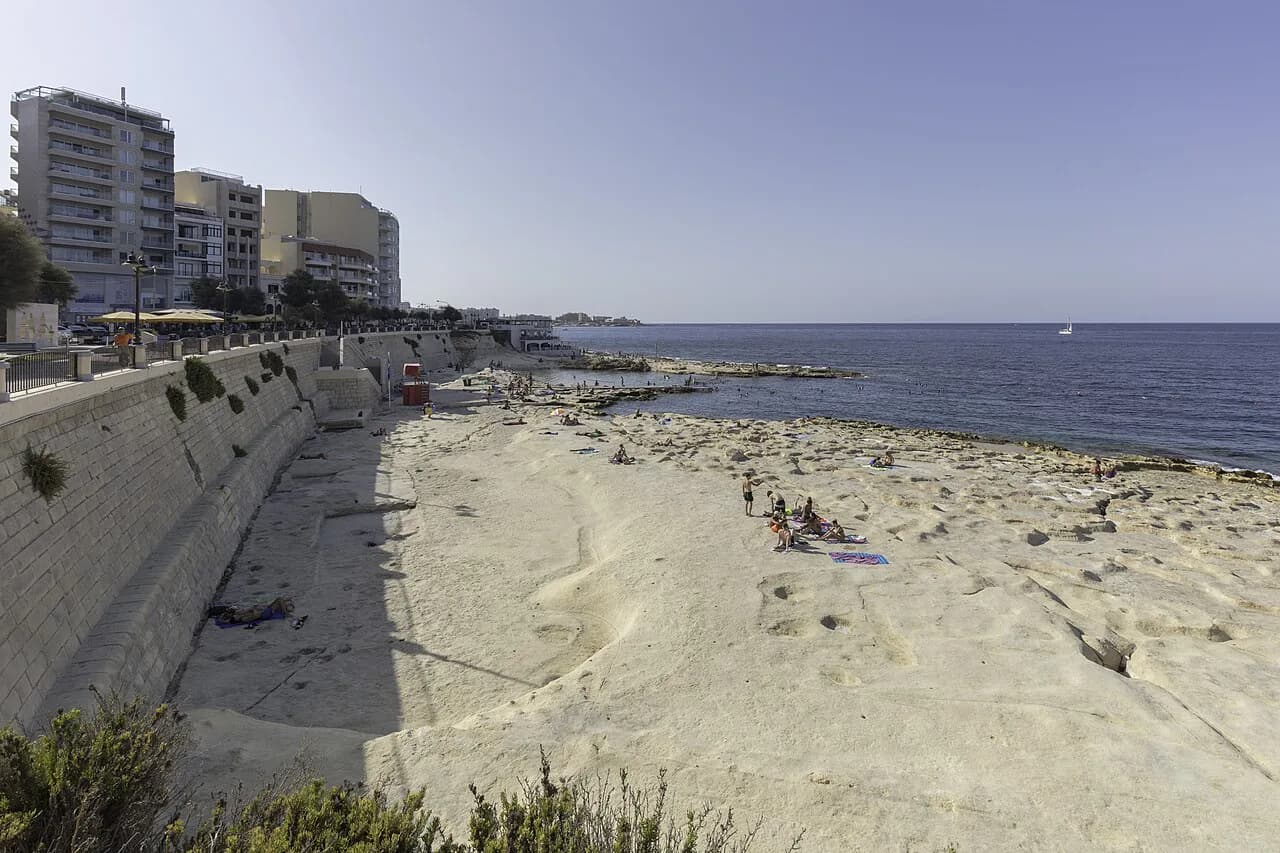
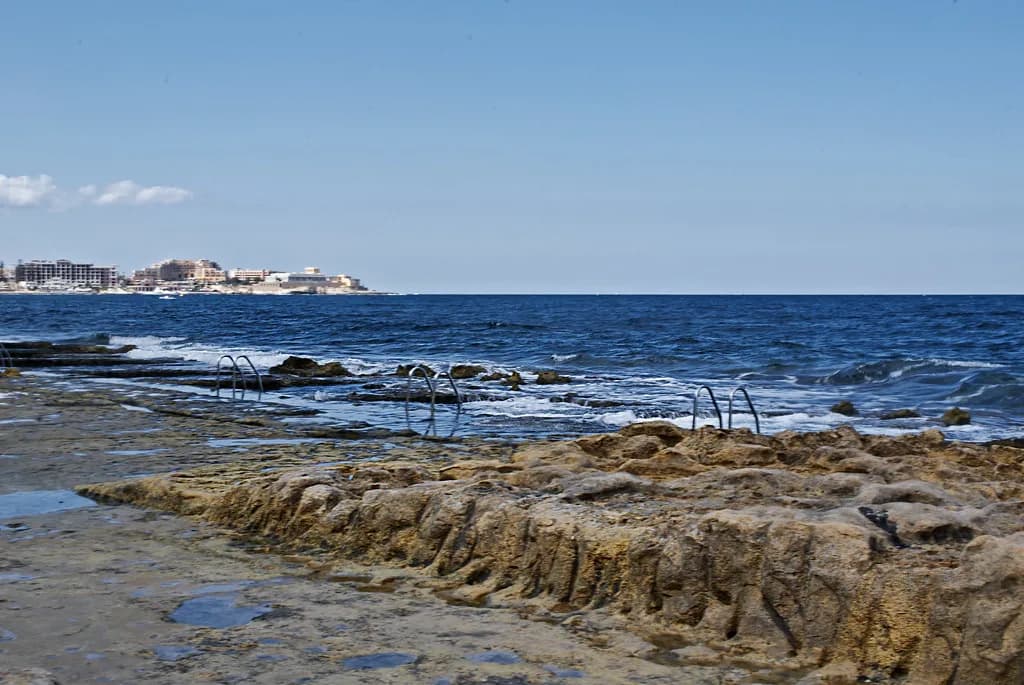
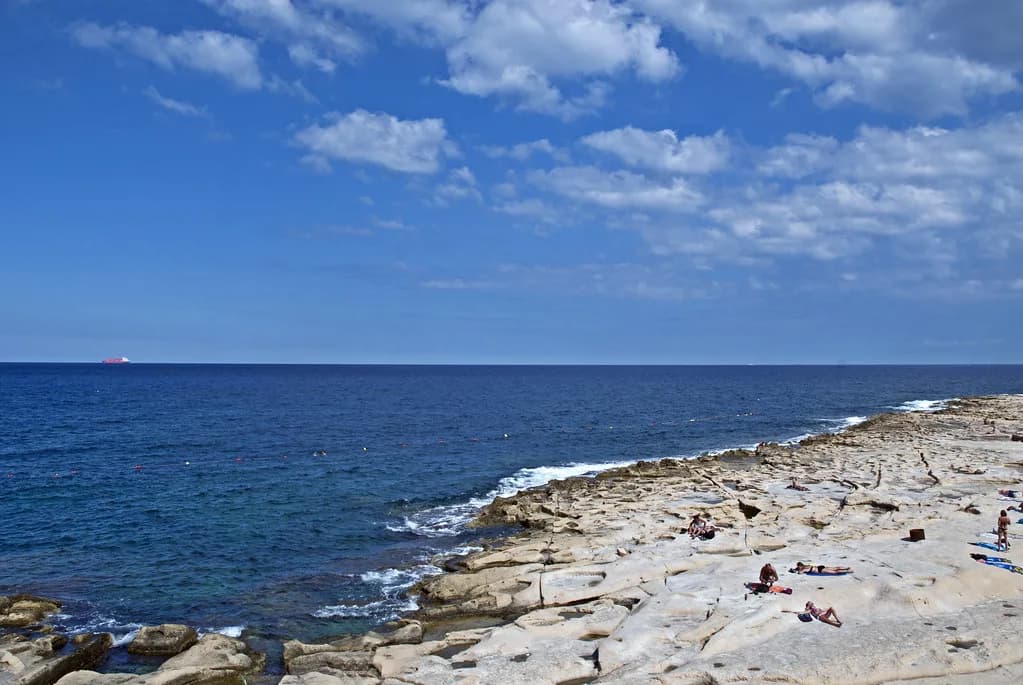
The other side faces open sea. The promenade is quieter here, there is less commercial activity, and the rocky coastline is where local swimmers go. Metal ladders are set into the rocks along much of the route, with the best swimming on the open-sea side towards and past the Exiles area; the harbour water near the ferry terminal is not the place to get in.
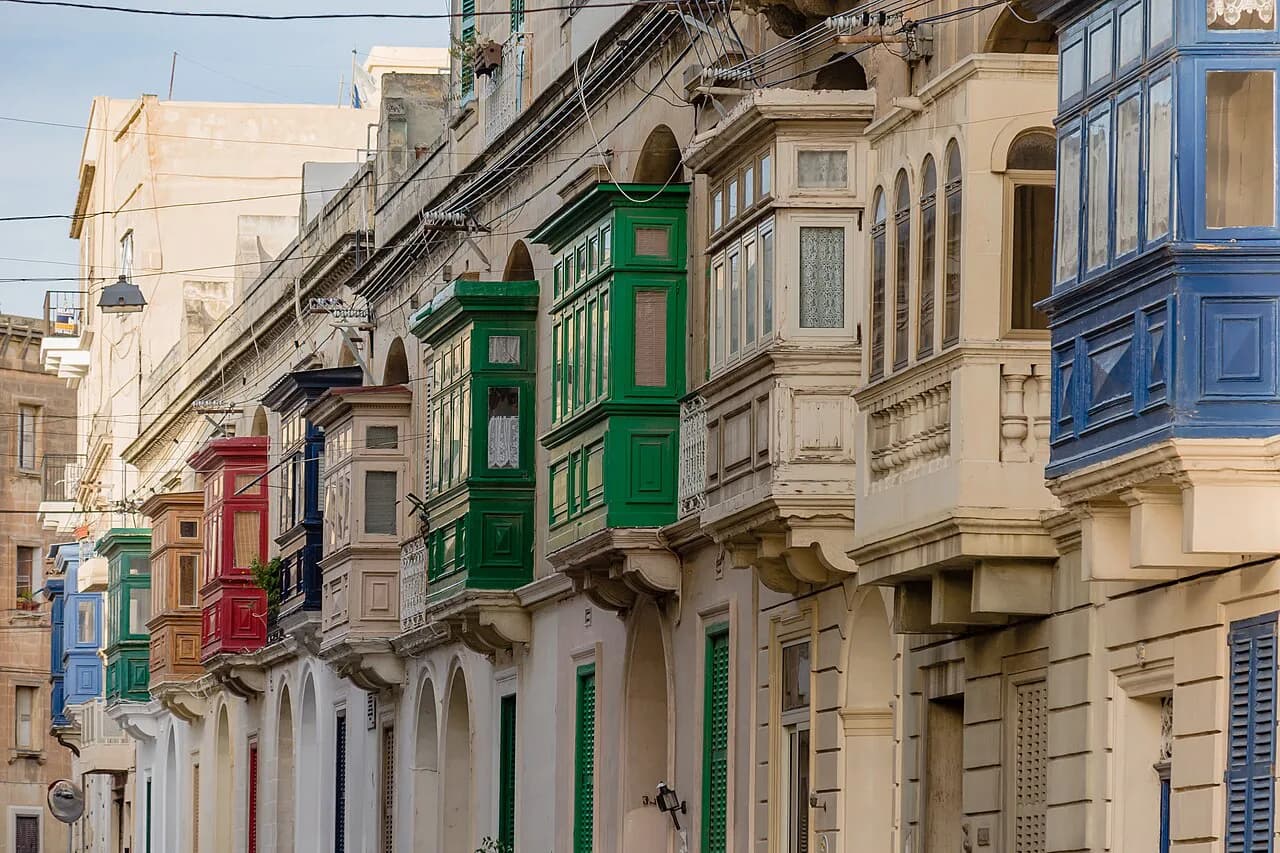
Behind both waterfronts is a grid of streets with traditional Maltese townhouses, some restored with painted doors and ornate wooden balconies. This inland strip is where the neighbourhood cafés and local bars sit, and it is the part most visitors never see.
The promenade and the Valletta views across the water
Start at the Balluta end and walk south, or join anywhere along the route; benches run the whole way. Early morning is the best window. Before 8 am the promenade belongs to swimmers, runners and people with coffee watching the sea, and it fills quickly once the day gets going.
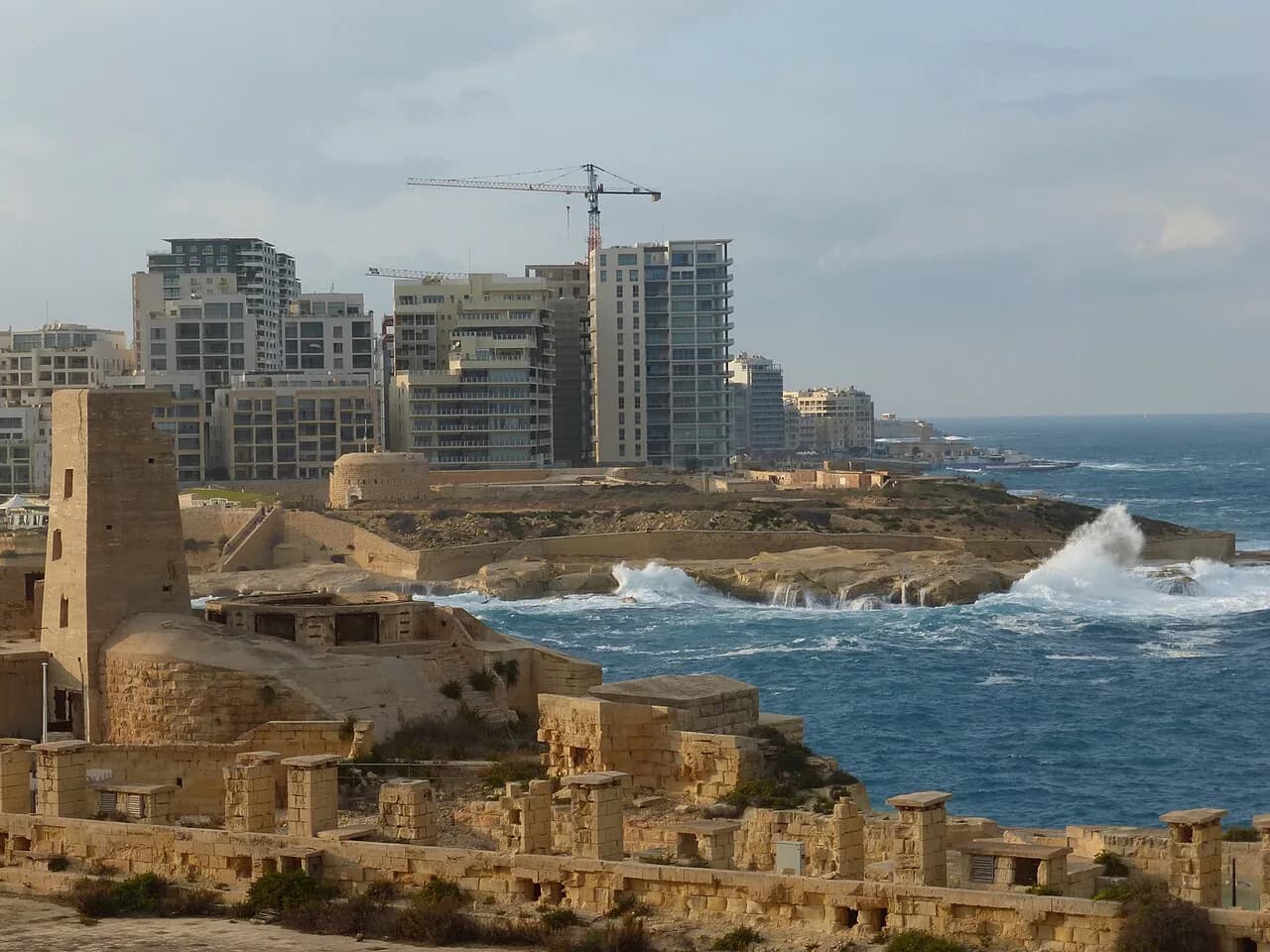
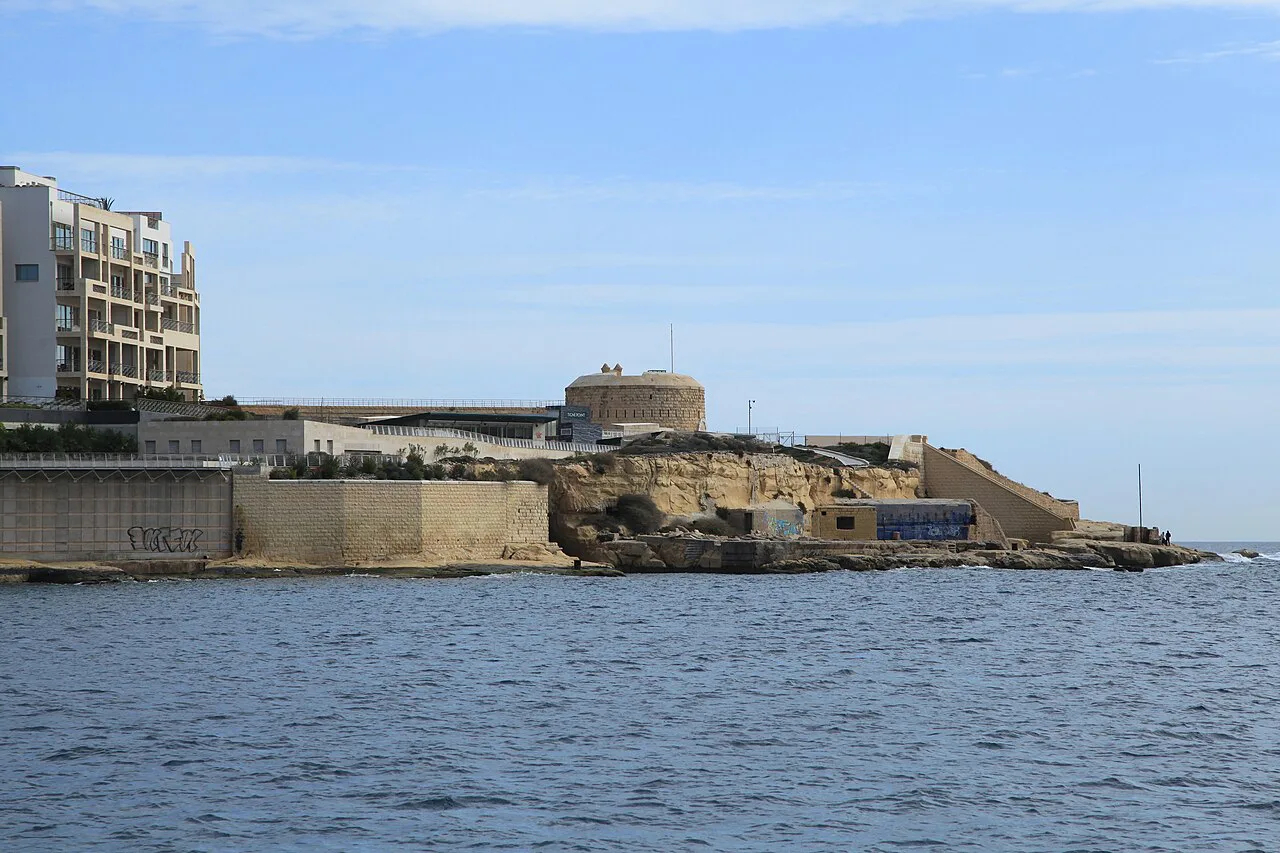
The walk passes a British military installation now used as a restaurant, Il-Fortizza, a 17th-century coastal watchtower and a cluster of Art Deco terraced townhouses. The neo-gothic Carmelite church at Balluta is the landmark that tells you where you are. The Sliema promenade continues into St Julian's, and the two towns blend into each other along the seafront.
The 15-minute ferry to Valletta and why it beats the bus
The ferry crosses to Valletta in about 15 minutes and leaves from the Sliema Ferries waterfront. Sit on the top deck if you can: the crossing puts the full Valletta skyline in front of you, with limestone fortifications, church domes and the historic silhouette of the capital seen from the water.
The practical argument is traffic. Road construction around Msida can make the bus into Valletta slow, and the ferry sidesteps it, which matters most at rush hour, when many people are heading into Sliema for the working day. It is also the more enjoyable option rather than merely the faster one.
Times change by season, so confirm them with Valletta Ferry Services before you rely on a particular sailing. Allow a little slack if you are connecting to a timed entry elsewhere in Valletta.
The inner streets behind the seafront: townhouses, balconies, cafés
Walk one or two streets back from either waterfront and the tone shifts. Many Sliema streets carry British names, from Norfolk Street and Prince of Wales Road to Windsor Terrace, Graham Street and Milner Street, a reminder of how the town was laid out.
The best coffee is inland rather than on the seafront, particularly along Triq Manwel Dimech. The parish church of Sacro Cuor is another landmark worth finding in the back streets, and the restored townhouses around it reward a slow wander rather than a route march.
Shopping and eating: The Point, Bisazza Street, Triq Ix-Xatt
Sliema is Malta's shopping town, concentrated in the centre and at The Point on the Tigné peninsula, which the source describes as the island's largest shopping mall, built on the grounds of the former Tigne Barracks. The pedestrian bridge leading to it is covered in love padlocks, and from the bridge you can also reach the sea underneath the Point, which the source calls the best view of Valletta from the whole island.
For smaller shops, head to Bisazza Street and Triq Manwel Dimech. After dark, the bars, cafés and restaurants line Triq Ix-Xatt along the bay, which is where most of the eating and drinking is concentrated.
Sliema is one of the more expensive towns in Malta, so budget accordingly rather than treating it as a cheap base. If food is a priority, plan around the Sliema restaurants along the bay and Tower Road, and expect seafront addresses to cost more than inland ones.
Tigné Point and Tigné Fort: the best look back at Valletta
Tigné Fort gives you views across Marsamxett Harbour to Valletta, and it is the spot to build into an evening rather than a rushed stop, because the skyline is at its best when the light drops and the city is lit.
Nearby, Independence Garden offers flower-filled lawns and fountains if you want shade and a bench, and the town's religious landmarks, Stella Maris Church and Holy Trinity Church, sit in the heart of the town on the walk back. Check opening arrangements for the fort and churches on the day.
What Sliema costs and how it compares on price
Expect to pay more in Sliema than in most other parts of Malta, for accommodation, food and drink alike. Restaurants and bars cluster on the same waterfront streets, so a coffee or a meal is easy to find but rarely a bargain. The ferry crossing replaces a bus journey into Valletta, and walking the promenade costs nothing beyond your time.
Who Sliema suits, and who should base themselves elsewhere
Sliema suits travellers who want a flat base with a sea view, shops within walking distance and Valletta reachable by boat. Couples, friends and anyone combining a city day with a coastal evening will find the layout works, and several nights make sense if you plan day trips rather than staying put.
It suits less well if you want quiet lanes, a village square and a slower pace. Those travellers do better with a base in Valletta itself or a smaller town, and should treat Sliema as a day visit: half a day covers the promenade walk, the ferry crossing and the inner streets, with an evening added for Tigné Point and a meal on Triq Ix-Xatt.
The town is also very international, with a large expatriate population in Sliema, St Julian's and Gżira, which gives it a different atmosphere from inland towns. If you want to see the town at its most local, aim for the inner streets and the open-sea promenade rather than the commercial waterfront.
So is Sliema worth visiting?
Yes, for the seafront, the crossings and the convenience of a flat, well-served town, and no if you came for walled cities and quiet village squares. Decide based on how you want to spend your evenings: walking a lit promenade with Valletta across the water, or sitting in a square inside the walls.
Check ferry times and any opening details on the day you travel. Then pick your side of the peninsula deliberately: commercial waterfront for convenience, open-sea promenade for a quieter walk.
Explore more Sliema guides
Frequently Asked Questions
Is there anything to do in Sliema itself?
Yes. The promenade walk, the inner streets with their townhouses and cafés, the shopping streets and The Point, and the ferry across to Valletta fill a comfortable half-day, with an evening added for Tigné Point and dinner on the seafront.
Is it better to stay in Valletta or in Sliema?
Valletta puts the historic streets and the main sights on your doorstep, while Sliema offers a flat seafront, more shops and an easy crossing into the capital. Choose Valletta for atmosphere and Sliema for convenience and a longer waterfront to walk.
Which is better, St Julian's or Sliema?
The two towns blend into each other along the seafront, so the choice is really about mood. Sliema gives you the ferry to Valletta and a wider stretch of promenade to walk, while St Julian's sits further along the same waterfront and is easily reached on foot.
Sources
Notes for your Malta trip
Optional updates when we add or correct a Malta or Gozo guide.
You might also like
Continue reading
More guides you'll find useful