Is Marsaskala Worth Visiting? A Candid Guide for Malta Travellers
Marsaskala suits travellers who want a quiet, local seaside town with rocky swimming and a promenade. Here is what you get, what you miss and how long to allow.
On this page
Marsaskala is worth visiting if you want a slow, local seaside town rather than a resort, and it suits an evening on the promenade or a quiet base in Malta's southeast better than a packed day of sightseeing. It is not a must-see in the way Valletta or Mdina are, and it sits well away from the island's main sights. This guide sets out who the town suits, what there is to see, how to reach it from Valletta and how it compares with Marsaxlokk.
What Marsaskala is like
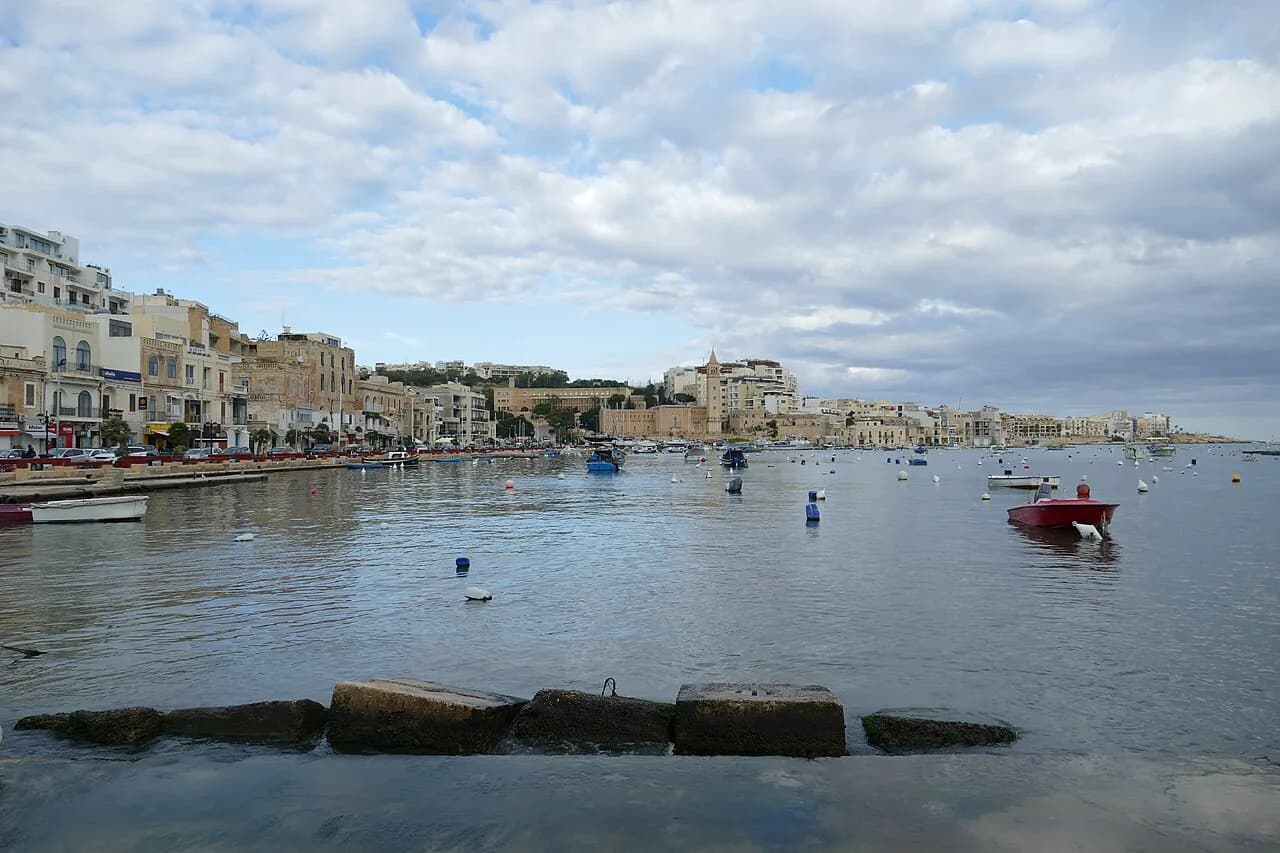
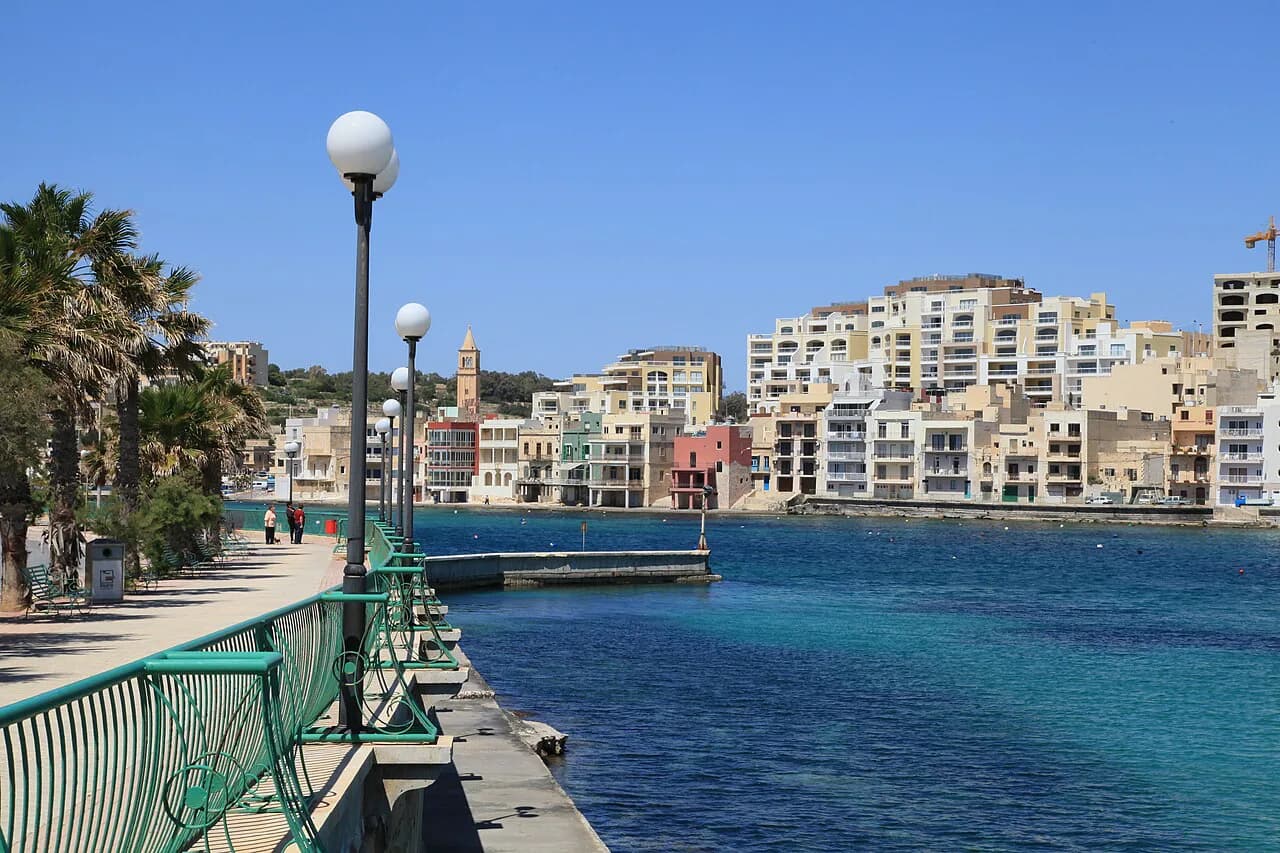
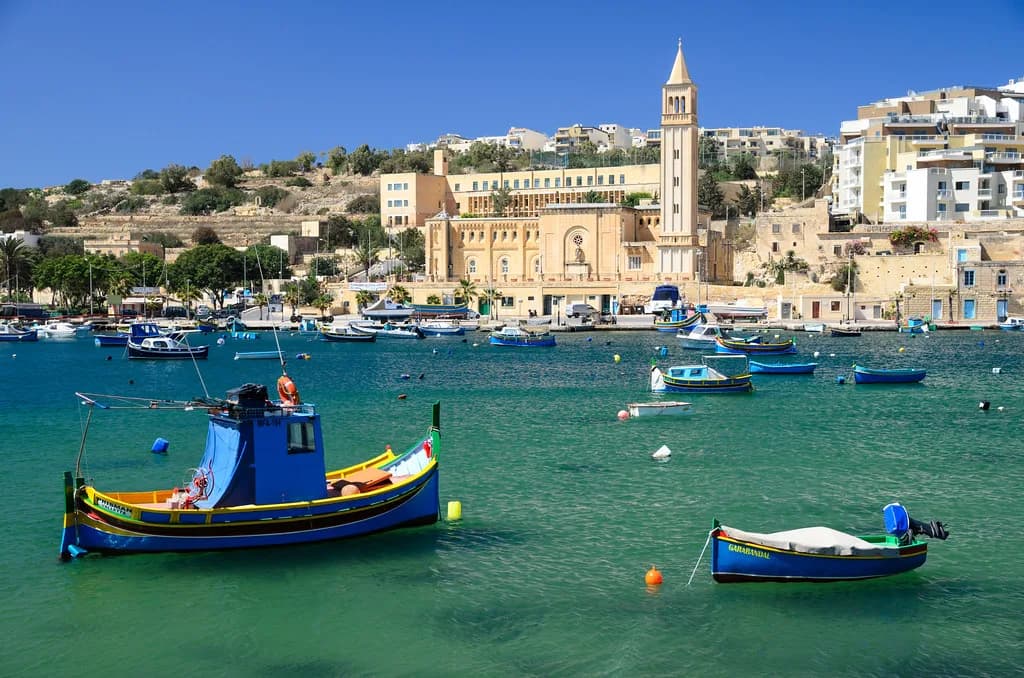
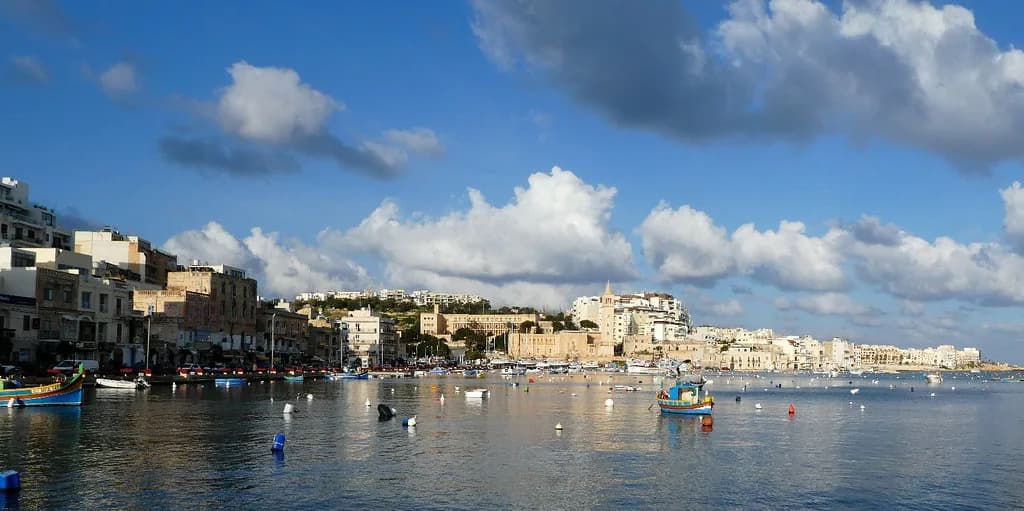
Marsaskala, also known by its Maltese name Wied il-Għajn, is a seaside town built around a natural harbour in Malta's southeast corner, with fishing still part of its character. The main promenade, Triq ix-Xatt, runs along the waterfront and holds a lively stretch of restaurants, ice-cream parlours and casual bars looking out over the bay. A recent refurbishment has left the waterfront lined with palm trees and places to sit, which makes it good for a slow evening rather than a checklist of sights.
Locals use the waterfront in the evenings, with families and couples eating pizza, drinking soft drinks and sitting on benches watching the sea. The town has no major historical site at its centre, and its appeal comes from the harbour, the swimming and the unhurried rhythm rather than from monuments. The Parish Church of St Anne stands in the middle of town; its feast fills the streets each July, though the town's calendar is not the reason to come.
Who Marsaskala suits
Come here if you want calm nights by the sea, swimming from the rocks and a genuine Maltese feel rather than a polished tourist strip. The coast is mostly rocky, and you can swim almost anywhere except in the boat area, with ladders fixed along the promenade to help you in and out of clear water. Snorkellers should bring their own gear, because the rocky shoreline and clear water are the main draw.
If you prefer sand, St Thomas Bay a short walk south has two small sandy beaches, both shallow and safe, with the larger one in front of Zion Bar. They are small enough that they fill up, and boats use the bay, so bathers should stay inside the swimmers' area. The bay is the town's own shoreline rather than a destination beach, which is exactly why it stays quieter than Malta's better-known sands.
The town also works as a base for the southeast, with easier parking than Sliema or Valletta, though spaces still fill up. Restaurants along the waterfront tend to be more affordable than their equivalents in Valletta or Mdina, and seafood is the thing to order. For a shortlist of where to eat by the harbour, see our guide to Marsaskala restaurants.
Who should skip it
Skip Marsaskala if you want lively nightlife, a large resort with full facilities or a central base within walking distance of the main sights. The town is quiet in the evenings by design, and anyone expecting bars and clubs will be in the wrong place. The southeast location is the bigger practical cost: reaching Valletta and the island's headline attractions takes real time each day.
What there is to see and do
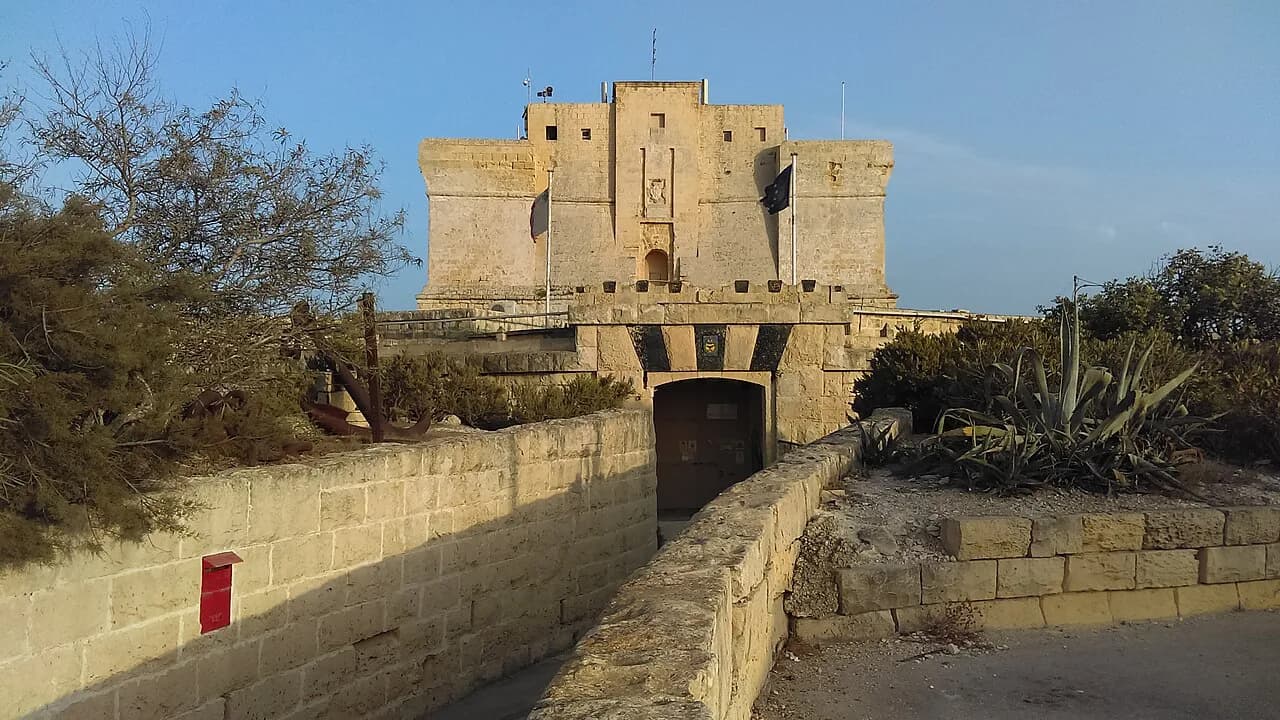
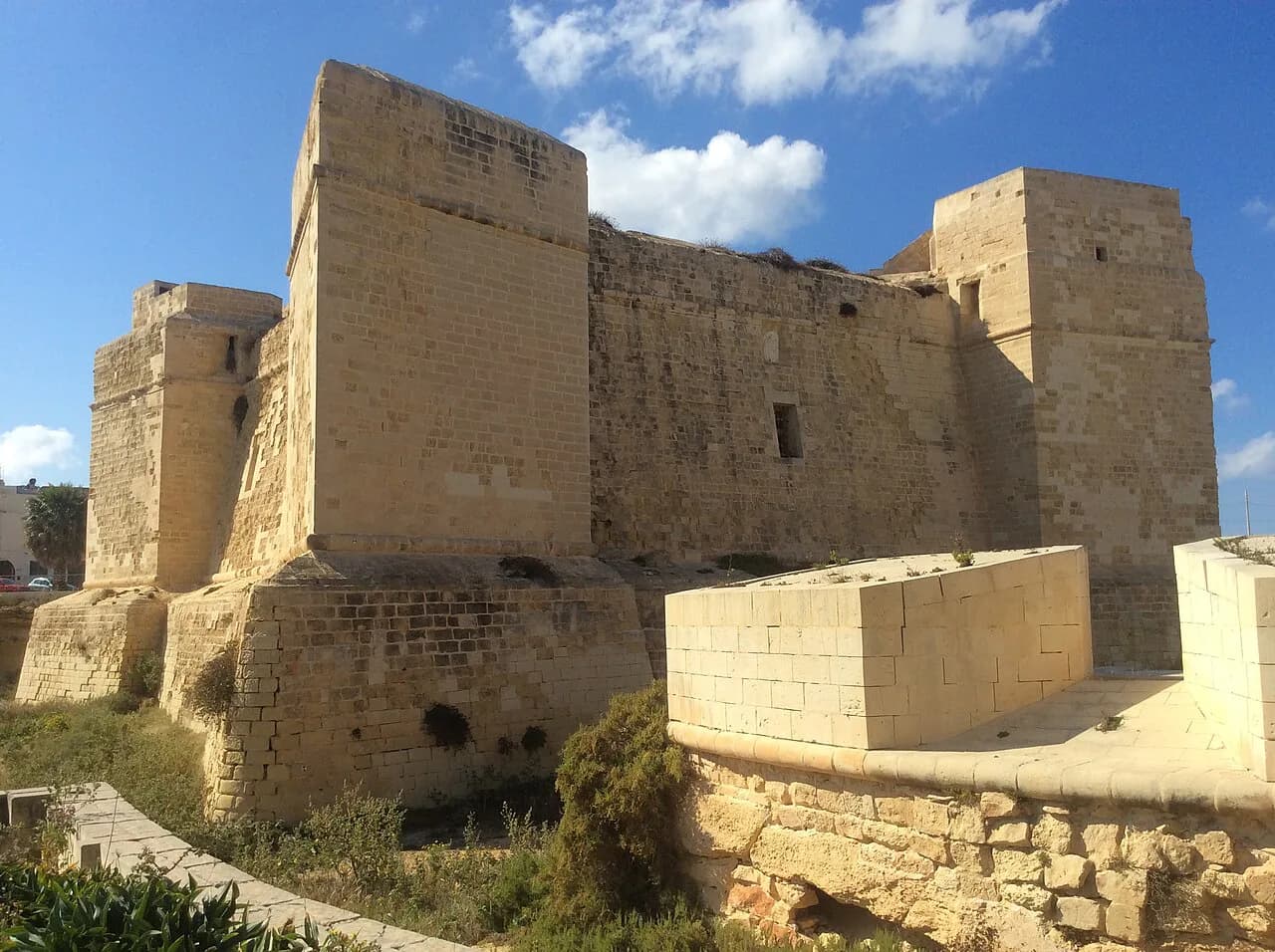
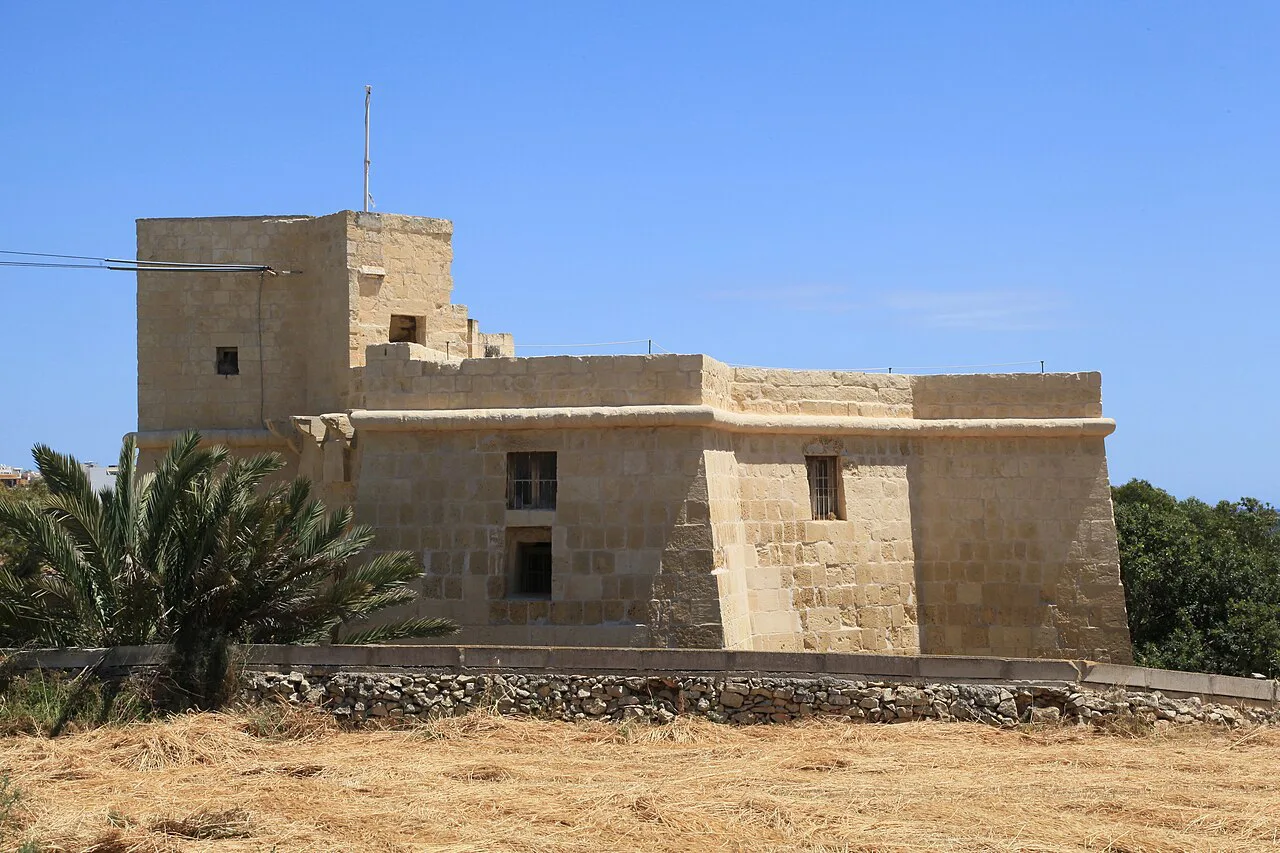
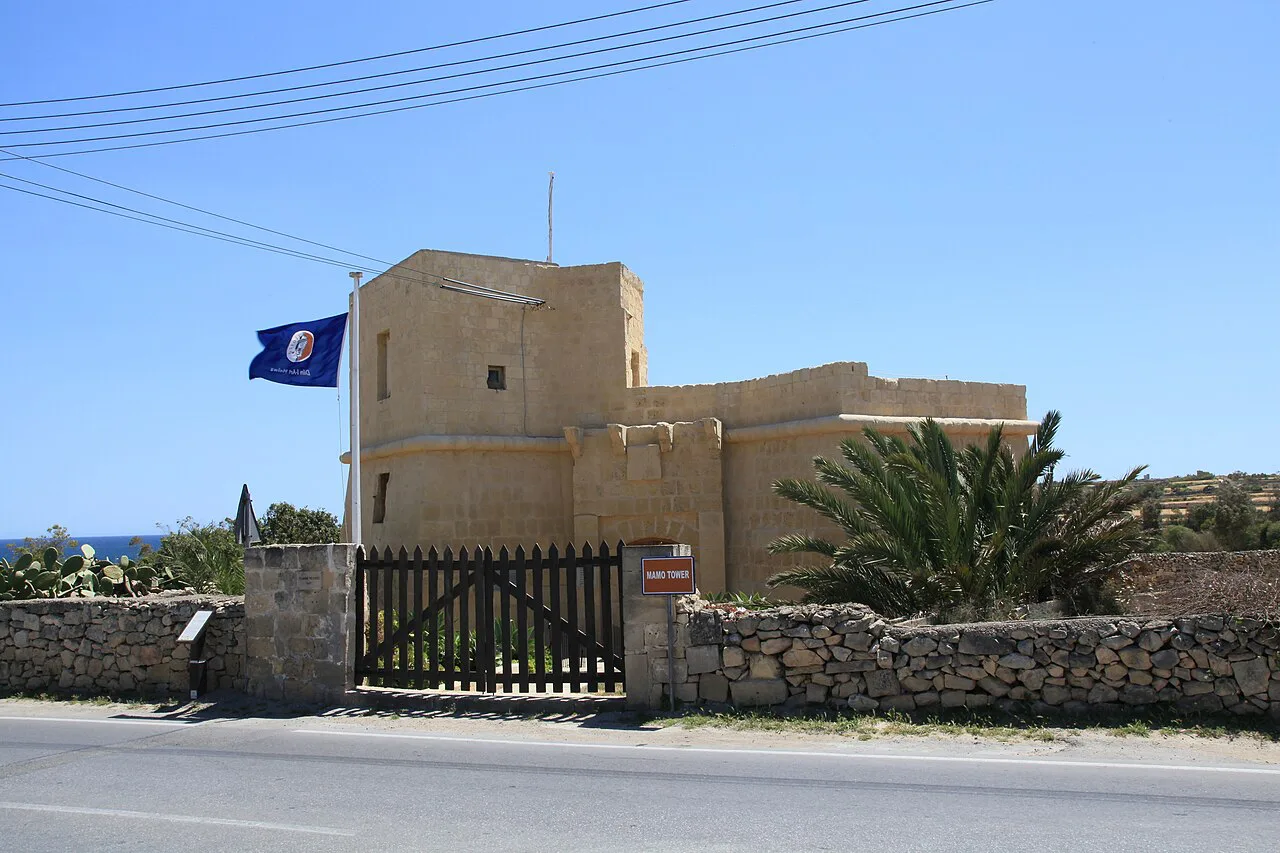
Walking the waterfront is the main activity, and it takes in small inlets, the scarlet window rock formation and San Tumas Tower, which sits slightly back from the sea. Further along the coast, St Thomas Tower, Marsaskala's own watchtower, is worth the walk for the coastal views. Mamo Tower is the other tower in the area if you are ticking off the landmarks on foot.
Zonqor Point marks the northern edge of town, a rugged stretch of coast with clear water and views that turn copper at sunset. The Zonqor salt pans sit nearby, shallow pools where sea salt was harvested for generations and which still glisten under the sun. Both are scenic stops for walkers and photographers rather than organised attractions.
Small fishing boats along the coast offer tours, but Marsaskala is not a major hub for boat trips, and Marsaxlokk a few miles away has more options if that is your priority. Most visitors will fill a day here with the promenade, a swim and one of the coastal walks rather than a schedule of paid attractions. Our guide to the things to do in Marsaskala has the full circuit laid out.
Getting to Marsaskala from Valletta
The direct buses from Valletta are routes 91, 92 and 93, all leaving from the Valletta Bus Terminal. Route 91 runs through Żabbar and stops close to the Marsaskala church, while 92 and 93 continue further south towards St Thomas Bay, which makes them the better choice if you are heading for the sand. Journeys take between 40 and 55 minutes depending on traffic and stops, so plan for the longer end at peak times.
Taxis and ride-hailing take roughly 25 to 30 minutes from Valletta, which is the sensible option if you are carrying beach gear or arriving late. From the airport the drive is short, but there is no direct bus into town, so you would take the X4 to Valletta and change onto one of the Marsaskala routes. Check current times and frequencies before you travel, since they change by season.
How much time Marsaskala needs
An evening is enough to get the measure of the town: a walk along the promenade, a drink or a meal looking over the bay, and back to wherever you are staying. Give it half a day if you want to swim off the rocks, walk south to St Thomas Bay and continue to the towers. Add another half-day for Zonqor Point and the salt pans if you are interested in the coastal landscape rather than a quick look.
As a base, a few nights works for travellers who want quiet evenings and easy parking and accept the daily journey to the rest of the island. It is a poor fit for a two-night trip built around Valletta and Mdina, when the travel time would eat the days. If you are planning where to send each day, a Marsaskala map helps you see how the bay, the beaches and the towers connect on foot.
Marsaskala or Marsaxlokk
Both are harbour towns in Malta's southeast, and the choice comes down to tempo. Marsaxlokk is the busier of the two, with more boat-trip options and a heavier visitor presence, while Marsaskala is quieter and more low key. If you want a market-and-boats atmosphere, pick Marsaxlokk; if you want an ordinary seaside town where locals outnumber visitors most evenings, pick Marsaskala.
On balance, Marsaskala is the quieter of the two, with swimming from the promenade ladders and the small sands at St Thomas Bay close at hand. Marsaxlokk puts you closer to boat excursions along this stretch of coast. Many travellers visit one as a day trip from the other rather than choosing between them for a whole stay.
Practical trade-offs to weigh
The coast here is rocky rather than sandy, and the two beaches at St Thomas Bay are small, so anyone expecting long sweeps of sand will be disappointed. The town also lacks the high-end resorts and nightlife of elsewhere on the island, and the evenings are quiet by design. That quiet is the point, but it is worth being honest about what you give up.
Distance is the real cost of choosing the southeast. You will spend time on the road or on the bus whenever you head for Valletta, the Three Cities or Ħal Saflieni. If your trip is short and sight-heavy, stay closer to the centre and visit Marsaskala as an evening out instead.
Parking is easier than in Sliema or Valletta but still gets busy, so arriving in the late afternoon on a summer weekend means hunting for a space. Buses from Valletta are direct but slow, and the return journey on a full bus after dinner is the main reason some visitors hire a car. Weigh that against a town where a waterfront table and a swim are never more than a few minutes apart.
Should Marsaskala make your itinerary?
Yes, if your trip wants a quiet harbour town, swimming off the rocks and evenings on the promenade without resort crowds. Give it an evening on a short trip or a few nights as a southeast base on a longer one. Travellers chasing nightlife, big resorts or walkable access to every major sight should stay nearer Valletta and come here for a slow afternoon instead.
Sources
Notes for your Malta trip
Optional updates when we add or correct a Malta or Gozo guide.
You might also like
Continue reading
More guides you'll find useful