
Fort Delimara: A Visitor's Guide to the Fort at Delimara Point

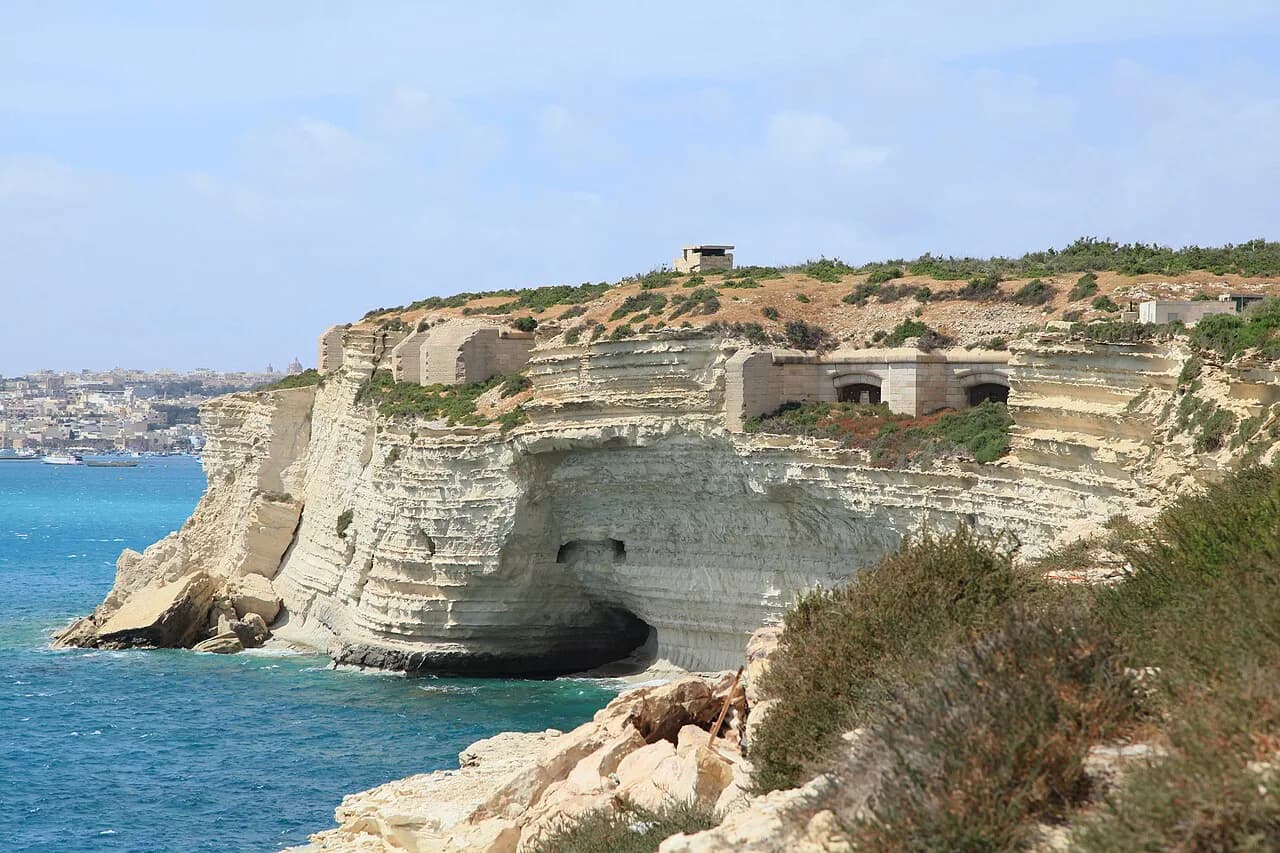
Fort Delimara is a Victorian coastal fort on the Delimara peninsula in the south-east of Malta, positioned to overlook Marsaxlokk Bay. The British built it between 1876 and 1888, and it stands as one of the coastal defences that guarded the harbour approaches rather than as a museum with a ticket desk. This guide covers where the fort sits, how to reach the headland, what the layout tells you, and how long to allow.
Set your expectations before you go: Delimara Point holds several different things within a short stretch of coast, and only one of them is the fort. The lighthouse, the salt pans and the working infrastructure of the bay are separate sights on the same headland, so plan the visit as a walk around the point rather than a single building. The sections below take each element in turn.
What Fort Delimara is and where it sits on the Delimara peninsula
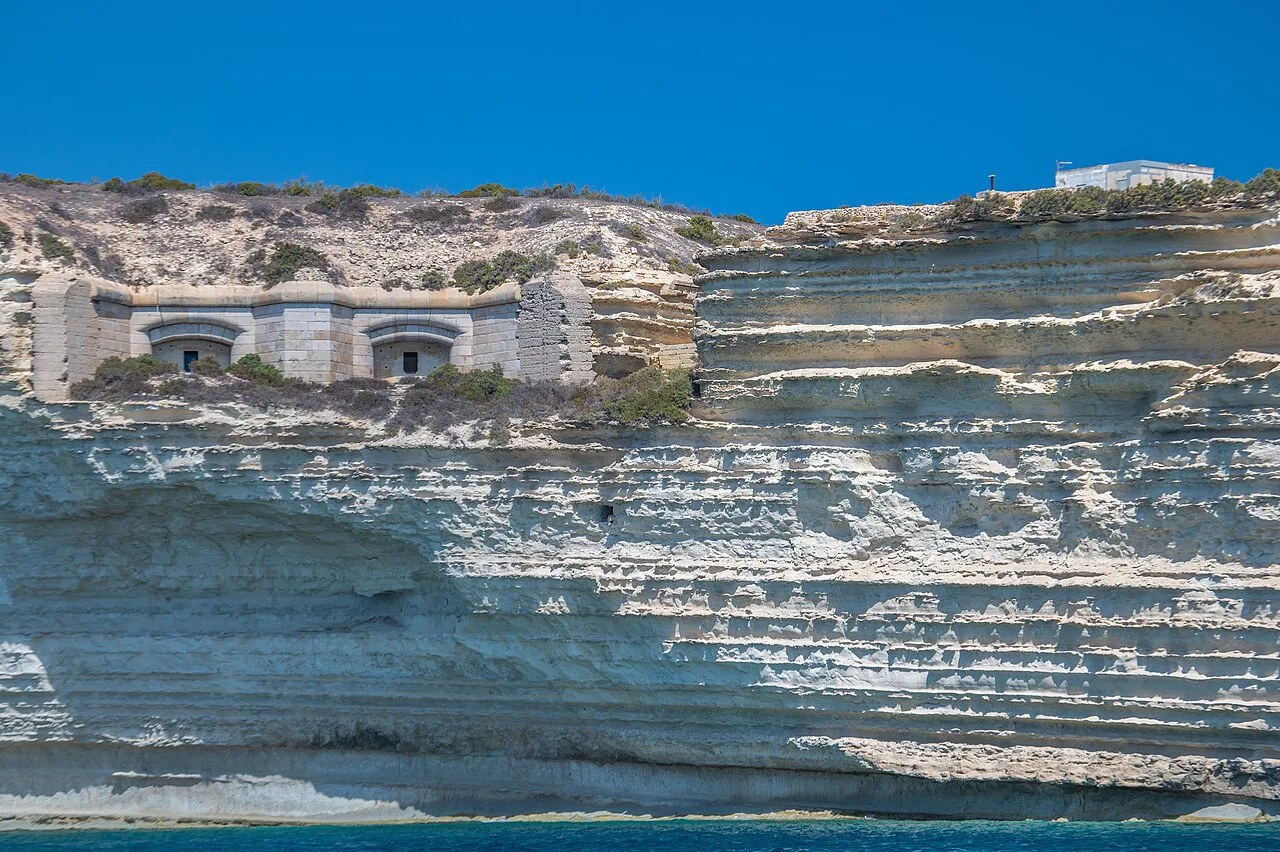
Il-Fortizza ta' Delimara is a polygonal fort, built in the late Victorian period as part of a chain of fortifications protecting the south-east coast of Malta. It occupies the Delimara peninsula, which closes the eastern side of Marsaxlokk Bay and puts the fort's seaward face directly above the water. The land around it is open and exposed, with the bay behind you and the open sea in front.
The position explains the design: a fort here watches over the entrance to a working harbour, which is exactly why the British built a series of defences along this stretch of coast. Treat the fort as a historic structure on a headland rather than a curated attraction with interpretation panels throughout. For orientation on the wider area, see Marsaxlokk Attractions: 4 Visitor Guides.

How to reach Delimara Point from Marsaxlokk and the south of Malta
The fort sits at the end of the Delimara peninsula, reached by road from Marsaxlokk and the villages of the south-east. It lies on the headland south of Tas-Silġ and the Xrobb l-Għaġin headland, so a car gives you the most control over timing and lets you stop at the other points along the way. The final stretch is a minor road across open ground with little shade.
If you are relying on public transport, check the current route and stop with the operator before you set out, because the walk from the nearest road can be long and exposed. The fort's position above Marsaxlokk Bay is a useful check that you are heading for the correct headland. Bring water and sun protection: the peninsula offers little shelter from the middle of the day.
Marsaxlokk itself works well as a base for this corner of the island, and the harbour is where you will find food and facilities before heading out to the point. The things to do in Marsaxlokk guide covers the village side of the trip, so you can pair a morning at the fort with time among the boats.
The fort's layout and what survives of the Victorian defences
The fort follows a polygonal plan typical of late 19th-century British coastal work, with the defensive line shaped to the edge of the promontory. That geometry is what you read on the ground: walls and ditches arranged to sweep the sea approaches rather than to present a neat facade. Expect a working military structure rather than a landscaped ruin with a marked trail.
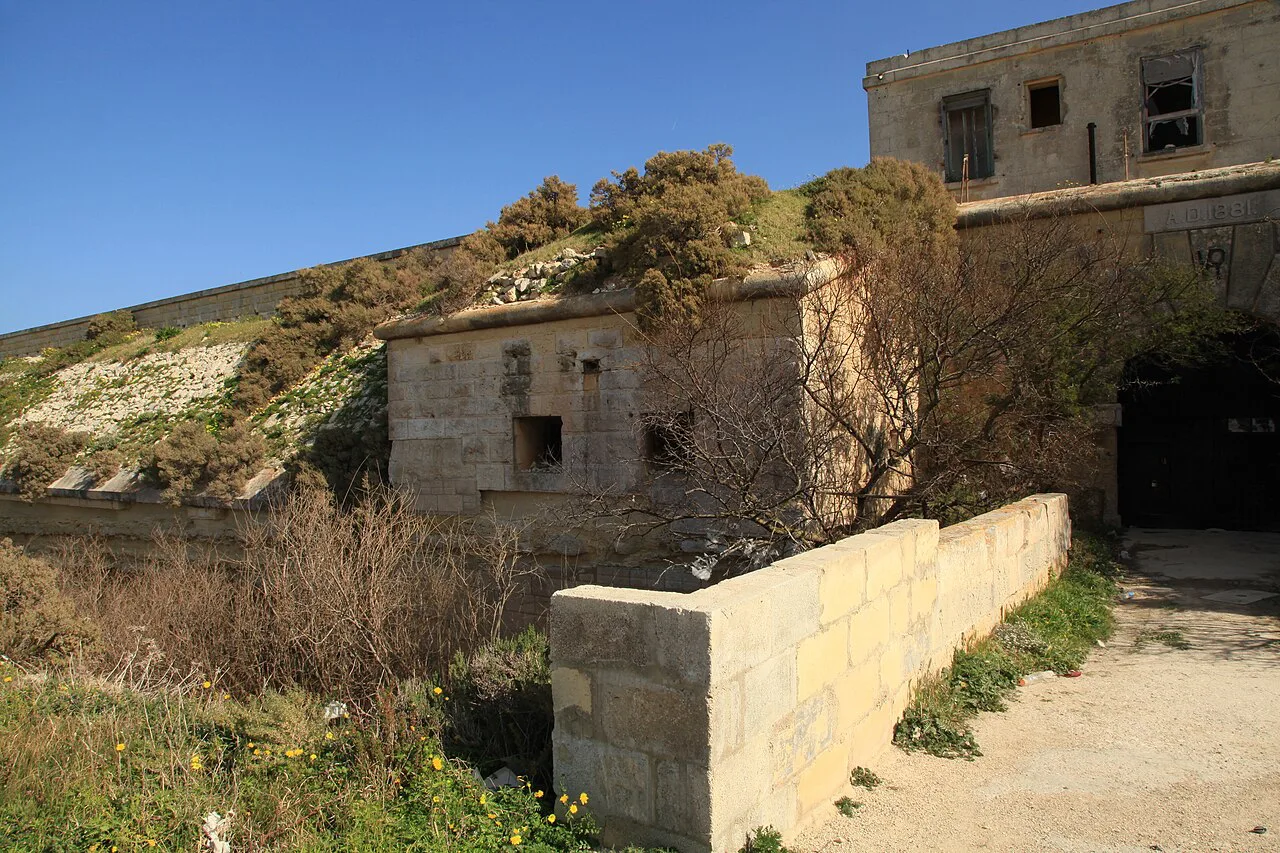
Beyond the walls, the surviving fabric of the Victorian defences is what gives the site its character. The fort was built by the British between 1876 and 1888, and in later decades it has hosted uses far removed from defence, which is why the interior does not read as an intact heritage display. Approach it as a place to look at and walk around rather than one to tour room by room.
The 38-ton guns and why they matter to a visit
The fort's heavy armament is the detail that most rewards a visit, but it comes with a caveat. Four 38-ton guns are documented as part of the fort's defences, the only surviving examples of their kind in the world, yet their condition has been compromised by the fort's later agricultural use, so do not arrive expecting a display piece on a plinth. A visit is about the setting and the scale of the structure as much as the hardware.
If the guns are your main reason for coming, ask locally about the current state of the interior before making a special journey, since access inside the fort is not a settled matter. The exterior and the headland walk stand on their own regardless. That is the honest trade-off at Delimara: a strong coastal setting with an interior you cannot count on.
The lighthouse, salt pans and gas tanker nearby
Walk a short distance from the fort and the headland changes character entirely. Delimara Lighthouse is a British-built 19th-century tower that has been restored and is now in the care of Din l-Art Ħelwa, the national trust, which has fitted it out with self-catering apartments. The Delimara Lighthouse page covers what you see from outside and how the building is used today.
The salt pans at the point are smaller than those at Salina Bay, and here seawater is pumped into the pans and left to evaporate rather than let in by the tide. In season they read as a patchwork of shallow basins along the rock. The contrast with the industrial side of the bay is stark: a floating gas storage unit supplies the Delimara power station, and the tanker is a fixture of the view.
How long to allow and the best way to combine the point with Marsaxlokk
Allow roughly half a day for the headland if you want to see the fort from outside, walk to the lighthouse and look over the salt pans. The distances are short but the ground is uneven and the sun is strong, so a slower pace is realistic. Two to three hours covers the essentials; add time if you plan to eat in Marsaxlokk afterwards.
The most sensible combination is a morning on the peninsula followed by lunch and a wander at Marsaxlokk harbour, where the fishing boats give the village its character. Group the fort with the other Marsaxlokk sights so you are not driving back and forth across the south-east. If you have a full day, Xrobb l-Għaġin Nature Park on the neighbouring headland makes a natural third stop.
Visiting Fort Delimara: access and what to check before you go
There are no published opening hours or ticket prices for Fort Delimara to plan around, so do not build a day on the assumption that the interior will be open. Visitor listings describe it as a late 19th-century British coastal fort at Delimara Point, and that is the level of certainty to plan with. Check access with the local council or tourist information in Marsaxlokk before you make the trip.
The headland around the fort is open ground, and the views across Marsaxlokk Bay and out to sea are the reliable part of any visit. Go for the landscape, the lighthouse and the salt pans, and treat anything inside the walls as a bonus. That way a locked gate costs you nothing but a short detour.

Is Fort Delimara worth the detour?
Yes, if you are already in the south-east and want a coastal walk with real military and industrial texture rather than a polished attraction. No, if you need guaranteed access, interpretation and facilities: the fort is an exposed historic structure, and the point is best enjoyed as a walk. Pair it with Marsaxlokk harbour, which has its own guide, and set off early enough to avoid the middle of the day.
Explore more Marsaxlokk guides
Frequently Asked Questions
Why are there so many forts in Malta?
Malta's central Mediterranean position made its harbours worth defending, and Fort Delimara was built by the British between 1876 and 1888 as part of a series of coastal fortifications protecting Marsaxlokk Bay and its sea approaches. Similar works stand along the same stretch of coast.
Can you go inside Fort Delimara?
Access to the interior is not a settled matter and there is no published ticketed entry arrangement to plan around. Treat the fort as something to see from the outside and around its walls, and check current access locally before travelling if the interior matters to you.
How do you get to Delimara Point without a car?
Public transport reaches Marsaxlokk, and from there the headland is a further exposed stretch. Check the current route and nearest stop with the operator before setting out, and allow extra time for walking in heat with little shade.