
Tas-Silġ: Malta's Hilltop Sanctuary above Marsaxlokk

Tas-Silġ is a hilltop archaeological site between Marsaxlokk and St Thomas Bay, not a walk-in open monument. Visits have been organised through guided site visits rather than through a standard ticket desk. The site takes its name from the Maltese word for snow, and the small Church of Our Lady of the Snows sits close by. This guide covers where the site sits, what survives on the ground, and how to combine it with a Marsaxlokk half-day.
What Tas-Silġ is
Tas-Silġ is a multi-period sanctuary site on a hill above the coast, south-east of Marsaxlokk. It is an archaeological complex rather than a reconstructed temple, and the surviving remains are low walls and foundations rather than standing buildings. The site sits between Marsaxlokk and St Thomas Bay, and the Google Arts & Culture listing places it within the Marsaxlokk area.
The Archaeological Society Malta describes Tas-Silġ as a multi-period sanctuary site and has organised guided visits led by archaeologists. A 2017 site visit was led by David Cardona, acting senior curator for Phoenician, Roman and medieval sites at Heritage Malta, and Nicholas Vella of the University of Malta. That visit is history rather than a current programme; check the society's events page for any similar visit.

Where Tas-Silġ sits
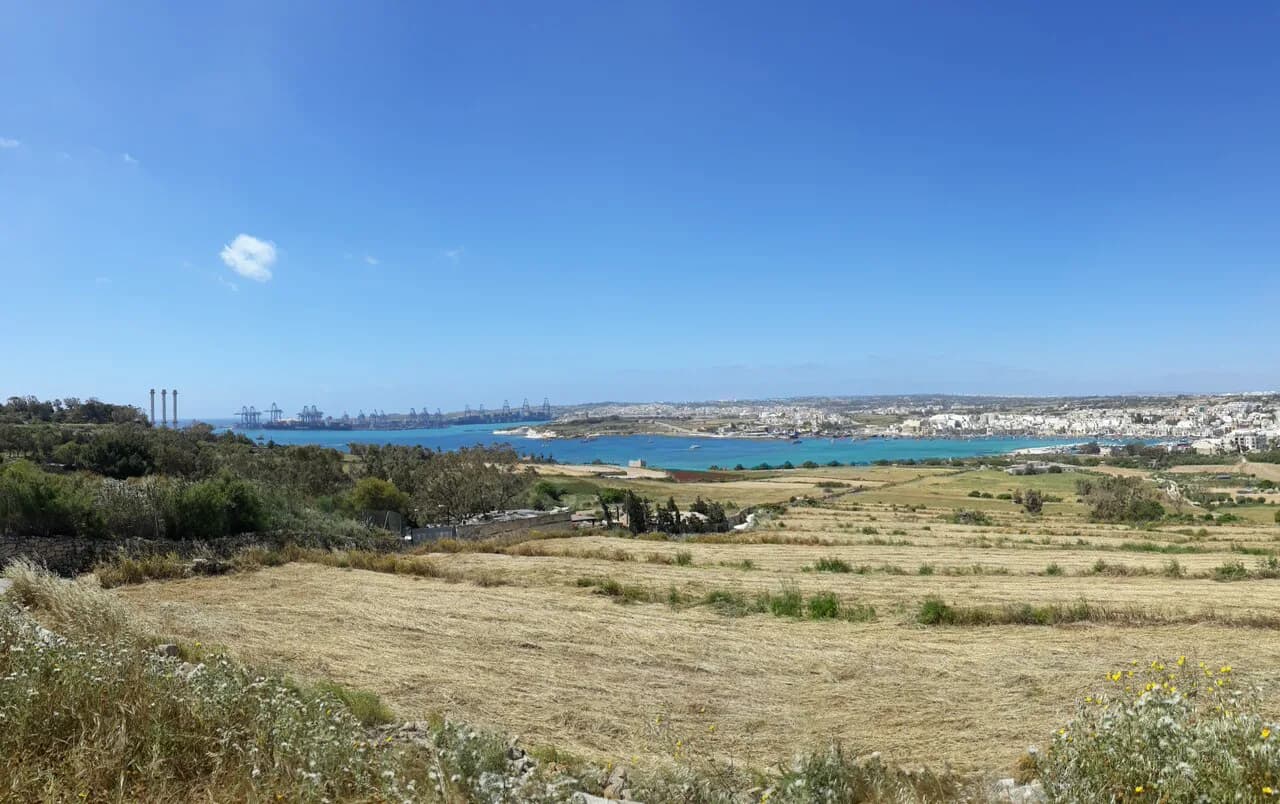
The site occupies the top of a hill between Marsaxlokk and St Thomas Bay, with wide views over the harbour and the coast. It is close to the road south from Marsaxlokk towards Delimara, but the hilltop itself is not on a bus route that drops you at the gate. Most visitors approach by car or on foot from Marsaxlokk, and the climb is short but exposed.
For orientation, Marsaxlokk harbour is the nearest town centre, with the waterfront and fishing boats below the hill. The road south continues past the turn for Tas-Silġ towards Delimara Point, where Fort Delimara and the Delimara Lighthouse stand. Allow a few minutes by car from the harbour to the foot of the hill.

What survives on the ground
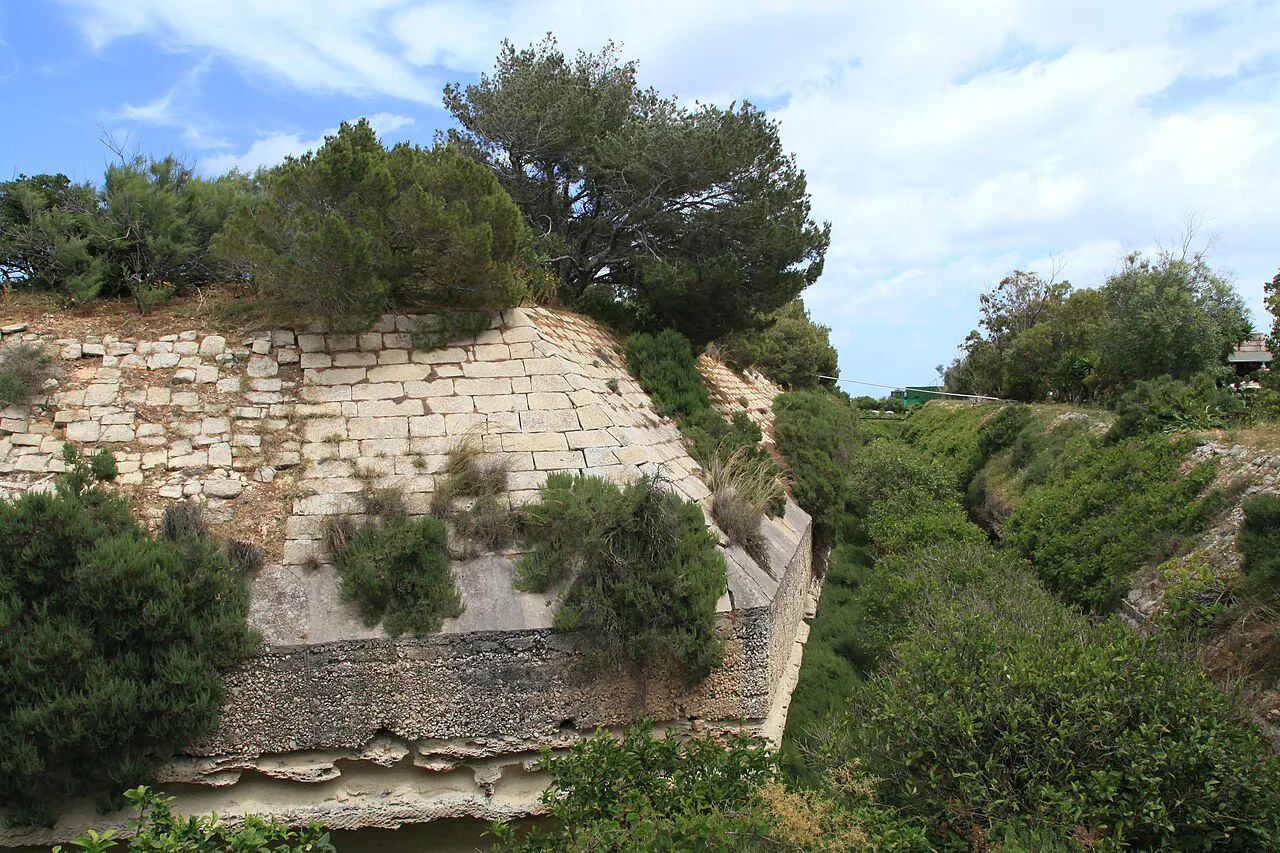
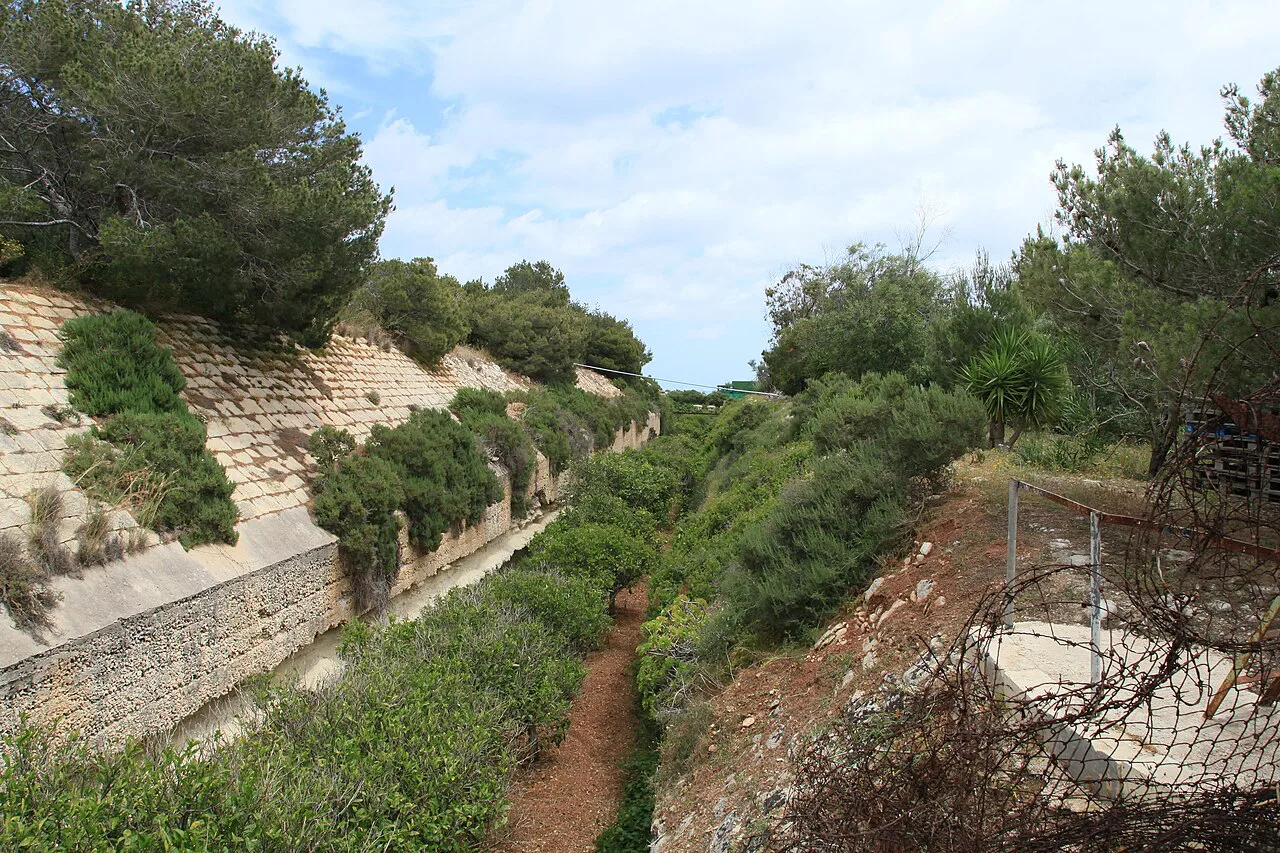
The hilltop preserves foundations and wall lines from a prehistoric temple that was later reused as a sanctuary. A 2013 Times of Malta feature describes Tas-Silġ as a prehistoric structure used by Phoenicians, and later periods left their own traces on the same hill. The remains are not reconstructed, so expect to read low walls rather than to walk through standing columns.
A 2023 article by Raymond J. Vassallo in the University of Malta's Futouristic journal discusses the sanctuary as a sacred place of worship across its phases. That framing helps explain why the site matters: the same hill was used for ritual over a long span, and the later reuse left its own deposits and structures. The article is a useful primer before you climb the hill.
The Church of Our Lady of the Snows
The small Church of Our Lady of the Snows, known in Maltese as Madonna tas-Silġ, stands beside the archaeological site and overlooks Marsaxlokk bay. The present church was rebuilt in 1833 on an earlier church of 1650, funded by Marchioness Angiolina Muscat Cassia Dorell. It is under the custody of the Carmelite Order and was frequented by farmers and fishermen from the area.
The church is a separate building from the archaeological site, and visitors sometimes confuse the two. The devotion to Our Lady of the Snows originates in Rome, and the Maltese church carries that title rather than marking the temple itself. Treat the church and the hilltop remains as two stops on the same short walk.
How visits have been organised
Tas-Silġ has been opened to visitors through organised site visits rather than as a standard ticketed attraction. The Archaeological Society Malta has run guided visits with archaeologists, and Heritage Malta has been involved through its curatorial staff. For any current access arrangement, check with the society or Heritage Malta before travelling.
The 2017 visit met at the site and waived the entrance fee, with donations invited on the day. That arrangement applies to that event only, and a future visit may be run differently. Rather than assume free entry or no booking, confirm the meeting point, time and any fee with the organiser.
How long to allow
Allow about an hour on the hilltop for the archaeological remains and the church, plus the short climb from the road. The site is exposed, so a midday visit in summer is hot and shade is limited. Early morning or late afternoon is more comfortable, and the light on the harbour below is better for photographs.
Combine Tas-Silġ with a Marsaxlokk half-day: the harbour, the fish restaurants and the waterfront walk fill the rest of the morning or afternoon. If you have a car, the Delimara peninsula adds a short drive to the lighthouse and the fort. For more ideas, see things to do in Marsaxlokk.
Nearby options in the south
South of Marsaxlokk, the Delimara peninsula has the Delimara Lighthouse and Fort Delimara, both reached by the road past the turn for Tas-Silġ. The lighthouse stands near Delimara Point, and the fort is a short distance beyond. Both are outdoor stops that pair naturally with a hilltop visit.
Xrobb l-Għaġin Nature Park is another coastal stop near Marsaxlokk, with paths and sea views. It is a separate stop rather than part of the Tas-Silġ visit, and the park has its own opening arrangements. Check before you go if you plan to add it to the same half-day.
Practical points
The hilltop is exposed ground with little shade, so carry water and wear a hat in summer. The climb from the road is short but uneven, and sturdy shoes are more comfortable than sandals. Avoid the middle of the day in July and August if you can.
Because access has depended on organised visits, confirm the current arrangement before you travel. Check the Archaeological Society Malta events page and Heritage Malta's site listings for any scheduled visit. If no visit is running, the church and the views from the hill road are still worth the detour.
Is Tas-Silġ worth the detour?
Tas-Silġ rewards travellers who want to read a landscape rather than walk through a reconstructed monument. The hilltop remains are subtle, the church is small, and the visit is short. Its value comes from understanding how one hill was used across periods, which is easier with a guide or a primer such as Vassallo's article.
Build it into a Marsaxlokk half-day rather than making it the sole destination. Pair the hill with the harbour, and add the Delimara peninsula if you have a car. Check access before you go, since visits have been organised rather than open to walk-in visitors.
Sources
- Tas-Silġ, Marsaxlokk, Malta — Google Arts & Culture
- Site visit to the multi-period sanctuary site of Tas-Silġ, Marsaxlokk - The Archaeological Society Malta
- Church of Our Lady of the Snows (Madonna tas-Silg), Marsaxlokk - Melita Mariana
- OAR@UM: Tas-Silġ sanctuary as a sacred place of worship
- Tas-Silġ... uncovered