
Collachio, Birgu: what to see in Vittoriosa's old town

The Collachio is the inner quarter of Birgu (Vittoriosa), a compressed knot of lanes and small squares sitting just behind the town's waterfront on the Grand Harbour. Walk it in an hour at a push, but give it half a day if you want Fort St Angelo, the Inquisitor's Palace and one museum as well. This guide marks the lanes themselves, the auberges you can still pick out, the sights at either end of the peninsula, and how to arrive by ferry, water taxi or bus.
What the Collachio is and where it sits in Birgu
Birgu, renamed Vittoriosa after the Great Siege of 1565, occupies a peninsula on the south side of the Grand Harbour, and the Collachio is its oldest residential core. When the Knights of St John settled in Birgu they took a defined area of the town for their own lodgings, following the pattern they had used on Rhodes, and that area became known as the Collachio. Exclusive access was not possible here, so the knights' quarters grew up alongside ordinary houses rather than apart from them.
The practical consequence for a visitor is that you are walking a lived-in neighbourhood, not a museum set piece. The knights' auberges sit in quiet residential corners and can look like private houses until you spot a carved coat of arms over a doorway, which is exactly why the lanes reward slow walking over a checklist. Birgu as a whole is one of the Three Cities; if you want the wider picture across Birgu, Senglea and Cospicua, start with our Birgu Neighbourhoods: 4 Area Guides.
The Collachio is a district within Birgu rather than a separate town, so everything here sits inside the same fortified peninsula. That matters for planning: the lanes, the waterfront and the fortifications all lie within a single walk, and you do not need transport once you are inside the walls.

Getting there: ferry, water taxi and bus from Valletta
From Valletta the quickest approach is across the water: a ferry or water taxi leaves from the Valletta side and lands at the Birgu waterfront, from where the Collachio lanes begin a few minutes inland. Buses 2, 3 and 4 also connect the two, and a cab is the fallback if you are carrying bags or arriving late. Ask at the Valletta waterfront for the current crossing point and departure pattern rather than relying on a printed timetable.
Coming by road, Birgu sits south of the Grand Harbour and is reached through Cospicua (Bormla); the neighbouring towns are close enough to combine on foot or by a short bus hop. If you are stringing the Three Cities together, Cospicua (Bormla) is the natural first stop before Birgu.
The layout: Collachio lanes, the waterfront and Vittoriosa Square
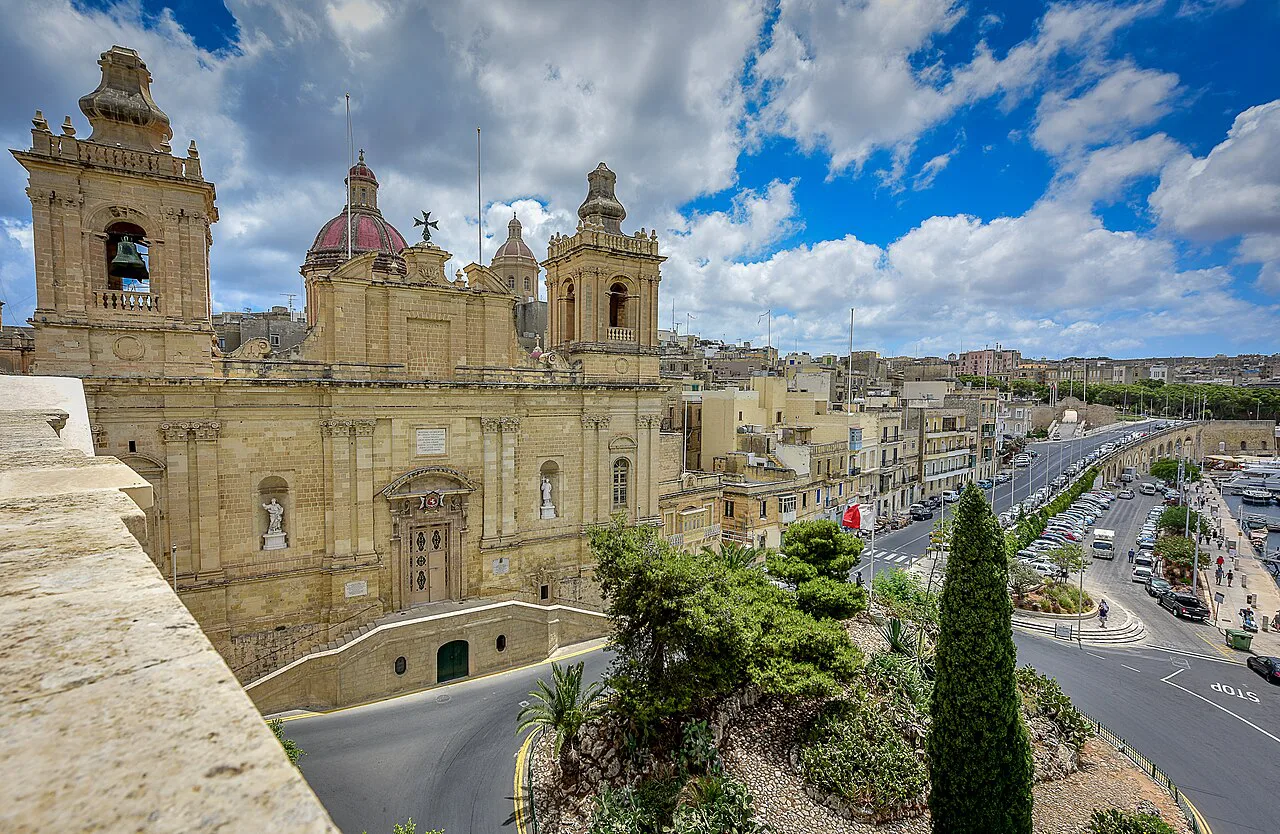
Orientate yourself on two lines. The waterfront runs along the marina below the fortifications, lined with dining terraces and yachts under the gaze of Fort St Angelo, while the Collachio lanes climb inland behind it through narrow, winding streets that have survived sieges and bombing. Between the two sits Vittoriosa Square, Misraħ ir-Rebħa, the noisy hub of Birgu where locals gather and cafés spill onto the paving.
For the Collachio proper, look for the old lanes rather than the seafront promenade: these are the streets that have witnessed history and survived to tell the tale. The quarter packs medieval, Renaissance and Baroque layers into a small area, with domestic architecture that shaped Malta's own building style.
Navigation is straightforward once you accept that the lanes double back. Pick a landmark at each end, the fort at the tip and the square near the middle, and wander between them rather than trying to walk a fixed circuit.
Auberges in the Collachio: France, England, Italy and Aragon
The knights built their auberges inside this quarter, and several survive in recognisable form. The Auberge of France and the Auberge of England are both described as still intact, and the Auberge of Castille and Portugal, the Auberge of Italy and the Auberge of Auvergne and Provence are recorded among the buildings of the area, with a separate Berġa ta' Aragona listed nearby. Look for them as you walk the lanes rather than expecting a single signed trail, since many sit among homes.
The pleasure of the auberges is their reticence. A carved coat of arms above a door may be the only signal that you are passing a building of consequence, so keep your eyes at first-floor level as you go.
Fort St Angelo at the tip of the peninsula
Fort St Angelo commands the point of the Birgu peninsula, watching over the Grand Harbour and the marina below. It came through the Great Siege of 1565 and the bombing of 1942, and it has been restored and reopened to the public with information presented in several media, making it the anchor sight of the Collachio end of town. Allow the fort a proper block of time rather than squeezing it into a lunch break.
From the fortifications the view back over the Collachio roofs and the harbour is the reward for the climb. Check the fort's current opening arrangements and ticket prices at the site or through the heritage operator before you set out, as they change with the season.
Inquisitor's Palace on Triq il-Palazz ta' L-Isqof
The Inquisitor's Palace on Triq il-Palazz ta' L-Isqof served as the seat of the Maltese Inquisition from 1574 to 1798 and now houses the National Museum of Ethnography, with exhibits on the Inquisition. It is one of the few surviving palaces of its kind, and the tribunal room and 16th-century prison graffiti are the details to seek out inside.
It sits a minute or two from the heart of the Collachio, so it slots easily into a lane-by-lane walk. Confirm opening days and admission at the museum before travelling, since heritage sites on the islands vary their hours through the year.
Malta at War Museum by the Couvre Porte
The Malta at War Museum occupies an 18th-century army barracks at Couvre Porte, with a rock-cut air raid shelter beneath it and collections of uniforms, medals, weaponry and memorabilia. It is a four-minute walk from the Collachio lanes, which makes it an easy addition rather than a separate excursion.
The shelter is the part that stays with people, giving a sense of what the harbour endured in the 1940s. Hours and admission are published by the museum itself; check before you build a day around it.
Maritime Museum on the Birgu waterfront
The Maritime Museum is housed in the former Royal Naval Bakery, a building put up in the 1840s to supply the British Mediterranean Fleet, and its displays trace the island's seafaring past. Because it sits on the waterfront rather than in the lanes, it pairs naturally with a walk down from the Collachio.
The waterfront itself was once a busy naval dockyard and now holds yachts beneath the fort, a shift that tells you much about how Birgu has changed since the late 1990s. The Maritime Museum has been recorded as closed for maintenance and should not be counted on until its reopening is confirmed locally.
Other named corners: the Norman House, St Joseph's Oratory and the markets
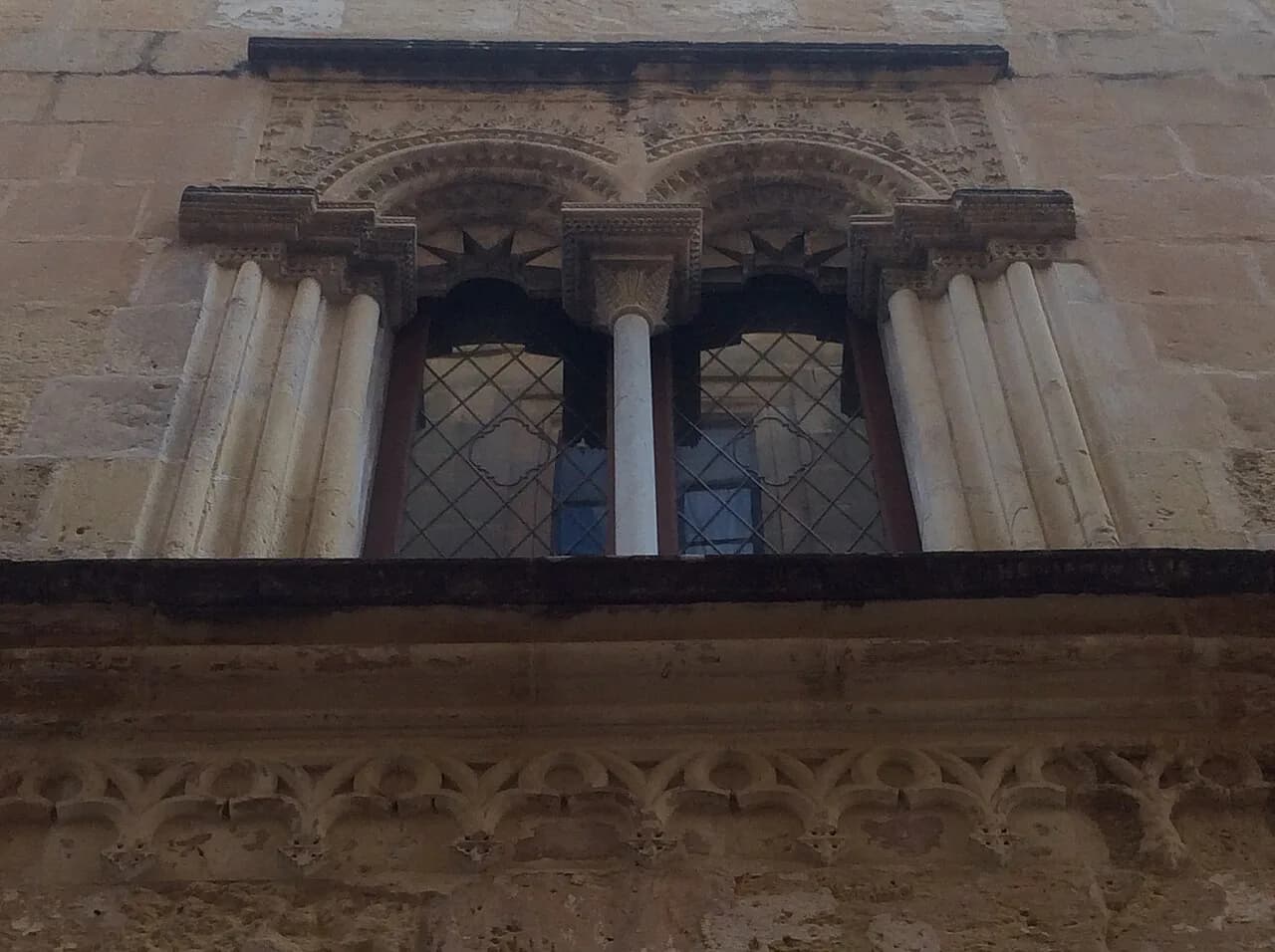
Smaller sights fill the gaps between the big ones. The Norman House is a private 13th-century house with a 15th-century Norman window, restored by its owner and open only at times; St Joseph's Oratory beside St Lawrence Church holds a quirky museum open on weekday mornings, with exhibits including La Valette's sword and hat and a set of 1609 playing cards; and the market outside the walls at Fortini runs on Saturday, Sunday and Tuesday mornings.
Neither the Norman House nor the Oratory can be relied on at any given hour, so treat them as bonuses rather than fixtures of your plan. If one of them matters to you, ask at the door or check locally the day before.

Where to eat and drink in and around the Collachio
Eating splits between the lanes and the waterfront. On Vittoriosa Square, cafés spread out onto the paving for morning coffee and people-watching. Down on the marina, the waterfront has restaurants and cafés, and Birgu's shift towards waterfront dining since the late 1990s makes this the natural choice for an evening meal with views over the Grand Harbour.
Menus vary from one place to another, so look at the boards on the square before committing, and compare them with the marina side if you are watching the budget. The setting is the main difference rather than the cooking.
Practicalities: when to walk the Collachio
Birgu's shift from neglected naval hub to a sophisticated enclave of boutique hotels and waterfront dining in the late 1990s is part of what makes the Collachio a rewarding afternoon today. The lanes, harbour views and the fort on the doorstep, with Valletta a short crossing away, make it easy to combine with the capital.
The trade-off is quiet. Vittoriosa appeals to those interested in history, cafés, restaurants and the local way of life rather than nightlife, and the lanes empty early. If you need a late bar on the doorstep, base yourself elsewhere and visit.
Who the Collachio suits and who it does not
The Collachio suits anyone who wants a dense, walkable historic quarter without Valletta's crowds, and it works well as a base for a few days because the ferry puts the capital minutes away. It is less suitable if steep, uneven lanes and long stretches on foot are a problem, or if you want a resort-style waterfront with organised activities.
Neighbouring areas give you options. Senglea (Isla), Malta is the next peninsula round and another quiet place to walk, and Kalkara: A Visitor's Guide to the Quiet Village Off the Grand Harbour lies further round the coast for anyone extending the trip.
How long to allow and when to walk it
Give the Collachio two to three hours on foot for the lanes, the square and the auberges, then add time for whichever sight you choose. Fort St Angelo, the Inquisitor's Palace, the Malta at War Museum and the Maritime Museum each take a further chunk, so a full day is realistic if you want two of them.
Timing matters more than you might expect. The limestone turns honey-gold at twilight and the waterfront is at its best then, but midday heat in the open squares is punishing, so walk the shaded lanes in the morning and leave the fortifications and the marina for later. BirguFest in October brings a weekend of events and a Saturday evening lit by candles, which transforms the atmosphere but also draws crowds, and the dates change each year, so check before you plan around it.
Should you walk the Collachio or head straight for the fort?
Walk the lanes first and let the fort come last. Starting at Vittoriosa Square, weaving through the Collachio past the auberges and finishing on the waterfront or at Fort St Angelo puts the quarter in the right order and makes best use of the evening light on the limestone.
If you have only a morning, take the ferry from Valletta, walk the Collachio and the square, and leave the museums for another visit. For the wider context of the peninsula and its neighbours, Birgu Attractions: 10 Visitor Guides covers the sights individually.
Frequently Asked Questions
Is Birgu one of the Three Cities?
Yes. Birgu, also called Vittoriosa, is one of the Three Cities grouped around the Grand Harbour, alongside Senglea (L-Isla) and Cospicua (Bormla). The Collachio is the historic core within Birgu itself.
What is on in Birgu?
BirguFest takes over Vittoriosa for a weekend in October, with events across town and a Saturday evening when the streets are lit by candles. The organisers publish the programme and dates each year, so confirm them before booking around it.