
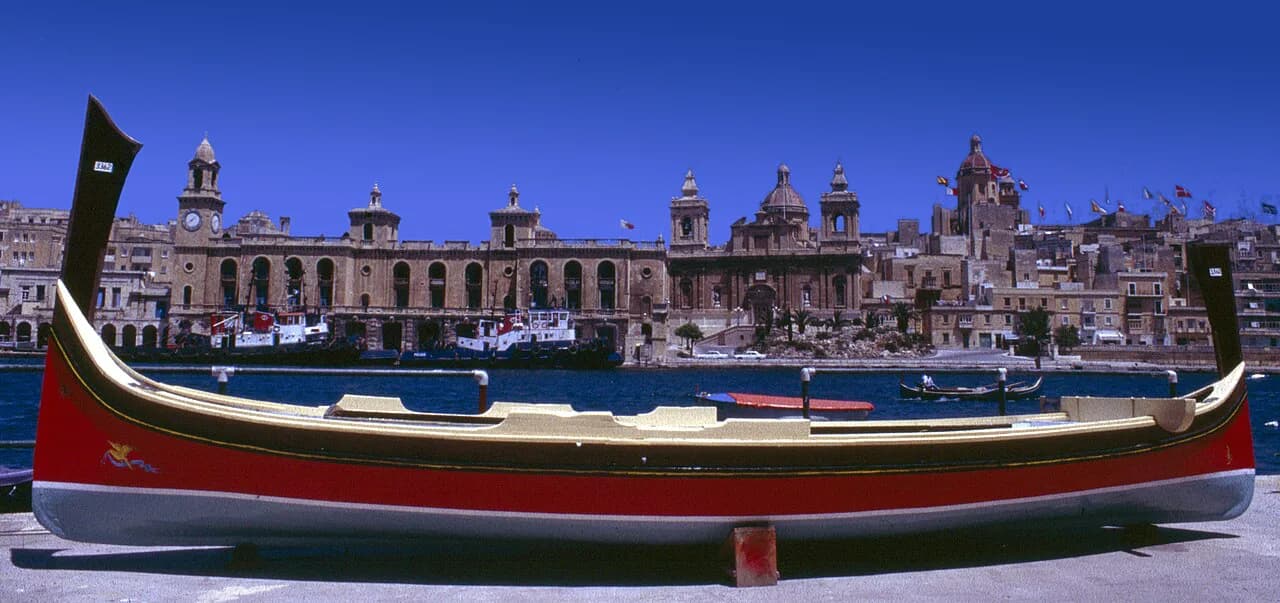
Cospicua (Bormla): Malta's Third City on the Grand Harbour

Cospicua (Bormla) is the practical way into Malta's Three Cities: a fortified harbour city that joins Vittoriosa (Birgu) and Senglea (L-Isla) behind the Cottonera Lines, with Saint Helen's Gate and the Santa Margherita Lines giving it a defensive circuit you can walk. It suits travellers who want ramparts, churches and dockyard history rather than beaches or nightlife, and a half-day plus a meal is a sensible allowance. This guide covers the gates and lines, the churches, Bir Mula Heritage, the waterfront path to its two neighbours, and how to arrive by ferry or bus.
Where Cospicua sits in the Three Cities
Cospicua lies between Vittoriosa and Senglea on the Grand Harbour, so the Three Cities read as one fortified block rather than three separate stops. It is the largest of the fortified Three Cities, a description that rests on its landward spread rather than on a harbour peninsula like its neighbours. Treat it as the hinge of a Three Cities day: arrive here, walk out to Senglea's Gardjola Gardens and on to Vittoriosa's waterfront.
The double ring of walls is what makes the geography legible. The Santa Margherita Lines form the inner circuit, with Saint Helen's Gate at the northern end, while the much longer Cottonera Lines wrap all Three Cities as an outer barrier. If you only have an hour, follow the wall line rather than the street grid: the gates, triangular bastions and elevated walkways give the clearest picture of how the city was meant to defend the harbour.
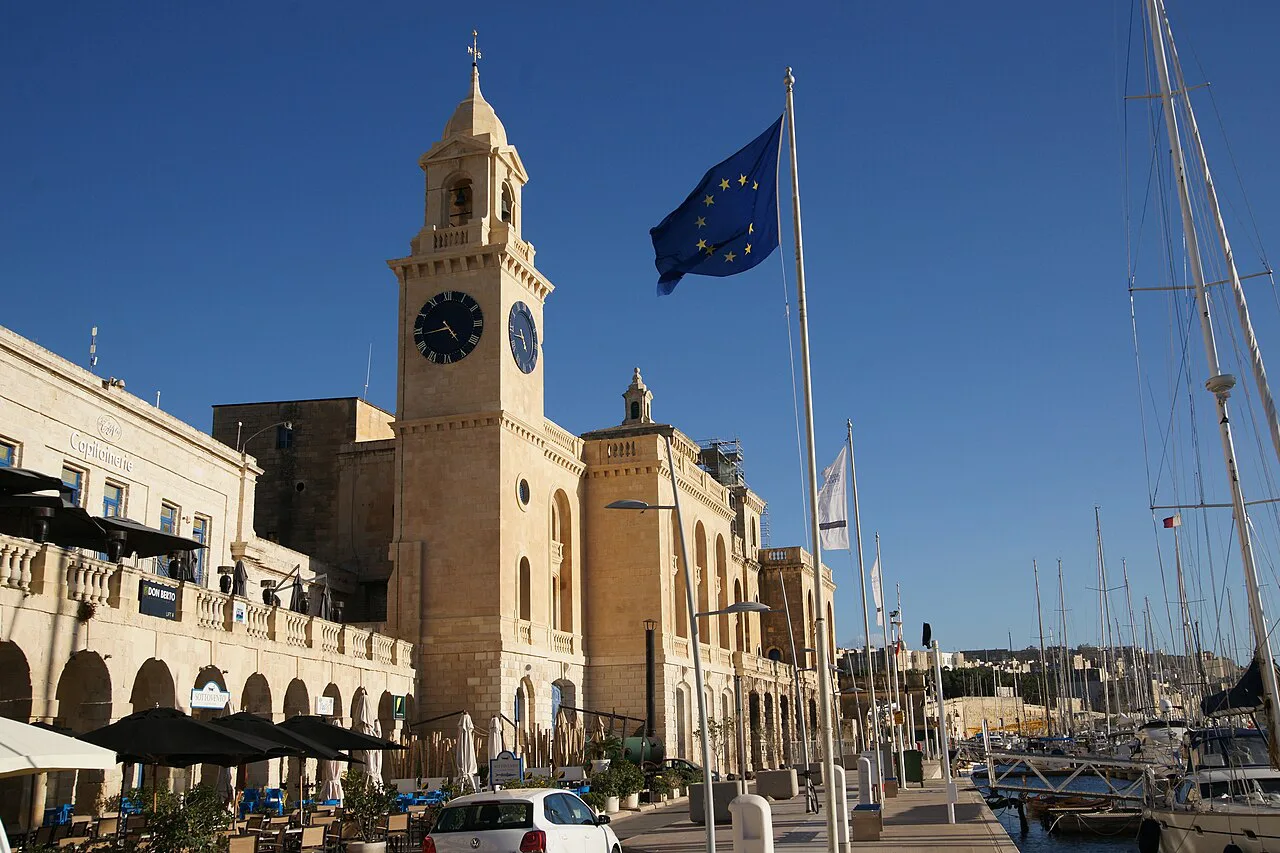

Who Cospicua suits, and who should look elsewhere
Cospicua rewards travellers who like fortifications, church interiors and reconstructed streets, and who are happy to cover a compact city on foot over cobblestones. It is a poor fit for anyone chasing a beach base or an evening scene; those needs are better served elsewhere on the island. The city's own draw is heritage and harbour views, and the walk between the Three Cities is the main event rather than a single ticketed sight.
If you want one base for the whole Cottonera area, Cospicua works because both neighbours are within walking distance along the waterfront. Vittoriosa carries the heavier visitor infrastructure and the Inquisitor's Palace, while Cospicua is quieter and more residential. Read the area guides alongside this one before you commit to a base.
The fortifications: Saint Helen's Gate, the Santa Margherita Lines and the Cottonera Lines
Start at Saint Helen's Gate, the baroque arch at the northern end of the Santa Margherita Lines, where Grandmaster António Manoel de Vilhena's coat of arms still sits above the opening. From there the Santa Margherita Lines run south as the inner defensive ring built by the Knights of St John. Walking the line takes you past old gunpowder rooms and bastions rather than a formal visitor trail, so wear shoes that cope with uneven stone.
The Cottonera Lines are the outer circuit: a long, thick secondary barrier that encircles Vittoriosa, Senglea and Cospicua together. They are best read as landscape rather than a monument, since you meet them as walls, ditches and gateways on the edge of the built-up area. Fort Verdala and the Santa Margherita Windmill sit in this outer belt and are worth the detour if you are photographing in low morning light.
Churches and local life
The Parish Church of the Immaculate Conception rises above the city with a neoclassical dome and marble altars, rebuilt after the wartime damage that levelled much of Cospicua. Inside, a carved statue of the Virgin Mary is carried through the streets for the December 8th feast, an event local crowds mark with fireworks and brass bands. Dress as you would for any Maltese church: shoulders and knees covered, and a quiet voice inside.
Two smaller stops round out the church circuit. The Oratory of the Crucifix holds paintings of biblical scenes, and the 16th-century Lodge was once used by the Knights for meetings. St Margaret's chapel keeps pockmarked walls from the World War II bombs, a reminder that the streets around you were largely reconstructed.
Good Friday brings life-sized statues of the Last Supper and the Resurrection through lamplit alleyways, and spring adds solemn processions with biblical tableaux. These are living local observances rather than staged attractions, so check with the parish before planning a trip around them.
Bir Mula Heritage and the wartime-reconstruction story
Bir Mula Heritage occupies a 17th-century building and covers local crafts, the city's wartime recovery and reconstructed Maltese homes, which makes it the best single introduction to how Cospicua rebuilt itself. A memorial near the parish church honours the residents who reconstructed the city after the war. Pair the museum with a slow look at the townhouses near the docks, where British-influenced shutters and iron balconies survive the rebuilding.
Walking between the Three Cities
The waterfront path is the reason to stay on foot: roughly 2.5 kilometres of harbour edge links Cospicua to Senglea's Gardjola Gardens and on to Vittoriosa's Inquisitor's Palace. A shared ticket is advertised for several sites across the Three Cities, including Vittoriosa's Maritime Museum and Senglea's Safe Haven Gardens, so check which sites it covers before you plan the walk around them. Allow a morning for the full circuit and keep the return leg simple.
Beyond the Three Cities, Kalkara sits further round the Grand Harbour as a quieter village with its own waterfront outlook, useful if you want a second short outing without crossing to Valletta. It is a natural add-on for anyone already walking the Cottonera edge.
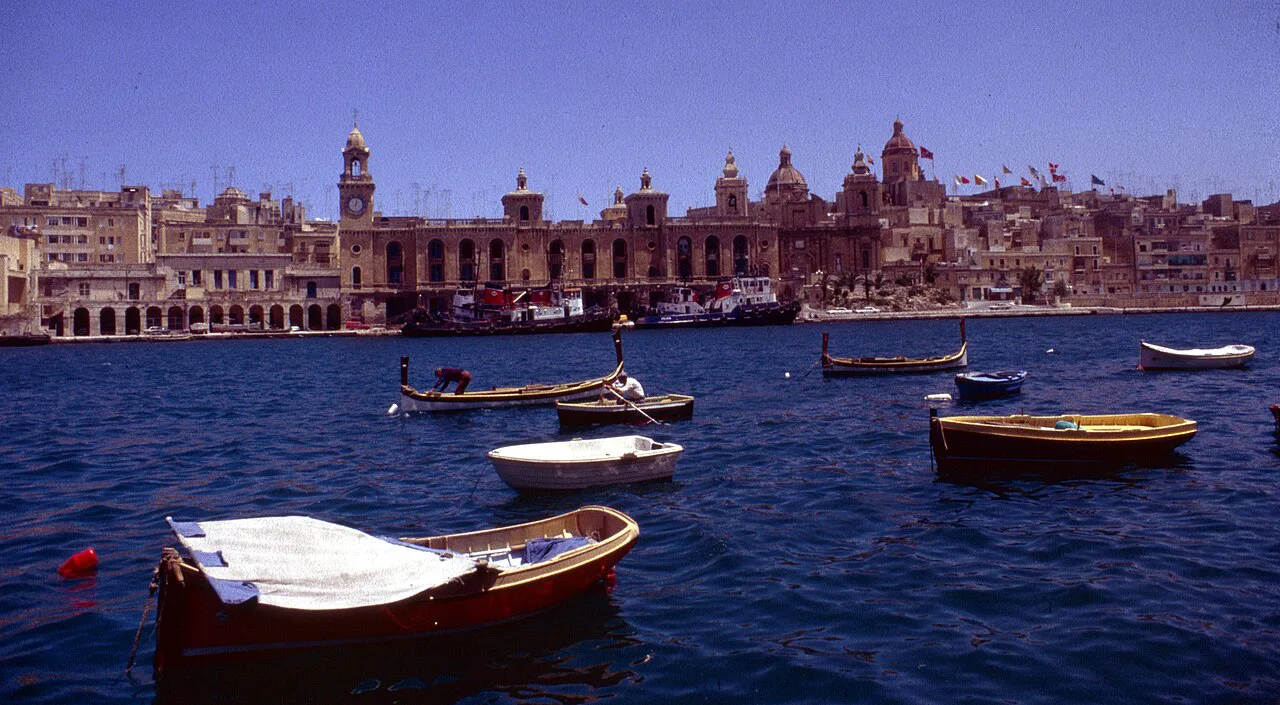

Getting to Cospicua
A ferry crosses from Valletta in about ten minutes, giving harbour views on the way in and putting you within walking distance of the Three Cities. The crossing is the most scenic approach and saves the road journey round the harbours; check the current landing point and timetable before you travel.
Bus route 121 connects Cospicua with Malta International Airport, roughly 6 kilometres to the south-west, so the city is reachable from arrivals without changing in Valletta. Frequency and last departures change with the season, so confirm the current timetable with Malta Public Transport before you rely on a late service.
Where to eat and stay in Cospicua
Eating options are small-scale and local. Il-Hnejja near the dockyard serves rabbit stew and ftira bread, and is the reliable choice when much else is shut. Many eateries close on Sundays, which catches day-trippers who arrive expecting a full choice of lunch.
For sleeping inside the walls, Julesy's BNB occupies an 18th-century townhouse with original tiles and Maltese wines served in its cellar, while Casa Birmula has a rooftop pool looking over the harbour and the Cottonera Lines. Boco Boutique sets bright colour against stone walls, and rooms in the area fill during festivals despite new openings. Book early if your dates coincide with a feast.
Practical points for a comfortable visit
The city is small enough to walk, but the cobblestones are uneven, so sturdy shoes matter more than distance. Typical daytime averages in the area run from around 15°C in January to 31°C in August, which puts midsummer midday firmly in the shade-and-water camp.
March to June gives the most comfortable conditions for wall-walking and church-visiting, before the summer heat settles in. Free walking tours are advertised from St Margaret Square, covering lesser-known corners such as the Ghajn Dwieli tombs. Check opening days before you build a Sunday around a specific restaurant.
Should Cospicua be your Three Cities base?
Choose Cospicua if you want ramparts, church interiors and a walkable link to Vittoriosa and Senglea, and you are content with a quiet, residential base and simple local food. Look to Vittoriosa instead if you want the heavier sight-and-dining cluster on your doorstep, or to Valletta if you want to commute in by ferry each day.
Explore more Birgu guides
Frequently Asked Questions
Can you walk between the Three Cities in Malta?
Yes. A waterfront path of about 2.5 kilometres links Cospicua with Senglea's Gardjola Gardens and Vittoriosa's Inquisitor's Palace. A shared ticket is advertised for several sites across the Three Cities, so check which sites it covers before you plan the walk around them. Wear sturdy shoes, because the route mixes paving with uneven stone.
What is Cospicua known for?
Its fortifications and its role as the landward link between Vittoriosa and Senglea. Saint Helen's Gate and the Santa Margherita Lines form the inner circuit, the Cottonera Lines wrap all Three Cities, and the Parish Church of the Immaculate Conception anchors the centre.
How do you reach Cospicua from Valletta or the airport?
A ferry crosses from Valletta in about ten minutes and lands you within walking distance of the Three Cities. Bus route 121 connects the city with Malta International Airport, about 6 kilometres to the south-west; confirm current times with Malta Public Transport before travelling.