
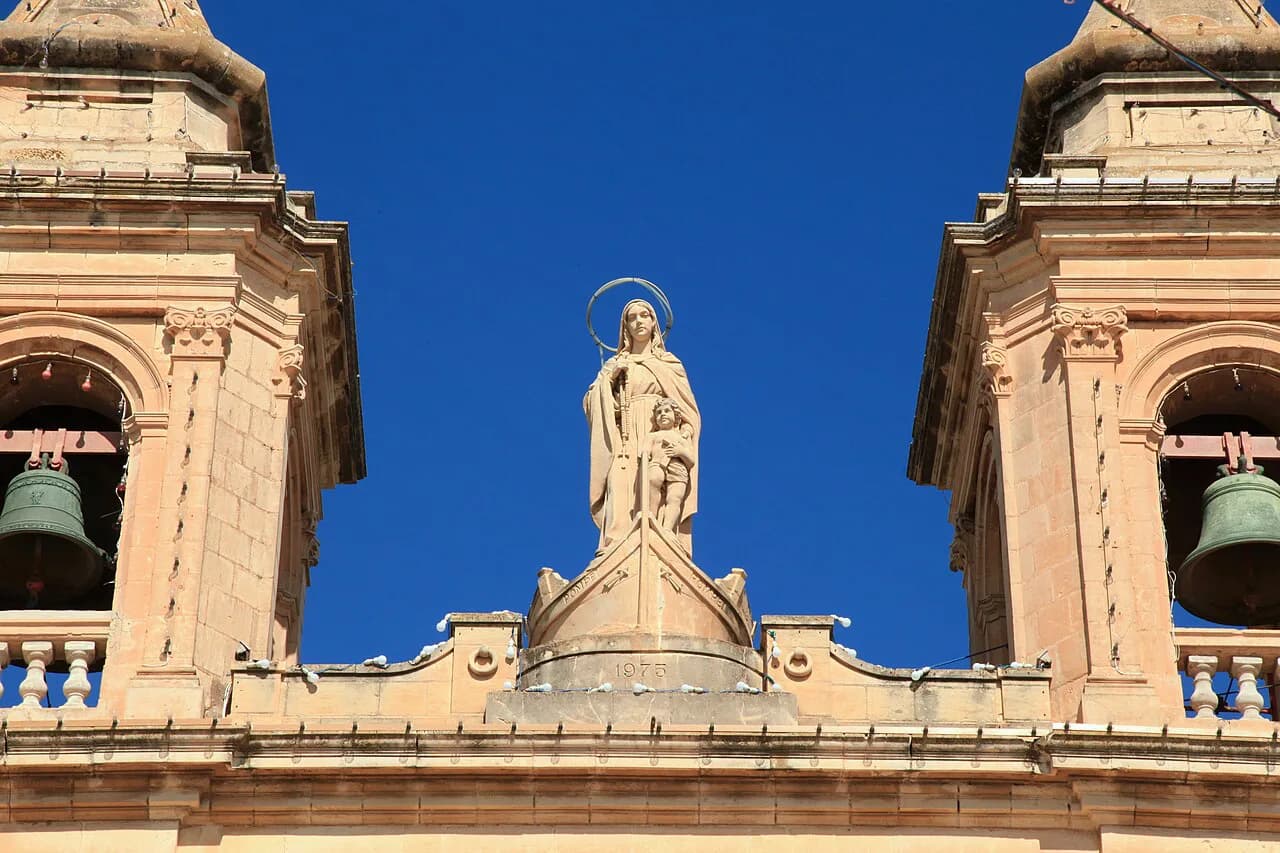
Żejtun: Malta's Old South-East Town and What to See There

Żejtun is a working south-eastern Maltese town, once styled Città Beland, best seen on foot in half a day for its baroque parish church, its two old cores of narrow lanes and a scatter of chapels, gardens and villas. Plan it as a local town stop rather than a beach day: the sea is at Marsascala and Marsaxlokk, not here. This guide covers what to look for, how the town is laid out, how to arrive and how long to allow.
The town sits in Malta's south-east, ringed by Ħaż-Żabbar, Ħal Tarxien, Ħal Għaxaq, Marsaxlokk and Wied il-Għajn, several of which formed part of iż-Żejtun more than 350 years ago. The Bulebel industrial park lies on its outskirts, so the approach is not scenic; the reward is the centre.
Where Żejtun sits and how it is laid out
Żejtun lies between three old harbours: Marsa to the north, and Marsaxlokk and Marsascala to the south. That position explains why the town grew as a place of orchards and olive oil rather than a coastal village, and it makes Żejtun a natural stop if you are already touring the south-east.
The historic centre is not one piece. Bisqallin and Ħal Bisbut are the two old urban cores, and both keep tight medieval alleyways and old boundaries, with the wider town growing around them. Walk between the two rather than treating the parish church square as the whole of Żejtun.
For orientation, use the present parish church as your fixed point and the slopes below it as your second. The old parish church of St Gregory and the gardens beside it sit away from the present parish church, so the town reads as layers rather than a single set piece.
If you want to compare Żejtun with the coast and the villages around it, the Marsaxlokk Neighbourhoods: 5 Area Guides are a sensible place to start planning; this page stays inside the town itself.
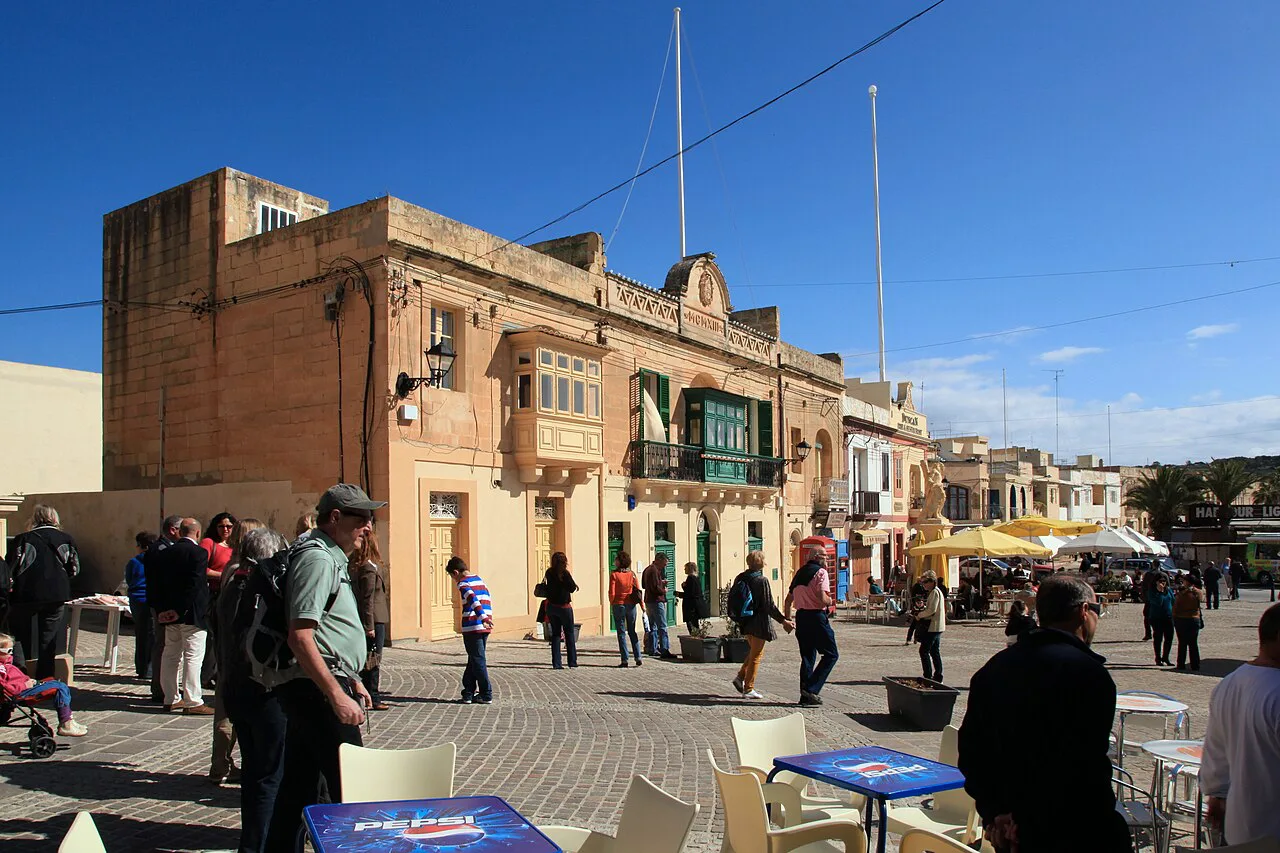

Getting there and getting around
Buses connect Żejtun with Valletta, and the town's south Malta position means a car is genuinely useful if you want to combine it with Marsascala or Marsaxlokk in one day. Once in the centre, everything described here is on foot.
Treat the town as a place to park once and walk. The lanes of Bisqallin and Ħal Bisbut are narrow and not designed for touring by car, and the main sights cluster within a short radius of the parish church.
Ħal Għaxaq lies close by and makes an easy second stop if you are stringing villages together in a day; its own guide covers what to see there.
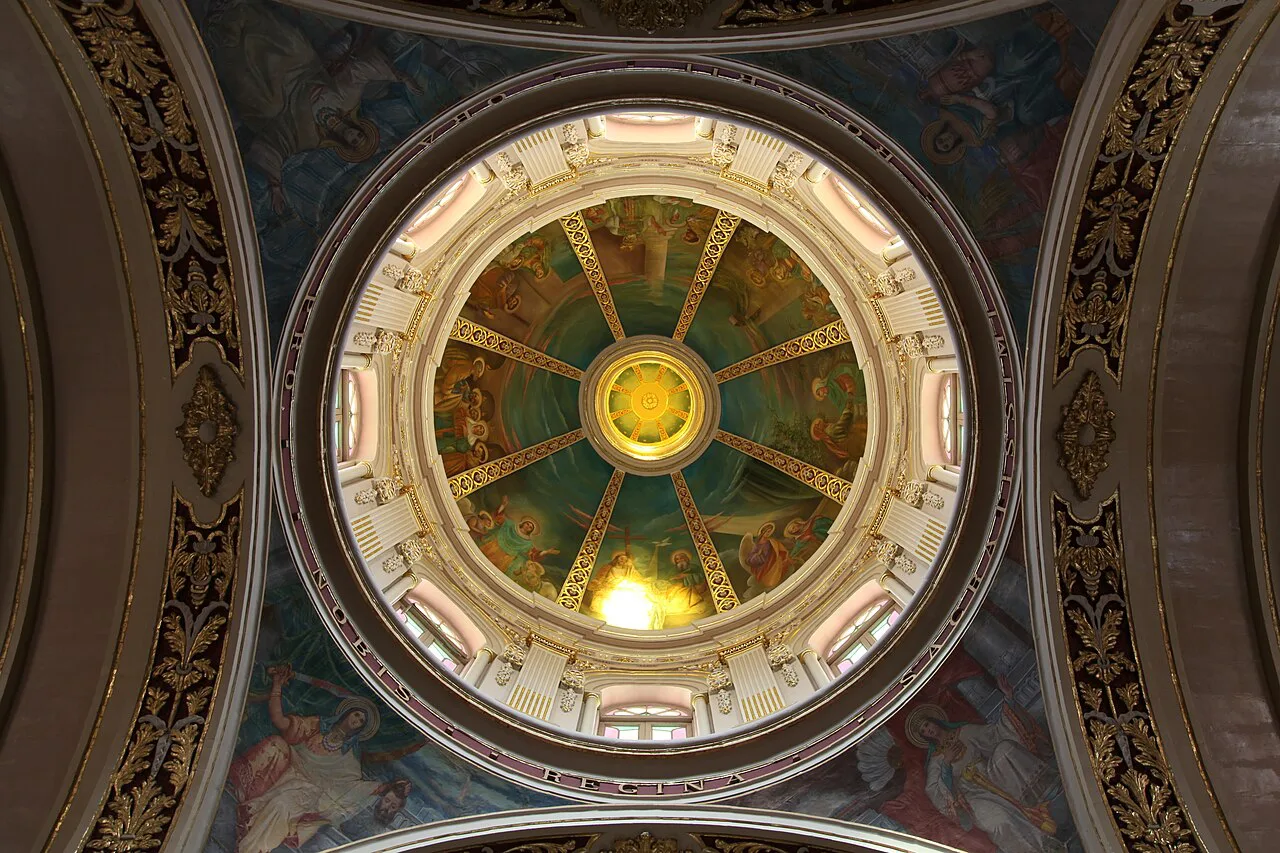

St Catherine's Parish Church and its museum
St Catherine's Parish Church is the centrepiece, dedicated to St Catherine of Alexandria and built in a baroque style that repays a slow look at the facade and the interior. The parish is one of the oldest on the islands, with documents reaching back to 1436, which gives the building a weight beyond its ornament.
Allow time for the church museum as well as the church itself. Published opening arrangements are not something to rely on from memory, so confirm locally before you build the day around it.
The older church of St Gregory predates the present parish church and stands with a garden beside it; together they make the second half of a church-focused walk. Around the dome of the old parish church there is a U-shaped passage built into the thick walls.
The old alleyways of Bisqallin and Ħal Bisbut
Bisqallin, known locally as Ir-Raħal t'Isfel or the Lower Village, is one of the oldest parts of Żejtun and the better half for aimless walking. The Xejba area within it is defined by narrow straight streets, chiefly Triq Xejba and Triq San Ċirillu.
Walk these streets for the fabric of the town rather than for a checklist: stone balconies, chapels wedged between houses and street lines that predate the car. The pleasure is in the small scale, so give the lanes half an hour rather than hustling through.
Wear shoes you can walk in and go early or late; the lanes offer little shade at midday and there are few formal stopping points. If you have come for the coast, keep in mind that the nearest swimming is at Marsascala and Marsaxlokk, not in Żejtun.
Chapels worth a stop
Beyond the parish church, Żejtun holds a dense set of chapels. St Mary of Tal-Ħlas Church stands on the site of an earlier church dedicated to Our Lady that was dismantled in 1618, and St Mary of Ħal Tmin is a small wayside chapel built in 1597.
Christ Saviour Chapel served the hamlet of Bisqallin as its main church in the past, which makes it a useful marker when you are working out the shape of the lower village. Our Lady of Mercy Church, in the Bir id-Deheb zone, anchors devotion to Our Lady of Sorrows in the town.
These are working places of worship rather than attractions, so dress respectfully and keep quiet if a service is under way. Opening times vary and are not something to plan around without checking.
St Gregory's Gardens and Luqa Briffa Garden
Ġnien l-Għannejja Żwieten, commonly called St Gregory's Gardens, was built in the early 1970s and is a large green space in the town. It is the obvious place to sit after the church and lanes.
Luqa Briffa Garden, known as Tal-Kmand, lies to the south of St Gregory's. The two together make a short green circuit that breaks up a morning of stone and streets.
Villa Cagliares and Villa Arrigo
Villa Cagliares is known to villagers as it-Tempju, the temple, and sits at the lowest part of Żejtun near the valley. It is an exterior stop rather than a visit, best folded into a walk through the lower streets.
Cassamento 77, known locally as Villa Arrigo, is one of the largest houses in Żejtun. Both are private buildings, so admire the facades and gates from the street and do not expect to go in.
The Żejtun Roman Villa
The Żejtun Roman Villa was found during construction of the new girls' secondary school in 1961, when the remains of a Roman countryside villa came to light. Excavations on the southern side of the town revealed tiling and coloured stucco, evidence of the area's olive oil trade.
This is archaeology in a modern town rather than a reconstructed site with a visitor trail, so set expectations accordingly and check before travelling specifically for it. If Roman Malta is your interest, build the day around the south-east more broadly.
What Żejtun suits, and what it does not
Żejtun suits travellers who have seen Valletta and Mdina and want an ordinary Maltese town with a strong community character, a baroque church and lanes to wander. It is traditional, authentic and local in feel.
It does not suit anyone expecting a resort base, a seafront or a busy evening scene. There is no beach in Żejtun, and the industrial edge at Bulebel is part of the approach.
If you want the coast within easy reach, look at the villages south of here; Żurrieq is a good base for the southern cliffs and the Blue Grotto, and is a different sort of day out from Żejtun's town centre.
Staying and eating around Żejtun
Żejtun is a residential town rather than a hotel base, so most visitors stay elsewhere in the south-east and come in for a half day. The area guide is written around living and renting rather than visitor accommodation.
For eating, plan around the town's everyday places rather than destination dining, and check the day's offerings locally. If a proper meal and a harbour view matter, the coast at Marsascala and Marsaxlokk is a short drive and covers it.
Birżebbuġa sits on the same southern stretch and works as an alternative base if you want sea air and easy road links into the south-east.
How long to allow, and when to go
Give Żejtun half a day: the parish church and museum, the lanes of Bisqallin and the old core of Ħal Bisbut, both gardens and an exterior look at the two villas. That pace leaves room to sit in St Gregory's Gardens rather than rush.
The Feast of St Catherine is held around the third Sunday in June, with processions, band marches and fireworks, and the streets decorated with banners and floats. That is the loud, full version of the town; if you want calm lanes, plan around it rather than into it.
The town has a wider identity too, with a name drawn from the Sicilian Arabic word for olive and a rural belt of former orchards, which is why the area still reads as agricultural at its edges.
Is Żejtun worth a half day?
Yes, if you want a real Maltese town rather than a resort: a baroque parish church, two old cores of lanes, gardens to sit in and chapels to find, all walkable in a morning. It is not worth a dedicated trip if you are chasing sea views or an evening out.
Pair it with the coast at Marsascala or Marsaxlokk for lunch and you have a balanced south-east day. Confirm church and museum opening locally before you set out, and check whether feast-week crowds will affect your dates.
Explore more Marsaxlokk guides
Frequently Asked Questions
What is Żejtun known for?
Its baroque parish church dedicated to St Catherine of Alexandria, the old cores of Bisqallin and Ħal Bisbut with their medieval alleyways, and the annual Feast of St Catherine held around the third Sunday in June.
Does Żejtun have a beach?
No. Żejtun is an inland town, and the nearest coast is at Marsascala and Marsaxlokk, both a short drive south.
How do I get to Żejtun?
Buses run to Valletta, and a car is useful for combining Żejtun with the coast and nearby villages. Once in the centre, the sights are all on foot.
How long does Żejtun take to see?
Half a day covers the parish church and museum, the lanes of Bisqallin and Ħal Bisbut, the two gardens and the exteriors of the villas at an unhurried pace.