
Attard, Malta: A Practical Guide to the Village and Its Gardens

Attard suits travellers who want a calm, residential Maltese village with one strong anchor: the Sant'Anton Quarter, home to San Anton Palace and its botanic gardens. It is a poor fit for anyone chasing harbour views, beach time or late evenings, because the village is inland and largely built around local life. This guide covers the layout, the church core, where to eat and stay, and how to reach it from elsewhere on the island.
Attard is known in Maltese as Ħ'Attard and forms the Three Villages together with Balzan and Lija, sitting in the Central Region of Malta. It is a local council area of roughly seven square kilometres, which matters for planning: the distances inside the village are short and walkable.
What Attard is and who it suits
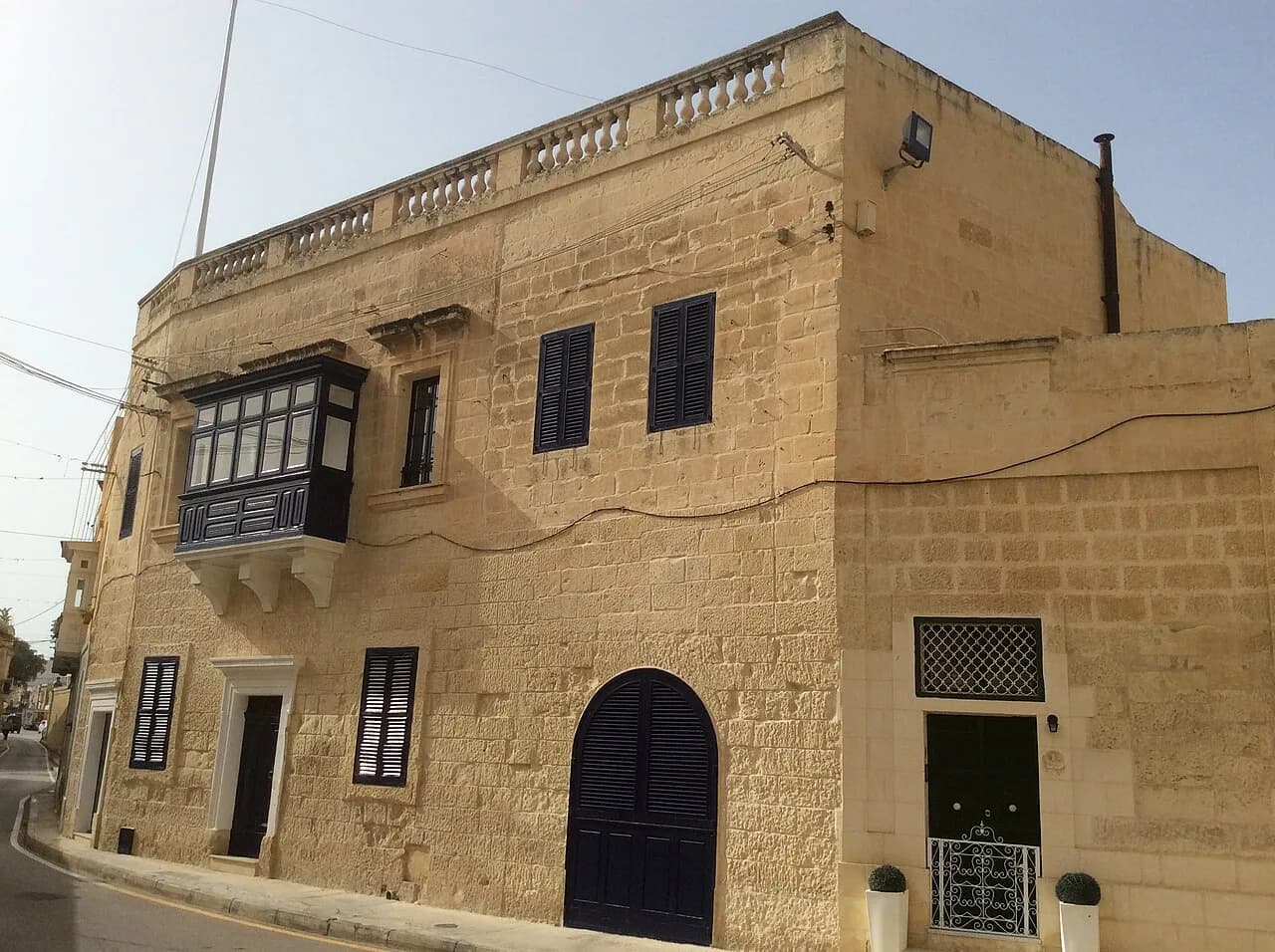
Attard is a residential town near the centre of Malta rather than a resort, and its character follows from that. The Sant'Anton Quarter on the southern side holds San Anton Palace, the official residence of the president of Malta, and the botanic gardens beside it. The church area and that quarter still contain converted farmhouses and residences from the Knights of St John era, which gives the older streets their texture.
Come here if you want gardens, a parish church and a slow half-day in a place where people live. Skip it if your priorities are swimming, nightlife or a dense schedule of ticketed attractions, since Attard is not organised around visitors. It works best as one stop on a central-Malta loop rather than a destination in its own right.
The town lies close to the middle of the island, with Valletta about 6.5 kilometres away and Mosta roughly 2.5 kilometres away. Malta International Airport is the natural arrival point for the island. Those distances make Attard easy to slot into a day that also covers the surrounding central villages.

How Attard is laid out
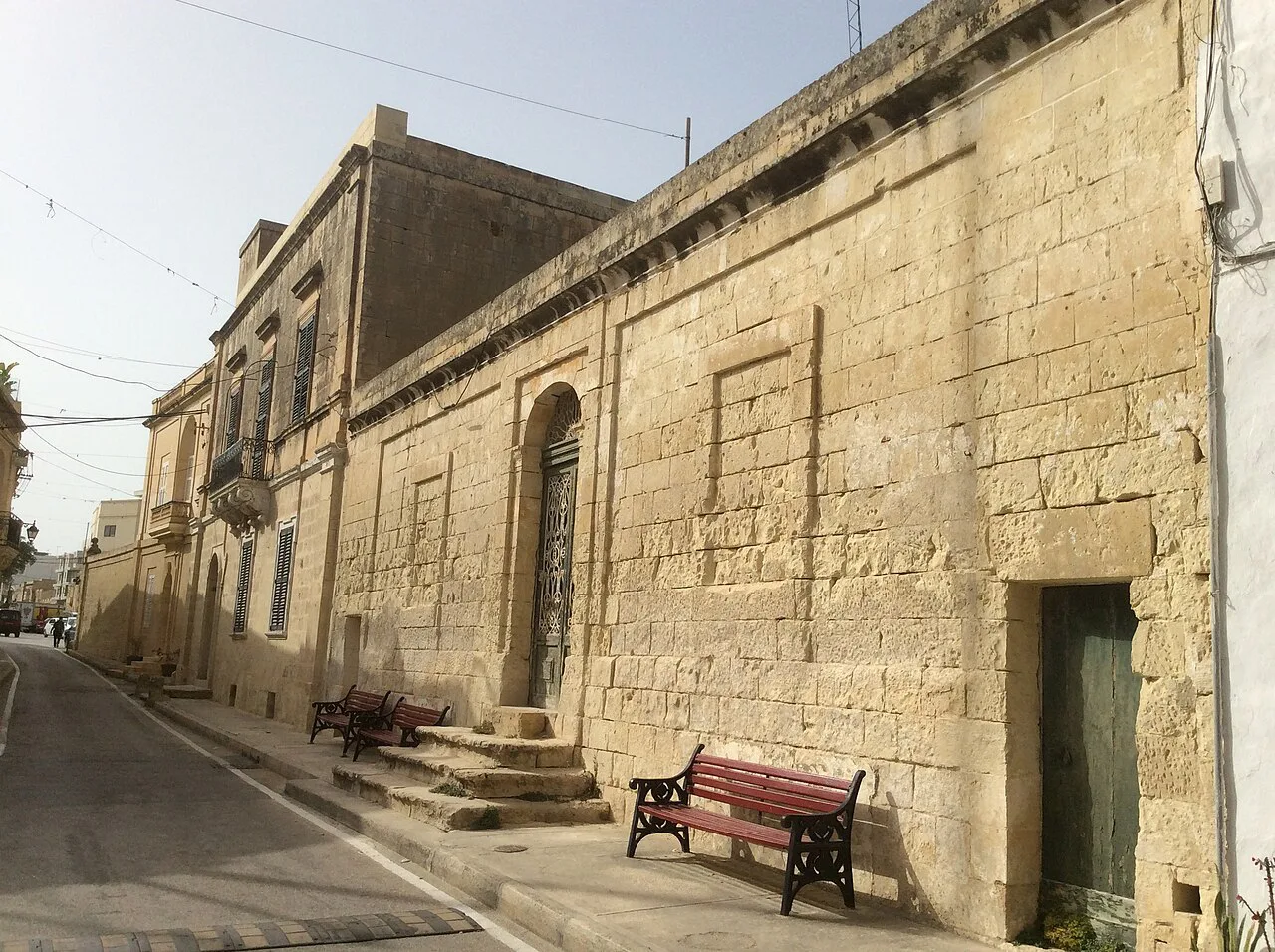
Think of Attard in two parts. The village centre clusters around the Parish Church of St. Mary and Triq il-Pitkalija, where commercial activity has grown to serve residents. The Sant'Anton Quarter sits to the south, separate enough that you should plan to walk between the two rather than expect one continuous sightseeing strip.
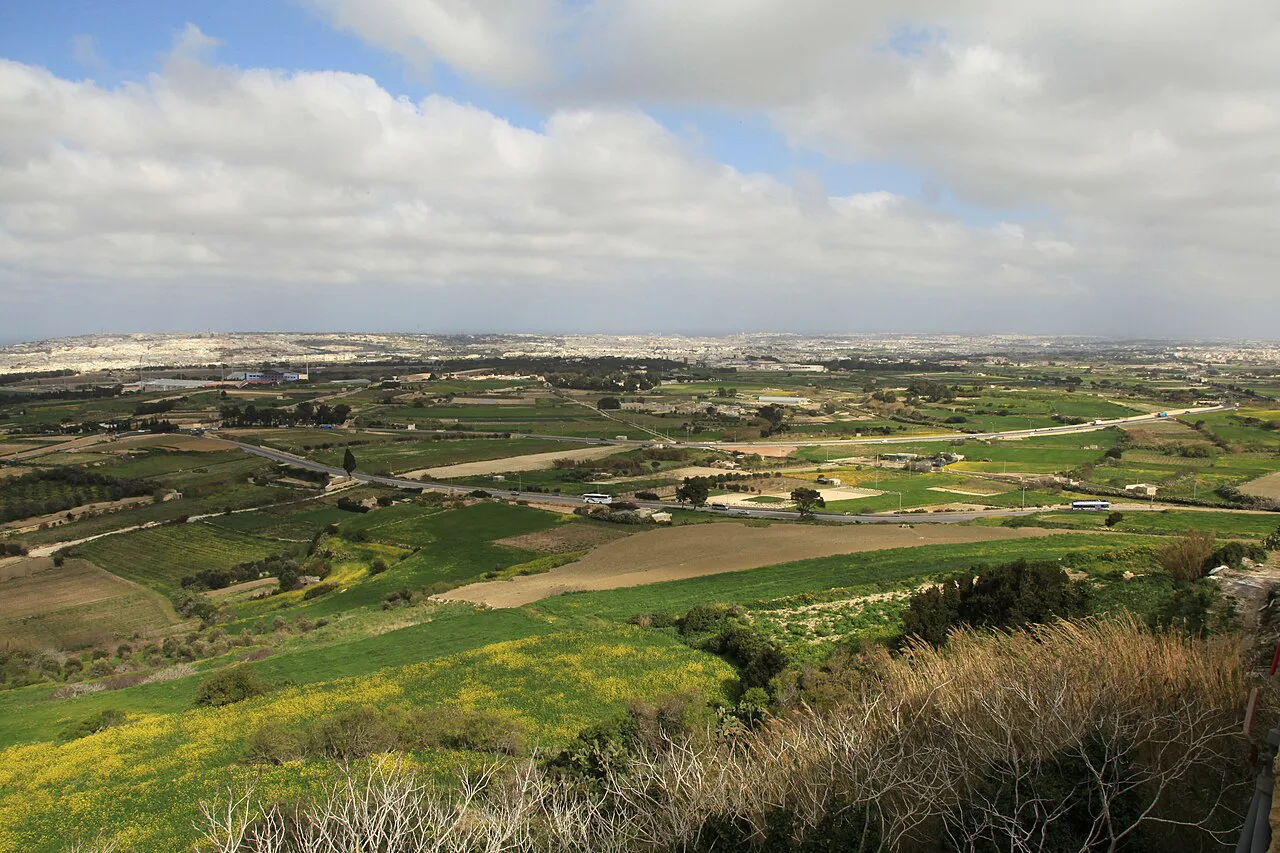
Beyond those two cores, the local geography includes Ta' Qali to the north, the Misraħ Kola estate, Tal-Idward, and valleys to the west and east, including Wied is-Sewda on the western side. Ta' Qali is a separate outing rather than part of a village walk. If you are navigating on foot, use the church and the Sant'Anton Quarter as your two fixed points and treat everything else as residential filler between them.

San Anton Palace and its botanic gardens
The Sant'Anton Quarter is the reason most visitors come, and San Anton Palace is its centrepiece. The palace serves as the president of Malta's official residence, so expect a working institutional site rather than a museum interior, with the adjoining botanic gardens providing the visitor experience. Build your morning or afternoon around the gardens and the surrounding lanes.
The gardens and palace sit south of the village centre, so approach from that side if you are arriving on foot from the church. Because the palace is an official residence, access arrangements can change, and the gardens are the part to confirm before you travel. Check current opening details and any access restrictions for the day you plan to visit.
The Parish Church of St. Mary and Tommaso Dingli
The Parish Church of St. Mary is a 17th-century building by Tommaso Dingli, an architect native to Attard who shaped much of the town's architecture. Look at the church as part of the village core rather than as a standalone monument: the surrounding streets hold the converted farmhouses that give the centre its character.
Attard became a parish in 1499, which explains why the church anchors the older settlement pattern. For a short visit, the church square and a walk along Triq il-Pitkalija cover the core in well under an hour.
Misraħ Kola and the north of the village
Misraħ Kola is the modern estate within Attard, and it reads as newer residential development rather than a sightseeing area. Ta' Qali lies to the north, and that is where a separate visit makes more sense than trying to fold it into a walk around the village core.
Attard also saw extensive construction around the village centre in the 1980s, so the built fabric is a mix of older Knights' era houses and later infill. Practically, this means the most rewarding streets for a visitor are the church area and the Sant'Anton Quarter, not the newer estates.
Village centre or Sant'Anton Quarter: which side for a short visit
With half a day, start at the Sant'Anton Quarter and its gardens, then walk north into the centre for the church and a coffee. That order puts the gardens in the cooler part of the morning and leaves the commercial streets for when you want a break. If you have only an hour, the gardens are the better single choice.
The converted farmhouses and Knights' era residences cluster in the church area and the Sant'Anton Quarter, so both halves reward slow walking. Neither is a ticketed circuit you rush through, and treating the village as a checklist will leave you disappointed.
Eating and drinking in Attard
Commercial activity has increased along Triq il-Pitkalija and around the village centre, catering mainly to residents. That gives you a small, practical choice of places for a coffee, lunch or shop stop rather than a restaurant strip aimed at visitors. Plan your meal stop here rather than expecting to graze your way through the village.
Restaurants in Attard change, so check menus and opening times on the day, especially outside the middle of the day, when a residential village can go quiet. A meal stop is best planned rather than improvised.
Where to stay in Attard and who it does not suit
Attard works as a quiet residential base within easy reach of the centre of the island. It does not suit travellers who want harbour or seaside evenings, since the village is inland and its evenings are local rather than visitor-oriented. If your days end with a waterfront meal, base yourself elsewhere and visit Attard by day.
Accommodation in Attard is limited and mostly small-scale. Compare options against Mosta and the surrounding central towns, which offer more choice while keeping similar access to the middle of the island. The Mosta Neighbourhoods: 7 Area Guides set out those alternatives.
Getting to Attard and getting around
Attard sits near the centre of Malta, which makes it straightforward to reach by road from Valletta, Mosta or the airport. The village is often paired with Balzan and Lija on foot or by short hops. Confirm routes and times locally on the day you travel.
Distances within the village are short, so walking covers the church core and the Sant'Anton Quarter comfortably. For neighbouring villages, plan your hops in advance, and treat a car or taxi as the simpler option for a multi-village day.
How long Attard needs, and combining it with Balzan and Lija
Allow about half a day for Attard: the gardens, the church core and a meal stop. That leaves room to add Balzan and Lija, which together with Attard form the Three Villages, on the same outing. A full day covering all three gives you a gentle pace rather than a rushed circuit.
Balzan and Lija are both quiet residential villages in the same central cluster, so the appeal is the change of scene rather than a list of sights. Pair Attard with Lija if you want another village core, and treat the whole loop as a walking and coffee day. Naxxar, Malta continues the same loop north-east and gives you a larger village centre to finish on.
Sunday in Attard and the Assumption of Mary
Sundays are lively in Attard, especially around the Assumption of Mary feast on 15 August, which is a national holiday. If you want a quiet garden visit, avoid that date and the surrounding feast period. If you want to see the village at its most active, time your visit around a Sunday.
Outside feast days, Sundays still bring residents into the centre, so expect busier streets around the church and Triq il-Pitkalija. Weekday mornings are the calmer choice for the Sant'Anton Quarter.
Practical points: church dress code and access
The Parish Church of St. Mary is an active place of worship, so dress respectfully when you visit: covered shoulders and knees are the sensible default in Maltese churches. Carry a light layer for shade and heat, and confirm church and garden access before you set out.
Attard has a Mediterranean climate with hot summers and milder winters, so mornings are usually the more comfortable time to walk between the church and the gardens. Check the forecast before you set out, rather than relying on a single reading.
Is Attard worth the detour?
Yes, if you want gardens, a church core and a genuinely residential Maltese village within easy reach of the centre of the island. No, if you want a base for harbour evenings or a dense ticketed itinerary. The Sant'Anton Quarter is the part that justifies the trip on its own.
Give it half a day, pair it with Lija and Balzan, and arrive in the morning for the gardens. For more on the surrounding area, branch out from the Mosta Neighbourhoods: 7 Area Guides if you want to build a wider central-Malta loop.
Explore more Mosta guides
Frequently Asked Questions
How do you get to Attard, Malta?
Attard sits close to the middle of Malta, with Valletta roughly 6.5 kilometres away and Mosta about 2.5 kilometres away. Buses serve the central island, but routes and times change, so confirm current services locally on the day you travel.
Is Attard worth visiting?
It is worth a half-day if you want the Sant'Anton Quarter, where San Anton Palace and its botanic gardens sit south of a small village centre. Skip it if you want beach time, nightlife or a dense schedule of ticketed attractions, because the village is residential and quiet.
What is there to see in Attard?
The main draws are San Anton Palace and its botanic gardens in the Sant'Anton Quarter, the Parish Church of St. Mary by Tommaso Dingli, and the older streets with converted farmhouses and Knights' era residences. Triq il-Pitkalija and the village centre hold the commercial activity.