
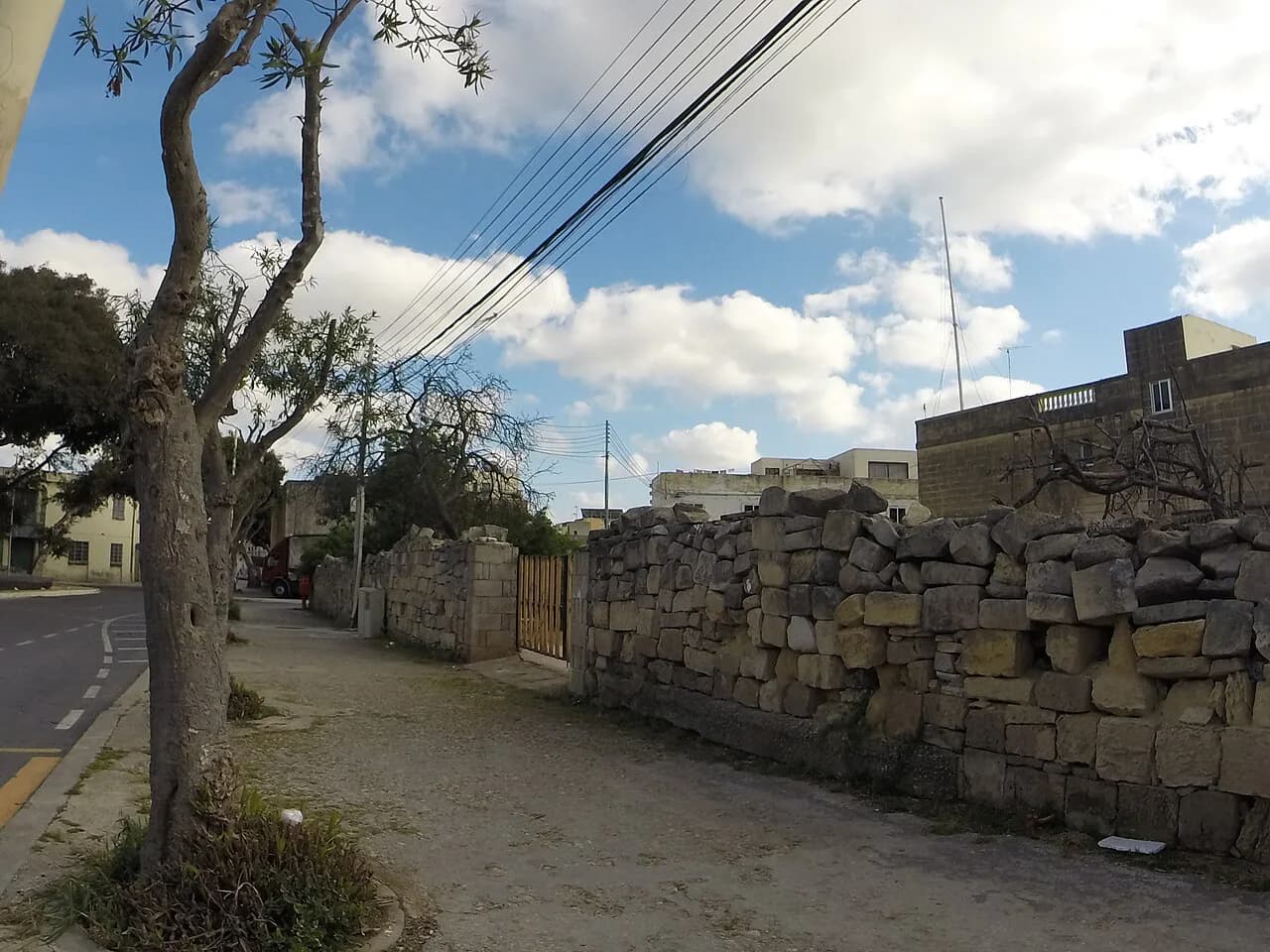
Balzan: Malta's Quiet Central Village

Balzan is a residential village in central Malta and not a sightseeing destination in its own right. Come for the Parish Church of the Annunciation and a wander through the old core, and treat it as one short stop spliced onto a morning among the central villages. The village had an estimated 5,070 residents at the end of 2024, which explains the lived-in, everyday feel.
This guide covers what the village is, what to look for at the church, who it suits, how to reach it and how long to allow. The Mosta Neighbourhoods: 7 Area Guides overview is the place to plan a wider loop of central-Malta villages.
What Balzan is and where it sits in central Malta
Balzan, written Ħal Balzan in Maltese, is a locality in Malta's Western district, inland and west of Valletta. The surrounding villages are its main draw for visitors: Birkirkara lies next door, and Attard and Lija sit close by to the west. The name may come from a Sicilian family called Balzan or from an old word for a tax collector, and neither explanation is settled.
Balzan's recorded dwellings go back to 1419–20, when about twenty people lived within its boundaries. It remained part of Birkirkara until 1655, when it became a separate parish with its own church. Those dates are history rather than anything you will see staged today, but they explain why the village grew tightly around one building.
Size rather than any single sight sets expectations here. The 2024 estimate counts 2,541 men and 2,529 women, figures in line with a village of a few thousand people rather than a town. Plan on quiet streets, a small centre and no ticketed attractions to queue for.
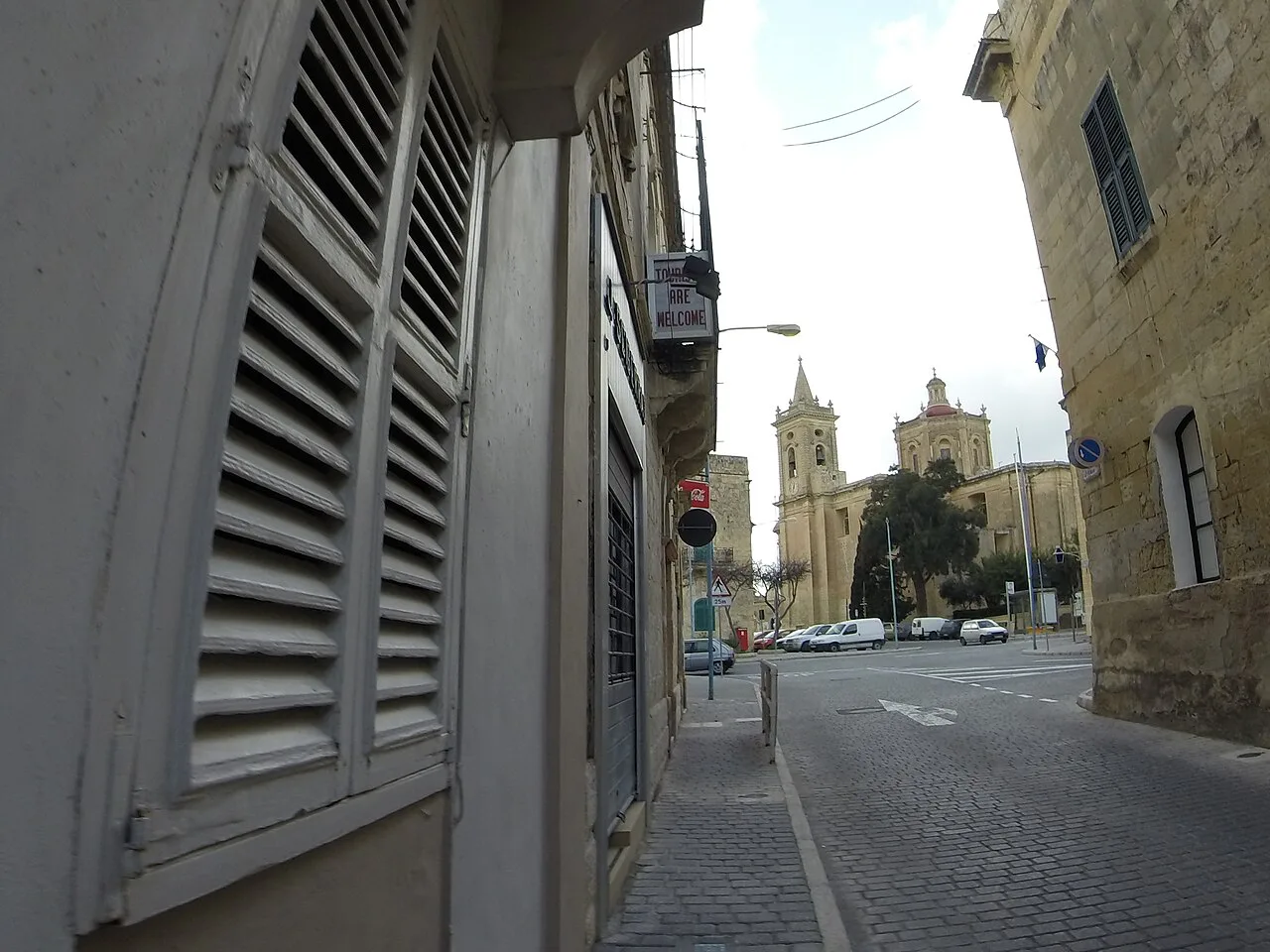

The Parish Church of the Annunciation
The Parish Church of the Annunciation is the reason to get off the bus. Its foundation stone was laid on 26 December 1669, the completed building was blessed in 1695 and it was consecrated in 1781, all of which you read as history rather than as a schedule of works. It is laid out on a Latin-cross plan, with a dome and a single belfry.
The belfry holds six bells, and the largest is reported to weigh four tonnes. Look up before you go in: the tower is the landmark that makes the church easy to pick out from the surrounding streets. The parish church is also listed as a Balzan attraction with its own visitor information.
The church is the spiritual and social anchor of the village. Doors, visiting hours and any restrictions at the door follow parish practice and change over the year, so check the parish notice board or ask at the church itself on the day.
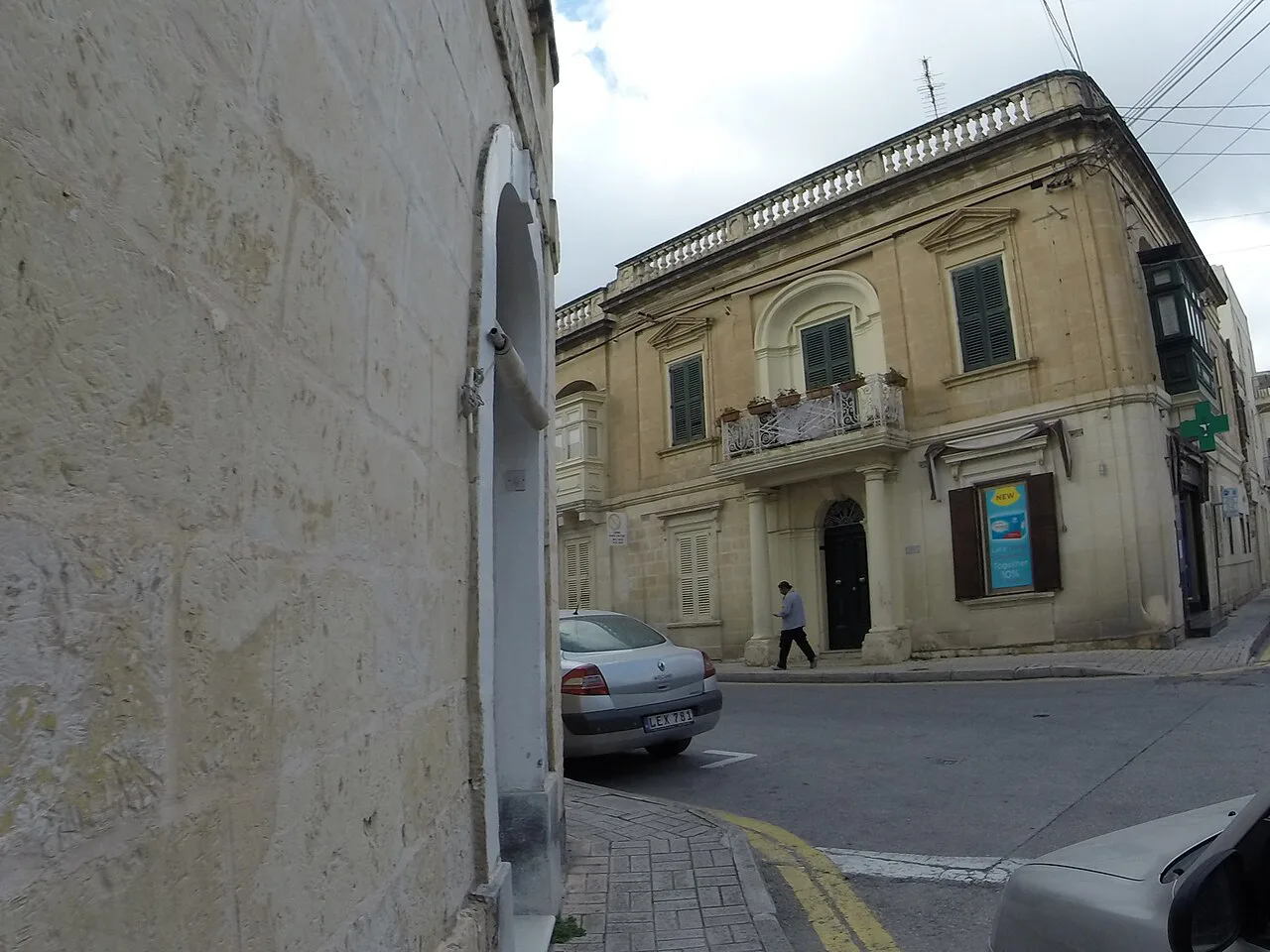

The village core: narrow streets and old townhouses
The old core is a compact grid of narrow streets built around the church. Townhouses of wealthier residents once stood alongside working farms, and historic farmhouses such as Ta' Sajrunies and tad-Dingejruti survived in Quarry Lane into recent decades. Walk slowly and you will notice the mix of Grand façades and former agricultural buildings.
Two band clubs keep the village's musical life going: St. Gabriel Band Club and Maria Annunziata. The Annunciation Philharmonic Society was formed in 1890, so the sound of brass practice is part of the village's ordinary fabric rather than a staged attraction. Expect no visitor centre, no gift shops and no signage explaining what you are looking at.
Local government sits in the Balzan Local Council offices. The council publishes collection schedules and practical notices for residents, which is useful context if you are staying nearby, but the offices themselves are not a sight to visit.
Who Balzan suits, and who should base themselves elsewhere
Balzan suits travellers based in Malta who have already ticked off Valletta and Mdina and want a quieter hour among the central villages. Anyone staying for a week and interested in how a Maltese parish village is laid out will find the church and the streets worth the detour. It also suits people visiting neighbouring Attard or Lija who want one more stop nearby.
It does not suit anyone expecting a beach, a seafront or a swimming spot. The village is inland, with no shoreline to walk to. Nor is it a good base for a first trip if you want restaurants and evening life on your doorstep, since the village is primarily residential.
It also makes a poor full-day destination. Once you have seen the church and walked the core, there is nothing else of visitor interest within the village itself, so combine it rather than commit a whole day. If you want a richer half-day of central-Malta sightseeing, look at the villages around Mosta instead.
Getting to Balzan and moving around it
Balzan sits inland in central Malta, west of Valletta and close to Birkirkara, Attard and Lija. Malta's public bus network serves the central villages, but Balzan is small and the honest approach is to check the current route and stop before setting out. A taxi or a car is the simplest way to tie Balzan to Attard and Lija in one morning.
Once you arrive, everything within the village is walkable. The church, the surrounding streets and the council offices sit close together, and you will not need any transport to cover the village itself. Wear shoes you can walk in on stone pavements, since the streets are ordinary residential roads rather than a pedestrianised zone.
Arriving from the north, Naxxar is on the way into this part of Malta and makes a sensible companion stop on the same loop. From Naxxar you can drive or take a bus south-west towards Balzan, Attard and Lija without crossing Valletta.
Where to eat and stay in the village
Balzan is a residential village, so treat whatever restaurants, cafés or guest accommodation you find as something to check on arrival rather than plan around. This guide does not single out any place in the village for a meal or a bed. If you want a meal and a choice of places to stay within walking distance, base yourself in a larger neighbouring village and visit Balzan for an hour or two.
For a fuller food and evening scene, the central villages round Mosta are a better bet. Look at the Mosta Neighbourhoods: 7 Area Guides overview for context, and decide your base from there rather than from Balzan.
How long Balzan needs and how to combine it with nearby villages
Allow about an hour for Balzan: fifteen minutes at the church and its square, then a wander through the narrow streets of the core. Two hours gives you a slower walk, time to look up at the belfry and a pause in the shade. Anything longer is time better spent in the villages you have come from.
The best pairings are the neighbours. Attard and Lija sit west of Balzan and share its village character, while Naxxar to the north works well on the way in. All three are within a short drive of one another, so Balzan fits naturally as the quiet middle stop of a three-village morning.
If you have a car and want a longer loop, Ta' Qali lies to the west of Attard and is easy to add on the same drive. Keep the loop small: the point of a Balzan stop is that it is short.
Should you add Balzan to your route?
Yes, if you are already touring the central villages and want a genuine Maltese parish village rather than another ticketed sight. The Parish Church of the Annunciation gives you a dome, a single belfry and a Latin-cross plan to look for, and the streets around it are pleasant for an hour.
No, if you want a full day out, a beach, or somewhere to stay and eat within walking distance of your hotel. Balzan is quiet and residential, and the honest thing to do is pair it with Attard and Lija and keep your base elsewhere.
Explore more Mosta guides
Frequently Asked Questions
What does "Balzan" mean?
The name is usually explained in one of two ways: it may come from a Sicilian family called Balzan, or from an old word for a tax collector. Neither explanation is settled, and local histories present both without choosing between them.
Is Balzan a city in Malta?
No. Balzan, or Ħal Balzan, is a village and a locality in Malta's Western district. Its population was estimated at 5,070 at the end of 2024, which gives you a sense of its size.
How long should I spend in Balzan?
About an hour covers the Parish Church of the Annunciation and the narrow streets of the core. Two hours makes for a relaxed visit, and the village works well as a short stop between Attard, Lija and Naxxar rather than as a half-day destination of its own.