
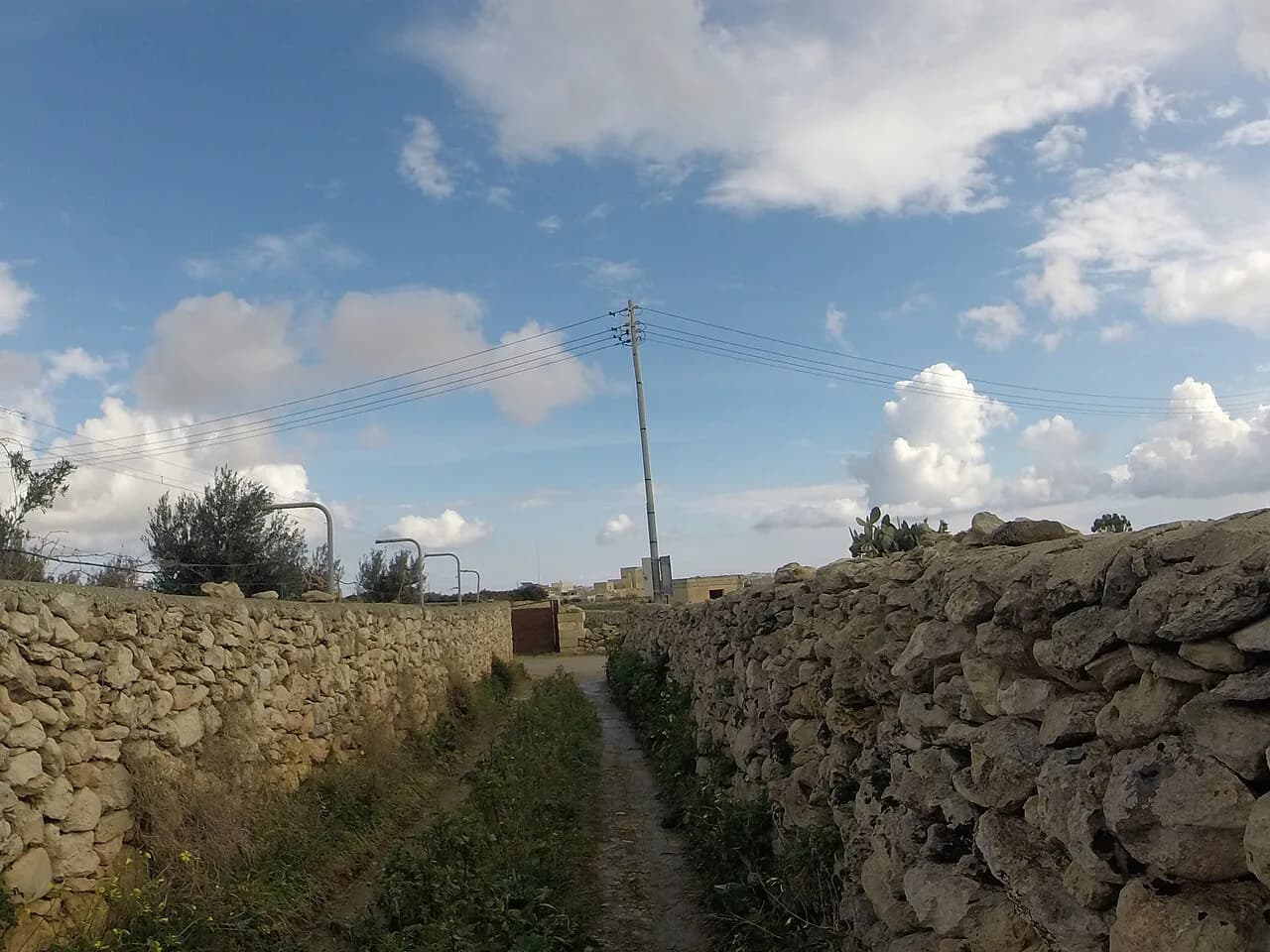
Żebbuġ (Ħaż-Żebbuġ), Malta: A Visitor's Guide to the Old Town

Ħaż-Żebbuġ needs about half a day, and it fits neatly between Valletta and Mdina as an inland stop rather than a destination in its own right. The town is built around one large square and a parish church dedicated to St Philip of Agira, with the De Rohan Arch as its most striking piece of street architecture. This guide sets out what to look at, in what order, and how to get in and out.
It is not a walled Citadel and it has no coast, so treat it as a town walk with three fixed points: the arch, Misraħ San Filep and the chapel of St Roque further along Triq il-Kbira.
Where Ħaż-Żebbuġ sits in Malta
Ħaż-Żebbuġ lies in southwest Malta, inland, bordered by Qormi to the east, Siġġiewi to the south and Attard to the north. Its outskirts run into rural land and newer development, while the centre keeps the dense stone streets that make the walk worthwhile. It sits within the wider western belt covered by our Rabat Neighbourhoods: 5 Area Guides, which is the sensible place to plan the rest of the day around it.
Drive times give the honest picture: roughly 15 minutes to Valletta, 15 to the airport, 10 to Mdina and 20 to Sliema. Those are typical car journeys along the main roads, not timetabled bus runs, so allow extra time in the morning and evening peaks.
A car makes the half-day easy and lets you pair the town with the villages further west, such as Siġġiewi, Malta on the road south, or Dingli: Malta's Western Village and Cliffs out towards the coast. Without a car, base yourself in Mdina or Rabat and take the short run down.
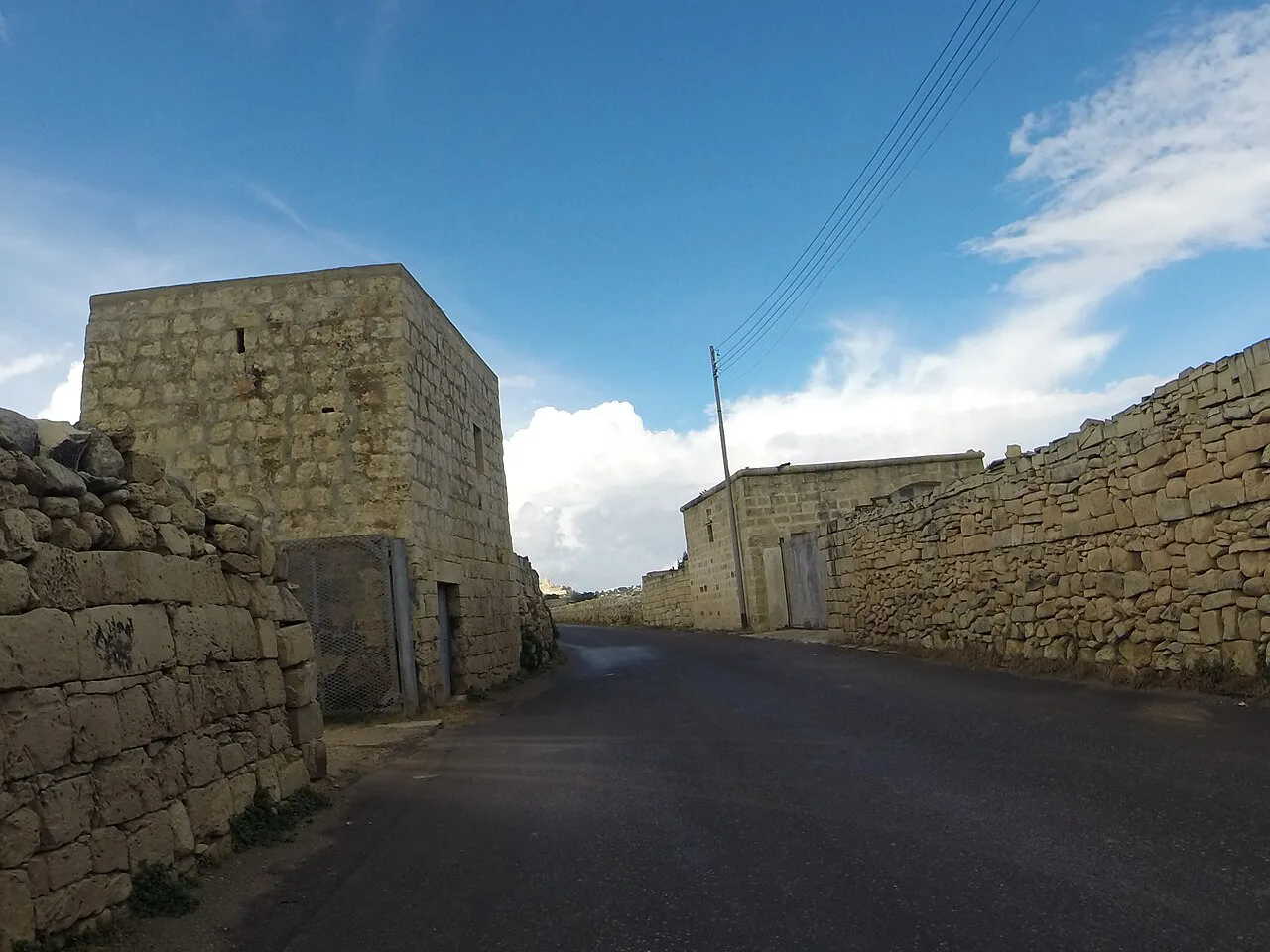

The De Rohan Arch
Start at the De Rohan Arch, the neo-classical gateway built to mark Ħaż-Żebbuġ's promotion to the status of a city, Città Rohan, in 1777. The locals vowed two triumphal arches to honour the grant from Grand Master Emmanuel de Rohan-Polduc, but only one was ever built, funded by donations and inaugurated in 1798.
It is a quick stop rather than a sight in itself: read the inscription, take the arch against the street behind it, and walk on into the centre. The town is also known as Città Rohan, the name the status brought with it.
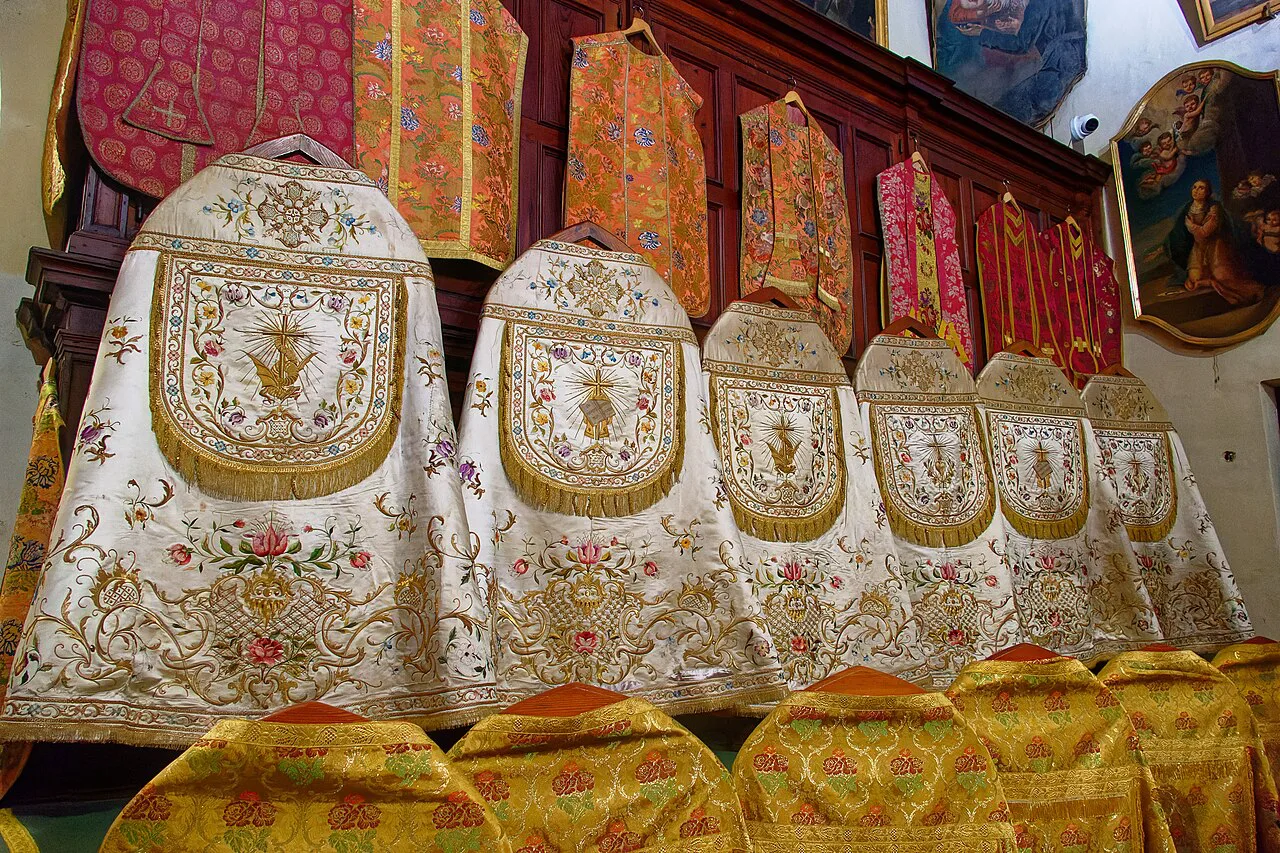

The parish church of St Philip of Agira
The parish church is the town's main landmark. The first church on the site went up in 1412 through the gift of Filippo de Catania, a Sicilian merchant who wanted it dedicated to his name saint, St Philip of Agira; the present building was finished in 1632 to a design by the Maltese architect Tumas Dingli.
Inside, centuries of relics, paintings and carved stone have accumulated, so the interior reads as much as a display of Baroque work as a place of worship. No source gives opening hours for the church, so time your visit around services rather than assuming the doors are open, and dress modestly if you go in.
Misraħ San Filep and the streets around it
The church faces Misraħ San Filep, the large square formed when the church authorities bought the surrounding land in the late 17th century. The buildings around it include the premises of the town's band clubs, and Ħaż-Żebbuġ has three of them, tied to the feasts of St Philip of Agira and St Joseph.
Plan the walk as a loop from the square: out along the main street, Triq il-Kbira, for the street shrines, then back through the side alleys, which are narrow and often without pavement. Allow an hour for the centre itself, more if you stop for coffee.
St Roque and the Ħaż-Żebbuġ museum
On Triq il-Kbira a niche holds a statue of St Roque, venerated in medieval times as a protector against the plague, with a chapel dedicated to him directly opposite. The chapel was built after the outbreak of 1592, has been restored in recent years and is open to the public, and it now houses a small museum on the town's history.
Inside the Ħaż-Żebbuġ Museum you get artefacts and old photographs plus memorabilia of people born here, among them Dun Mikiel Xerri, the writer and linguist Mikiel Anton Vassalli, the artist Lazzaro Pisani and the poet Dun Karm Psaila. It is a compact collection, worth half an hour, and a good wet-weather or midday-heat stop in an otherwise outdoor town.
Who Ħaż-Żebbuġ suits, and who it does not
Żebbuġ suits travellers who want an ordinary working Maltese town with real architecture and a traditional, local character, and who are already moving between Valletta and Mdina. It also suits anyone staying inland who wants an evening walk to a square rather than a drive to the coast.
It does not suit anyone looking for a walled city, a harbour or a beach: the town is inland with no coast, parking in the core is constrained by the narrow streets, and the social scene is quieter than in the coastal towns. Add it to a Mdina day rather than giving it a day of its own.
Getting there and finding your way
By car, approach from the Mdina road or from Qormi, park on the edge of the historic core and walk in, since the centre's lanes leave little room for larger vehicles. Coming from Valletta, the run out is short; the same is true from the airport, which makes the town a workable first or last stop.
Nearby, Mtarfa: What to See and How to Get There and Baħrija: Rabat's Quiet Hill Village in Western Malta make natural extensions if you have the car for the afternoon. For the wider set of sights in this part of the island, use Rabat Attractions: 11 Visitor Guides as the index.
Ħaż-Żebbuġ or Iż-Żebbuġ? Two different places
Searches for Żebbuġ pull up two separate Maltese places, and mixing them up will send you to the wrong island. Ħaż-Żebbuġ is the town in western Malta described here; Iż-Żebbuġ is a village on Gozo, built on the Ta' Abram and iz-Żebbug plateaux and named for the olive trees once grown there.
If your itinerary is Gozo, you want the Gozo village; if you are driving between Valletta and Mdina, you want Ħaż-Żebbuġ. Check the island before you set off, because the two names look identical in a search bar.
Is Żebbuġ worth the detour?
Yes, as a two-hour stop folded into a Mdina or Valletta day, not as a standalone outing. Go for the arch, the square and the church exterior, add the museum if it is open, and keep the rest of the day for the fortified towns.
Confirm church and museum opening before you travel, and go on foot from a parked car rather than trying to drive into the lanes.
Frequently Asked Questions
Is Ħaż-Żebbuġ the same as Żebbuġ in Gozo?
No. Ħaż-Żebbuġ, also called Città Rohan, is an inland town in western Malta. Iż-Żebbuġ is a separate village on Gozo, built on two plateaux and named after the olive trees that once grew there. Check which island your map is showing before you set out.
What country is Ħaż-Żebbuġ in?
Ħaż-Żebbuġ is in Malta, in the southwest of the main island. It sits between Qormi, Siġġiewi and Attard, roughly 15 minutes by car from Valletta, Mdina and the airport.
How long should I spend in Ħaż-Żebbuġ?
Around two hours covers the De Rohan Arch, Misraħ San Filep, the parish church and the walk along Triq il-Kbira to the St Roque chapel and museum. Add time if you stop for coffee in the square.
Do I need a car to visit Ħaż-Żebbuġ?
A car is the simplest way to slot the town into a day between Valletta and Mdina, and it makes pairing it with nearby villages easy. Without one, stay in Mdina or Rabat and make the short journey down. Parking is tight in the historic core, so park at the edge and walk in.