
Għadira Nature Reserve: A Visitor's Guide to Mellieħa's Wetland

Għadira Nature Reserve is a seven-hectare brackish lake and saltmarsh on the edge of Mellieħa, free to enter and open from September to May. Allow about an hour for the visitor centre, the flat trail and the birdwatching hide, and treat it as a short, calm stop on a Mellieħa day rather than a half-day out.
This guide covers where the reserve sits on Triq il-Marfa, how to arrive by bus or car, the published opening pattern and closed days, what you can reasonably hope to see, and how the two photography hides work. It sticks to what the reserve's own page sets out, so you can plan around the season instead of turning up to a locked gate.
Where Għadira Nature Reserve is
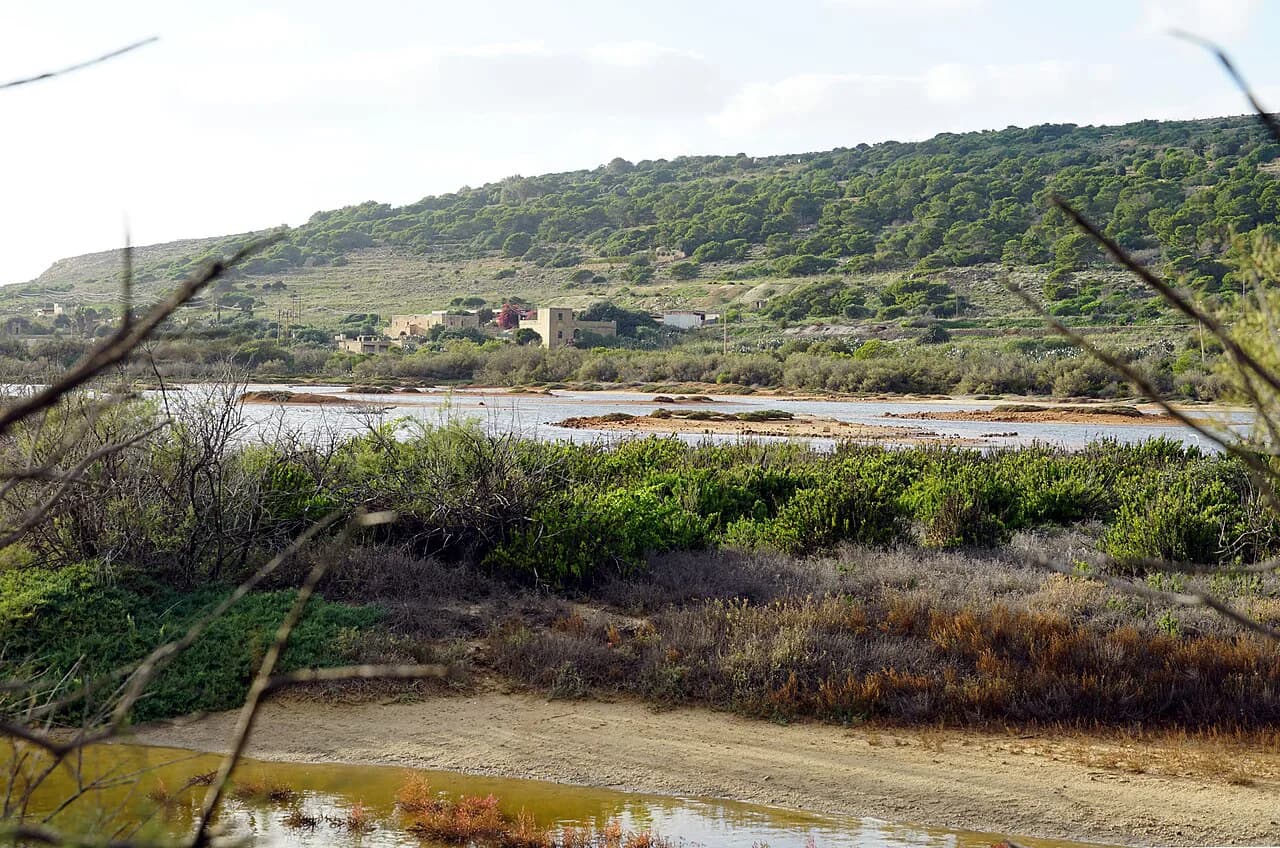
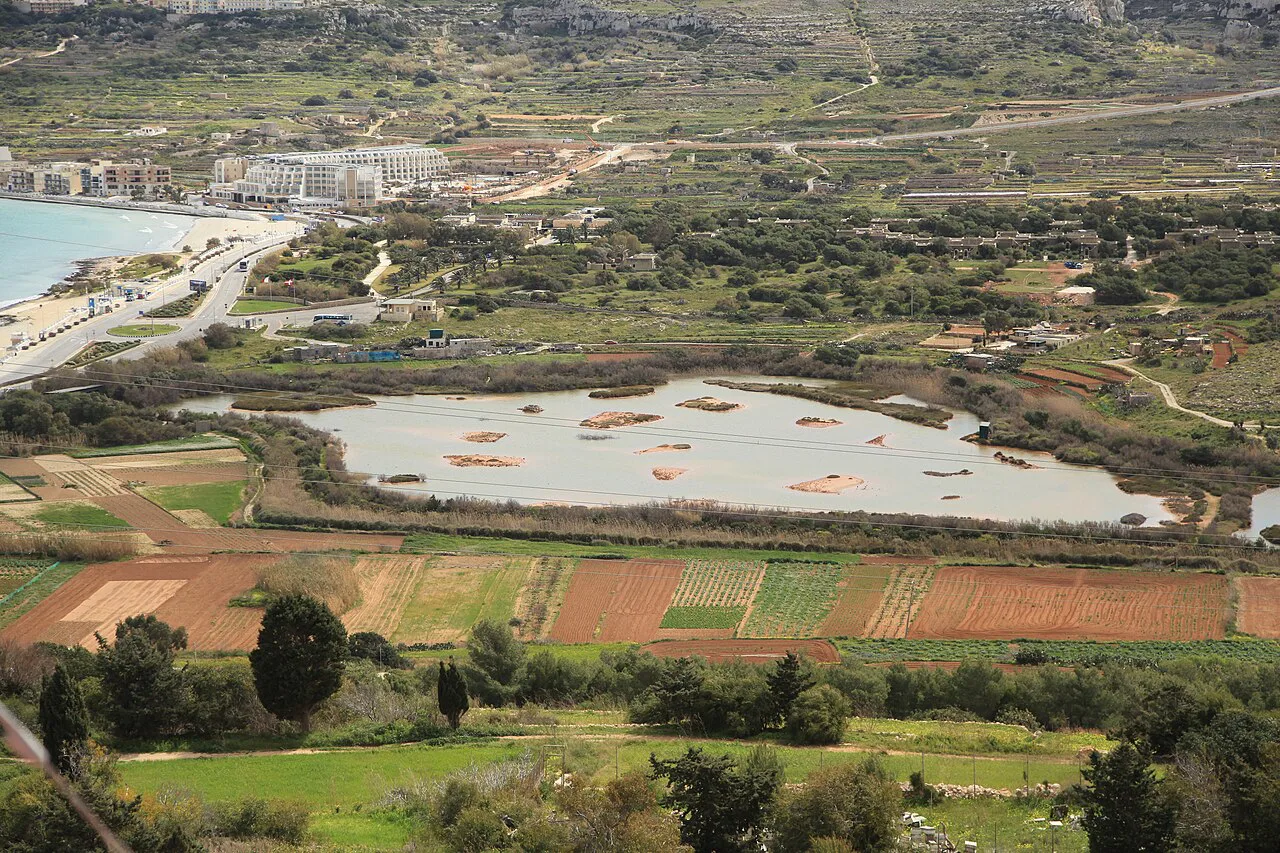
The reserve lies in the north of Malta on the outskirts of Mellieħa, a seven-hectare mix of brackish lake and saltmarsh. Permanent inland water is scarce on the island, which is what makes this small wetland so valuable to birds passing through.
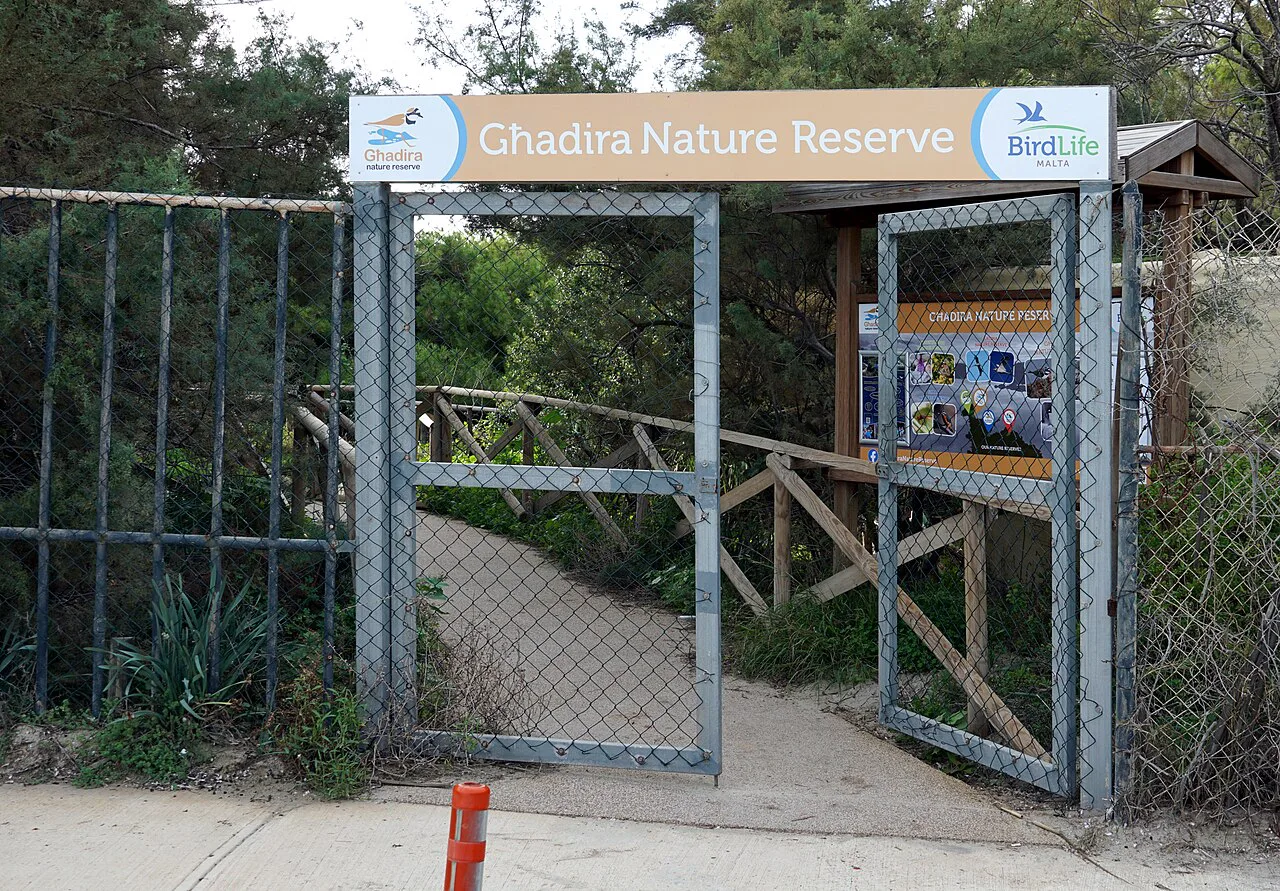
The address is Triq il-Marfa, Għadira Bay, Mellieħa MLH 9064. If you are driving, come along Triq il-Marfa past the Mellieħa Holiday Centre and over the roundabout; parking is available beside the reserve.
It sits close to the busiest stretch of beach in the Mellieħa area, so the contrast is sharp: traffic and sunbeds on one side, reeds and muddy shores on the other. That proximity is also the practical appeal, since you can pair the reserve with the rest of the Mellieħa coast without a detour.

How to get there by bus or car
Without a car, the simplest approach is the bus stop named ‘Għadira’, served by routes 37, 41, 42, 221, 222 and X1. The stop puts you on Triq il-Marfa within easy walking distance of the entrance.
Drivers park beside the main road at the reserve itself, which keeps the visit simple if you are touring the north of the island by car. Either way, the approach is flat and short, with no long access track to negotiate.

Opening season, hours and closed days
The reserve opens between September and May and closes outside that window. The published pattern has it open on Monday, Wednesday and Friday from 1.30pm to 5pm, and at weekends on Saturday and Sunday from 10am to 4pm.
It stays shut on Christmas Day, New Year's Day, Good Friday and Easter Sunday. Because the schedule is seasonal, confirm the current times on BirdLife Malta's reserve page before you travel, particularly around public holidays.
General opening hours change season to season, so the reserve itself asks visitors to check BirdLife Malta’s Għadira page for the current schedule before setting out.
What entrance costs
Entrance is free, with donations welcome. That makes Għadira an easy add-on: you can drop in for forty minutes without weighing up whether it justifies a ticket.
Photography hide sessions are booked separately through BirdLife Malta's SetMore page, which carries the booking information. Plan the hide as an extra rather than part of the standard visit.
What you can see
Around 140 species of migrating birds are recorded at the reserve each year, most of them stopping to rest and refuel mid-migration. On the open water, watch for wading birds such as redshanks, sandpipers and egrets.
Along the trails, look for Sea Daffodil, Golden Samphire and Sea Lavender, and keep an eye out for Mediterranean Chameleons and rabbits among the shrubs. Resident moorhens are easy to pick out across the pools, and the call of the Zitting Cisticola often carries overhead.
In spring, the reserve is a place to look for Black-winged Stilts and Little Ringed Plovers, both of which breed there. These are the species to prioritise if you visit during the migration months rather than in autumn.
A migrating Eurasian Spoonbill or Greater Flamingo may drop in to feed and rest, but neither is guaranteed on any given day. Treat a flamingo sighting as a bonus rather than a target, and check recent sightings on the reserve's eBird hotspot page before you go.
The trail, the hide and the ground underfoot
Start at the visitor centre for an overview of the site, then follow the nature trail to a small birdwatching hide about 15 minutes away on foot. The going is flat and easy along a wide path, so ordinary shoes are fine.
There is no circular route, so you walk out and back the same way. The terrain is flat and sandy along a wide path, which makes it easy going for most visitors.
A telescope helps if you have one, though the hide brings the water close enough for binoculars. Volunteers are usually on hand to help if you are new to birdwatching.
Booking a photography hide
Two photography hides are available to book. The reservoir hide looks over the reservoir area and suits kingfisher, Little Grebe, Moorhen, White Wagtail and Water Rail in winter, with herons and waders such as Common Sandpiper and Common Snipe in spring.
The smaller Tamarisk grove hide overlooks a freshwater pond and works year-round for Yellow Wagtail, Chiffchaff and Robin, plus wintering Common Stonechat and Bluethroat. Moorhen and Water Rail turn up regularly there too.
Both are booked through BirdLife Malta's SetMore page, which holds the session details. Book ahead if photography is the reason for your visit rather than a general walk.
House rules and practical notes
The reserve is a no-smoking area and pets are not allowed inside. Entrance is free, with donations welcome.
It is a fully protected bird sanctuary, a Ramsar site and a Special Area of Conservation within the Natura 2000 network, so stay on the paths and keep noise down near the hide.
What is nearby in Mellieħa
The reserve sits on the northern edge of Mellieħa, which makes it a natural first or last stop on a day exploring the area. The White Tower (Torri l-Abjad), Mellieħa stands on the ridge above the bay and rewards the short climb with views back over the water.
Inland, Selmun Palace, Mellieħa sits above Mistra Valley, a quiet contrast to the coastal strip. For the wider picture of what to pair with the reserve, see Mellieha Attractions: 7 Visitor Guides, which covers the village sights, chapels and wartime sites in one place.
Is Għadira worth a stop on a Mellieħa day?
Yes, if you are already in the north of Malta and want a free, quiet hour between the beach and the village. Go on a Saturday or Sunday morning or a weekday afternoon in season, walk the flat trail to the hide, and leave the rest of the day for Mellieħa itself.
Skip it if your dates fall between June and August, when the reserve is closed, or if you have only one day on the island and want it spent in Valletta or the temples. Check the reserve's own page for the current schedule before setting out.
Explore more Mellieha guides
Frequently Asked Questions
Is Għadira Nature Reserve free to enter?
Yes. Entrance is free and donations are welcome. The photography hides are booked separately through BirdLife Malta's SetMore page, which carries the booking information.
When can you see flamingos at Għadira?
Greater Flamingo is an occasional migrant at the reserve and a sighting is not guaranteed. Treat it as a bonus rather than a target, and check recent sightings on the reserve's eBird hotspot page before you go. The waders, herons and stilts are more reliable.
Can you visit Għadira Nature Reserve without a car?
Yes. Buses on routes 37, 41, 42, 221, 222 and X1 stop at ‘Għadira’ on Triq il-Marfa, a short walk from the entrance. Drivers can park beside the reserve off the main road.
How long does a visit to Għadira take?
Most visitors need about an hour: the visitor centre, the flat trail and the hide roughly 15 minutes' walk in. Photographers booking a hide should set aside considerably longer.