
Tigné Point, Sliema: a Guide to the Peninsula
Tigné Point is the tip of the Sliema peninsula, a mixed-use district built around Pjazza Tigné, The Point mall and a group of restored fortifications facing Valletta across Marsamxett Harbour. Allow an hour for the shops and cafés, or half a day if you add the fort, the chapel and the foreshore walkway. This guide covers the layout, the shops and dining, the historic layer, getting there on foot and where the area suits staying.
What Tigné Point is and where it sits on the peninsula
The site occupies the tip of the Tigné peninsula, looking south across Marsamxett Harbour to Valletta. The developer describes it as a mixed-use project in which apartments take up just 55% of the peninsula's area, with the rest given to retail, offices, open space and leisure. That balance is why the district feels part neighbourhood and part destination: people live here, but the piazza and mall pull in visitors from across the island.
Sliema became a shopping and leisure location, with a promenade lined with shops, cafés, bars and restaurants. Tigné Point is the eastern end of that stretch. If you want the promenade atmosphere and a dense restaurant strip, base yourself further west; if you want a car-free base with a mall downstairs, this end works better.

The car-free layout: Pjazza Tigné, The Point mall and the underground traffic
All traffic at Tigné Point is routed underground, which leaves a 30-acre car-free zone at ground level with open public spaces and foreshore walkways. Over 1,900 underground parking spaces serve the development, so you drive in, park beneath the buildings and surface on foot. That shapes a visit: you walk between the mall, the piazza and the water without crossing a busy road.
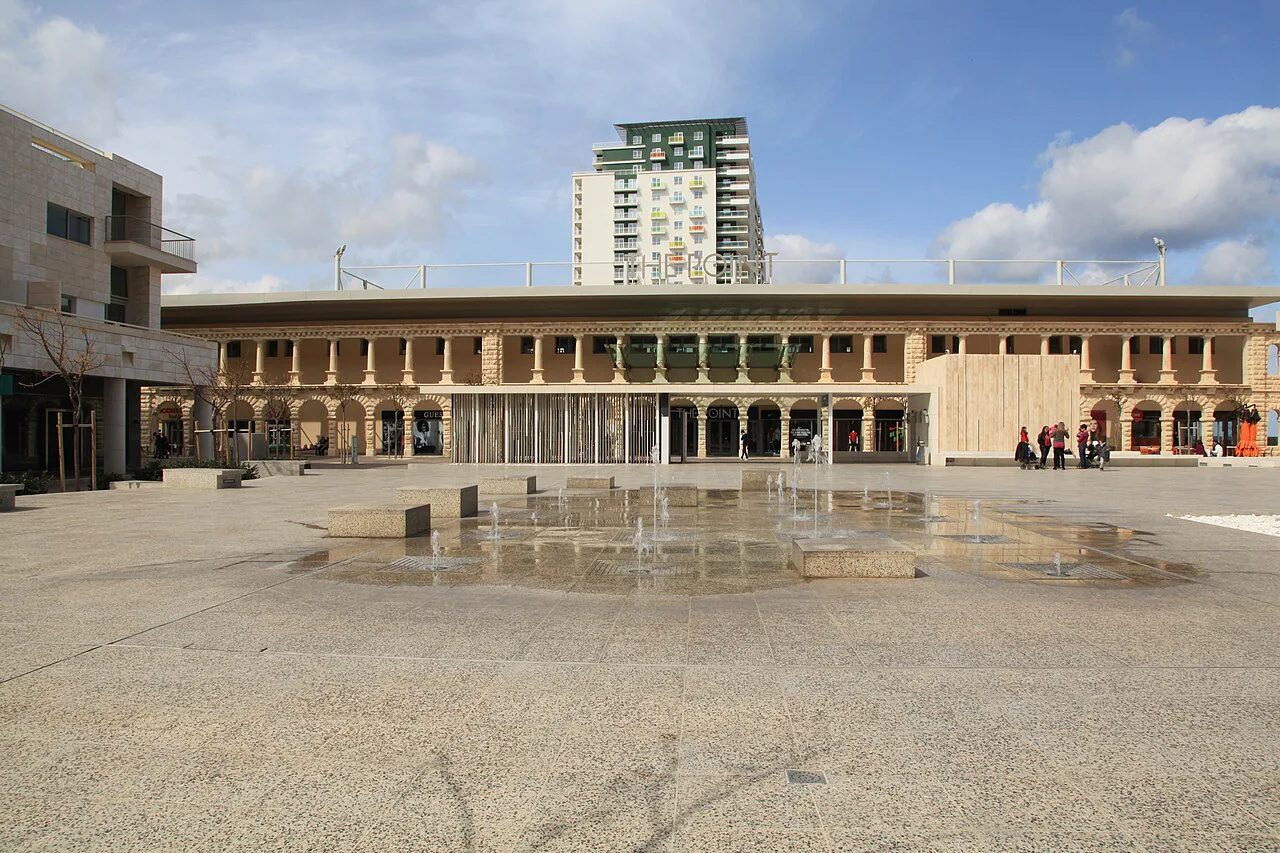
Pjazza Tigné is the heart of the project, described by the developer as the largest square in the Sliema district, framed by more than 2,500 square metres of retail space. The Point mall sits alongside it with 23,000 square metres of retail inside. Treat the piazza as your orientation point: the mall entrance, the cafés and the route towards the fort and shoreline all radiate from it.
A dual carriageway and tunnel connect the Tigné seafront to Qui-si-Sana, which shortens the walk or drive along the peninsula's southern edge. The foreshore walkway gives a separate, slower route along the water. Use the tunnel if you are heading west towards the ferries, and the waterside path if the point of the outing is the view.

Who the area suits and who it does not
This end of Sliema suits travellers who want shops, cafés, a mall and open sea views within a flat, pedestrianised few minutes, and who value a base away from through traffic. It also suits anyone mixing a half-day of retail with a look at restored military architecture. Families with pushchairs and travellers with limited mobility get a rare thing in Malta: a large flat area between the main draws.
It suits less if you want the older Sliema texture of narrow streets, corner bars and low-rise townhouses, or if you want to step out of your door into a restaurant strip. The peninsula is a planned development, and that shows in the architecture and the retail mix. Choose the streets around The Strand if character matters more than convenience.
The residents' pool, fitness facilities and private gardens shown on the development website belong to residents, not visitors, so do not plan a day around them. For public open air and views, use the piazza, the restored areas and the foreshore walkway instead.
Shops and dining: what Pjazza Tigné and The Point mall hold
The Point is described as Malta's largest retail centre, and the piazza around it is ringed by designer shops, cafés and restaurants. Named retailers in the development's own directory include Longchamp for fashion accessories, MaxMara for women's fashion, Bortex for men's clothing, Art Diamond for jewellery, Landsberg First Class Aesthetic for skincare, Early Learning Centre for children's toys and XIMI Vogue for fashion and home accessories. Dining names given there include Fratelli La Bufala, Rosso Pomodoro, Ladurée Malta and XIMI.
The mix runs from casual to formal, with both indoor and al fresco seating, which makes the piazza workable for a quick lunch or an evening meal. Because the square is pedestrianised, tables sit in open space rather than on a traffic edge. Confirm individual venue hours and booking arrangements with the venue itself, since they vary by season and operator.
For everyday shopping rather than fashion, the mall covers the practical side in one building, which is useful on a hot or wet day. The wider district is the island's main retail and leisure area, so if the brands here do not appeal, the streets towards the ferries hold more. Give the mall an hour if you are browsing, less if you have a specific purchase.
The historic layer: Fort Tigné, Garden Battery, the Clock Tower and St Luke's Garrison Chapel
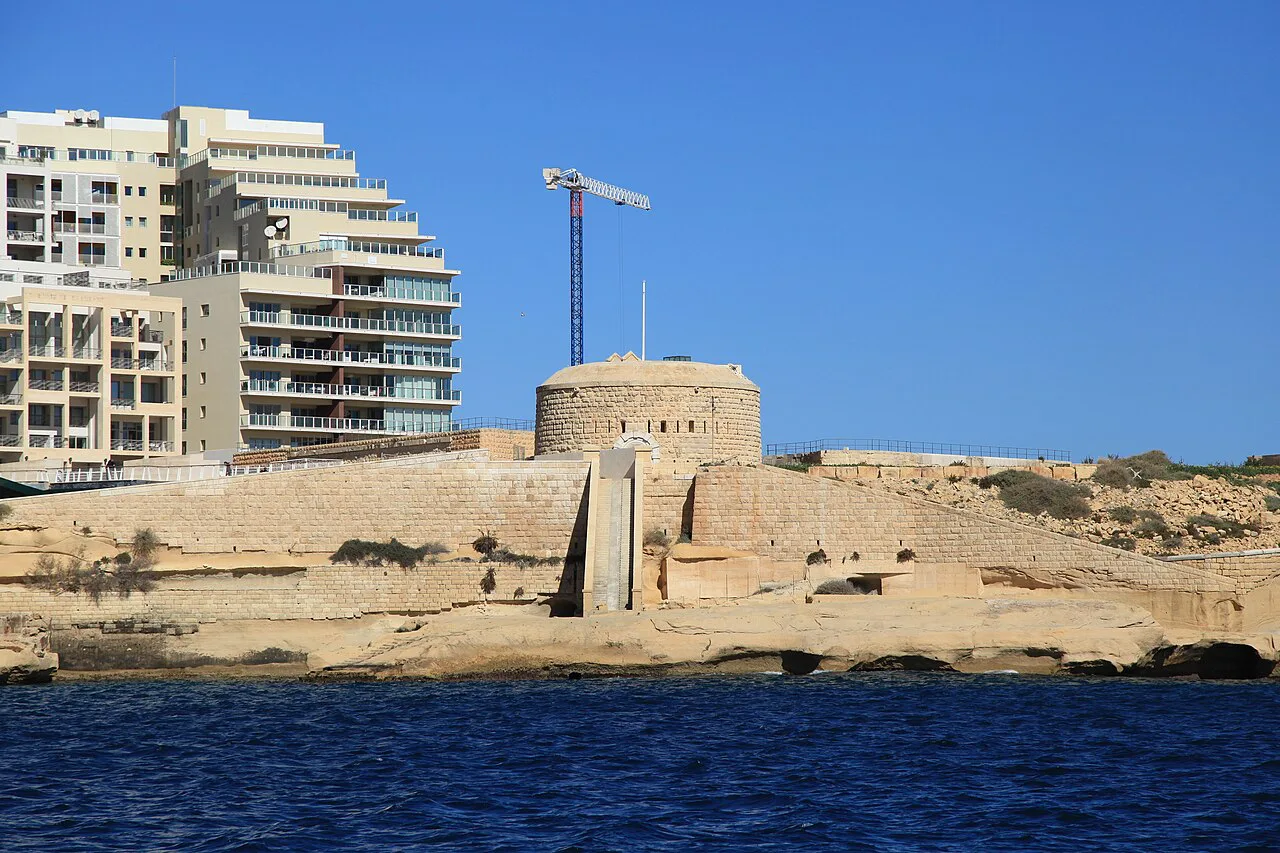
The development incorporates restored historic sites: the 18th-century Fort Tigné, the Garden Battery, the Clock Tower and St Luke's Garrison Chapel, along with elements of the former army barracks. These are woven into the contemporary architecture rather than fenced off from it. You can see real fortification fabric between the shops without making a separate trip.
The area was originally occupied by several fortifications and a British barracks complex before the modern development replaced them. Walking the perimeter gives you the geography quickly: the fort and battery sit at the seaward edge, with the water and Valletta beyond. Build the historic stops into a circuit of the peninsula rather than treating them as a single museum visit.
Access to interiors depends on current works and tenants, so ask at the development's contact point if a specific building matters to you. Lonely Planet lists Tigné Point among Malta's points of interest, which is a reasonable starting point for a short orientation. Otherwise, treat the forts as scenery on a walk.
Walking there from Sliema and Gżira
On foot, Tigné Point is a continuation of the Sliema seafront: follow the coast east past the tunnel mouth and you arrive at the piazza. The walk from the ferries area is flat and takes in the water views, so it doubles as a promenade stroll rather than a transfer. From the other direction, the route from Gżira runs along the shore past Manoel Island.
If you are approaching from further inland, Ta' Xbiex and Msida sit along the same harbour edge and connect to the Sliema seafront. Buses run along the coast, but check the current route and stop when you arrive rather than relying on a printed timetable. Driving in is straightforward because parking is underground within the complex.
Ferries use the Sliema ferries area to the west, not Tigné Point itself. If you are arriving by sea, walk east along the front rather than looking for a landing stage at the point.
What is within walking distance, including the Valletta views
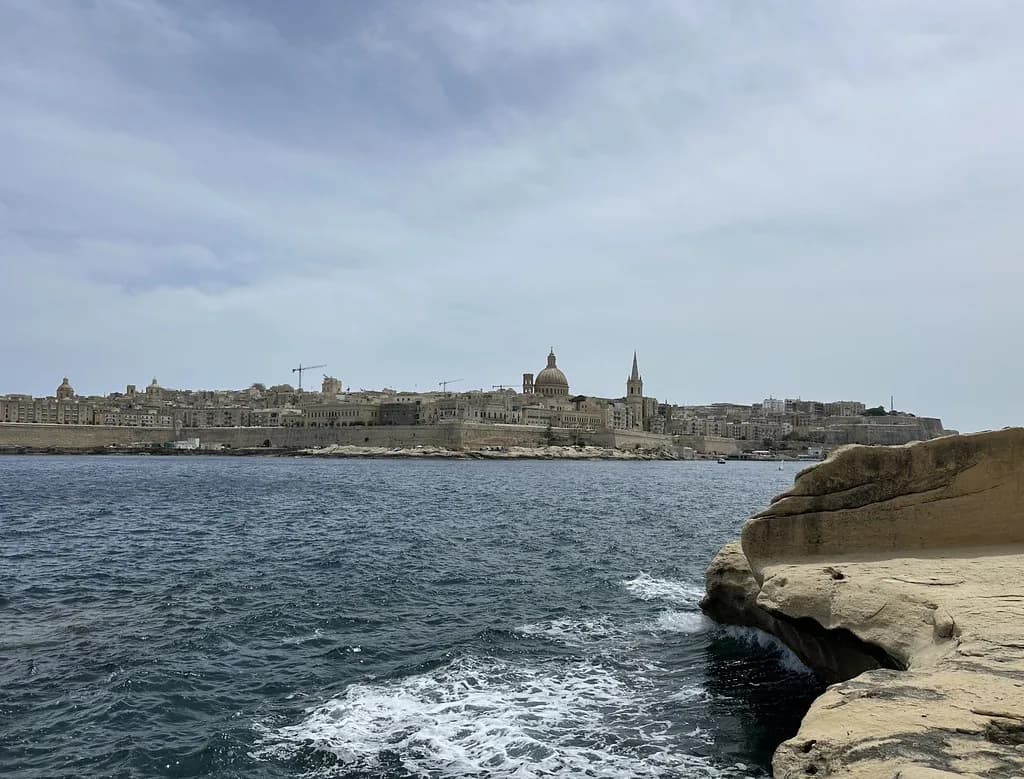
The view is the big draw here: water with Valletta's fortifications across Marsamxett Harbour, taken from the piazza edges and the foreshore walkway. Go in the late afternoon when the heat has dropped. The walkway also gives you a level route around the peninsula's edge, a pleasant way to spend half an hour.
Beyond the point, the Sliema promenade, the ferries to Valletta and the quieter residential streets towards Fond Ghadir are all walkable. Fond Ghadir sits inland from the seafront and gives a sense of ordinary Sliema life away from the mall. Combine the two if you want retail and local streets in one outing.
The development also includes a football pitch and training complex used by Sliema Wanderers, visible from the surrounding walkways on match and training days. It is not a visitor attraction as such, but it shows how mixed the site is: sport, offices, homes and shops in one pedestrian zone. The Centre, a purpose-built office development, sits within the same complex.
Where to stay in and around Tigné Point
Accommodation on the peninsula itself is dominated by apartments and residences rather than hotels, with many flats built around the perimeter to take sea views. A short-let apartment here puts the mall, the piazza and the foreshore on your doorstep, with a car-free walk to the water. Book through a platform you can verify, and confirm the exact building entrance, since the complex is large.
If you prefer a hotel with a reception desk and a restaurant downstairs, the older Sliema streets and the seafront towards the ferries hold more of that stock. The trade-off is straightforward: more street life to the west, versus a planned, quiet peninsula here.
Practical constraints: parking, heat and busy periods
Parking is underground and extensive, with more than 1,900 spaces, but charges and hours are set by the operator, so read the signage at the entrance ramps as you arrive. Weekend afternoons around the mall are the busiest, so come early if you want a quiet piazza.
Midday summer heat on the open piazza and the foreshore walkway is uncompromising. Plan the historic circuit and the walkway for the morning or late afternoon and use the mall's interior at the hottest hours. Carry water; the cafés are there, but the walkway between them has gaps.
Cruise-day and weekend crowds concentrate in Valletta rather than here, which makes the point a calmer alternative when the capital is packed. The flip side is that Valletta's view is the main draw, so on a hazy day the walkway loses some of its appeal.
Is Tigné Point worth building into your Sliema days?
Yes, if you want a flat, car-free half-day combining shops, food, sea views and a genuine slice of restored military architecture within a few minutes of each other. Skip it if your idea of Sliema is narrow streets and local bars, or if you only have one day and Valletta itself is the priority.
Build the visit around the late afternoon: walk the fort and battery edge while the light is good, then eat on Pjazza Tigné as the day cools. Confirm venue hours and parking arrangements with the operator before you travel, since both are set individually rather than by a single published schedule.
Explore more Sliema guides
Frequently Asked Questions
Do I need a ticket to visit Tigné Point?
No ticket is needed to use the public piazza, walk the foreshore walkway or see the outdoor historic sites. Individual shops, restaurants and the car park set their own arrangements, so confirm with the venue or operator you plan to use.
Is Tigné Point walkable from Sliema ferries?
Yes. The route follows the seafront east past Qui-si-Sana and the tunnel mouth, and it is flat throughout. Allow extra time in summer heat, and use the tunnel link if you are cutting inland.
Can visitors use the swimming pool at Tigné Point?
The waterfront pool, gardens and fitness facilities belong to residents of the development, so they are not open to visitors. Use the public piazza, walkways and sea views instead.