
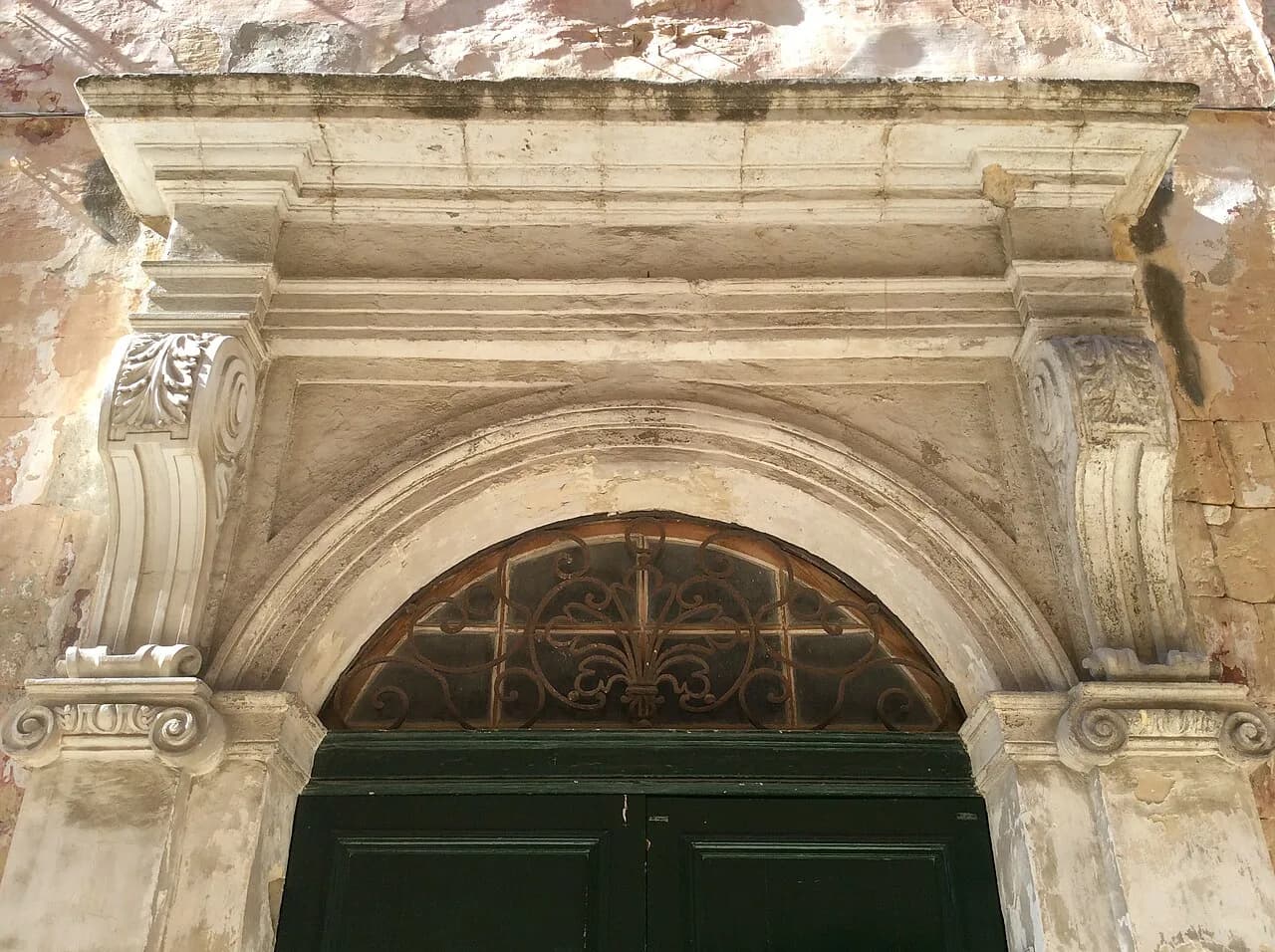
Auberge de France in Birgu: What to See and How Long It Takes

The Auberge de France is a restored Knights' hostel on Triq Hilda Tabone in the Collachio, the tangle of lanes behind Birgu's main square, and it now serves as the offices of Birgu Local Council. Allow ten to fifteen minutes at the façade, unless a council event opens the building, and slot it into a half-day walk around Birgu (Vittoriosa). This guide covers what the building is, how to walk to it through the Couvre Porte, what survives of the sixteenth-century structure, and what to see in the surrounding lanes.
What the Auberge de France is
The building was the hostel of the French langue of the Order of St John, one of the language groups into which the Knights were divided, and it housed French-speaking Knights. It stands in Birgu rather than Valletta because the Order settled in Birgu first and only later built its auberges in the new city. The head of the Auberge of France had responsibility for the Order's hospital.
Of the seven hostels the langues built in Birgu, only three have survived: the Auberge de France, the Auberge d'Angleterre and the shared Auberge of Provence and Auvergne. After the Order founded Valletta in 1566, its langues commissioned new auberges there, so the Birgu buildings are the earlier generation. Keep that sequence in mind: you are looking at the first round of Knights' lodgings, not the Valletta set.
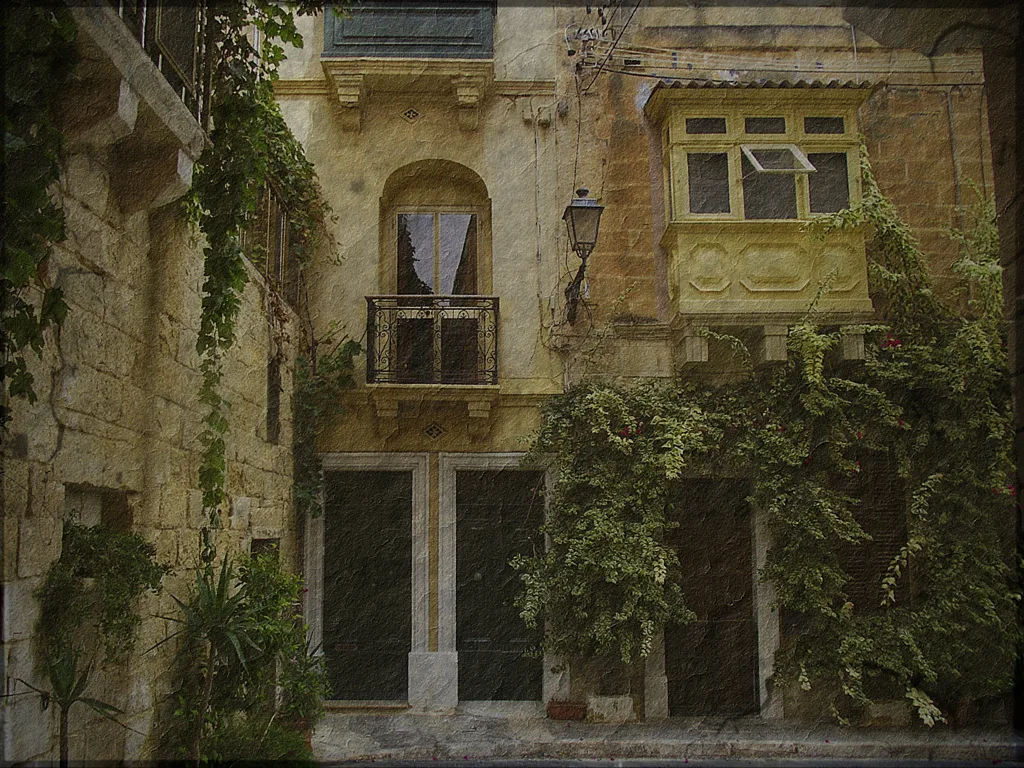

Where it is: Triq Hilda Tabone in the Collachio
Aim for Triq Hilda Tabone, the street in the Collachio where three buildings that served as auberges in the 1500s stand side by side. The Auberge of Provence and Auvergne comes first, then the Auberge of France; the Provence and Auvergne building is now a private dwelling with an altered façade, while the Auberge of France serves as the council offices. The Collachio is the network of winding streets behind Birgu's main square, so use the square as your landmark rather than trying to follow a street grid.
The Auberge of Provence and Auvergne was built in the 1530s for the Knights of those two langues, was later split into houses and a shop, and retains an interior that is mostly intact despite alterations. Read the two buildings together and you get a sense of how the Collachio packed the Order's institutions into a few narrow streets.
How to reach it on foot through the Couvre Porte
Walk in from the landward side through the Couvre Porte, Birgu's main entrance and a complex of three gateways built in the 1720s. The outer, or Advanced Gate, is also known as the Gate of Aragon; the Post of France sits between the gates; and the inner gate is the Gate of Provence. Naming them in that order as you pass through keeps the approach clear, and the Gate of Provence is the last threshold before the Collachio lanes begin.
From the gate, head for the main square and then into the streets behind it; Triq Hilda Tabone is within that block. No bus or ferry drops you at the door, so the visit is a walking one regardless of how you arrive in Birgu. Wear shoes that cope with uneven stone paving and steps, since the lanes rise and fall between the waterfront and the square.
What to see: the restored exterior and surviving interior
The Auberge of France was partially destroyed by bombs in the Second World War and has since been painstakingly restored by Birgu Local Council, which uses it as its offices. That wartime damage explains why the façade you see differs from the 1500s building, while the interior kept some of the features of the original auberge. Look at the stonework and the sign rather than expecting an untouched sixteenth-century front.
The building is a working council office, so treat the exterior as the visit and do not assume you can walk in. If you want to ask about access, contact Birgu Local Council directly before your trip; the council, not a visitor desk, is the body that decides. There is no separate visitor entrance to plan around.
Reading the street around it
The Auberge of England, the Auberge d'Angleterre, stands near the waterfront and kept its original state through both the Great Siege and the Second World War bombing, so its façade is the best intact comparison for what the French hostel once looked like. The Auberge of Italy stood closer to the water because the Italians ran the Order's galley fleet, and it was destroyed in the war. Together these three give you the geography of the Collachio in one short circuit.
Each langue was also assigned a stretch of the fortifications to defend, and the names survive in the streets. The bastions overlooking Kalkara belonged to the langue of Castille and the area is still called the Post of Castille. Walking the Collachio with those names in mind turns a set of façades into a map of who defended what.
How long to allow
Budget ten to fifteen minutes for the Auberge de France itself and about an hour for the Collachio lanes, which takes in the Auberge of Provence and Auvergne and the Auberge of England as well. The stop works as one link in a half-day walk round Birgu rather than a standalone morning out, so build it into a route that also covers the waterfront.
If you are giving Birgu a full day, pair the Collachio with the harbourside sights so the walk has variety. Fort St Angelo, Birgu and the Inquisitor's Palace, Birgu (Il-Palazz tal-Inkwiżitur) are the two obvious anchors, and both sit within the same walled circuit. Plan the auberge stop for the middle of the walk, when you are already threading the lanes.
Nearby: the Post of Castille and the waterfront
From the Collachio, walk down to the Post of Castille, the stretch of fortifications overlooking Kalkara where the Ottomans briefly broke through into the city during the Great Siege. The waterfront lanes below give you the harbour view and the chance to sit down before the next leg. Both are within a few minutes of the auberge on foot.
Two museums fill out a longer Birgu day: the Malta Maritime Museum in Birgu and the Malta at War Museum in Birgu, the second useful for understanding the bombing that reshaped the Auberge de France. Neither is essential if you are short of time, but the war museum gives the auberge's rebuilt façade its context. Check each museum's own opening days before you commit.
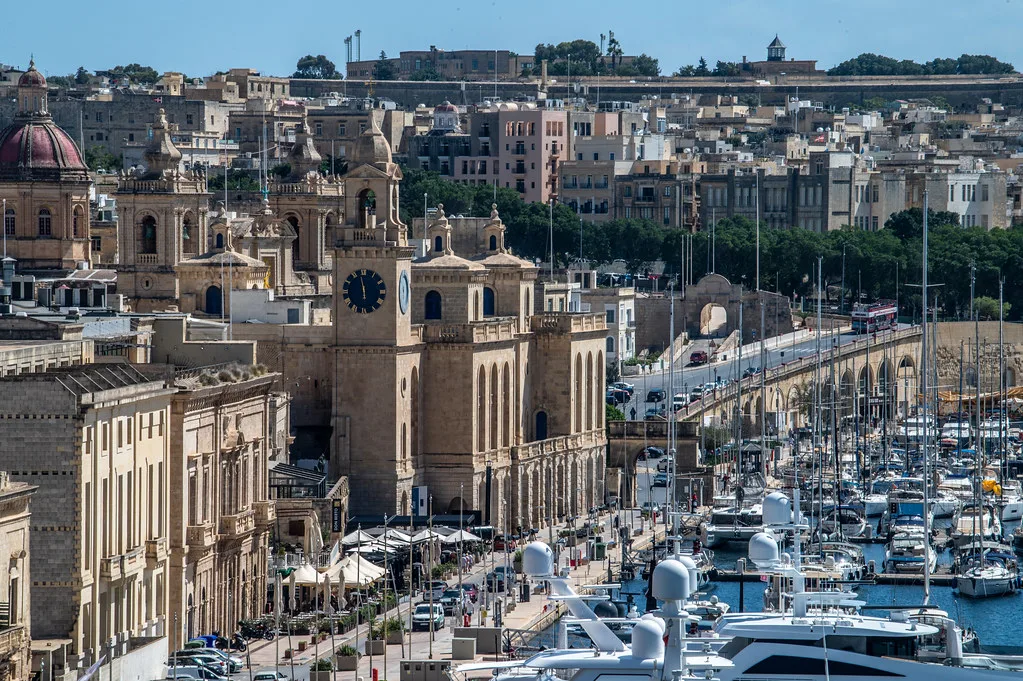
Where to confirm opening hours and access
Birgu Local Council occupies the building, so opening hours and any chance of stepping inside are the council's to confirm, not a published visitor schedule. Ask the council before you travel if interior access matters to your trip; if it does not, the exterior is visible from the street at any hour. Do not build a day around going inside.
Is the Auberge de France worth the detour?
Yes, as a ten-minute stop folded into a Birgu walk rather than a destination in its own right. Go for the Collachio street itself, with the three surviving auberges side by side and the Couvre Porte gates named on the way in. Confirm council access first if you hope to see the interior, and plan the rest of the day around Fort St Angelo and the waterfront.
Explore more Birgu guides
Frequently Asked Questions
Can you go inside the Auberge de France in Birgu?
The building is used as the offices of Birgu Local Council, so interior access depends on the council rather than on a published visitor arrangement. Ask the council directly if stepping inside matters to you, and plan on seeing the restored exterior from Triq Hilda Tabone if no access is available.
How do you walk to the Auberge de France from Birgu's entrance?
Come in through the Couvre Porte, the three-gate entrance built in the 1720s, passing the Gate of Aragon, the Post of France and the Gate of Provence in that order. From the main square, head into the Collachio lanes behind it and look for Triq Hilda Tabone, where the auberges stand side by side.
Why does the Auberge de France look different from the other Birgu auberges?
The building was partially destroyed by bombs in the Second World War and has since been restored by Birgu Local Council, so its façade has changed. The neighbouring Auberge of England kept its original state through the war, which makes it the clearer comparison for the sixteenth-century appearance.