
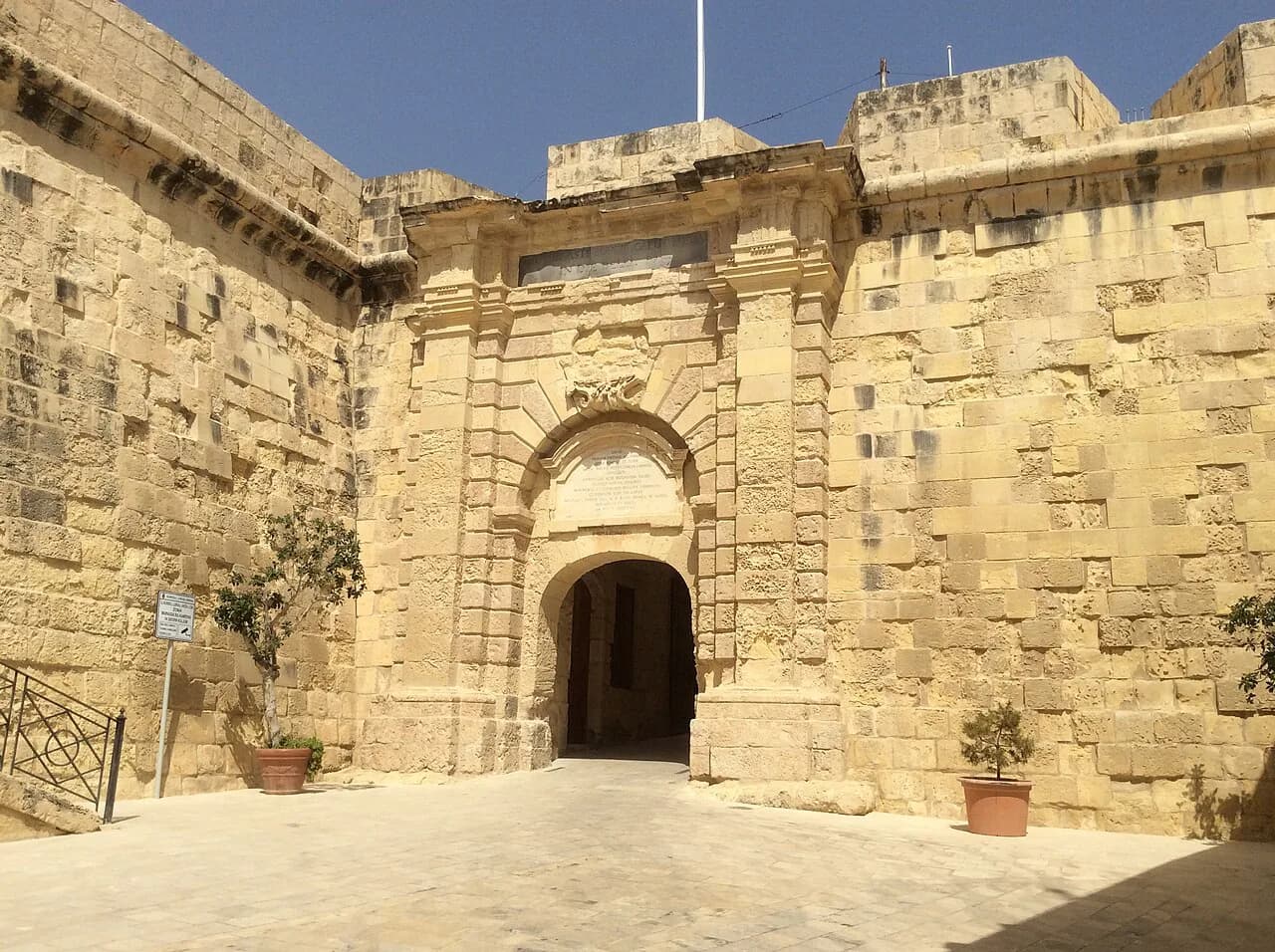
Inquisitor's Palace, Birgu (Il-Palazz tal-Inkwiżitur): a visitor's guide

Allow 60 to 90 minutes for the Inquisitor's Palace on Triq il-Mina l-Kbira in Birgu, and treat it as three visits in one building: a Baroque residence, a Holy Office tribunal with its prison complex, and the national ethnography museum. Heritage Malta runs it as both a historic house museum and the country's ethnography collection, so the palace itself is part of the exhibit rather than a shell around it. This guide covers what each section holds, how to pace a visit and what you pay at the door.
A palace, a tribunal and a national museum in one building
The building began as the seat of the Magna Curia Castellania Melitensis, a civil tribunal, before the institution moved to Valletta in 1572. Two years later Pietro Dusina arrived as Malta's first Inquisitor and Apostolic Delegate, and Grand Master Jean de la Cassière gave him the building, which is how it took its name. Inquisitors then served a dual role as judges of the Holy Office and as the Vatican's representatives on the island.
The Inquisition in Malta ended when the French arrived in 1798, and the palace later served French and British administrations and, for a time after the Second World War, the Dominican Order. Today the visitor route splits into a ground-floor domestic and kitchen area, the piano nobile with its official halls and private quarters across two floors, and the Holy Office spaces including the tribunal chamber, torture chamber and prison complex. A wing also holds the National Textiles Collection.
Where it is in Birgu and how to get there
The address is Inquisitor's Palace, Main Gate Street (Triq il-Mina l-Kbira), Birgu BRG 1023, Vittoriosa, inside the walled old town behind the main gate. The nearest bus stop is about a three-minute walk away according to Heritage Malta. Buses from Valletta serve the Three Cities, and the walk from the Birgu bus stop through the gate is short and mostly level until the final approach to the palace.
Within Birgu the palace sits inside the walled grid of lanes behind the main gate, on the street running down towards the waterfront rather than up at Fort St Angelo. If you are building a day around the city, our Birgu Attractions: 10 Visitor Guides maps the other sites by location so you can order them sensibly on foot.
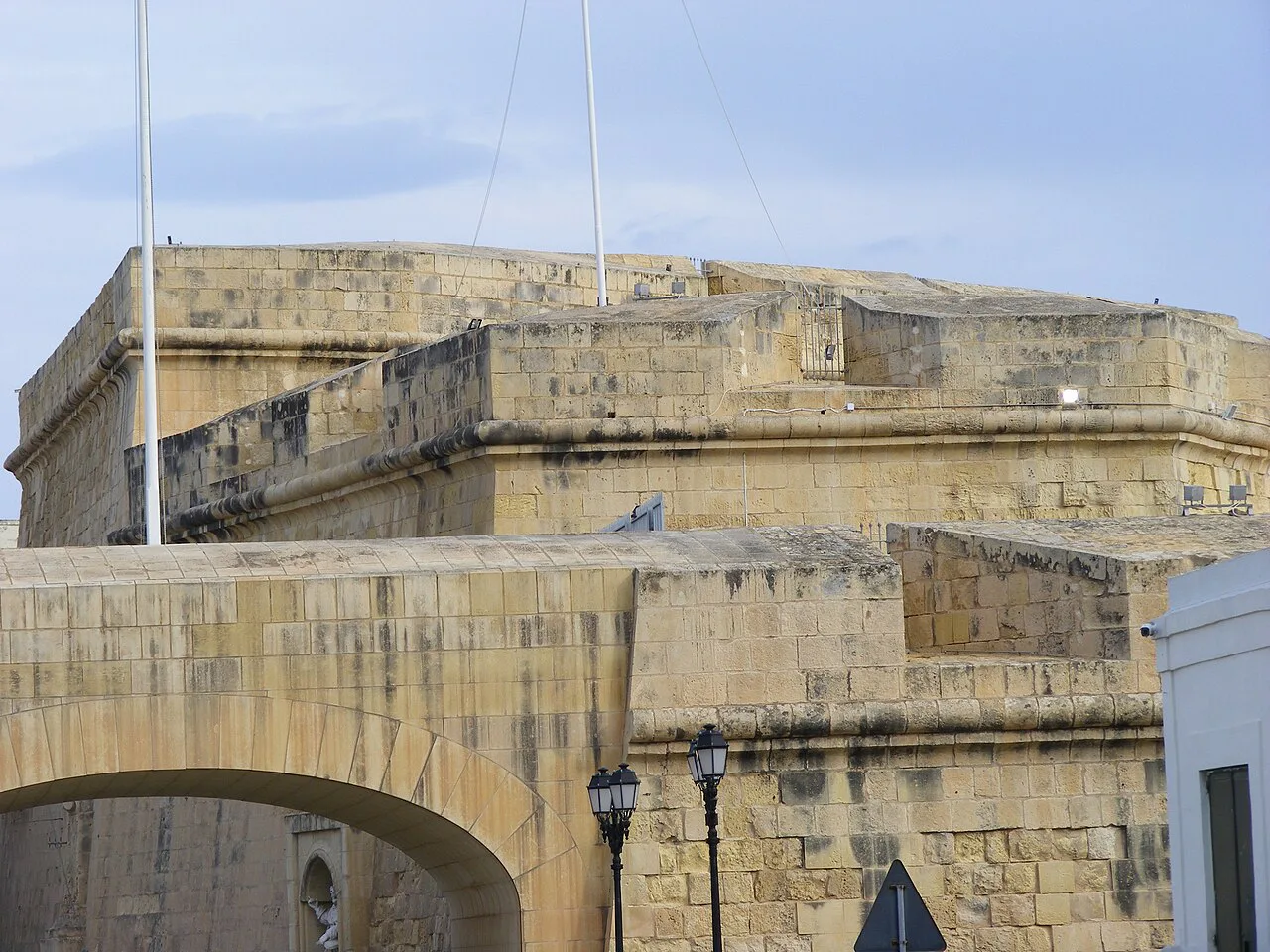

Opening hours and ticket prices
Heritage Malta sets the admission charges: adults €6.00, youths aged 12 to 17 and senior citizens aged 60 and over €4.50, concessions and students €4.50, and children aged 6 to 11 €3.00. Infants up to five go free, and Heritage Malta members and passport holders enter free. These are the published rates, so check the current prices and hours on the Heritage Malta page before you travel.
A Malta Biennale venue listing for the palace gives opening hours of 09.00–17.00, Monday to Sunday. Confirm the day you intend to visit on Heritage Malta's own site before setting out, as schedules can change.
How long to allow and how to pace the three sections
An hour covers the route at a brisk pace; 90 minutes lets you read the tribunal and prison interpretation properly and still give the ethnography galleries their due. Start at ground level with the historic kitchen area, climb to the piano nobile for the official halls and private quarters, then finish with the Holy Office spaces. That order follows the building's own layout and keeps the starkest rooms, the tribunal and prison complex, for last, when you have the domestic context in mind.
If you are short on time, cut the ethnographic displays before the Holy Office rooms: the tribunal, torture chamber and prison are the core of the palace's story. The reverse applies if you have already spent the morning at Fort St Angelo and want a cooler, slower indoor hour.
The domestic quarters: kitchen, Grand Staircase and Cancelleria
The ground-floor historic kitchen area sets up the domestic half of the visit, showing how a powerful ecclesiastic household actually ran. Upstairs, the Grand Staircase and the Cancelleria are the architectural set pieces, the first announcing the Inquisitor's status to anyone climbing to his official rooms, the second serving as the administrative heart of the palace. The piano nobile's halls and private quarters carry the message Heritage Malta describes: a residence built to impress a Vatican diplomat as much as to try anyone.
Look for the contrast between the ceremonial rooms and the modest private quarters off them; it is the clearest way to read how the building mixed home and court. Heritage Malta's photo gallery of the historic kitchen, Cancelleria and Grand Staircase is worth a glance before arrival so you know which rooms matter to you.
The Holy Office: tribunal chamber, torture chamber and prison
The tribunal chamber, torture chamber and prison complex form the third part of the visit and the reason most people come. Heritage Malta's own FAQ is the corrective to the torture-chamber draw: the Roman Inquisition in Malta inflicted torture in less than 1% of cases, and used it as a last resort to extract a confession rather than as a punishment. The accused were spared in old age, weakness, sickness and pregnancy, and inquisitors referred back to Rome before applying it.
The palace's caseload was more mundane than legend suggests, with a good share of accusations about love spells and the evil eye. The Roman Inquisition here is distinct from the Spanish one; it answered to Rome, which is why the building's tribunal has the character it does. Read the case material in the prison rooms slowly, because that is where the gap between popular imagination and the record is clearest.
If you want more than the panels give, Heritage Malta takes guided tour requests through its website. A guide is most useful in the Holy Office section, where the legal procedure and the architecture of the tribunal need unpacking to make sense.
The National Textiles Collection wing
One wing of the palace holds the National Textiles Collection, which sits somewhat apart from the Inquisition story and rewards a slower look. It is also the section most easily skipped when the palace is busy, so decide before you go in whether textiles are your priority or the tribunal is. If you are visiting with someone who came for the ethnography rather than the prison, this wing is where to spend the extra time.
Accessibility and what to expect on the floors
Heritage Malta flags uneven flooring, low lighting and low doorways in the palace, and rates the site as partially accessible: some areas cannot be fully reached by visitors with mobility impairment. Low light in the prison and tribunal rooms means the displays are dim, and the low doorways catch tall visitors, so watch your head in the older sections.
Wear shoes with grip for the uneven floors, and carry water in summer, since the stone rooms and stairs warm up through the day. If anyone in your group uses a wheelchair or has limited stamina on stairs, ask at reception on arrival which rooms are reachable, because the two-floor piano nobile is where the route gets hardest.
Nearby in Birgu to pair with the visit
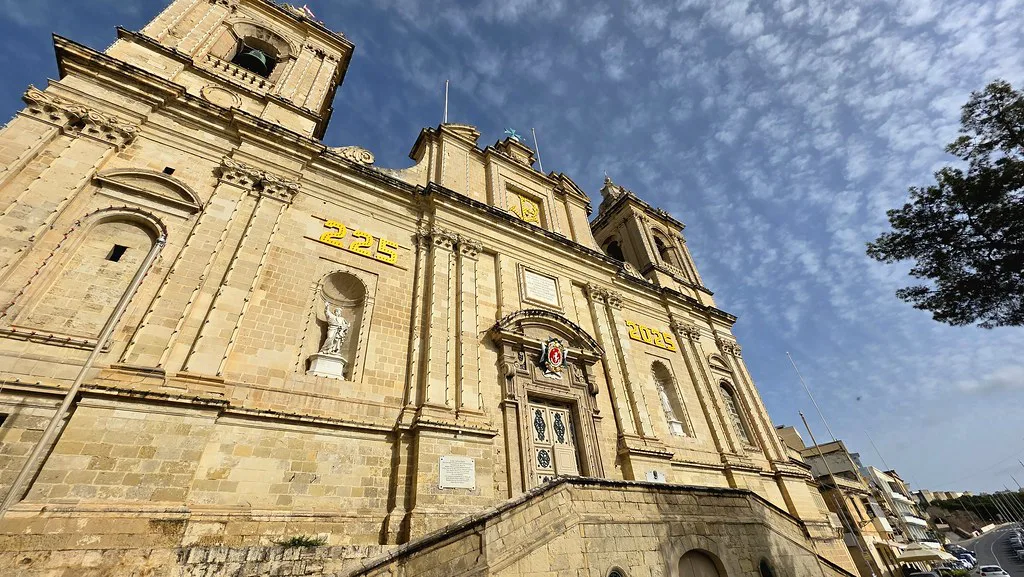
Fort St Angelo anchors the tip of Birgu's peninsula and makes the natural companion stop, best done before the palace when the morning is cooler. The Malta at War Museum in Birgu covers the city's twentieth-century story and pairs well with the palace for a full day. St Lawrence Church, Birgu (San Lawrenz) and the Auberge d'Angleterre, Birgu fill out a short walk through the old town.
The Malta Maritime Museum in Birgu sits by the waterfront and works as a third stop if you are giving the city a full day. Across the harbour, Gardjola Gardens, Senglea give you the classic view back over Birgu, for which you cross to L-Isla rather than add it to the same walking loop.
For the wider picture of how the old town is laid out and what else is worth your time, our guide to Birgu, Malta covers the gates, squares and waterfront in more depth than a single attraction page can.
Facilities and booking at the palace
The palace has a gift shop and indoor and outdoor seating, so you can take a break between the domestic rooms and the Holy Office section without leaving the building. Heritage Malta sells tickets through its online store, and if you want a guided tour, request one through the Heritage Malta website rather than expecting one to be waiting at the door.
Is the Inquisitor's Palace worth an hour of your Birgu day?
Yes, if you want one building that explains how power worked in early modern Birgu, and the honest version of the Inquisition rather than the torture-chamber caricature. Skip it if you are already tight on time across the Three Cities and only have room for Fort St Angelo and a walk through the lanes. Here the tribunal, prison and ethnography collections all sit under one roof, which is hard to match elsewhere in the city.
Explore more Birgu guides
Frequently Asked Questions
Do I need to book Inquisitor's Palace tickets in advance?
Heritage Malta sells tickets through its online store, and booking ahead is the simplest way to secure entry for the day you want. A guided tour is not offered on demand: request one through the Heritage Malta website if you want it.
How far is the Inquisitor's Palace from the Birgu bus stop?
The nearest bus stop is about a three-minute walk from the palace entrance on Triq il-Mina l-Kbira, which puts the museum within easy reach of the routes serving the Three Cities.
Can I visit the Inquisitor's Palace with limited mobility?
Heritage Malta rates the palace as partially accessible: uneven flooring, low lighting and low doorways mean some areas cannot be fully accessed by visitors with mobility impairment. Ask at reception which rooms are reachable on the day.