
Gozo attractions: how to plan your sights and walks
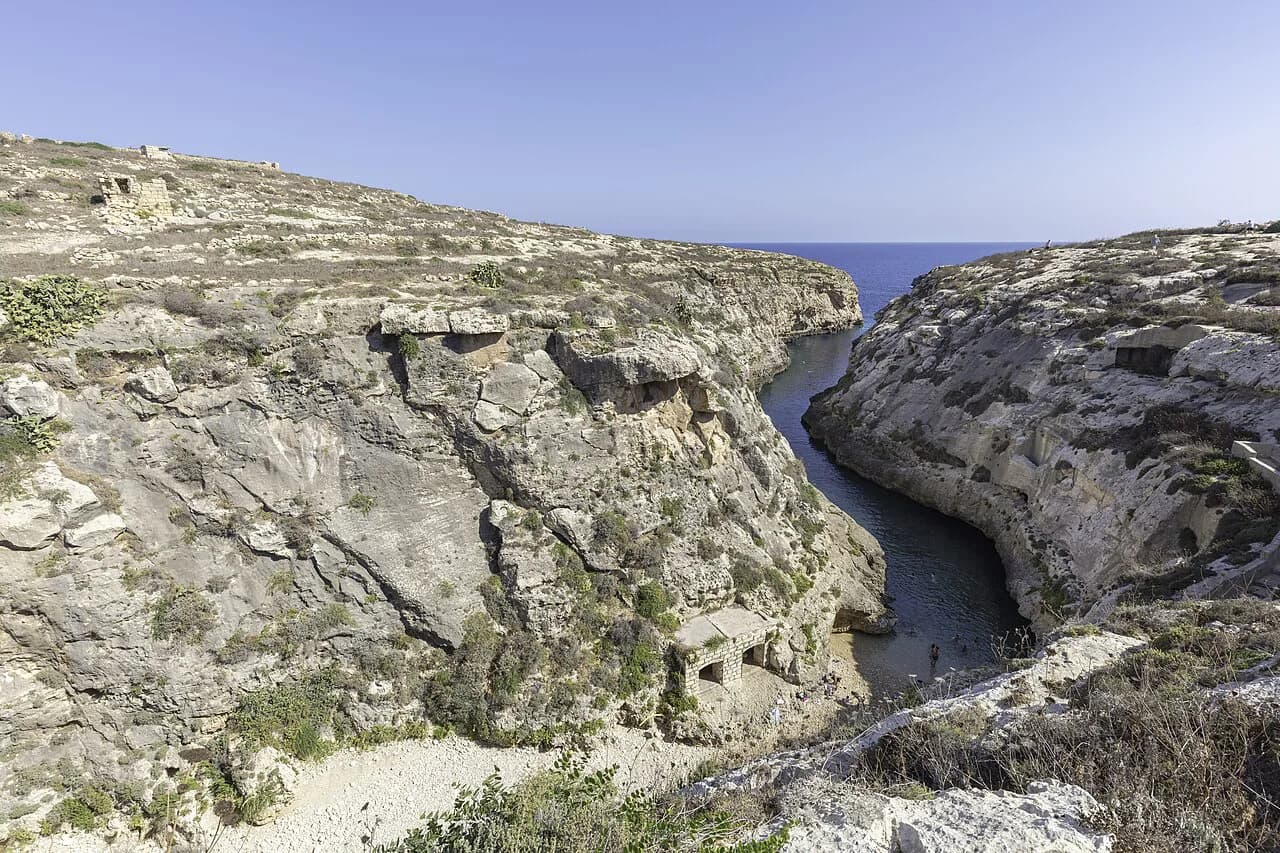
Gozo's sights pull in different directions: the island's most-visited pilgrimage church stands alone in open fields outside Għarb, while its busiest natural draw is a cliff-walled inlet at the mouth of the Għasri valley, reached by roughly 100 steps cut into rock. Between them lie a salt-pan coastline, a clifftop lagoon and a scattering of quiet valleys with no ticket desks at all.
What costs nothing is most of the island's outdoor appeal: entry to Ta' Pinu Basilica is free, the Xwejni salt pans have no ticket desk, and Lunzjata Valley has no formal entrance. Dwejra is the exception, with boat-ride fares set locally, and the Ġordan Lighthouse tower is often shut, so any look inside is a bonus.
Distances are short but roads are narrow and buses stop early, so pair a coast stop with an inland one rather than zig-zagging. Calypso's Cave is sealed off by rockfalls and the Ta' Kola windmill partly collapsed in 2025, so check access before travelling to either.
| Place | Time to allow | Cost | Area |
|---|---|---|---|
| Ta' Pinu Basilica, Gozo | 1-3 hours | free entry to the church | Triq ta' Pinu, outskirts of Għarb |
| Wied il-Għasri, Gozo | half a day | no ticket needed; open access | Għasri, north coast of Gozo |
| Dwejra, Gozo | half a day | Free and paid parts | San Lawrenz, north-west coast |
| Gozo Salt Pans at Xwejni | 20-40 minutes | no ticket desk; only transport and any salt you buy | Xwejni Bay, Żebbuġ, north coast |
| Xewkija Rotunda | about an hour | – | Xewkija, south-east of Victoria |
| Ġordan Lighthouse, Gozo | 30-45 minutes | free entry; no admission price set out | Ġurdan hill above L-Għasri |
| Lunzjata Valley, Gozo | about an hour | Free | Kercem, off the Victoria to Xlendi road |
| Calypso's Cave, Gozo | 30 minutes plus the climb | – | western side of Ramla Bay, near Xagħra |
| Ta' Kola Windmill, Xagħra | 30-45 minutes | – | Xagħra |
Gozo attraction guides
Ta' Pinu Basilica, Gozo: Visiting the National Shrine at Għarb
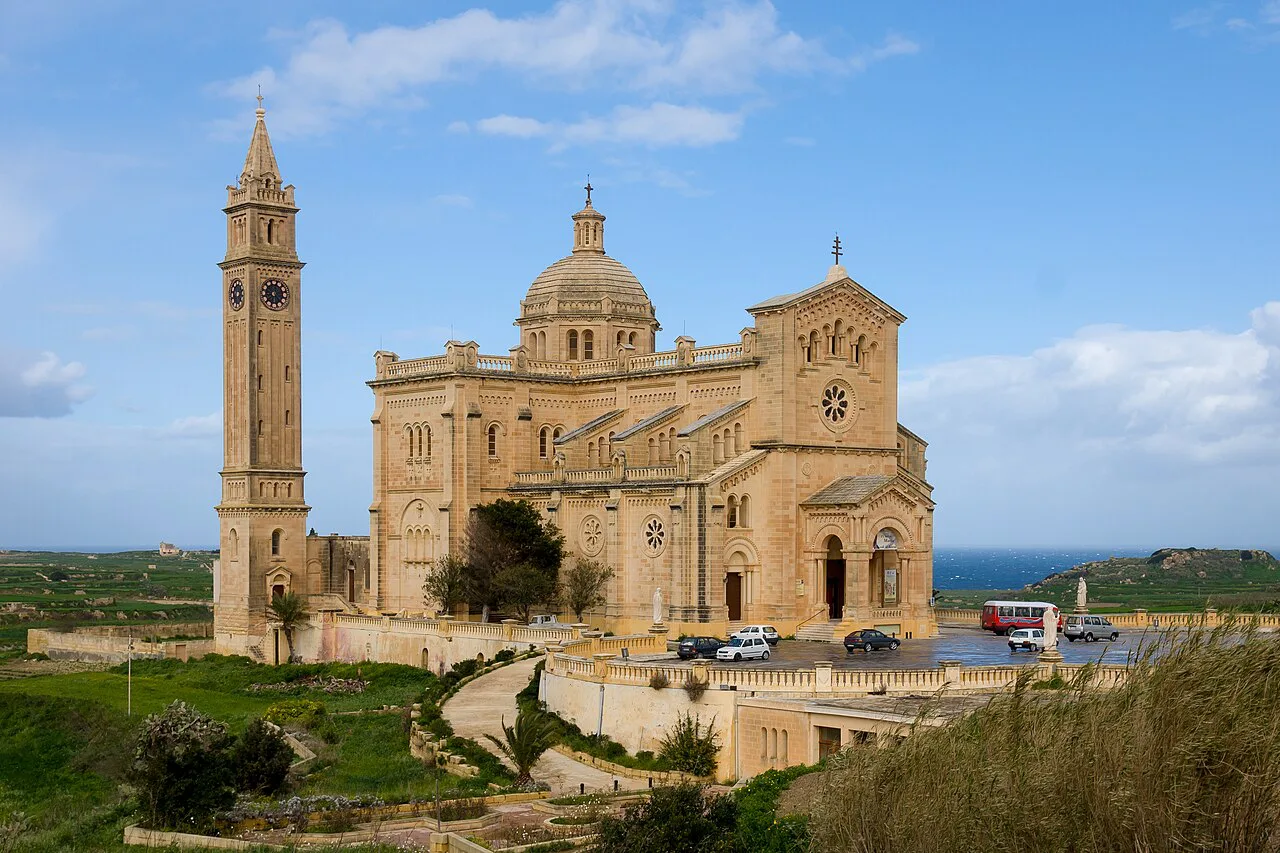
A pilgrimage church standing alone in open fields outside Għarb, with an older chapel kept intact behind the main altar. Entry is free, and bus 308 from Victoria runs roughly hourly.
1-3 hours · free entry to the church · Best for pilgrims and church interiors
Wied il-Għasri, Gozo: the gorge, the steps and the pebble inlet
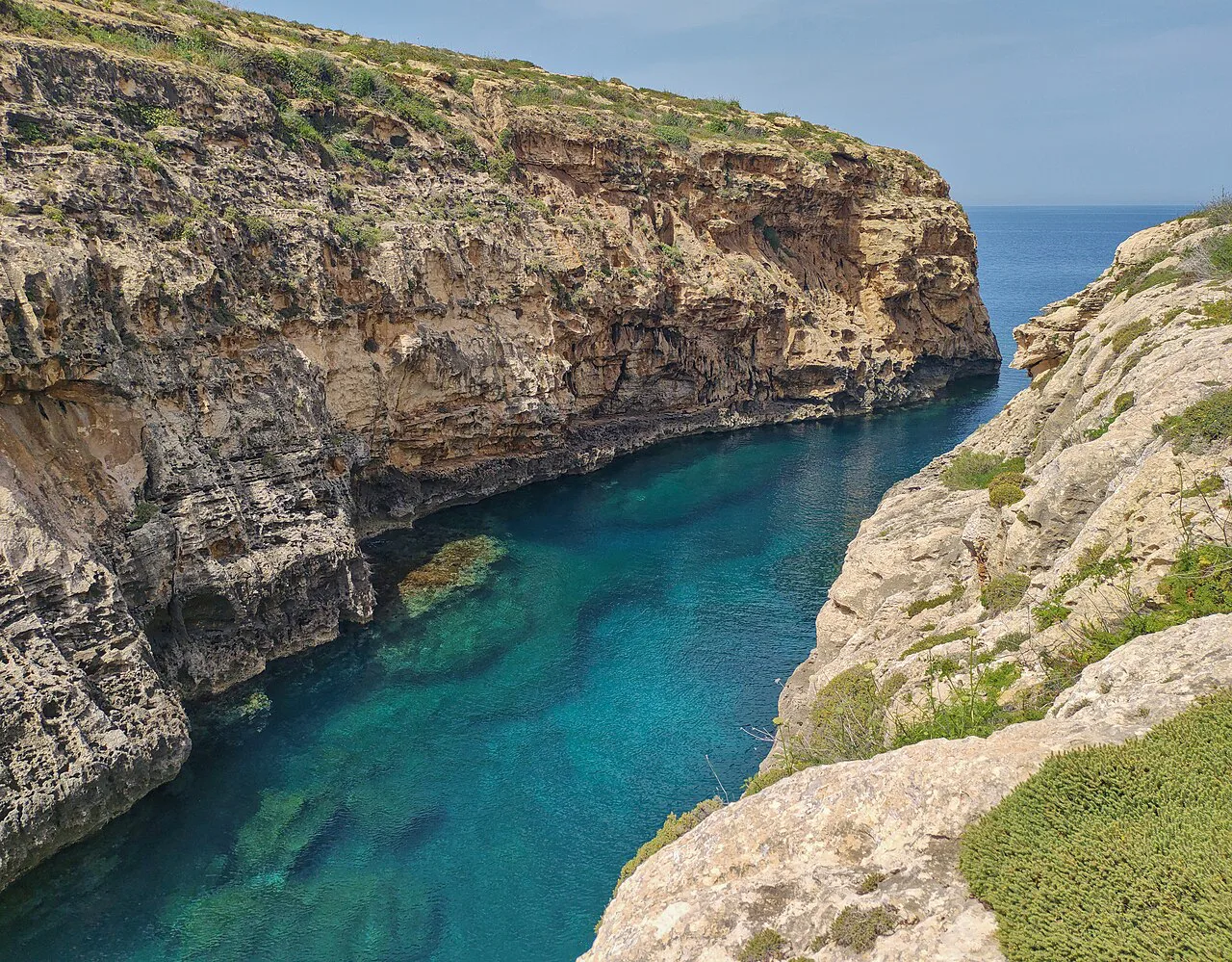
A cliff-walled inlet at the mouth of the Għasri valley, reached by roughly 100 steps cut into the rock. The final stretch is damaged and missing railings, so wear gripping shoes, and treat swimming as risky when currents and swell pick up.
half a day · no ticket needed; open access · Best for confident walkers, calm-day swimmers
Dwejra, Gozo: Inland Sea, Blue Hole and Dwejra Tower
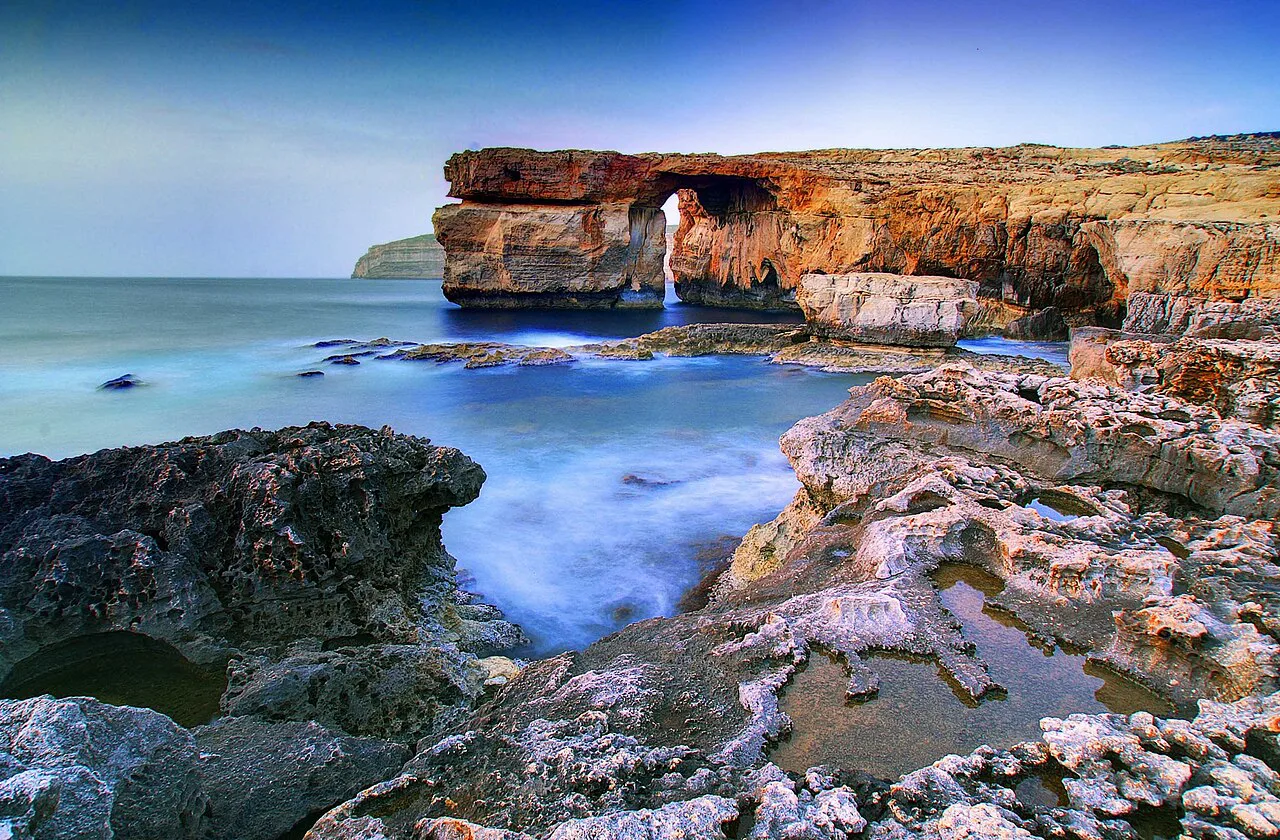
Clifftop sights on Gozo's north-west coast: a sheltered lagoon with boat trips through a tunnel, a collapsed cave you can swim into, and a restored 1652 watchtower. Ground is rough and buses stop early, so bring grippy shoes.
half a day · Free and paid parts · Best for walkers, swimmers and divers
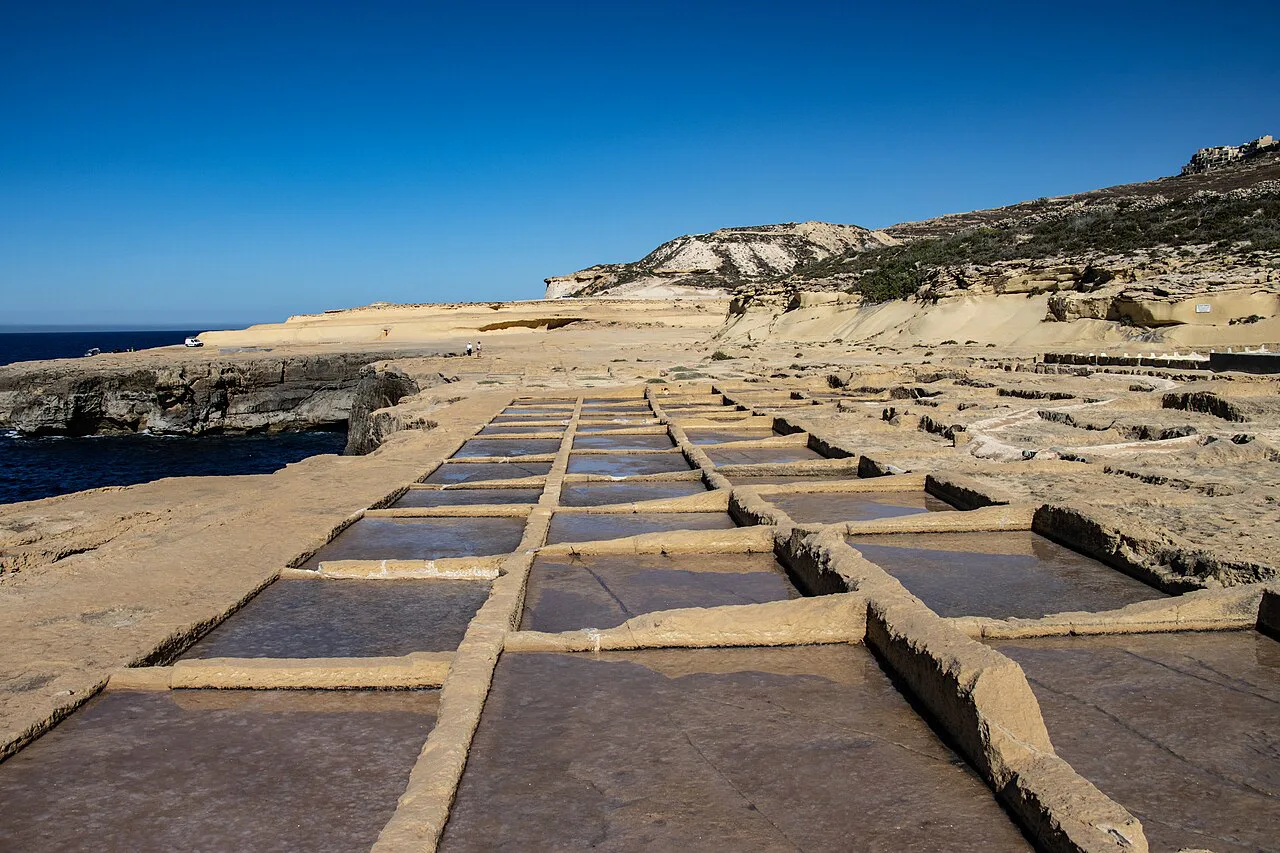
Gozo Salt Pans at Xwejni: What to See and How to Visit
Working sea-salt basins cut in rows along Gozo's north shore near Marsalforn, best seen from the roadside. Come between May and August, ideally early morning, to catch the harvest; in winter the pans lie idle.
20-40 minutes · no ticket desk; only transport and any salt you buy · Best for north coast drivers, salt buyers
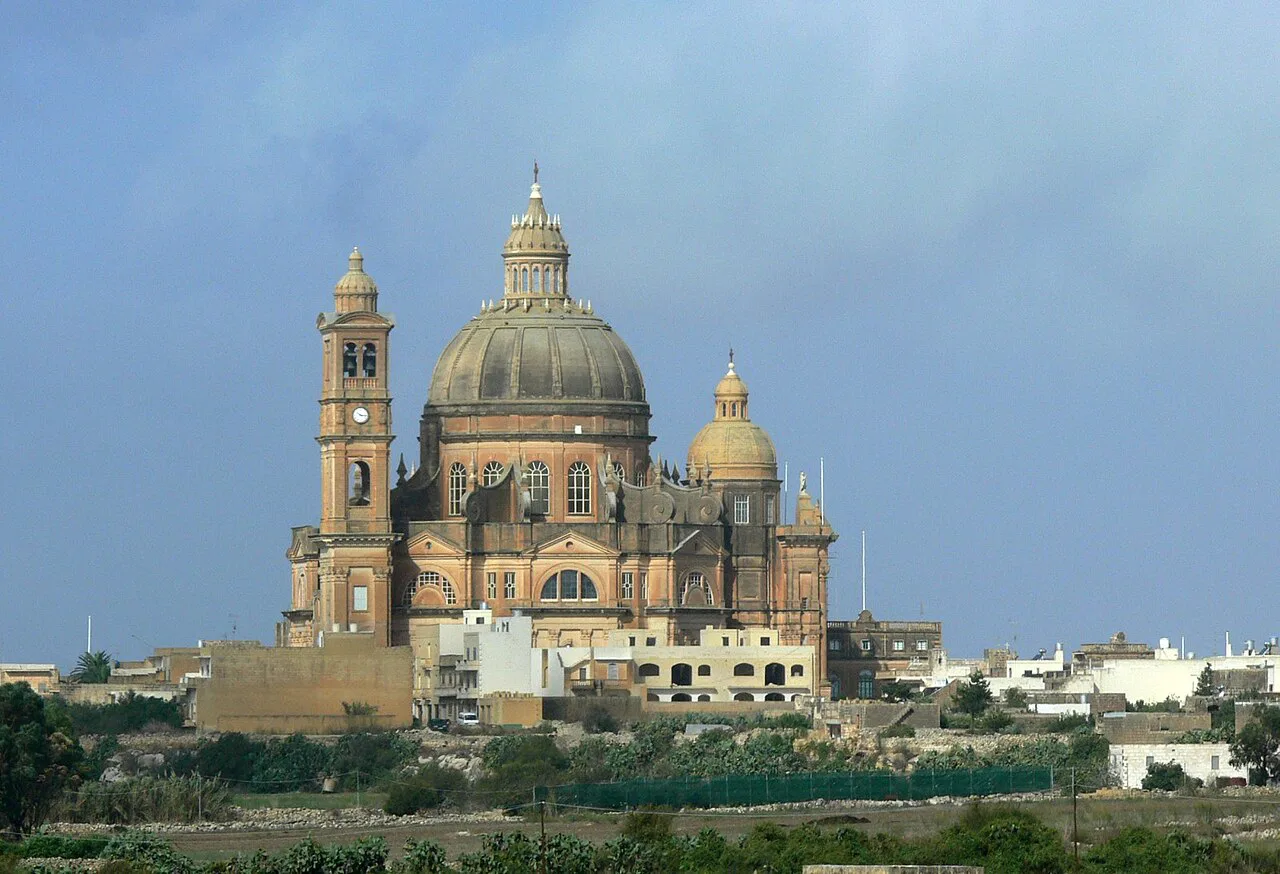
Xewkija Rotunda: Visiting Gozo's Domed Church
Gozo's largest church is a circular limestone landmark in Xewkija, with a lift to the dome starting inside the neighbouring Museum of Sculpture. Note that services take priority over sightseeing, so time your visit between masses.
about an hour · Best for architecture and island views
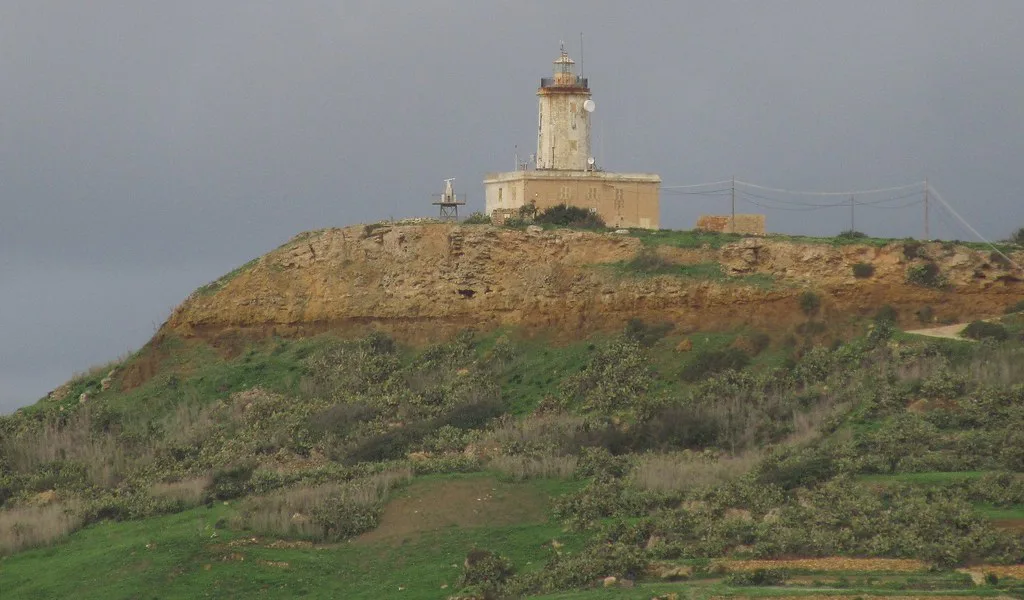
Ġordan Lighthouse, Gozo: Visiting Ta' Ġurdan Hill
An active lighthouse on high ground above L-Għasri, reached by a short drive up narrow lanes for wide views over Gozo's northern coast. The tower itself is often shut, so treat any look inside as a bonus.
30-45 minutes · free entry; no admission price set out · Best for northern Gozo view stops
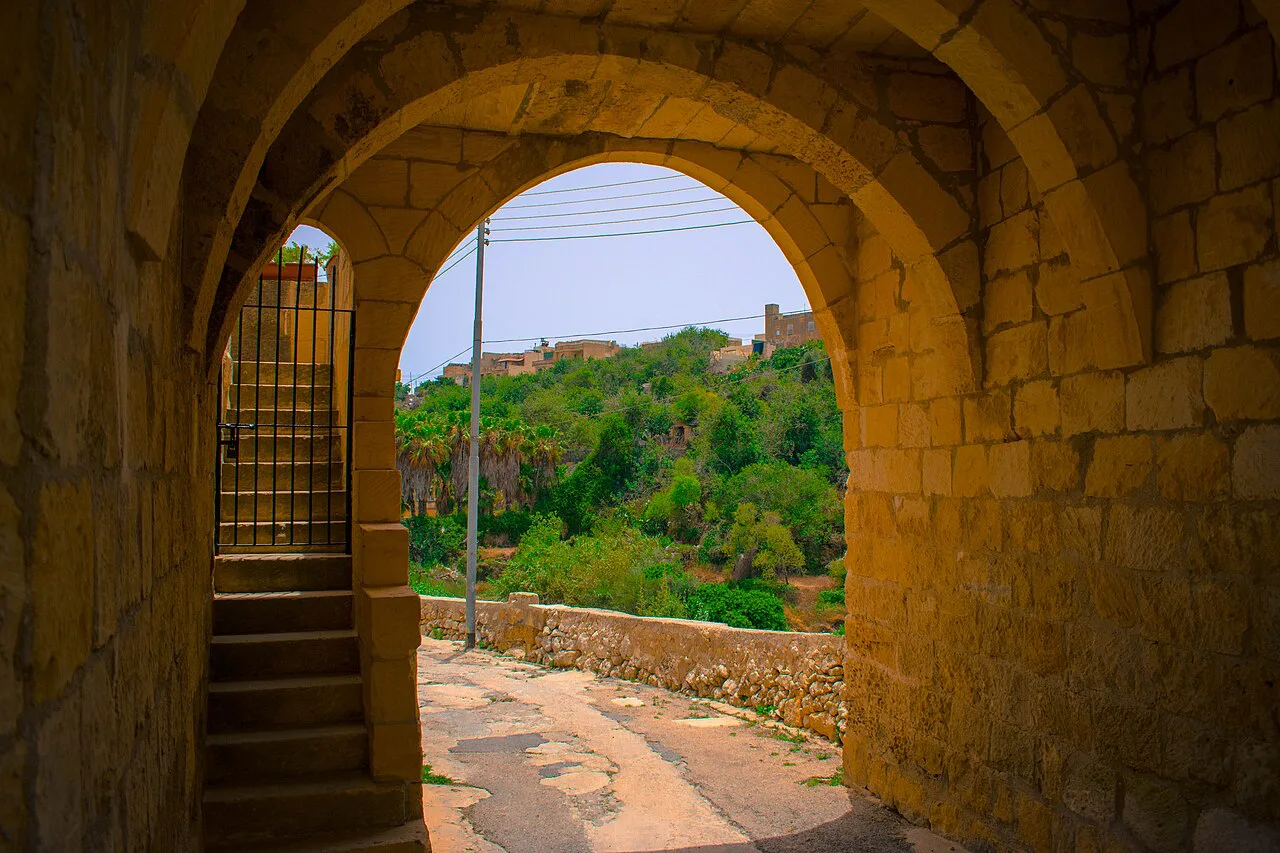
Lunzjata Valley, Gozo: Where It Is and What You'll See
A spring-fed farmed valley in Kercem with a small rock-cut chapel and a working 1698 fountain a few minutes apart. There is no ticket office or formal entrance; park on the road above and walk the steep, uneven lane.
about an hour · Free · Best for walkers wanting quiet farmland
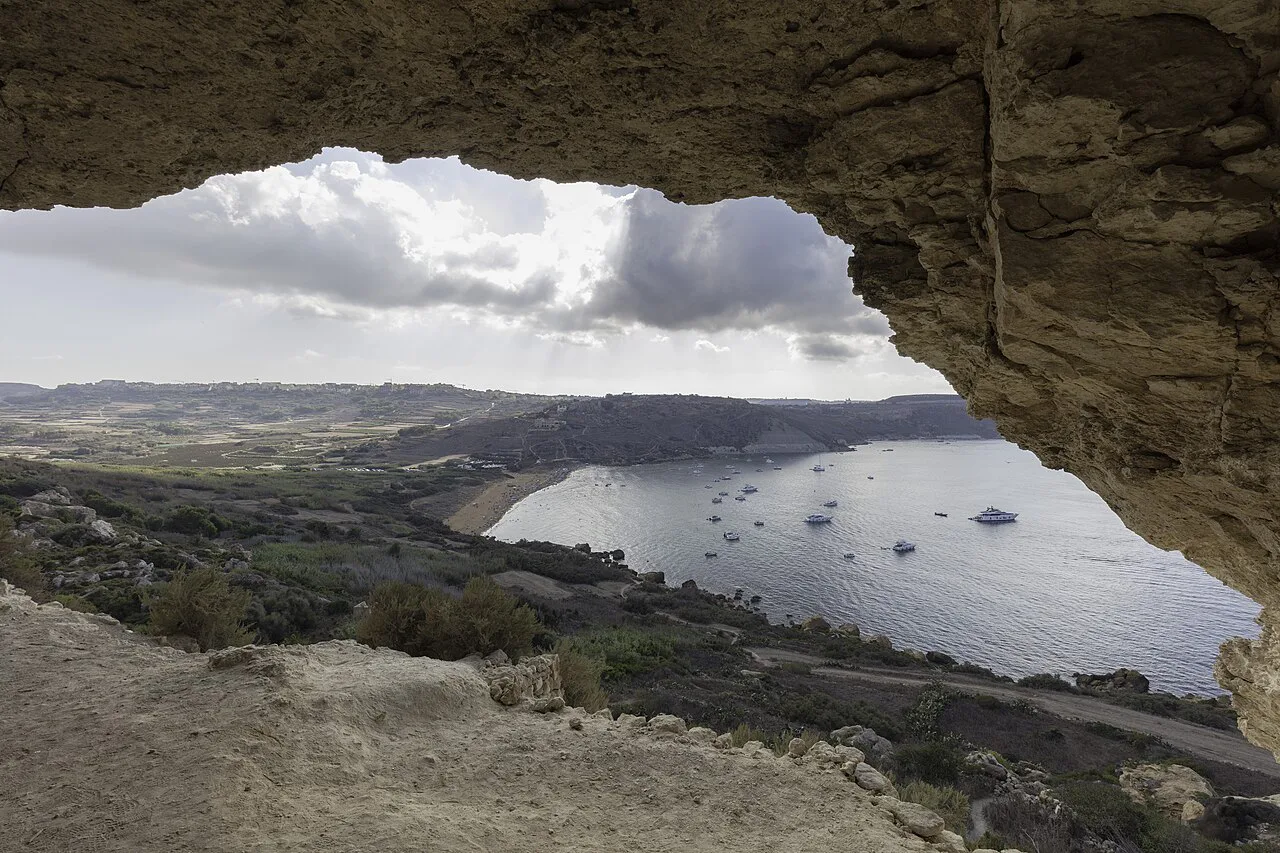
Calypso's Cave, Gozo: How to Get There and What You'll See
Closed: Interior closed after geological movement; entry forbidden and boulders block the passage
The cave itself is sealed off by rockfalls, so come for the walk through the stone archway and karst garden and the view down over Ramla Bay's red sand. Allow half an hour, wear grip shoes and avoid the midday sun on the stairs.
30 minutes plus the climb · Best for legend, archway and bay views
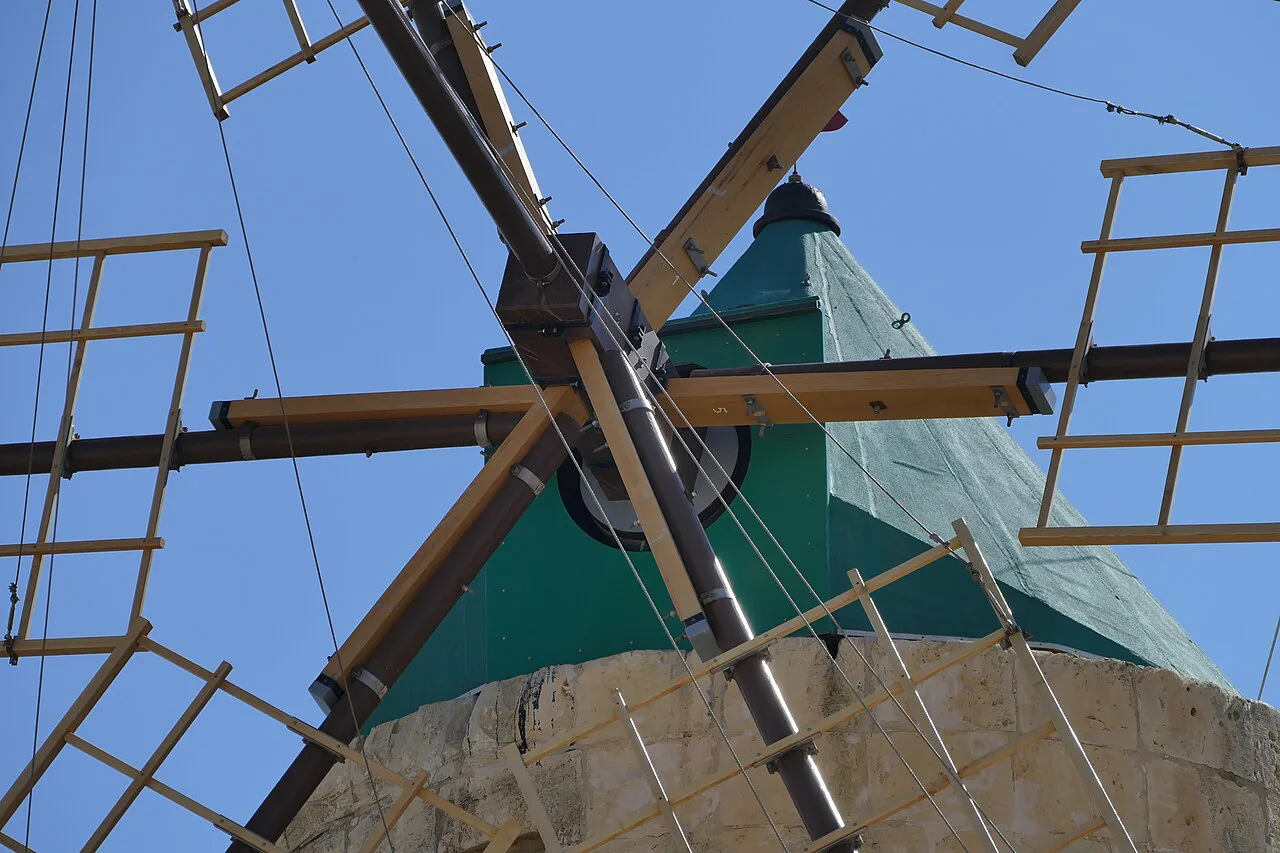
Ta' Kola Windmill, Xagħra: Visiting Gozo's Milling Heritage Site
Temporarily closed: Part collapsed October 2025; reopening not confirmed, check with Heritage Malta
A stone windmill in the middle of Xagħra that still holds its gearing and millstones, so the inside rewards a slow look rather than a snap from the street. Part of it collapsed in 2025, so confirm access before travelling.
30-45 minutes · Best for visitors already in Xagħra
Free sights across Gozo
Ta' Pinu Basilica outside Għarb charges nothing for entry to the church, and Wied il-Għasri needs no ticket for open access to the gorge and pebble inlet. The Xwejni salt pans have no ticket desk, so you pay only transport and any salt you buy, and Lunzjata Valley in Kercem has no tickets and no formal entrance: park above and walk the steep lane. Calypso's Cave has no admission price posted, though its interior is closed.
Indoor churches and wet-weather plans
Xewkija Rotunda is the one fully indoor sight, its lift to the dome starting inside the neighbouring Museum of Sculpture, though services take priority over sightseeing. Ta' Pinu Basilica is mixed, with an older chapel kept intact behind the main altar, and Ta' Kola windmill in Xagħra holds its gearing and millstones inside. On a dry day, Dwejra's rough ground and the steps at Wied il-Għasri reward grippy shoes; the salt pans are best between May and August, early morning, when the harvest is under way.