
Chadwick Lakes, Rabat: What to See and How to Reach the Valley

Chadwick Lakes is a valley walk between Rabat and Mtarfa, not a formal attraction with a gate or a ticket desk. The water you see is rainwater held back by a series of small dams and channels, which is why the valley looks different after heavy rain and drier in a long dry spell. This guide covers where the valley sits, how to walk in from Rabat, how long to allow and what to bring.
What Chadwick Lakes actually is
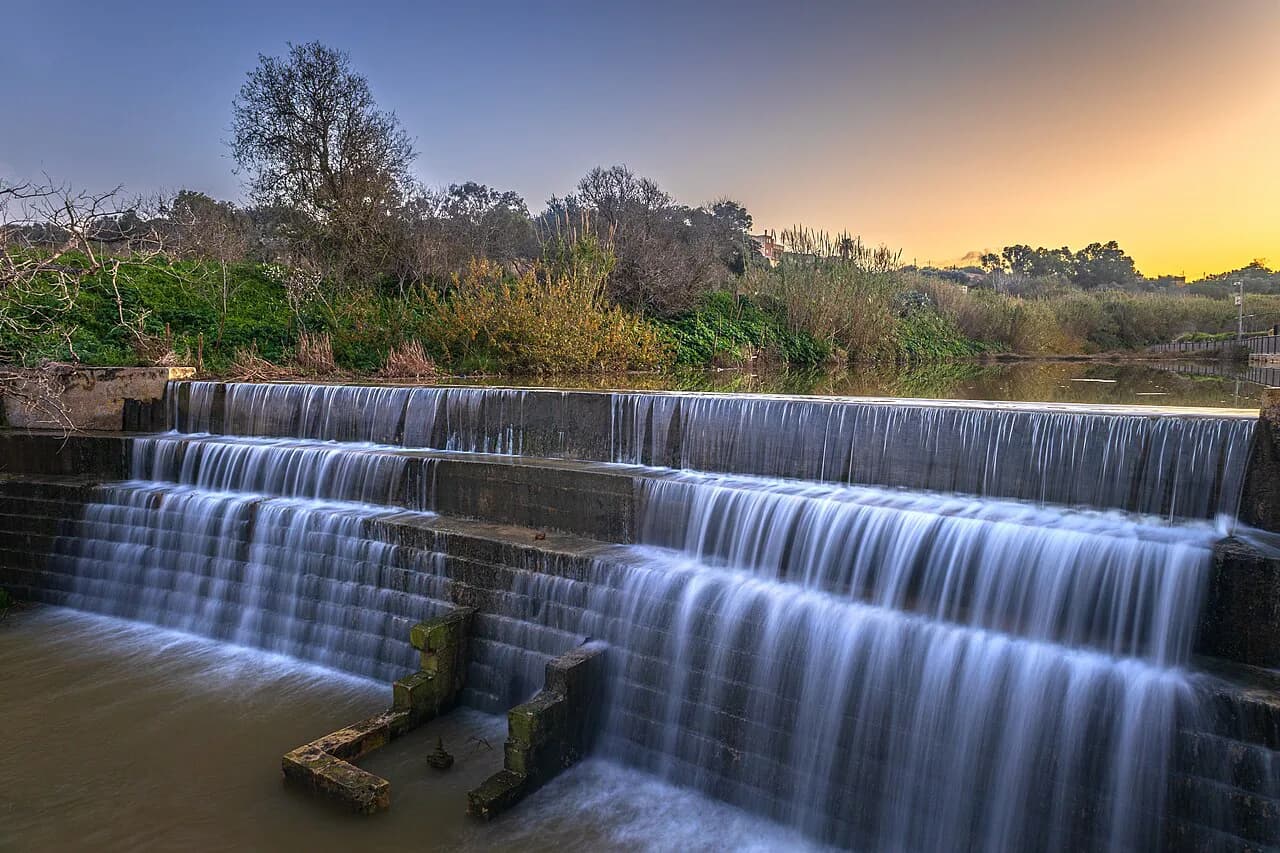
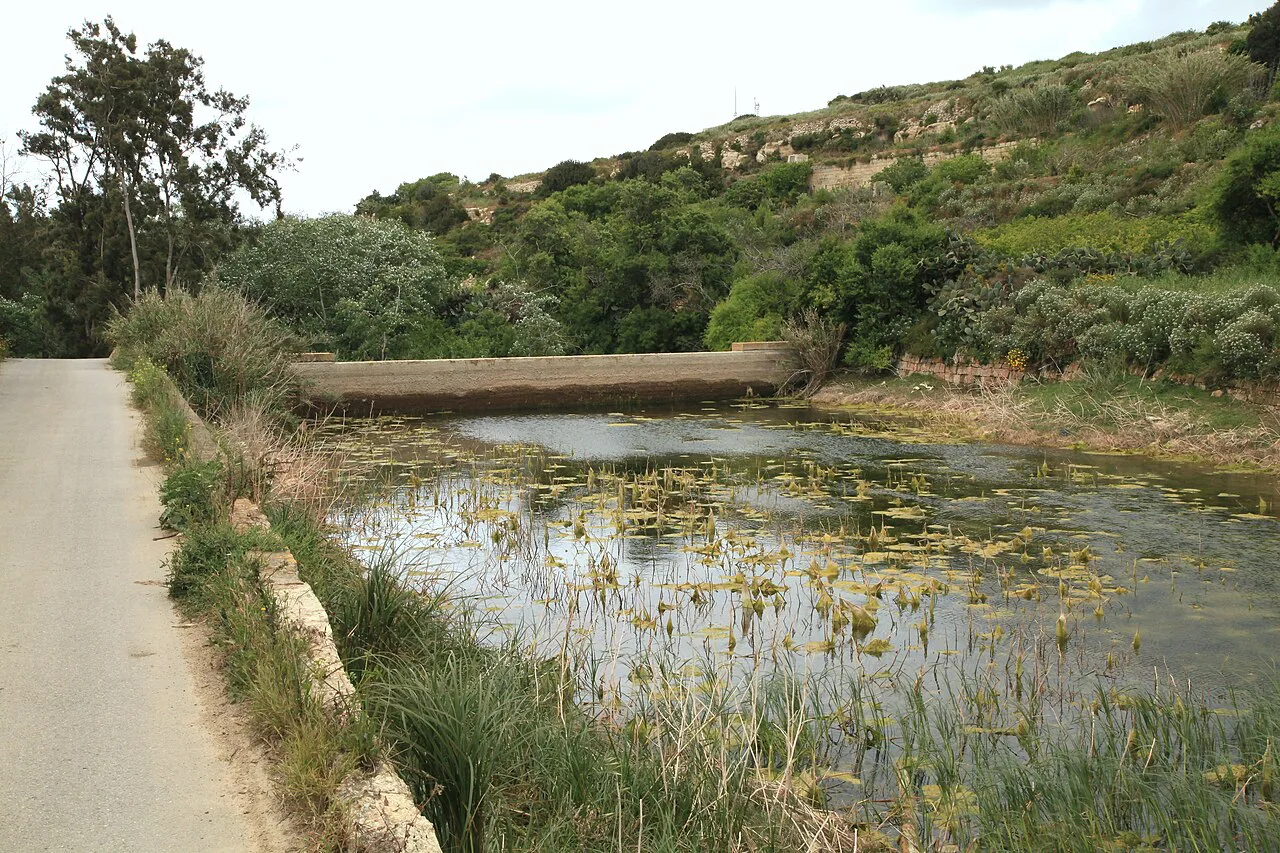
The name covers the stretch of the Fiddien valley, known in Maltese as Wied il-Qlejja, that runs below Rabat and Mtarfa. A chain of low dams and channels slows the rainwater coming down the valley, so the bed fills and flows after wet weather rather than holding a permanent lake. Read the name that way and the site makes sense: it is a piece of countryside with water engineering in it, best visited on foot.
Because the water depends on rainfall, the valley is at its most photogenic after winter rain, when the channels run. In late spring and summer you should expect a greener, drier valley with little or no flow. There is no need to time a visit to an opening schedule; this is open countryside, and the VisitMalta attraction page is the place to confirm the current position before you go.

Where the valley sits between Rabat, Mtarfa and Mdina
Chadwick Lakes lies just outside Rabat, on the road and valley line towards Mtarfa, with Mdina on the ridge above Rabat. That puts it within easy reach of the two towns most visitors already have on their list, which makes it a natural half-day add-on rather than a separate excursion. If you are building a day around the area, the wider set of Rabat Attractions: 11 Visitor Guides covers the churches, catacombs and museums in town.
The Mtarfa side is the higher ground, and the village sits above the valley with the steepest climb of the area on its approach. Planning your route so that you walk downhill into the valley and take the uphill stretch once, rather than repeatedly, makes the day far more comfortable.

Getting there from Rabat on foot
The most straightforward approach from Rabat starts at the square in front of the Basilica of St Paul, from where you head out towards the outskirts of Mtarfa and pick up the valley. That is the route a guided Rabat–Mtarfa–Chadwick Lakes walk took in February 2026, covering about 6.5 km with the return climbing steeply through Mtarfa back into Rabat. Treat those figures as a route description, not a fixed trail you must follow.
On foot from the centre of Rabat, allow a comfortable margin: the valley is a short walk out of town, but the return leg is where the climbing bites. The BirdLife Malta route was rated easy to moderate apart from the steep hill through Mtarfa, which is a fair summary of what to expect if you follow the same line.
You do not need a guide to walk the valley, but a booked walk is a way to have the route and the timing handled for you. Booking rules, group sizes and any meeting arrangements are set by the organiser each time, so confirm them with the organiser rather than assuming a pattern.
What you see along the valley
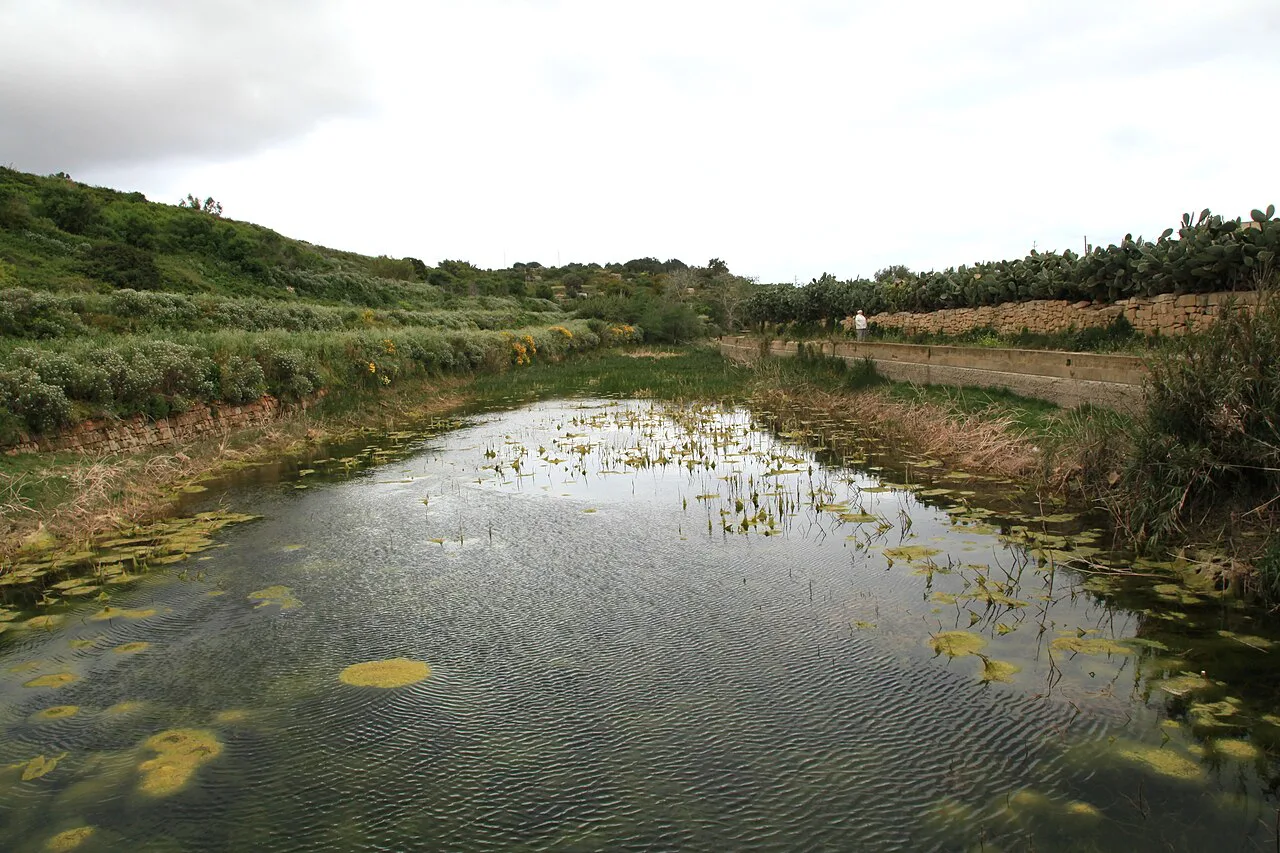
The valley floor is a mix of water channels, small dam walls and open countryside, with the built-up edge of Rabat and Mtarfa never far above you. After rain, the sound of running water and the green banks are the main draw; in dry months the same walk is about the shape of the valley and the views back up to the towns. This is a place to look at closely rather than a list of monuments to tick off.
There is also birdlife in the valley and on the surrounding slopes, which is why the area appears on organised wildlife walks. If that is your interest, bring binoculars and go quietly, and keep to the path where the ground is soft.
The trail: length and what the going is like
A roughly 2 km trail runs through the valley, and it is the core of most visits. The surface is uneven in places and some sections are awkward with a pushchair, so a carrier is the more realistic choice for a small child. Expect rough ground underfoot rather than a paved promenade.
There is little shelter from the elements along the valley and nowhere to use a restroom, which shapes how you plan the walk more than the distance does. Set off with that in mind, particularly in the middle of the day when the sun is strongest.
How long to allow, and the Mtarfa climb
For the valley trail alone, an hour to ninety minutes covers the 2 km path at an unhurried pace with stops for photographs. Add the walk out from Rabat and back and you are into a half day, more if you take the Mtarfa loop.
The steep section is on the Mtarfa side, where the route climbs through the village back towards Rabat. Take it slowly, in the cooler part of the day, and save enough energy for it rather than treating it as a gentle finish.
What to bring
Wear shoes with grip, since the path is uneven and can be muddy after rain, and carry more water than the distance suggests because shade is scarce. A hat and sun protection matter here even on a mild day, and there are no facilities to fall back on.
Bring out whatever you bring in, as there are no bins or restrooms along the valley. If you are walking with children, plan around the lack of shelter and the rough ground rather than expecting a park-style outing.
After rain, and when the valley is dry
Heavy rainfall is what makes the dams and channels work, so a visit in the days after a wet spell gives you the flowing landscape the name suggests. Later in the year the flow drops away and the valley turns dry, which is still a pleasant walk but a different one.
There is no swimming here, and it would be a mistake to plan a visit around cooling off in the water. Come for the walk and the countryside, and keep any swim for elsewhere on the island.
Combining the valley with Mdina and Rabat
Mdina and Rabat sit right above the valley, so the obvious pairing is a morning in the walled city and a walk down into Chadwick Lakes afterwards, or the reverse. In Rabat itself, St Paul's Catacombs and St Paul's Grotto are the two underground sites most worth your time, and both are a short walk from the basilica square where the valley route begins.
If you would rather stay in town than head into the valley, Casa Bernard and the Domus Romana give you a house museum and a Roman site within Rabat's streets, and the Pjazza San Pawl is the natural place to start and end a day.
Is the valley worth the detour from Rabat?
Yes, if you want an easy countryside walk within reach of Rabat and Mdina and you accept the trade-offs: rough ground, no shade, no restrooms and a steep climb if you go via Mtarfa. Skip it if you need a paved, pushchair-friendly path or a guaranteed stretch of water.
Check the weather and any organiser updates the day before you set out, and treat the valley as open countryside rather than a ticketed site. That framing will keep your expectations and your packing in line with what the walk actually is.