Gozo Villages: Which to Visit and How to Combine Them
A practical guide to Gozo's villages, from Għarb and Xagħra to Xlendi and Marsalforn, with what each is known for and how to link them in a day.
On this page
Gozo suits two or three villages in a day, not a circuit of them all. The island is rural, with villages set among open fields and rolling hills that contrast sharply with Malta, so the travelling between stops eats more time than the distances suggest. This guide groups Gozo's villages into inland, western and coastal sets, names the specific sights that justify each stop, and explains how to link them from Victoria (Rabat), the island's capital.
If your time is short, the strongest combination is Xagħra for Ġgantija and Ta' Kola Windmill, Għarb for its folklore museum and crafts village, and one coastal village in the evening. Victoria sits in the middle of the island and works as the pivot for all three. For the larger picture of how Gozo fits into a Malta trip, see is Gozo worth visiting before you commit a full day to it.
How Gozo's villages are laid out around Victoria (Rabat)
Victoria, also called Rabat, is the island's capital and the practical centre for village-hopping. Roads radiate from it: Għarb lies about 3 km northwest, according to Discover Gozo, and the eastern villages of Xagħra and Nadur sit on the other side of the island. Treat Victoria as the hub where you change buses, park, or regroup over a coffee between stops.
The Maltese islands are scattered with villages surrounded by fields and nature, busy towns on market days and livelier cities, which is a fair description of Gozo's mix of quiet hamlets and larger settlements. In practice that means a morning in one village square, a mid-afternoon sight, and a coastal stop later. Planning a Gozo map of stops before you set out saves doubling back on the same road twice.
The Citadel that crowns Victoria, the Ċittadella (Citadel), is worth folding into any village day, because you pass through the capital anyway. Read things to do in Victoria Gozo for the detail inside the walls, then use the town as your lunch and transport reset.
Għarb: the westernmost village, its folklore museum and Ta' Dbiegi Crafts Village
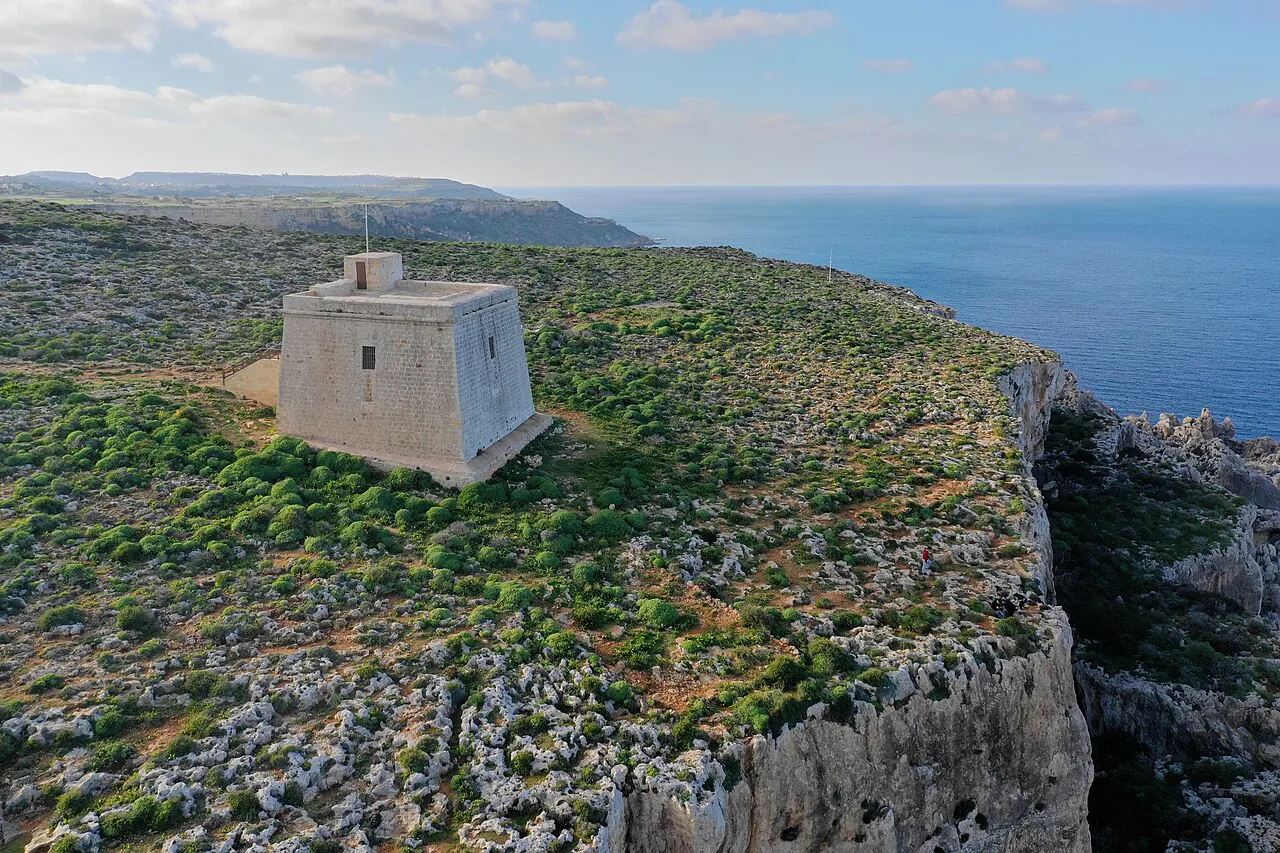
Għarb means west, and it is the westernmost village of Gozo, created a parish in 1679. Excavations here have found evidence of Neolithic and Bronze Age settlement, though no remnants are visible today, and the village keeps a traditional way of life tied to the land. It is the western stop that most justifies the drive.
The core sight is the l-Għarb Folklore Museum, set in an old house in the heart of the village, where artefacts illustrate the traditional crafts and lifestyles of local people. Pair it with Ta' Dbiegi Crafts Village nearby, where you can watch Gozo lace, pottery and mouth-blown glass being made, and buy a souvenir directly. Allow an hour or so for the pair rather than a rushed 20 minutes.
Għarb is also where the island's crafts and religious heritage overlap, so if carved stone and church interiors are your interest, add it to a circuit with the bigger Gozo churches. Check current opening times for the folklore museum and crafts village before travelling west, since both are small operations.
Ta' Kerċem and Santa Luċija: the small western villages and their church squares
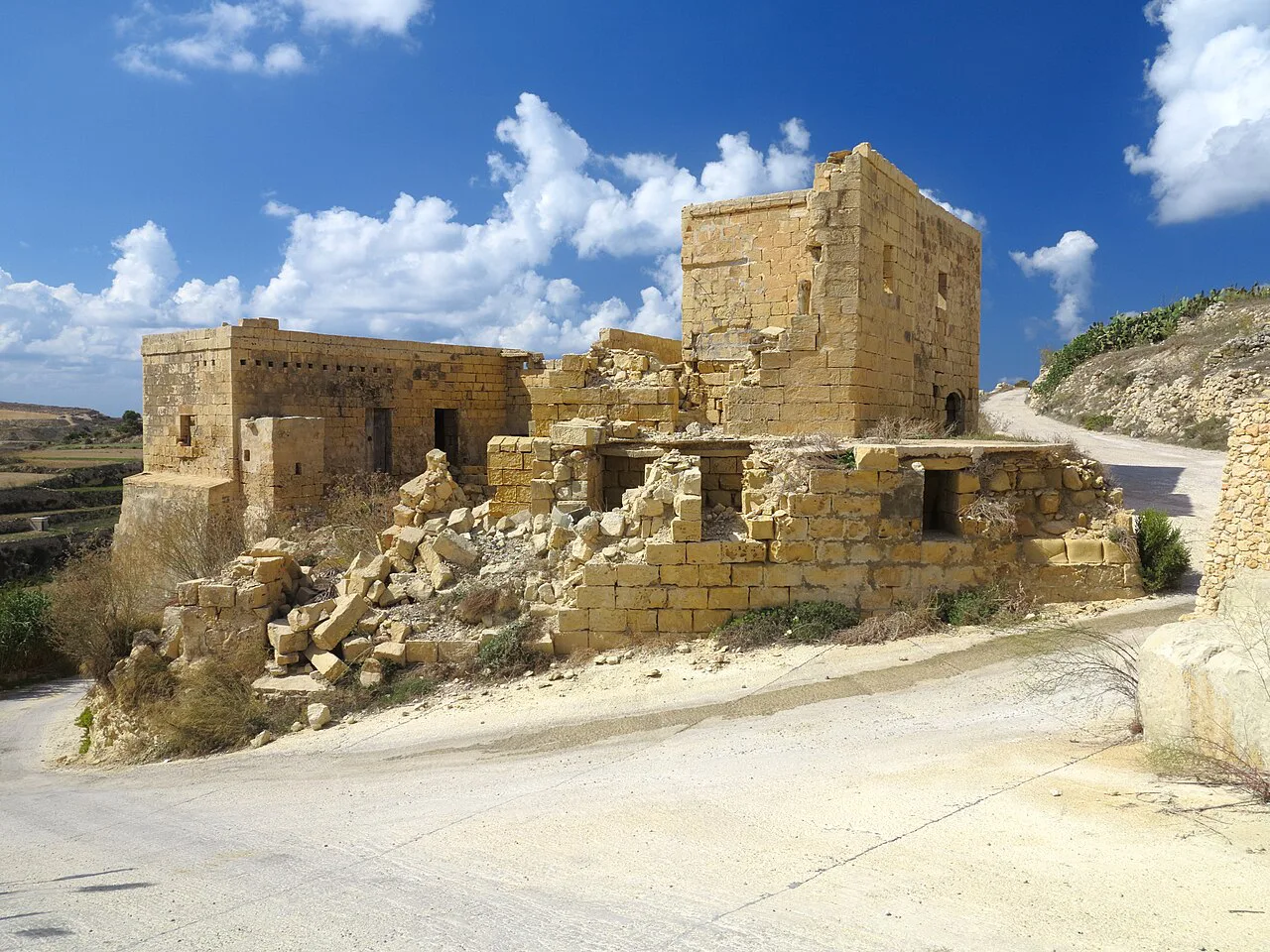
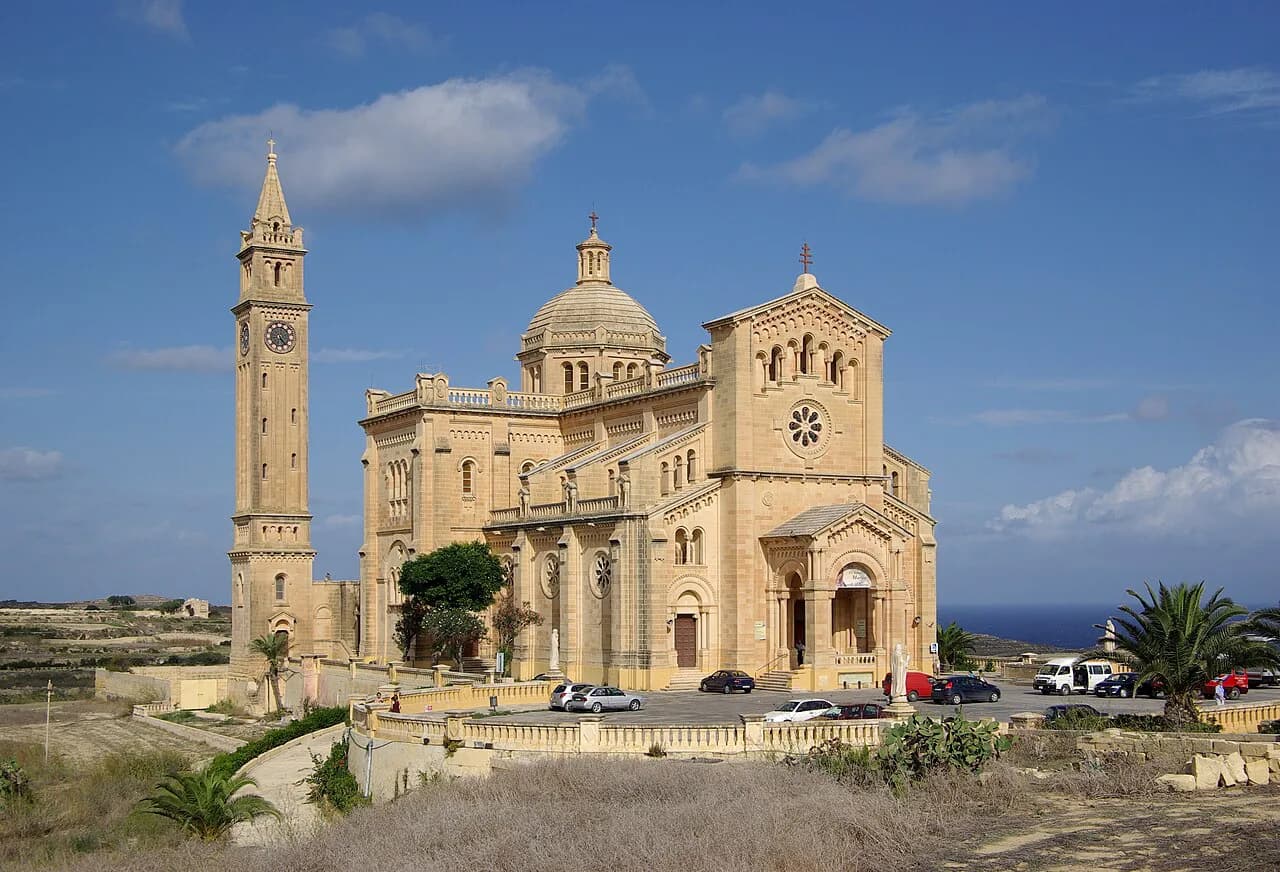
South of Għarb, Ta' Kerċem is dominated by its parish church, first built in 1851 and dedicated to St Gregory and Our Lady of Perpetual Help. The church square is the village's anchor, and a short stop here fits naturally between Għarb and Victoria.
Santa Luċija is a hamlet centred on a rustic church square with a few houses scattered around it and only a few hundred residents. The land around it is fed by three natural springs and ranks among the most fertile on the island, so shepherds grazing sheep on the pastures are a normal sight. Come for the square and the fields rather than a ticketed attraction.
The Mixta Cave on the outskirts of Santa Luċija is thought to be the earliest inhabited site in the Maltese Islands, around 7,000 years ago, but access is not easy. Do not build a day around it unless you are prepared for that; the church square is the reliable reason to come.
Xagħra and the east: pairing a village with Ġgantija and Ta' Kola Windmill
Xagħra is the eastern village to build a morning around, because two of Gozo's named sights sit with it: the Ġgantija Temples and Ta' Kola Windmill. Visit Gozo lists both among its top places to see, alongside the Cittadella, Dwejra and Ta' Pinu Sanctuary. Arrive early, take the temples before the heat builds, then walk into the village.
Ġgantija is an exposed stone site, so midday in summer is punishing and there is little shade to retreat to. The trade-off is simple: an early start buys you comfort, a later start buys you a lie-in but a hotter visit. Either way, keep the windmill and village square for the flatter part of the day.
Nadur sits on the eastern side of Gozo and features among the island's towns and villages. If you are visiting with a driver or joining an organised Gozo tours day, Xagħra and Nadur can be paired in the same loop; on public transport, treat Nadur as an optional extra rather than a fixed stop.
Marsalforn and Xlendi: the two coastal villages and when each suits a stop
Marsalforn and Xlendi are Gozo's two best-known coastal villages, and they do a different job from the inland stops: you come for the waterfront, a meal and the light at the end of the day rather than for a museum. Visit Gozo lists both under towns and villages. Save one for the evening after an inland morning.
Marsalforn sits on the north coast near Xagħra, which makes it the logical finish to a Ġgantija morning. Xlendi, on the south-west coast below Victoria, works better as the end of a Għarb and Ta' Kerċem day. Pick the coast that matches your inland loop rather than driving across the island twice.
Both are places to eat, so check Gozo restaurants for current options rather than relying on a single seafront row, and look at Gozo food if you want to know what to order. A boat trip from the coast can add an hour or two, but it competes with your village time.
Victoria (Rabat): the base for reaching the villages and the Citadel (Ċittadella)
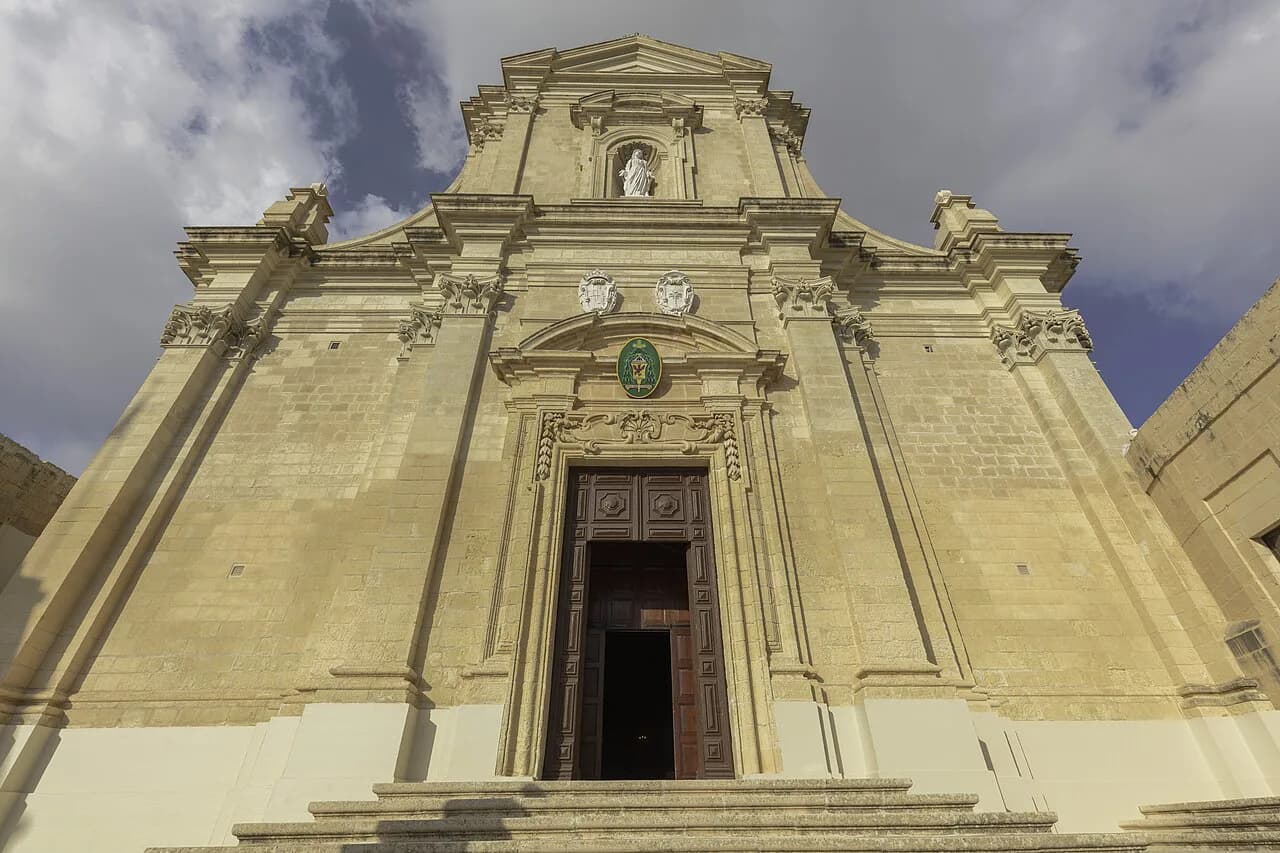
Victoria earns its place as a base because it sits in the middle of the island and its roads radiate out to the villages, and the Ċittadella gives the town its own sight. Visit Gozo lists the Cittadella first among the island's attractions, and St George's Basilica and the Rotunda are also in or near the capital. Half a day here is not wasted time between villages.
Within Victoria, the things to do in Victoria (Rabat), Gozo guide covers the Citadel, the basilica and the streets in detail. Use it to decide whether you want a full morning in the capital or a quick lunch stop between villages.
Nadur, Xewkija and Fontana: eastern and central villages to pass through or stop in briefly
Nadur, Xewkija and Fontana are best treated as short stops rather than destinations in their own right. Xewkija and Fontana sit near Victoria, so they slot into a journey rather than justifying a detour. Nadur sits on the eastern side and fits loosely with a Xagħra loop.
Visit Gozo lists the Rotunda, the dome church at Xewkija, among its top places to visit, which makes it the one eastern village sight worth planning around rather than just driving past. Fontana is a brief pause at most.
Getting between the villages: ferry, bus, car, tuk-tuk, quad and jeep options
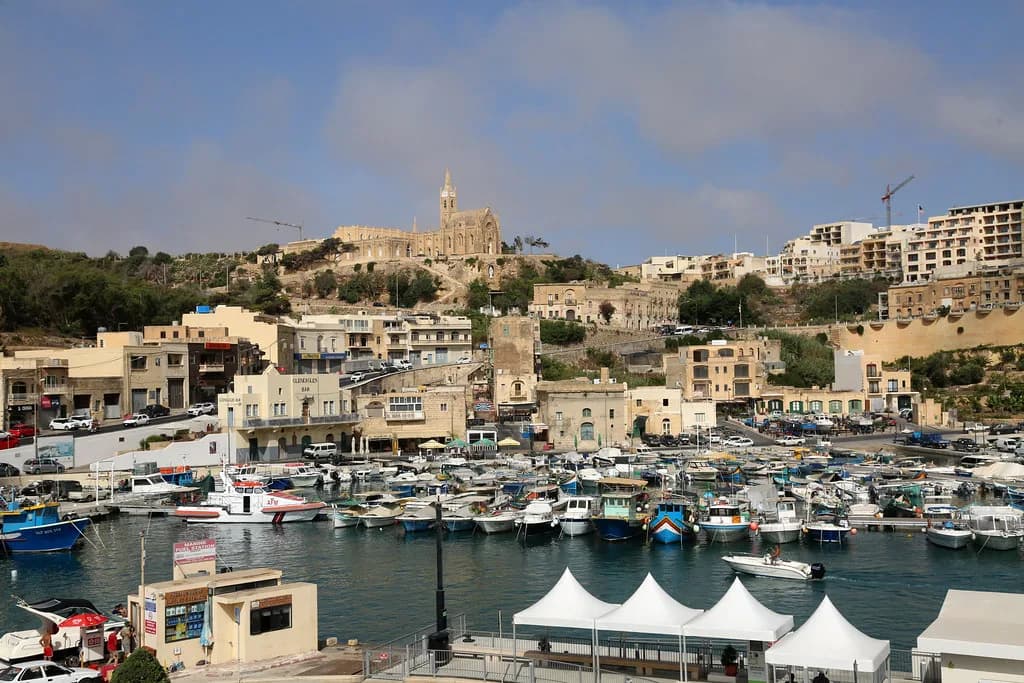
The crossing from Malta lands you at Mġarr, and Visit Gozo sets out the choices from there: a scenic ferry ride from Malta, taxis for a private journey, and public transport as the affordable option. On the island itself it lists jeeps, car hire, quad bikes and tuk-tuks for getting around.
The trade-off is control versus cost. Buses are cheapest but route you through Victoria and limit how many villages you can reach in a day; a car or tuk-tuk gives you the western villages in one sweep but means parking in Victoria and Xagħra. A quad or jeep suits the rural lanes but is not for everyone.
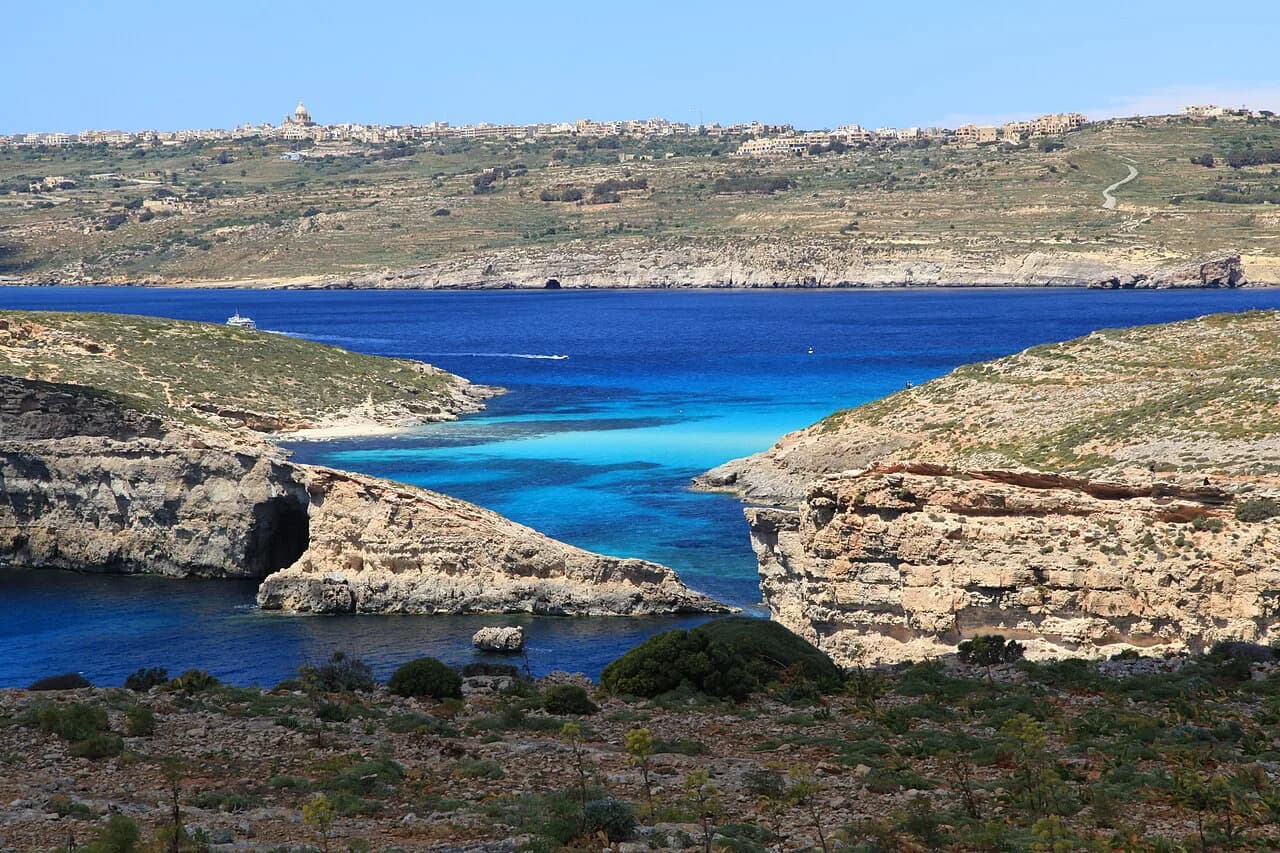
If you are coming for a single day from Malta, a day trip to Gozo from Malta covers the ferry and timing in more detail. For a boat-based day, Gozo Boat Trips sets out the options, though the Blue Lagoon and Comino caves sit outside the village plan.
How long to allow and how to build a village day around the heat and transport
A realistic village day is three stops, not six. Start with the sight that matters most while it is cool, take Victoria at midday for lunch and shade, then finish at a coastal village in the late afternoon. Trying to add Għarb, Xagħra and both coasts in a day means you spend it in the car.
Heat is the constraint that decides the order. Ġgantija and the western village squares have little shade, so front-load them, and keep the folklore museum and crafts village for the hotter hours when you want to be indoors. Allow more time than the map suggests for the winding roads between villages.
If you would rather not plan the order yourself, a day tour handles transport and timing, but you lose the freedom to linger in Għarb or skip a stop. That trade-off matters most if crafts and churches are your priority over the headline temples.
Practical points: church dress codes, village squares and where to eat
Gozo's village churches and basilicas are working parishes, so dress respectfully with shoulders and knees covered, and keep quiet during services. The same applies at St George's Basilica in Victoria and the Rotunda at Xewkija. The village square outside is where you wait, and where the village life is easiest to see.
For food, plan around the village you finish in: Marsalforn and Xlendi for a waterfront meal, Victoria for choice, and Għarb or Xagħra for a café near the square. Where to Eat in Gozo covers the specifics. Confirm museum and crafts village hours before you set out, since Gozo's small sights can keep limited hours.
Which Gozo villages should you actually visit?
Pick Xagħra for the temples and windmill, Għarb for the folklore museum and crafts village, and one coastal village to finish. Use Victoria as the pivot for transport, lunch and the Ċittadella, and keep the day to three stops so the driving does not become the memory.
If you only have one day from Malta, book the ferry early and decide between an eastern loop and a western one, not both. Longer stays can spread Għarb, Ta' Kerċem and Santa Luċija across a second morning and take the coast at a slower pace.
Explore more Gozo guides
Frequently Asked Questions
Where is Gozo Island, Malta?
Gozo lies off the north-west coast of Malta, reached by a ferry crossing to Mġarr that Visit Gozo describes as scenic, with taxis and public transport as alternatives from the port. Victoria (Rabat) sits in the middle of the island and is where most village roads meet.
How many churches does Malta have?
This guide does not cover island-wide church counts. What matters for a village day is that almost every Gozo village has a parish church at its centre, and several, such as the Rotunda at Xewkija and St George's Basilica in Victoria, are sights in their own right.
Is it better to stay in Malta or Gozo?
Staying on Gozo gives you mornings in the villages before day-trippers arrive, while a Malta base means a ferry crossing each way. Accommodation is outside this guide's scope; decide based on how many village days you want rather than on the crossing alone.
Sources
Notes for your Malta trip
Optional updates when we add or correct a Malta or Gozo guide.
You might also like
Continue reading
More guides you'll find useful