Lampuki: Malta's Autumn Fish, Season and Lampuki Pie
Lampuki is the Maltese name for mahi-mahi, caught off Malta from late August to November. Here is how it is fished and the dishes to look for.
On this page
Lampuki is the Maltese name for mahi-mahi, also called dorado, a fish that migrates past the Maltese islands in autumn and lands on menus and market stalls from late August to November. This guide covers what the fish is, how the catch works, what it tastes like and which dishes to order, so you can recognise it whether you are reading a menu in Marsaxlokk or a specials board in Victoria on Gozo.
The short version: if you see lampuki on a menu, order it. The season is brief, the flesh is soft and oily in the way mackerel is, and the dishes are built around that richness rather than fighting it.
What lampuki is: mahi-mahi or dorado
Lampuki is mahi-mahi, the fish English-speaking menus often list as dorado. It swims in the warm Mediterranean around Malta and passes the islands on its autumn migration, which is why it appears on Maltese tables for a stretch of weeks rather than all year.
For a cook, the useful detail is the texture. The flesh is soft and oily, closer to sardines and mackerel than to a lean white fish, so it takes strong flavours, holds together in a pie and grills quickly without drying out.
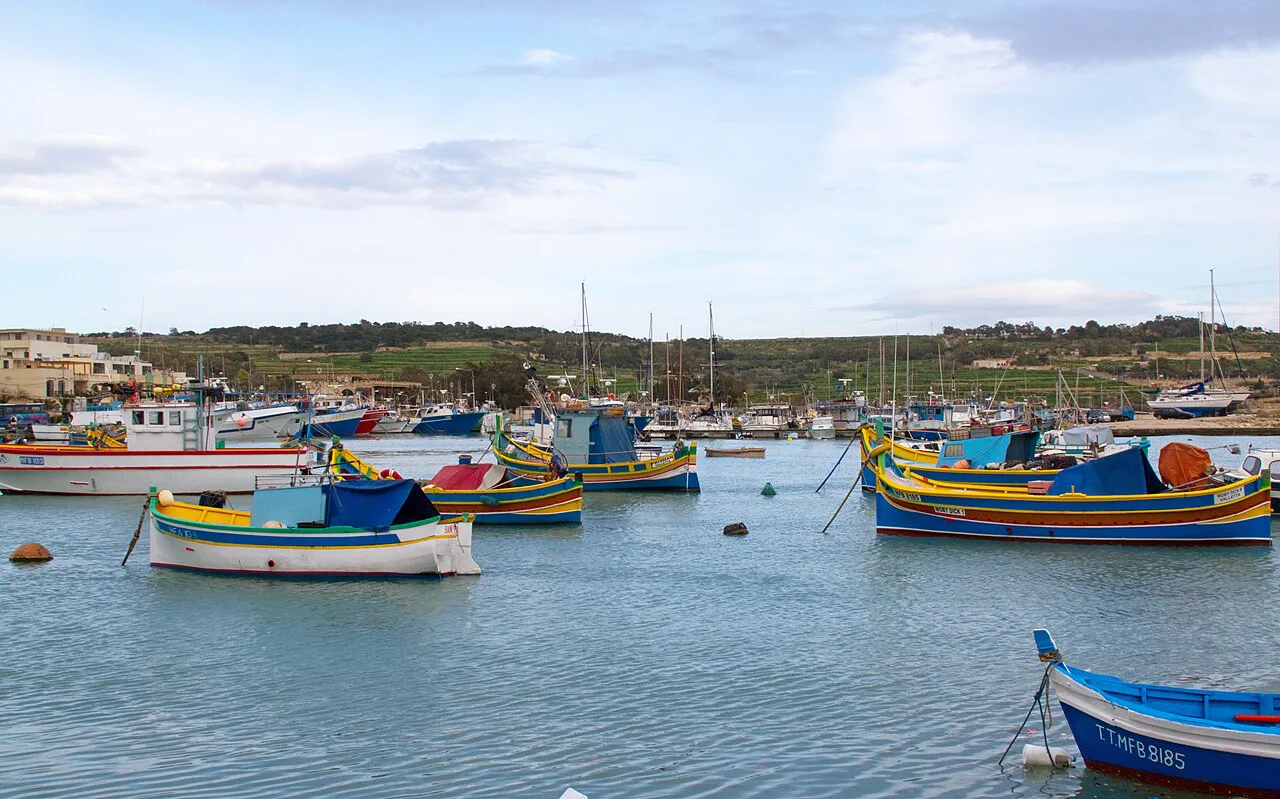
When lampuki season runs
The lampuki season runs from late August to November, as the fish move past the islands. That window is what the Maltese mean by l-istaġun tal-Lampuki, and it is treated as a fixed point in the autumn calendar rather than a vague suggestion.
The catch is often sold fresh in local markets within hours, so ask what came in that day. If you are planning a trip around eating it, aim for the autumn window rather than assuming a fish is always available.
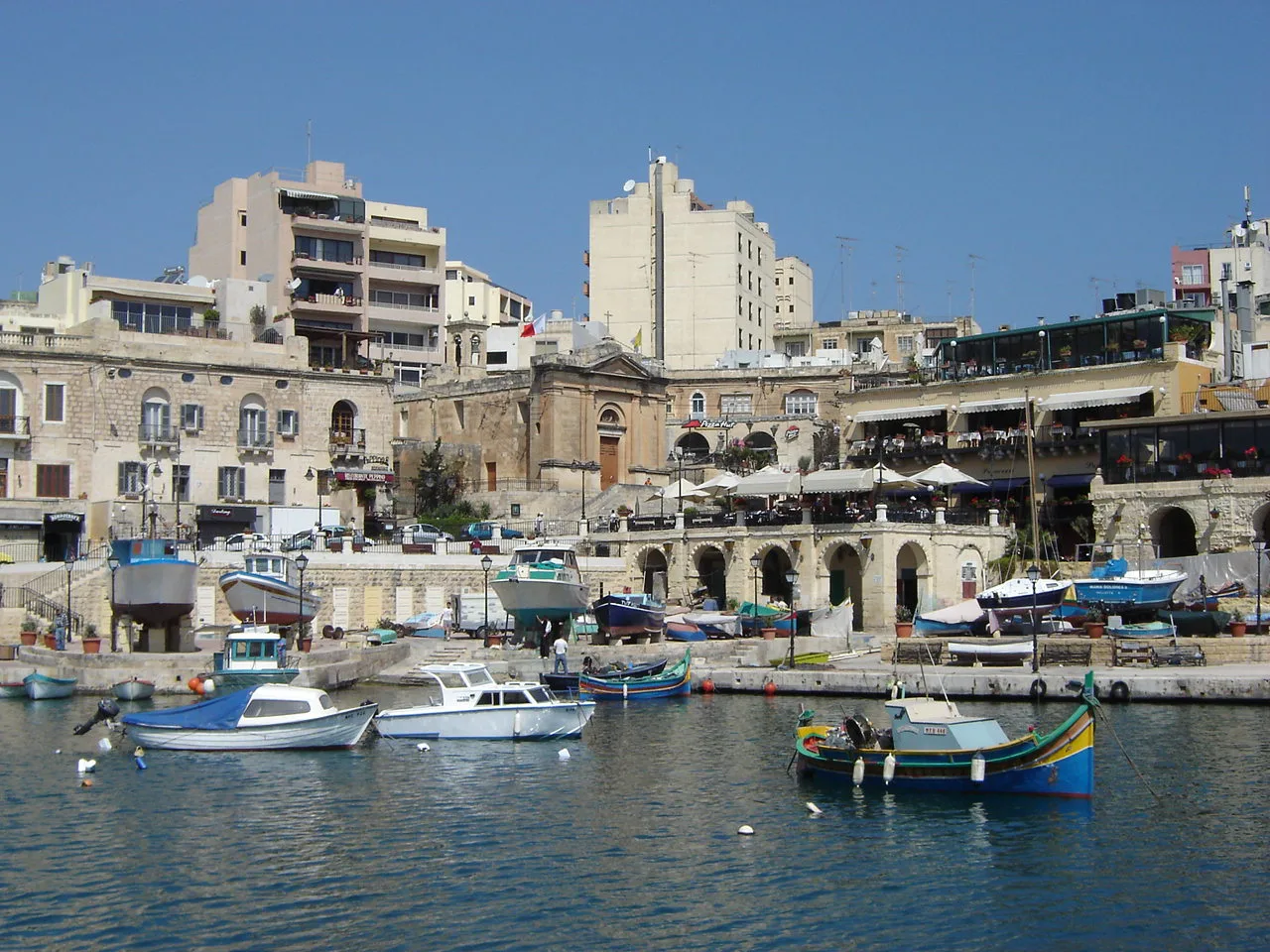
How the catch works: kannizzati and small boats
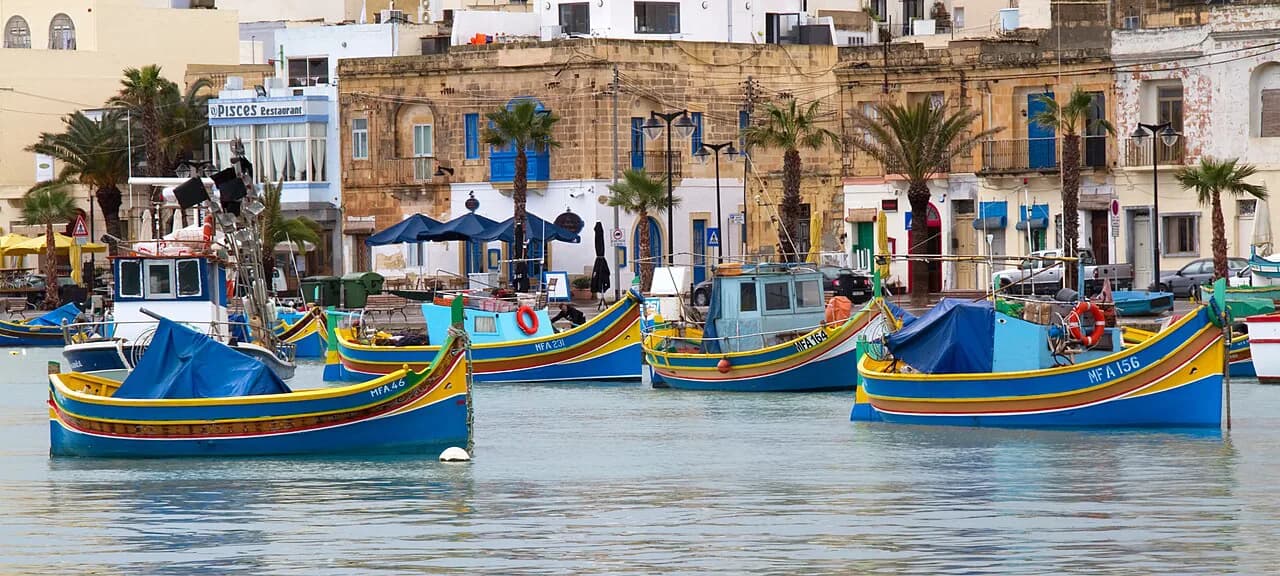
Lampuki is caught from small, colourful boats using a method built on shade. Fishermen lay palm fronds, called kannizzati, on the water's surface; the fish gather underneath the shade and the nets are cast around them.
The same technique is described more plainly: the fish seek refuge from the sun, bask in the shade and are netted. It is a small-boat, seasonal catch that ends up sold fresh in local markets within hours.
What lampuki tastes like
Cooked lampuki has a delicate, slightly sweet flavour and a firm texture, which is why it works both in rich bakes and in simple grills. It is not a strong, fishy taste, so a squeeze of lemon and good olive oil are enough.
The oily flesh means it accepts spice, tomato and pastry without being swamped. That versatility is the reason one fish supports so many dishes in the same season.
Lampuki pie: the dish of the season
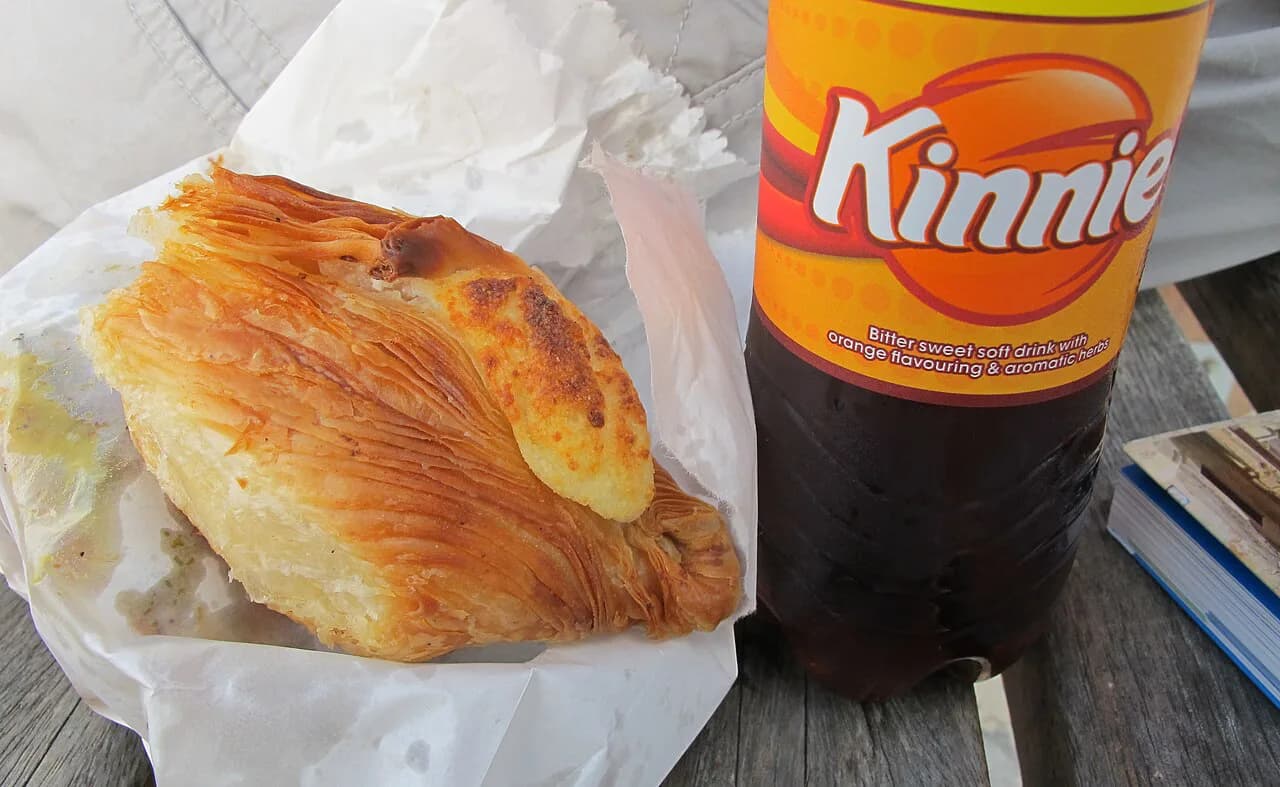
Lampuki pie, torta tal-Lampuki, is the dish most associated with the season: fish baked in pastry with spinach, olives and capers. It is a household staple in autumn rather than a restaurant invention, and it turns up on menus and in home kitchens alike.
A home version bakes for around 45 minutes, or until the pastry is crisp and golden, with a total time of about an hour and a quarter including preparation. That gives you a sense of the dish: a substantial bake, not a quick fry.
If you order it in a restaurant, expect a slice rather than a whole pie, and ask whether it is made that day. If you are eating your way around the island, lampuki pie earns a place on the shortlist alongside the wider picture of the best restaurants in Malta, where seasonal specials are worth scanning for.
Other ways to eat lampuki
Grilled is the simplest route: fillets seasoned with olive oil, lemon and herbs, letting the fish speak for itself. It is also the form most likely to appear as a daily special, since it needs nothing beyond a hot grill and a good fillet.
Poached lampuki with a fresh tomato sauce, or with olive oil and garlic, is the lighter option when you want the fish without pastry. The tomato version suits the soft flesh because the sauce holds the fillet together.
Beyond those, cooks treat lampuki like a versatile autumn ingredient: fritters bound with breadcrumbs and parmesan, blackened fillets with turmeric and paprika, vol-au-vents filled with leek and mushroom, and a nut-crusted bake. These are cooking ideas rather than dishes to expect on a menu, but they show the range.
Where to find lampuki: Marsaxlokk and Gozo
Marsaxlokk is where the season is most visible, with markets busy as locals and visitors buy the freshest fish. If you are in the south on an autumn morning, the harbour is the obvious place to look.
Across Gozo and Malta, Victoria and the inland towns are useful bases, and seasonal menus are where lampuki is most likely to appear during the season, as markets in towns like Marsaxlokk bustle with the fresh catch. Look for it listed as a special rather than a fixture on the printed menu.
Cheaper, quicker ways to eat fish in Malta sit alongside the sit-down meal, and street food is a good route to fried or grilled fish without committing to a full restaurant. If you want the market-to-plate version, plan around a market morning rather than an evening.
Ordering lampuki: what to expect
Treat lampuki as a seasonal special, not a permanent menu item. Ask what came in that day, whether the pie was baked that morning and whether the fish is local; the season's catch is sold fresh within hours rather than held for later.
If you want to understand the wider fish cookery before you order, a Malta food tour can put names to dishes and explain what is in season. It is also a way to try lampuki alongside other Maltese cooking without committing to a whole meal of it.
Fish to try in Malta outside the lampuki season
When lampuki is not running, Maltese fish cooking still has plenty to offer, and soups and stews are a good place to start. Aljotta is the fish soup to look for, and it is the sort of dish that makes a light lunch before an afternoon of walking.
Round out a fish-based day with the bakeries: Maltese bread is the natural partner for grilled fish, and it turns up alongside most plates. Neither needs a special season to be worth ordering.
Should you plan a trip around lampuki?
Yes, if you are travelling between late August and November and want to eat something genuinely tied to the calendar. Plan Marsaxlokk or Victoria into your route, ask for the day's catch and order the pie at least once.
Outside the season, skip the search and eat what the kitchen is actually serving; the fish soup and the bakeries will carry the meal.
Explore more Malta guides
Frequently Asked Questions
What is lampuki called in English?
Lampuki is mahi-mahi, also called dorado. Menus in English may use either name, so if you see dorado listed as a special in autumn, it is likely the same fish.
Is lampuki the same as dorado or mahi-mahi?
Yes, they are names for the same fish. Lampuki is the Maltese name, and the fish migrates past the Maltese islands in autumn.
Can you eat lampuki outside the autumn season?
Lampuki is a seasonal catch, sold fresh in Malta from late August to November. Outside those months, look at what the kitchen is actually serving rather than expecting it on the menu.
What fish is similar to lampuki?
The flesh is soft and oily, similar to sardines and mackerel. For a Maltese alternative in soup form, aljotta is the dish to look for.
Sources
Notes for your Malta trip
Optional updates when we add or correct a Malta or Gozo guide.
You might also like
Continue reading
More guides you'll find useful