Qassatat: What They Are and How They're Made
Qassatat are Maltese dough parcels filled with ricotta, broad beans or dried sheep's-milk cheese. Here is what goes into them, when they are eaten and how they bake.
On this page
Qassatat are small Maltese dough parcels, folded over a savoury filling and baked until golden; the everyday version holds ricotta with broad beans, and a Gozitan Easter version holds dried sheep's-milk cheese and egg. A pastizzeria sells them all year round, and they cost little enough to buy two. This guide covers what goes into each type, how the dough is mixed and rested, how the parcel is folded, and the oven settings the recipes use.
The two fillings behave differently and reward different approaches. Ricotta and ful give a soft, moist centre that suits a short rest and a hot oven, while grated dry ġbejniet bound with egg makes a firmer mix that needs no added salt. Read the ingredient list before you shop, because the cheese you find decides which version you make.
What qassatat are and how they're shaped
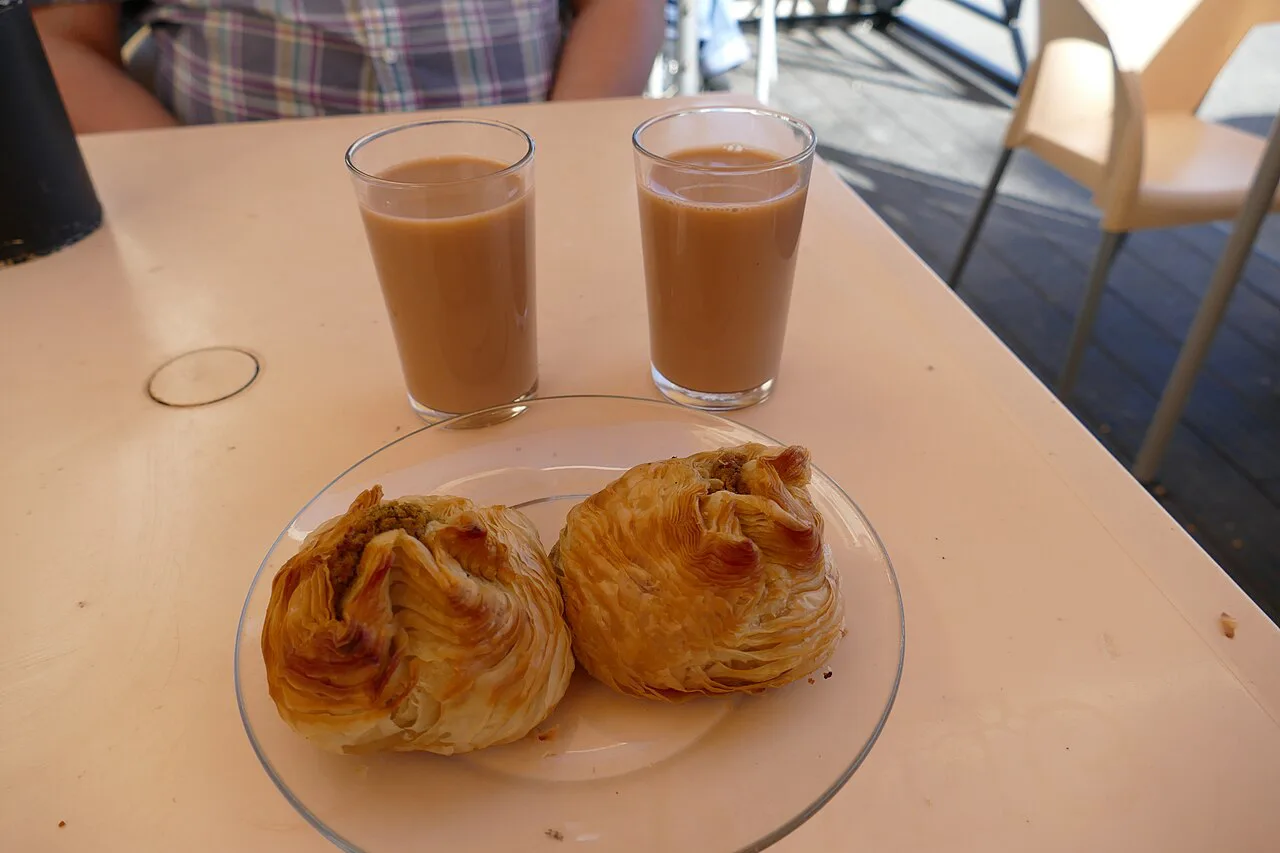
A qassatat is a folded parcel rather than a sealed pie: a round of thin dough is filled in the centre and the sides are lifted and overlapped so the top sits slightly open, letting the filling colour as it bakes. The ricotta version brushes the rim with water before folding to help the edges seal.
Size varies by kitchen rather than by rule. One recipe cuts rounds with a 20cm plate and pipes the filling in, while another divides the dough into twelve balls and rolls each one out before filling; both produce parcels of roughly handheld size. Gozitan Easter qassatat are portioned by weight, at about 80g of dough each.
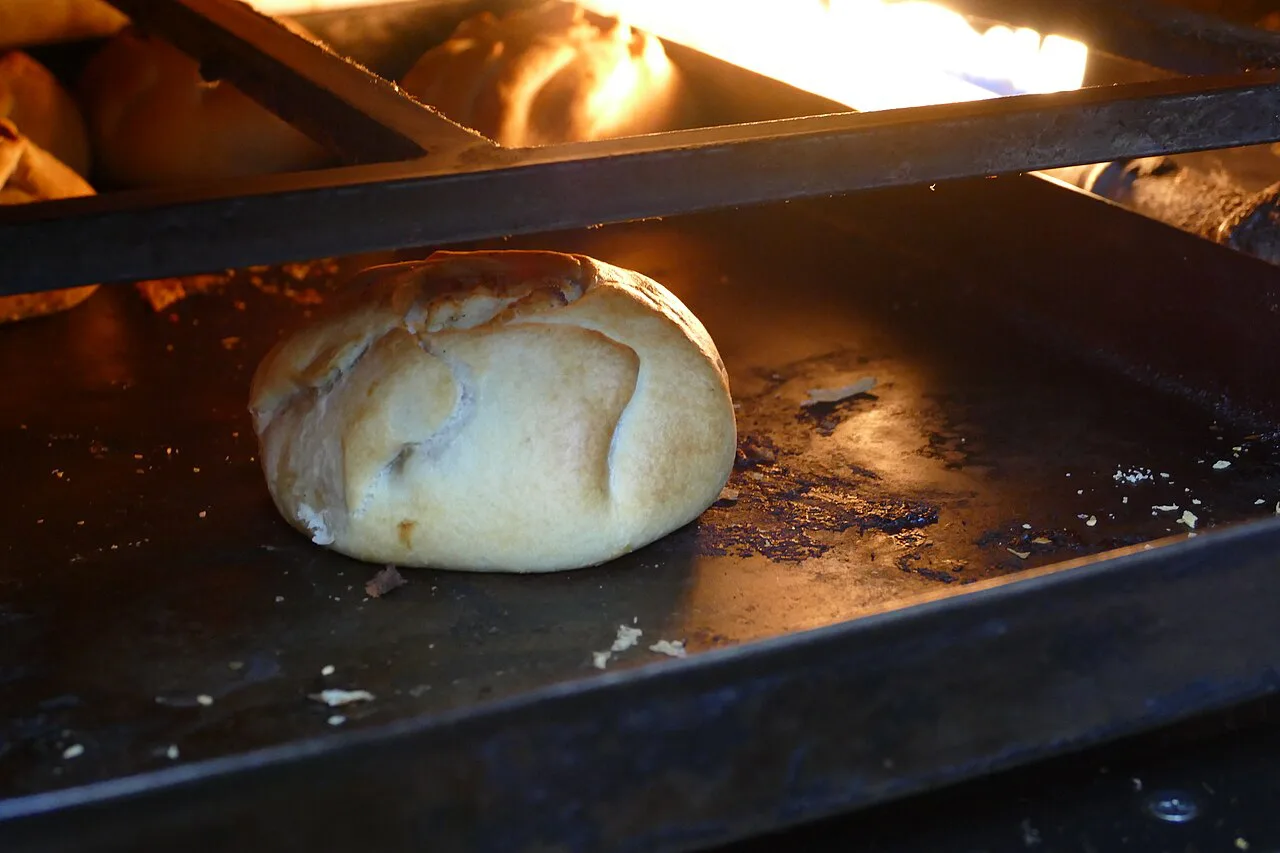
What goes inside: ricotta, ġbejniet and broad beans
The everyday filling is irkotta, Malta's ricotta, beaten with eggs, salt and pepper, with broad beans — ful in Maltese — folded through. Raisins are optional and appear in some versions, and one recipe adds grated Parmigiano Reggiano for a sharper, saltier edge. The result is soft and slightly wet, so do not overfill or the fold will slump in the oven.
Broad beans give the filling its season. The fresh pods are in season during March and April, which is why the bean version is tied to the Easter period, and frozen or canned beans work outside it. If you want the cheese to lead, leave the beans out of half the batch and make the rest plain.
Some cooks prefer Maltese or Gozitan cheeselets to ricotta, bought directly from a farm shop; they are less easy to find and usually need ordering ahead, so supermarket ricotta is the practical substitute. One blogger used cheeselets from Tal-Karmnu Farm shop in Ħaż-Żebbuġ for a batch.
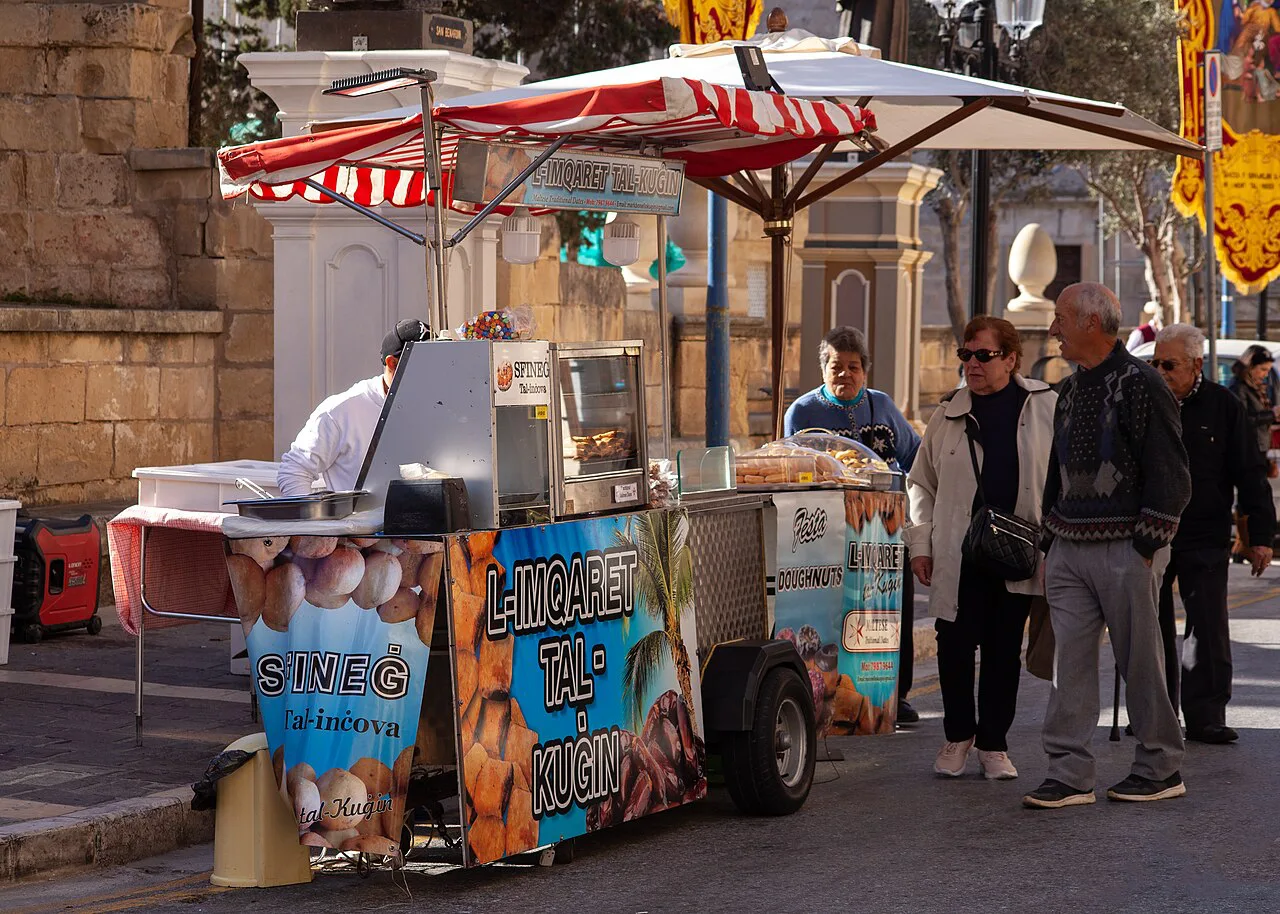
Qassatat tal-Għid: the Gozitan Easter version
Qassatat tal-Għid come from Gozo and use the dried sheep's-milk cheese called ġbejniet rather than ricotta. Ten dried cheeselets are grated and cracked together with six to eight eggs until the mixture turns creamy, with raisins and black pepper optional and no salt at all, because the dried cheese is already salty. One batch of roughly 20 pieces needs about 1kg of flour for the dough.
The egg is doing structural work here, not just flavouring. Add the eggs one at a time and stop when the mix holds together, because an extra egg can make it too runny to sit in the fold. A brushed yolk, thinned with water or milk, and a scatter of sesame seeds give the finished parcels their shine.
The dough: flour, margarine, salt, water and yeast
The basic dough is flour, fat, salt and water worked to a smooth, firm mass. One ricotta version uses 600g plain flour with 300g margarine and 5 tablespoons of cold water; the Easter version uses a little yeast and lukewarm water for a dough that rises. Either way, add the liquid gradually, since a slack dough is hard to roll thin.
The fat is the main trade-off. Margarine gives a shorter, more workable dough, while unsalted butter makes the baked pastry flakier and richer; one recipe uses half of each and keeps the total modest on purpose. More fat means a crumblier bite, and a dough that is harder to fold without tearing.
Mixing and resting the dough
Mix the flour and fat until the texture is crumbly, then add salt and water until the dough comes together, and knead briefly on a floured surface until it feels smooth and solid. Wrap it and chill for at least half an hour before rolling; this rest makes the dough easier to open thinly without springing back.
Yeasted doughs follow a different rhythm: knead for about eight minutes, cover, and leave in a warm place for at least an hour until doubled, then divide and let the balls rise again for a further 15 minutes under a cloth. Keep the dough you are not working covered so it does not dry out.
Filling and folding a qassatat
Roll a piece of dough thin — around 2mm for the Easter version — and put a spoonful of filling in the middle, leaving a clear border. Brush the edge with water, then lift the sides and overlap them so the parcel holds its shape but stays open at the top. Underfill rather than overfill: the filling puffs in the oven and a tight parcel will burst.
Baking temperature and timing
All three recipes bake at 180°C. The ricotta parcels take about 30 minutes, until golden brown, and the cheese-and-egg Easter version also needs about 30 minutes at the same heat; the cheeselet recipe allows 40 to 45 minutes for a crisper crust. Judge by colour rather than the clock, since size and filling both shift the timing.
The difference in timing is mostly about moisture. A wet ricotta and bean filling browns early on the surface while the inside is still setting, and a dry ġbejniet filling needs longer to crisp. Bake one tray first and adjust the next.
Where qassatat sit among Maltese snacks
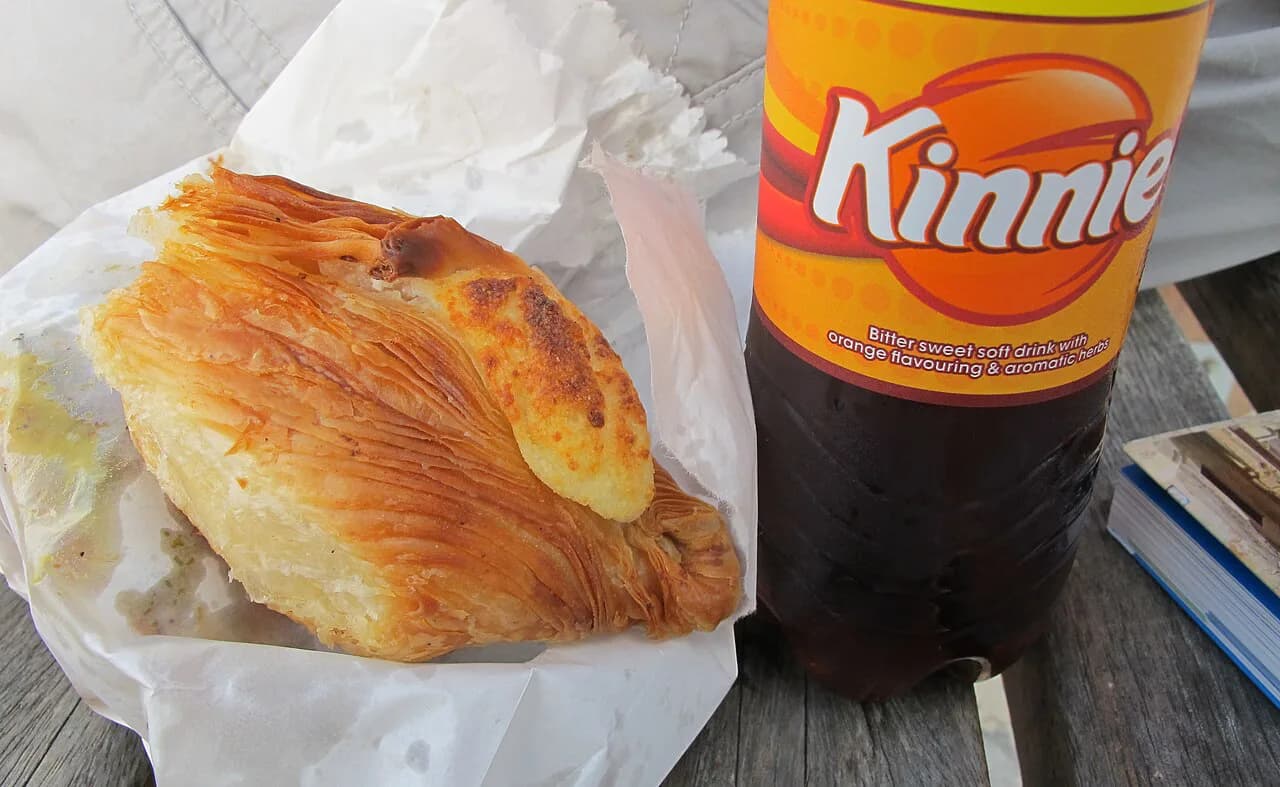
Qassatat belong with pastizzi and other savoury pastries at a pastizzeria, and they are sold that way all year round, with homemade versions peaking over Easter. Because they are small and cheap to make in quantity, they suit a lunch on the move or a first stop for anyone working through [Malta street food](/malta-street-food).
Treat a qassatat as one item on a wider plate rather than inside a sit-down meal. It works alongside [Maltese bread](/maltese-bread) and a simple salad, or as a snack before dinner at one of the [best restaurants in Malta](/best-restaurants-in-malta) rather than as the main event.
Ricotta or ġbejniet: which qassatat should you make?
Start with the ricotta and broad bean version if you want the everyday pastry: plain flour, margarine or butter, a soft cheese filling and a simple fold, all done in an afternoon. Choose the Gozitan Easter version if you can find dried ġbejniet and want a firmer, saltier parcel scented with pepper and raisins.
Whichever you pick, chill or rest the dough before rolling and keep the parcel slightly open at the top. Qassatat are not sold at prices worth planning around; if you are buying rather than baking, simply look for a busy pastizzeria and ask what came out of the oven that morning.
Explore more Malta guides
Frequently Asked Questions
What is the difference between a qassatat and a pastizz?
A qassatat is folded with its sides lifted and overlapped so the top stays slightly open, and the dough is rolled thin before filling. The filling is typically ricotta with broad beans, or dried sheep's-milk cheese with egg in the Gozitan Easter version.
When are broad beans in season for qassatat?
Fresh broad beans, called ful in Maltese, are in season during March and April, which is why the bean filling is associated with the Easter period. Outside those months, canned or frozen beans are used instead, and the beans are optional in most recipes.
Sources
Notes for your Malta trip
Optional updates when we add or correct a Malta or Gozo guide.
You might also like
Continue reading
More guides you'll find useful