Malta Street Food: Pastizzi, Ftira and What to Eat
A practical guide to Malta street food, from flaky pastizzi and ftira flatbread to ħobż biż-żejt, with the snacks worth seeking out and where to eat them.
On this page
The core of Malta street food is pastizzi: small flaky pastry parcels filled with ricotta or peas, sold in cafés, restaurants and dedicated pastizzerias across the islands. Start there, then work through ftira flatbread and ħobż biż-żejt, the bread-and-tomato snack that anchors most grazing plates. This guide covers the savoury snacks worth seeking out, the breads and pastes that go with them, the sweet stops, what to drink, and where to eat in Valletta and beyond.
The point of eating this way is to graze rather than book a table: two pastizzi, a shared ftira and a cold drink make a solid lunch, and you can add a sit-down dish such as rabbit stew later if you are still hungry. Venues named below are specific rather than a ranking, and payment is in euros.
What counts as Malta street food
Street food here means snacks you eat standing up or on a bench: pastizzi, a slice of ftira, a filled loaf of Maltese bread, or a small plate of cheese and paste with crackers. Sit-down dishes such as Stuffat tal-Fenek (rabbit stew), Aljotta (fish soup) and Lampuki Pie belong to a restaurant meal, not a quick stop, though several appear on snack menus in smaller portions.
The supply chain is simple: bakeries and pastizzerias produce the breads and pastries, small shops sell cheese and jars of paste, and food markets gather several vendors under one roof. That makes a graze easy to plan around one or two stops per neighbourhood rather than a single address.
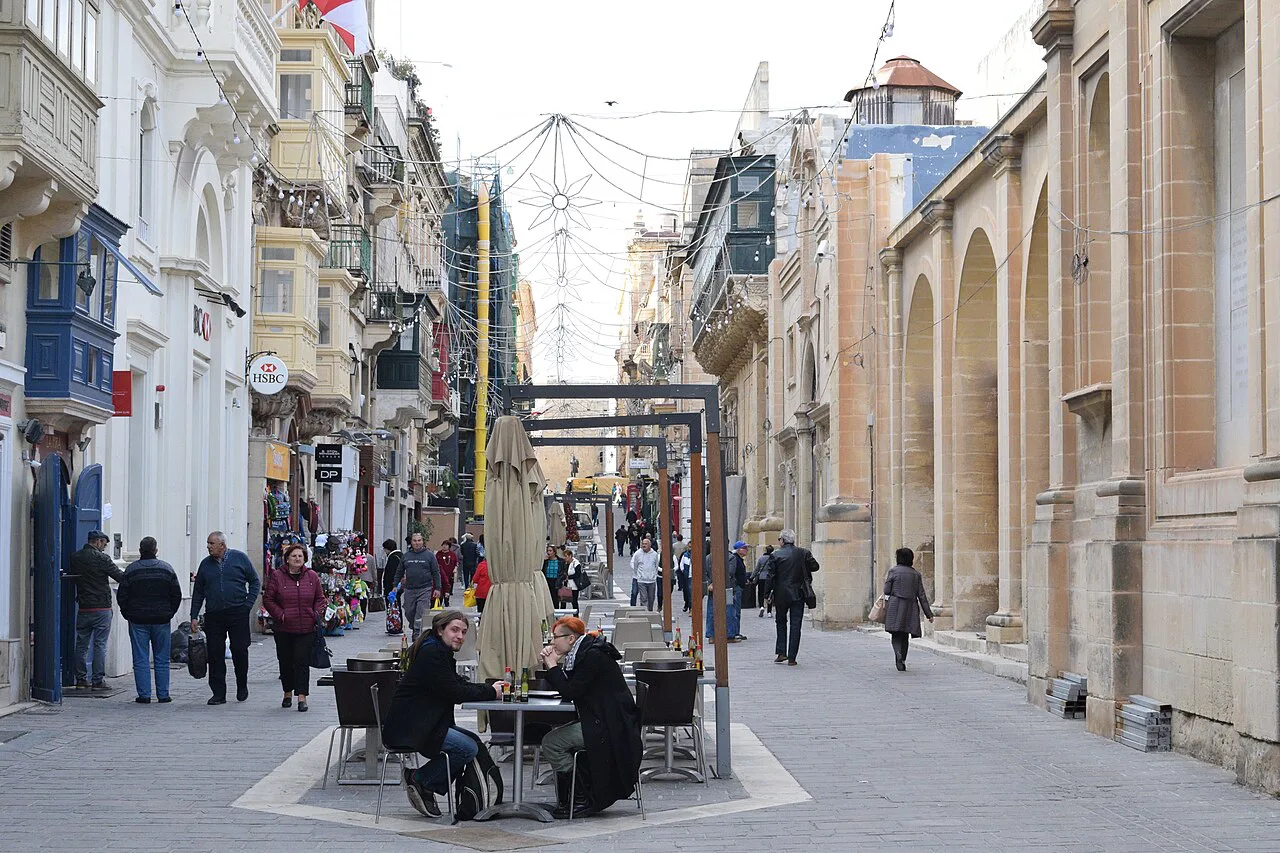
Pastizzi: ricotta and pea versions
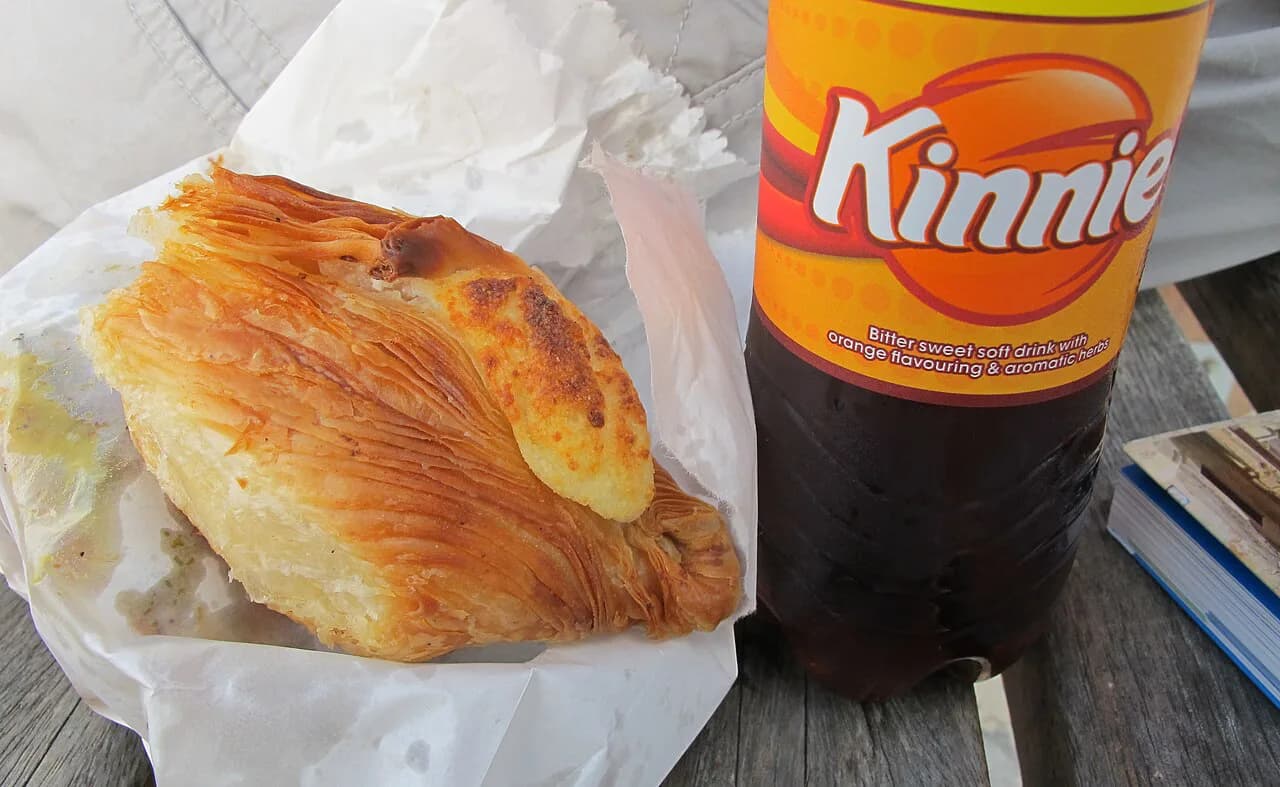
Pastizzi are flaky dough parcels filled with ricotta cheese or with peas, and the pea version is usually not vegetarian, so ask before you assume. They are sold in cafés, restaurants and dedicated pastizzerias across the islands, and they are best eaten warm rather than carried around all afternoon.
Order one of each to compare, then decide which filling you prefer before committing to a box. If you are vegetarian, ask specifically about the pea filling and about any meat-based pastes on the counter, because the vegetarian and non-vegetarian versions often sit side by side.
Ftira: the Maltese flatbread
Ftira is a flatbread with a hole in the middle, topped with a mixture of tomatoes, aubergine, olives and capers, with anchovies as the non-vegetarian option. It works as breakfast, lunch or dinner, and it is the snack to prioritise if you only have time for one stop in Valletta between sights.
Because the topping is built on tomato and olive oil rather than melted cheese, ftira travels better than a pizza slice and suits a picnic on a bastion or in a square. Buy it freshly made and eat it within the hour.
Ħobż biż-żejt: bread, oil and tomato
Ħobż biż-żejt is a sourdough loaf dipped in olive oil, rubbed with ripe tomato and filled with tomatoes, capers, tuna, garlic and onion. Some places serve the components separately, with bread and oil on the side so you build each bite yourself, which keeps the bread from going soft.
The bread itself matters as much as the filling: Maltese loaves are baked in wood-fired ovens for a dark, chewy crust and a soft inside. Our guide to Maltese bread explains the loaves and crackers worth knowing before you order.
Other savoury snacks worth trying
Look for Gbejniet, a white cheese made from unpasteurised goat's or sheep's milk and dried in baskets, served drizzled with olive oil, sea salt and crushed black pepper as a starter or snack. For a broader look at the small savoury pastries sold alongside pastizzi, see our guide to qassatat.
Bigilla, a paste made from broad beans or tic beans, is served with Maltese bread or with galletti, the homemade crackers that often accompany a snack plate. The combination of a bean paste, a soft cheese and a hard cracker is the cheapest way to try several Maltese flavours at once.
Savoury pastes and sides
A snack plate usually includes several spreads: hummus, olive paste and an anchovy paste, all served with Maltese bread or galletti. The range reflects the island's trading position between Africa, the Middle East and southern Europe, which shaped the local kitchen as much as the Mediterranean produce.
For a vegetarian plate, ask for the bean paste, the olive paste and the cheese, and skip the anchovy. If you want a sit-down version of these flavours later, the best restaurants in Malta cover the wider menu; use our round-up to pick one for the evening after a day of grazing.
Sweet street snacks and desserts
Sweet stops work the same way as the savoury ones: buy a small piece from a bakery counter or a stall and eat it on the move rather than ordering a full dessert at a restaurant. Our guide to Maltese desserts covers the almond biscuits and honey rings that turn up alongside the pastries.
Kinnie and a local lager are the standard soft and alcoholic drinks with these snacks, but if you are pacing yourself, a coffee and a sweet pastry mid-afternoon is the better combination.
What to drink with street food
Kinnie, the bittersweet local soft drink, and a Maltese lager are the usual partners for pastizzi and ftira, and both appear on street-food tasting descriptions alongside the snacks themselves. Water is the safer choice in summer heat if you are walking between stops.
If you want the drinks and dishes explained in sequence rather than ordered separately, a guided food tour covers several stops in one walk. Our comparison of Malta food tours sets out how the walking versions differ before you book.
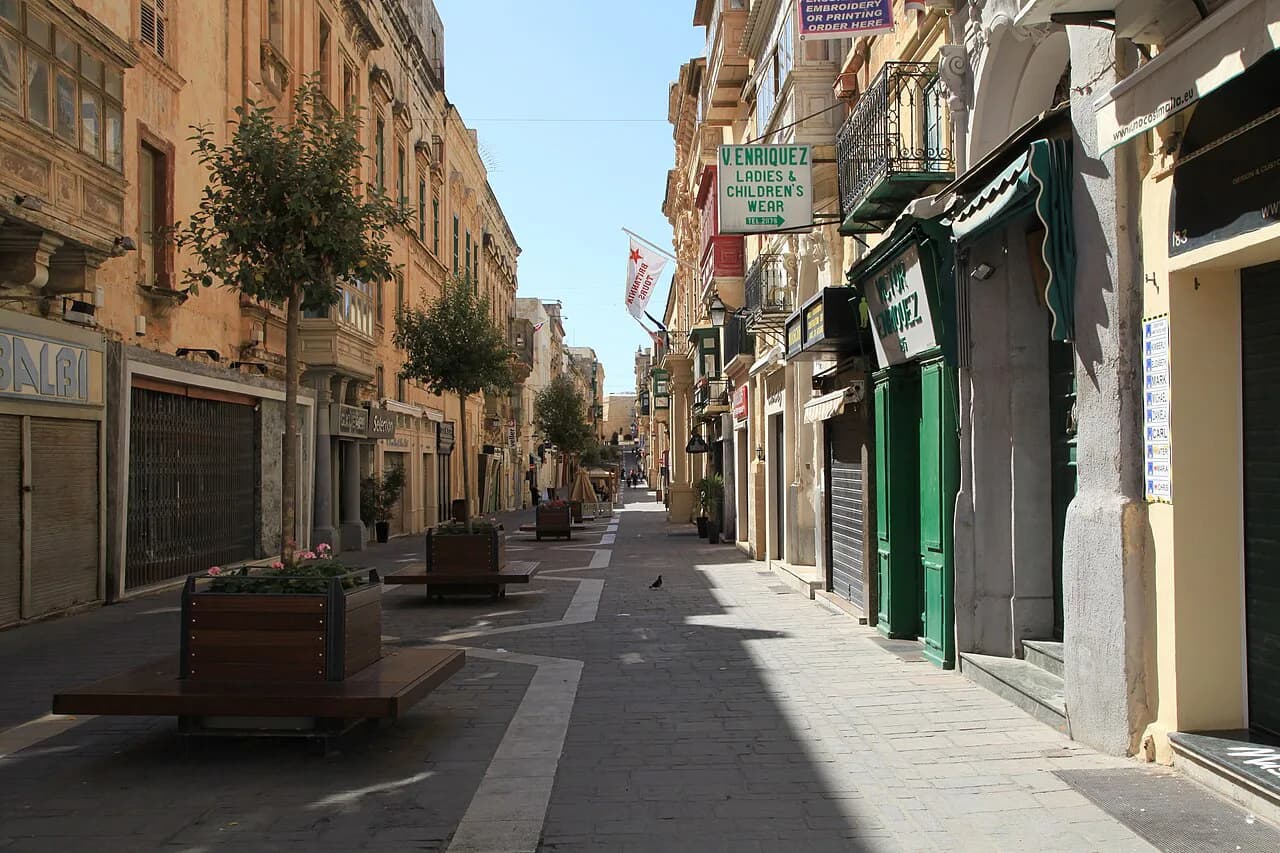
Where to find street food in Valletta
Is-Suq Tal-Belt, the covered market on Triq il-Merkanti in Valletta, is a renovated 19th-century building with a fresh food market on the ground floor, restaurants and bars on the first floor, and an open space on the top floor. Use it as your anchor stop when you want several vendors under one roof without committing to a full meal.
Around the city centre, street-food stops include Piadina Caffe and Merkanti Maltese Street Food, while Palazzo Preca Restaurant appears among the named places with sit-down dishes if you want to switch from grazing to a proper meal. None of these are ranked here; pick by what you fancy at the time.
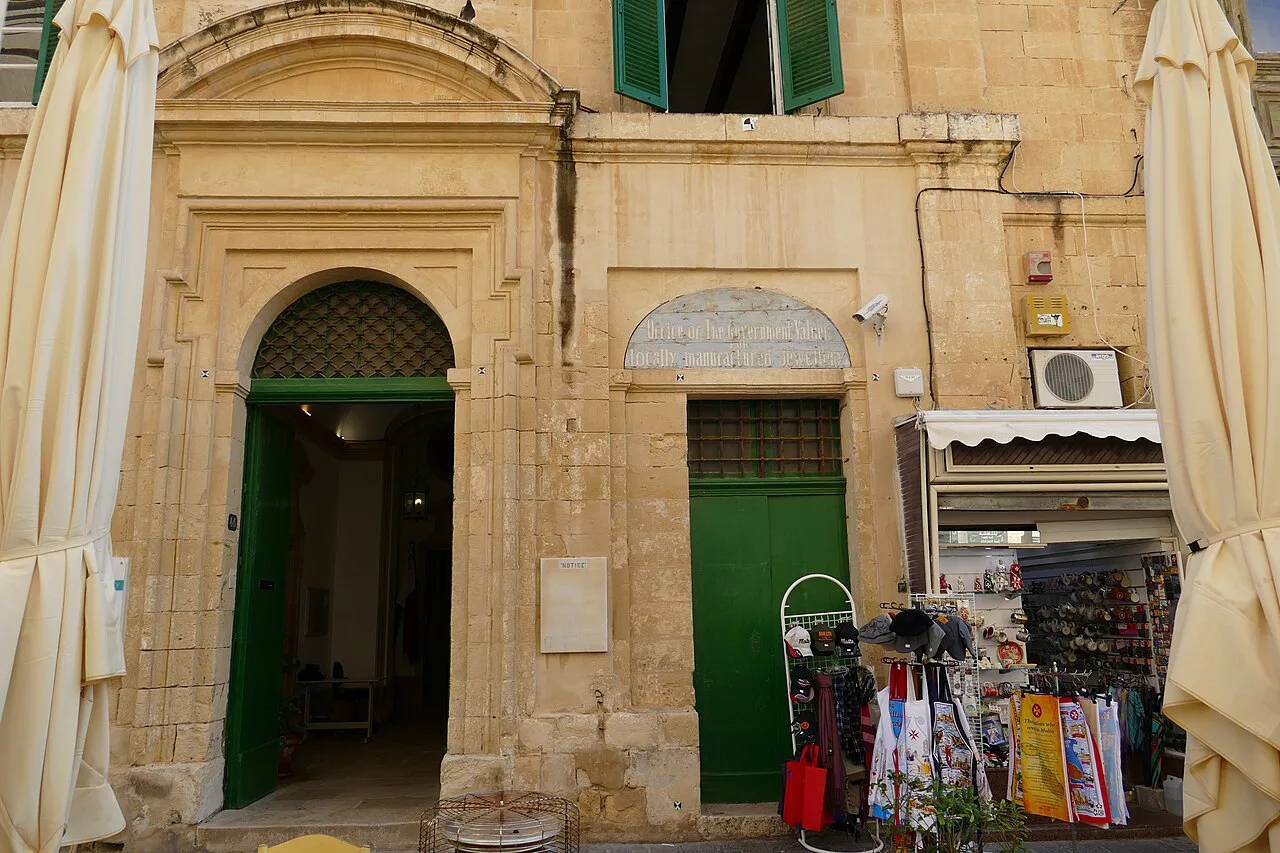
Street food beyond Valletta
For a sit-down alternative in Valletta or St Julian's, Grain Street sits within the Rosselli AX Privilege hotel on Merchant Street and serves Mediterranean dishes made from locally sourced ingredients. It is a restaurant rather than a street-food stall, so treat it as the evening stop after a day of pastizzi.
On Gozo and in St Julian's, the same snacks turn up in local bakeries and cafés, and the guides cover the sit-down options in more detail.
How to order and eat cheaply
The cheapest strategy is to build small plates: one or two pastizzi, a shared ftira or ħobż biż-żejt, and a plate of gbejniet and bigilla between two people. Buying from a bakery counter or market stall rather than a restaurant usually keeps the bill down. Sharing also lets you try more than one snack without wasting food.
No prices for pastizzi, ftira or market stalls are published here, so check the board or ask at the counter before ordering, particularly for anything sold by weight. Restaurants list their own menus, and a food tour bundles the cost of several stops into one price.
Which street food to eat first
Start with pastizzi, because they are sold everywhere and tell you quickly whether you prefer the ricotta or the pea filling. Add a ftira or ħobż biż-żejt for a proper lunch, then use a market stall for cheese, beans and crackers when you want to graze in the afternoon.
If you would rather have the stops chosen and explained for you, a guided walk saves the decision-making and covers several snacks in one go. Otherwise, keep to one market and two bakery stops per day and you will eat well without spending the afternoon queueing.
Explore more Malta guides
Sources
Notes for your Malta trip
Optional updates when we add or correct a Malta or Gozo guide.
You might also like
Continue reading
More guides you'll find useful